Signal Measurement
Radio frequency electronic test equipment quantifies the magnitude and phase characteristics of components by stimulating circuits with swept signals and analyzing the reflected or transmitted energy. A vector network analyzer facilitates the extraction of s-parameters to define impedance and signal integrity across defined frequency bandwidths. These instruments apply a known signal to a device port and track the vector difference between the input and output wave.
Each sweep provides complex data which allows engineers to model the return loss or insertion loss of high speed interconnects. Calibration routines minimize error from cables and test fixtures to isolate the passive or active device behavior.
Manufacturing Calibration
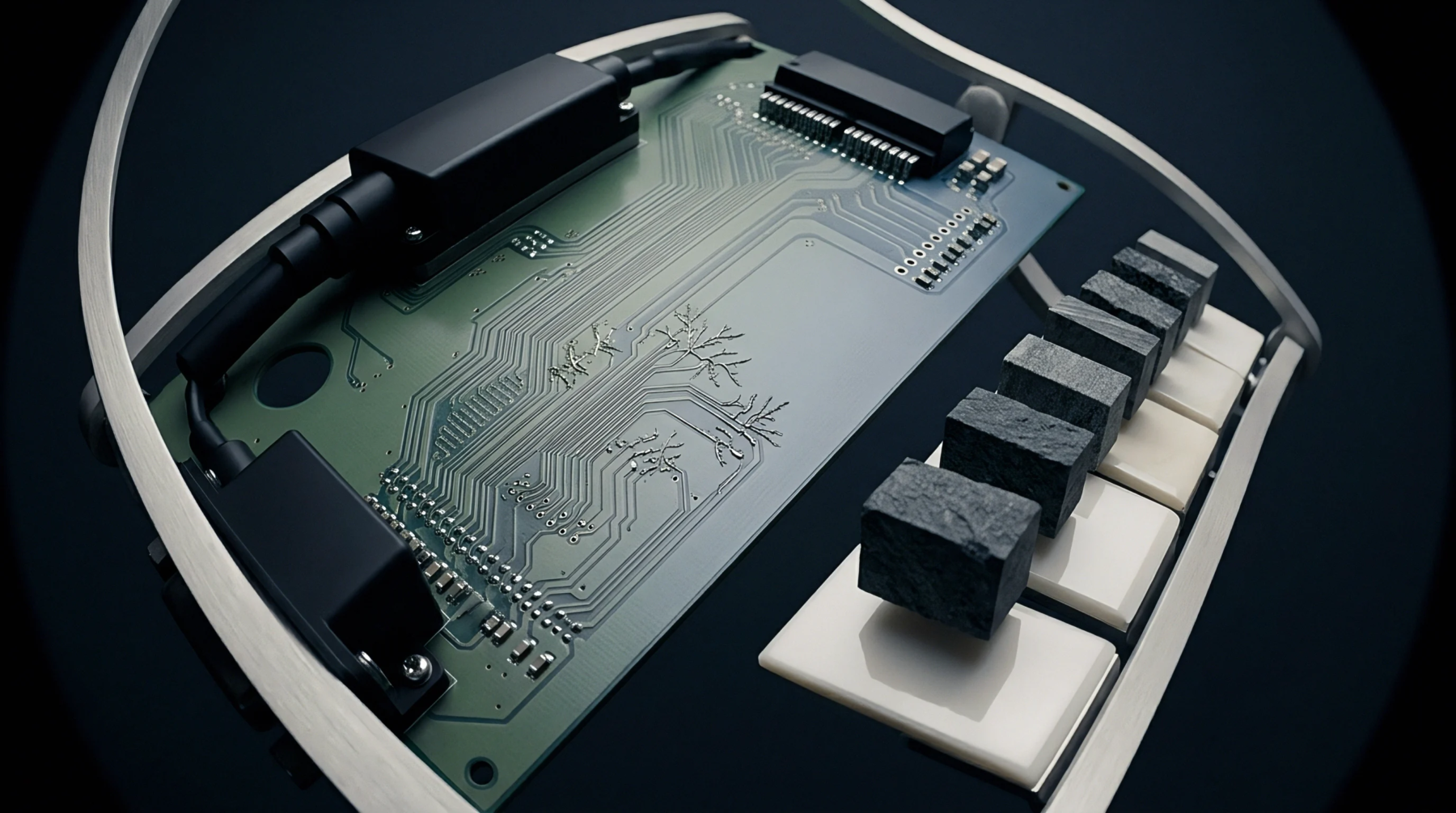
Production environments use these units to confirm that printed circuit board traces maintain consistent characteristic impedance values during the fabrication stage. Variations in dielectric constant or copper thickness shift the electrical length of transmission lines beyond acceptable tolerances for high frequency applications. Technicians connect the instrument to coupon test structures on the panel edge to verify signal velocity before shipping boards to the assembly floor.
This process identifies structural flaws in microstrip or stripline geometry that would otherwise cause signal degradation in digital systems. Frequency domain response analysis reveals discontinuities from plating voids or resin starvation that are not visible during standard optical inspection.
Performance Verification
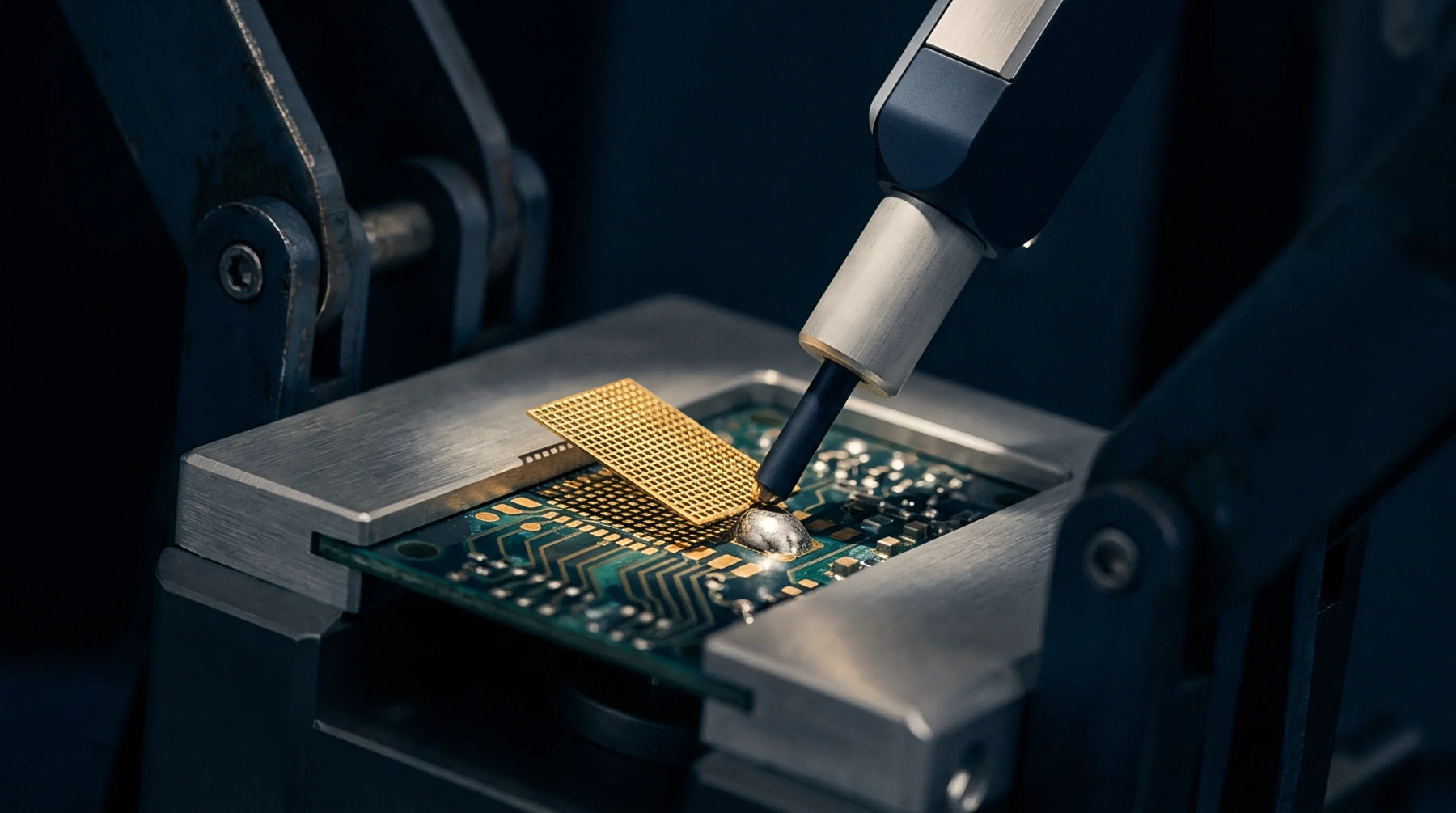
Final system assembly requires precise verification of impedance matching at connector interfaces and board transitions to prevent electromagnetic interference. Reflected energy measurements confirm the integrity of solder joints and component mounting under operational conditions. Each measured deviation from the target impedance indicates a mechanical defect like a cold solder joint or a misaligned component.
Automated test software collects the magnitude and phase data to create a permanent record of assembly quality for every serialized unit. High frequency signal paths rely on the accuracy of these measurements to ensure the hardware satisfies design specifications across the intended operating range. The sensitivity of phase detection allows the identification of minute manufacturing process drift.