Instrument Definition
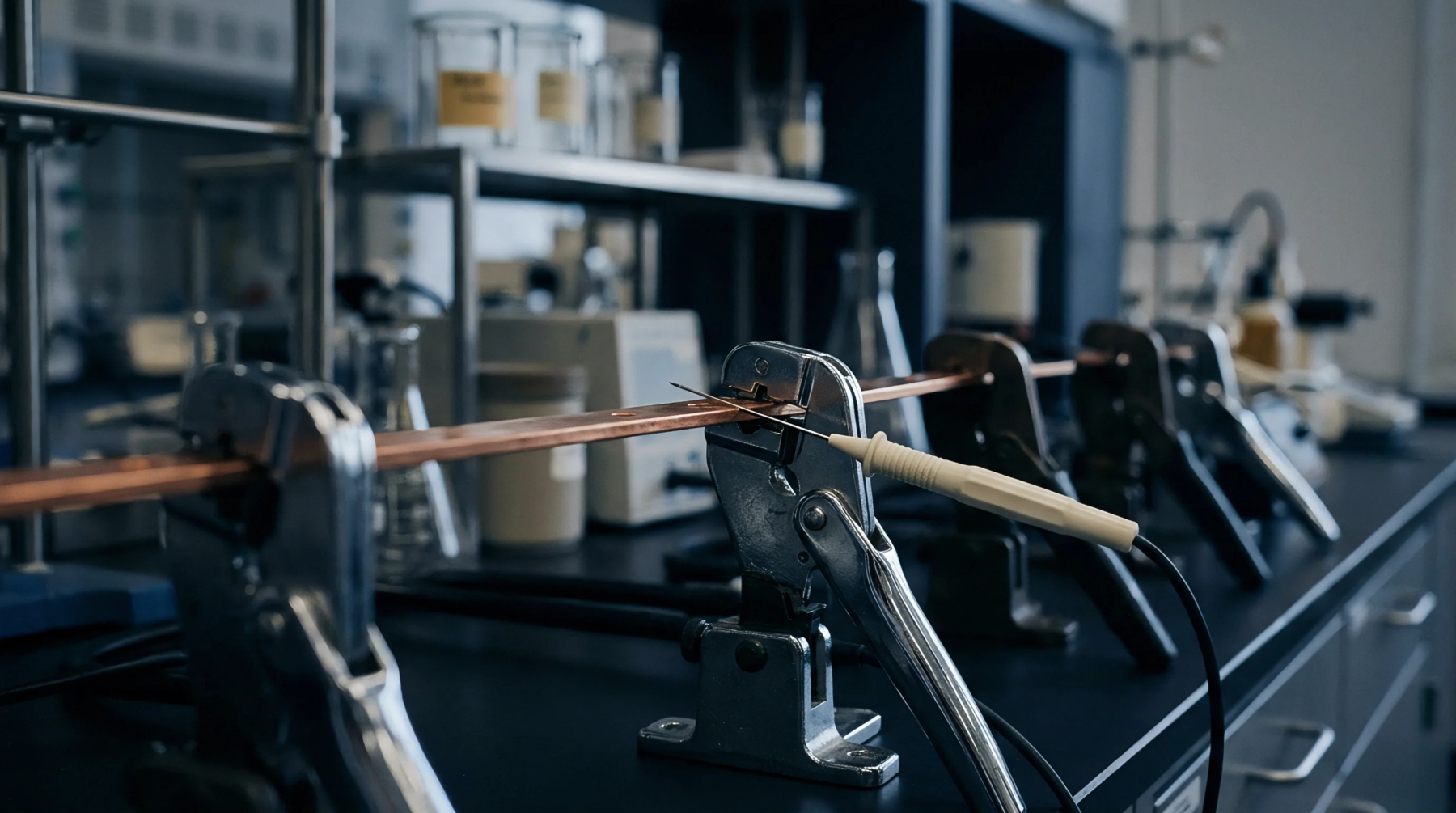
Microwave measurement hardware characterizes components by measuring complex scattering parameters across a specified frequency range. A vector network analyzer calculates the phase and amplitude of signals traveling through or bouncing off a device under test. This device injects a known stimulus into an input port and measures the resulting output or reflection.
Accurate calibration routines remove systematic errors arising from cables, connectors and adapters before the actual measurement begins.
Measurement Accuracy
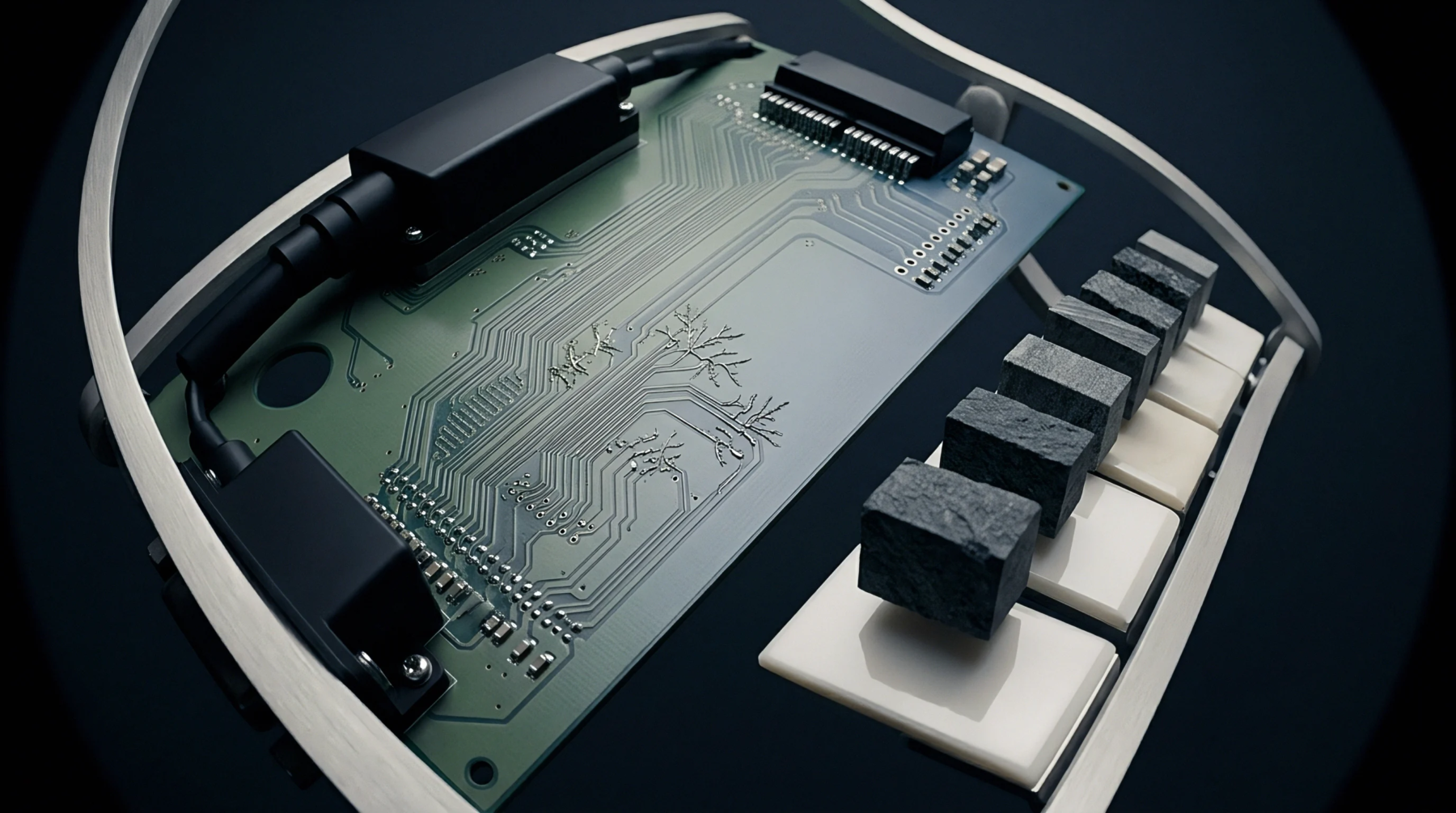
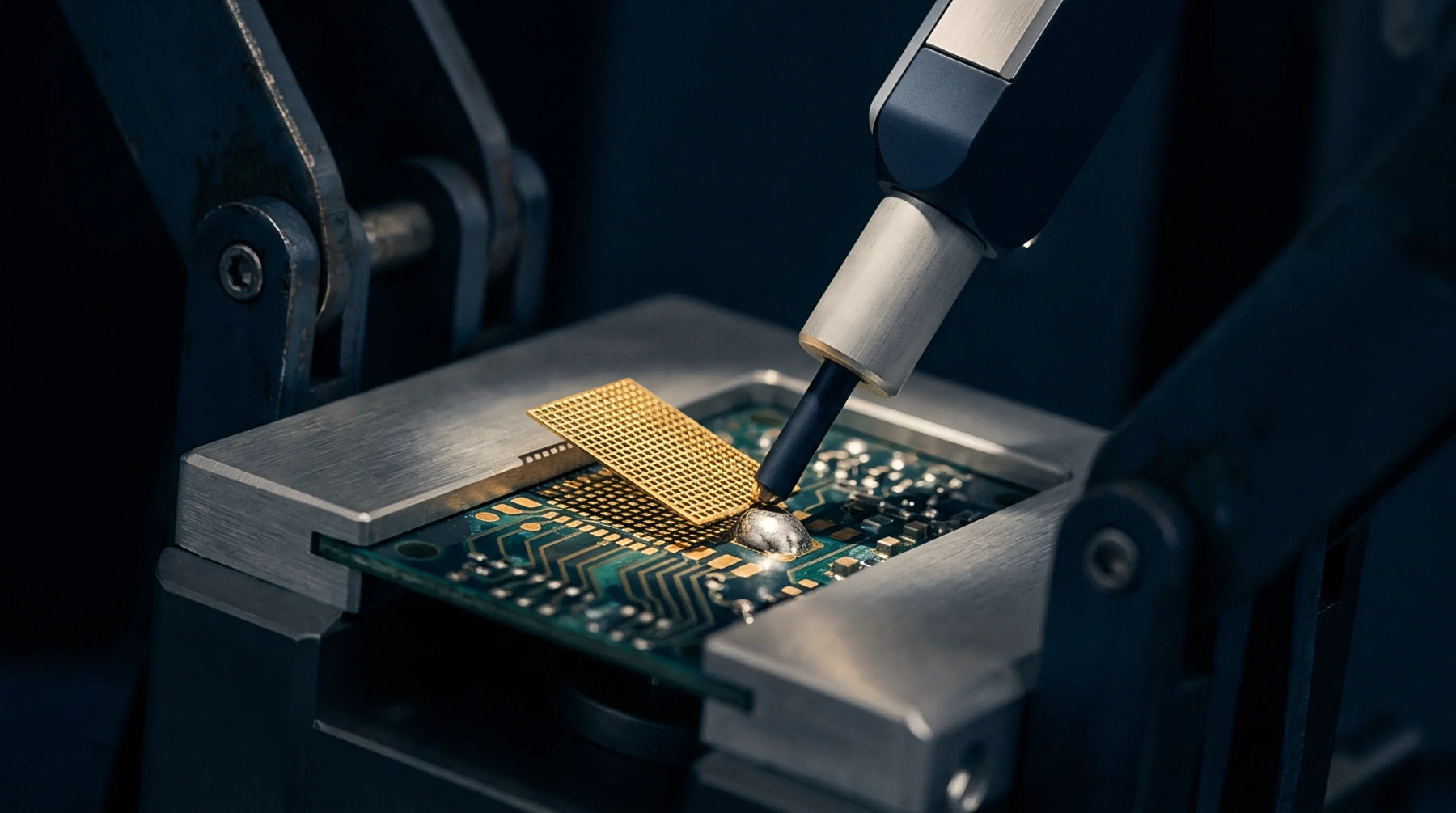
Transmission line performance validation relies on these machines to identify impedance mismatches or signal loss within printed circuit board traces. High frequency interconnects exhibit parasitic effects that distort data integrity if trace geometries deviate from design specifications. A technician interprets the magnitude and phase information to locate physical discontinuities like cracks or shorts in copper planes.
Small deviations in dielectric constant or manufacturing tolerances alter the phase response measured by the equipment.
Production Verification
Final inspection of passive components uses this methodology to confirm adherence to insertion loss and return loss requirements. Assembly houses apply these tests to ensure that filter stages or antenna feeds function within defined frequency bands. Discrepancies between the modeled performance and the actual device output highlight failures in the soldering process or improper component mounting.
Proper termination of the device remains essential for the hardware to provide repeatable results.