
SMT Deposit Volumetrics and Micro Pitch Defect Origins
Solder paste deposit volumetrics directly dictate micro pitch SMT defect rates, requiring strict area ratio controls and 3D inspection limits to prevent bridging.
Solder paste deposit volumetrics directly dictate micro pitch SMT defect rates, requiring strict area ratio controls and 3D inspection limits to prevent bridging.
Electrodeposited microvia column fatigue life depends on controlling plating chemistry additives to eliminate interfacial nano-voids that coalesce during reflow.
Z-axis laminate expansion exceeding copper ductility during lead-free reflow drives microvia failure, requiring high-Tg filled dielectrics and coupon screening.

Microvia target pad interfacial bonds are verified by combining 4-wire Kelvin resistance sensing during IST thermal cycling with 1000x microsection analysis.

Sub-hundred-nanometer interconnect inspection fails when stage thermal drift exceeds 0.8 nanometers per second, turning mechanical expansion into false rejects.

Thermal anode expansion and electromagnetic lens drift cause focal spot displacement, forcing closed-loop beam calibration in high-power X-ray tubes.
Active liquid tube cooling and flat-field sensor calibration prevent radiological thermal drift from inflating false call rates in automated X-ray inspection.
Dynamic projection matrix recalibration against physical reference artifacts maintains traceable voxel scale accuracy under factory thermal drift.
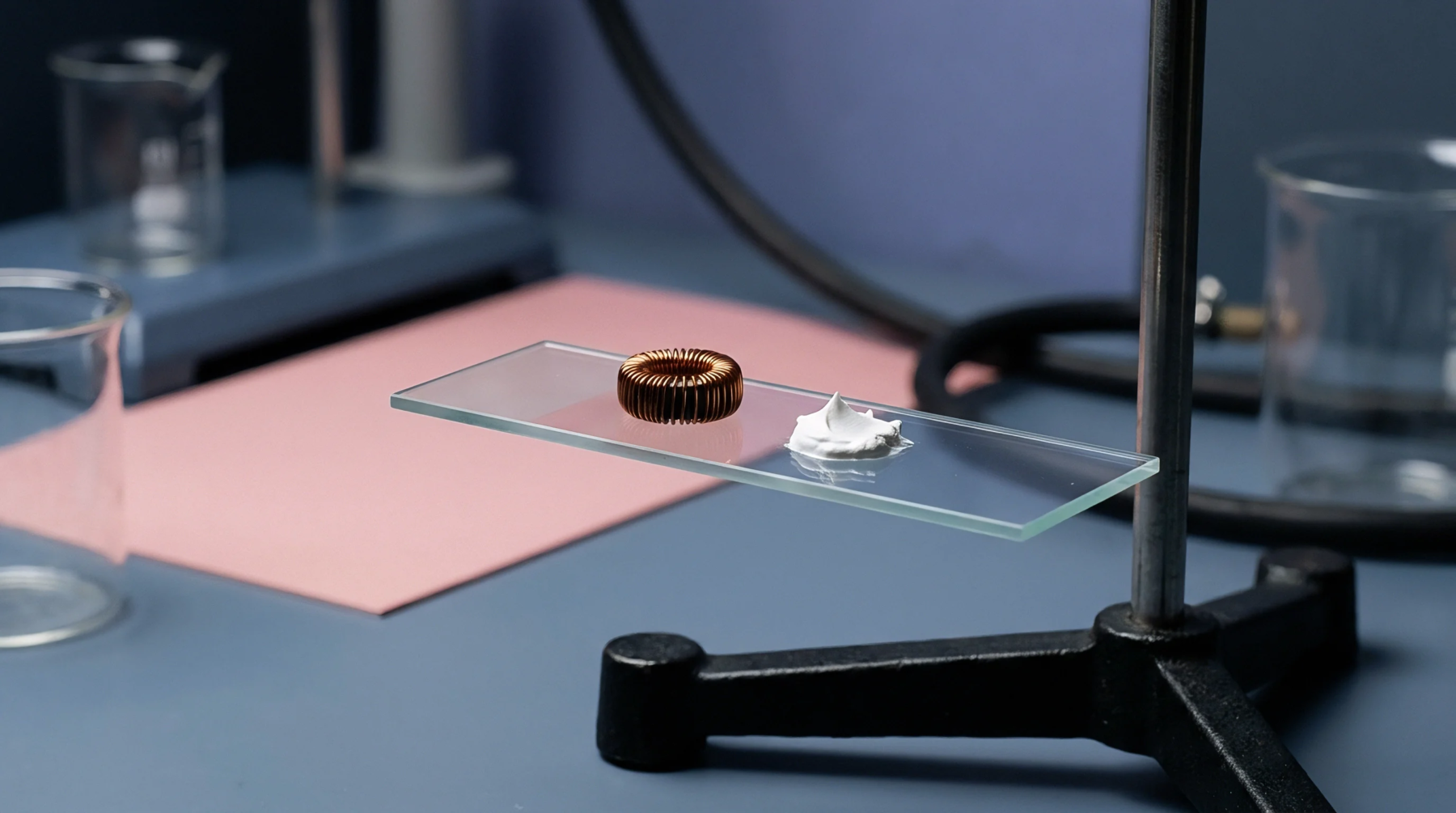
Dynamic X-ray magnification correction resolves board warp scaling errors to deliver accurate sub-millimeter joint volume and void metrics in high-density builds.
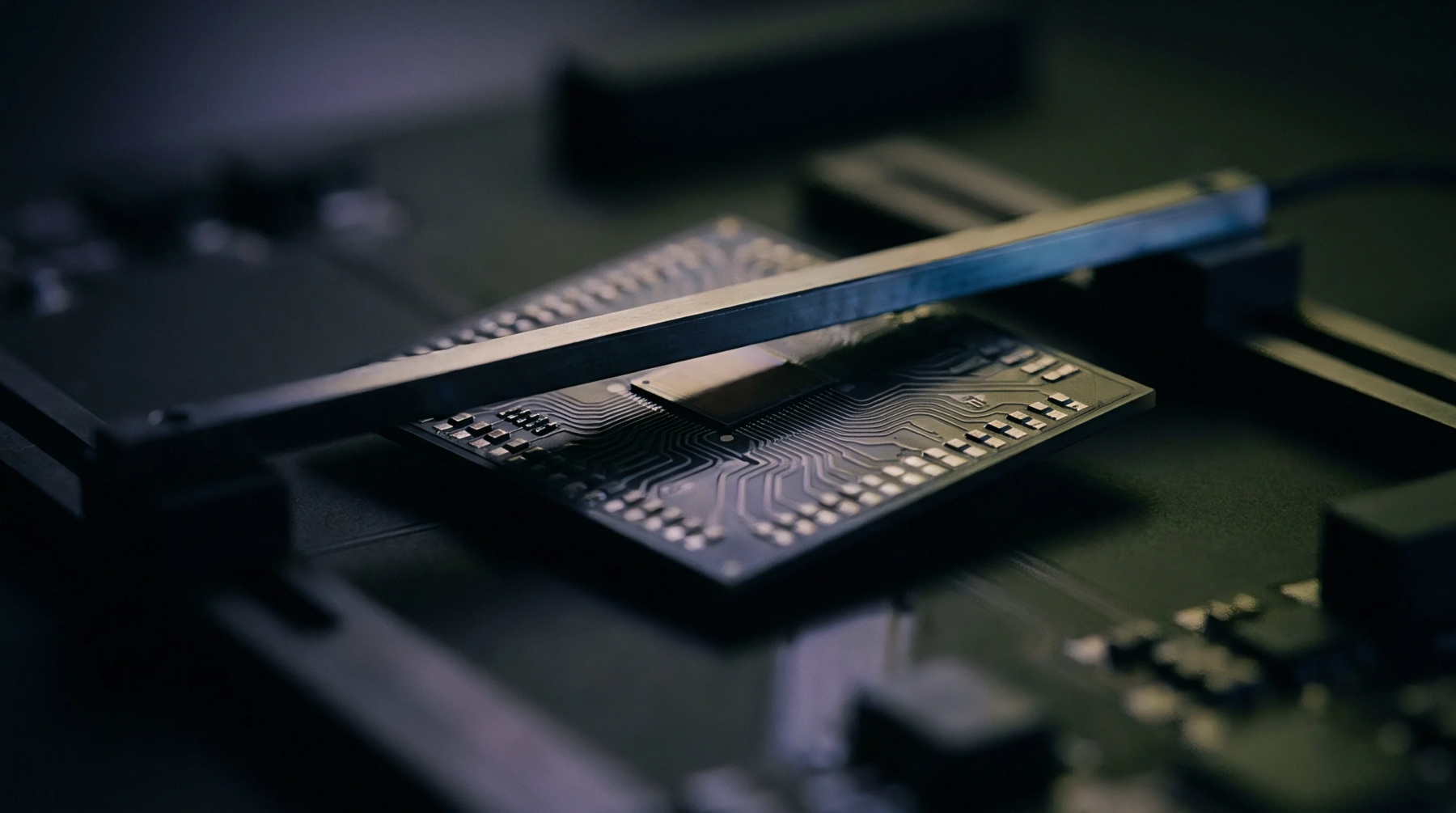
Verify micro-CT voxel pitch with certified ball-bar or grid phantoms to prevent thermal drift from turning compliant solder joints into false defect rejects.

Quantifying copper sleeve dissolution in nitrogen selective soldering balances preheat elevation against contact dwell to maintain Class 3 barrel thickness.
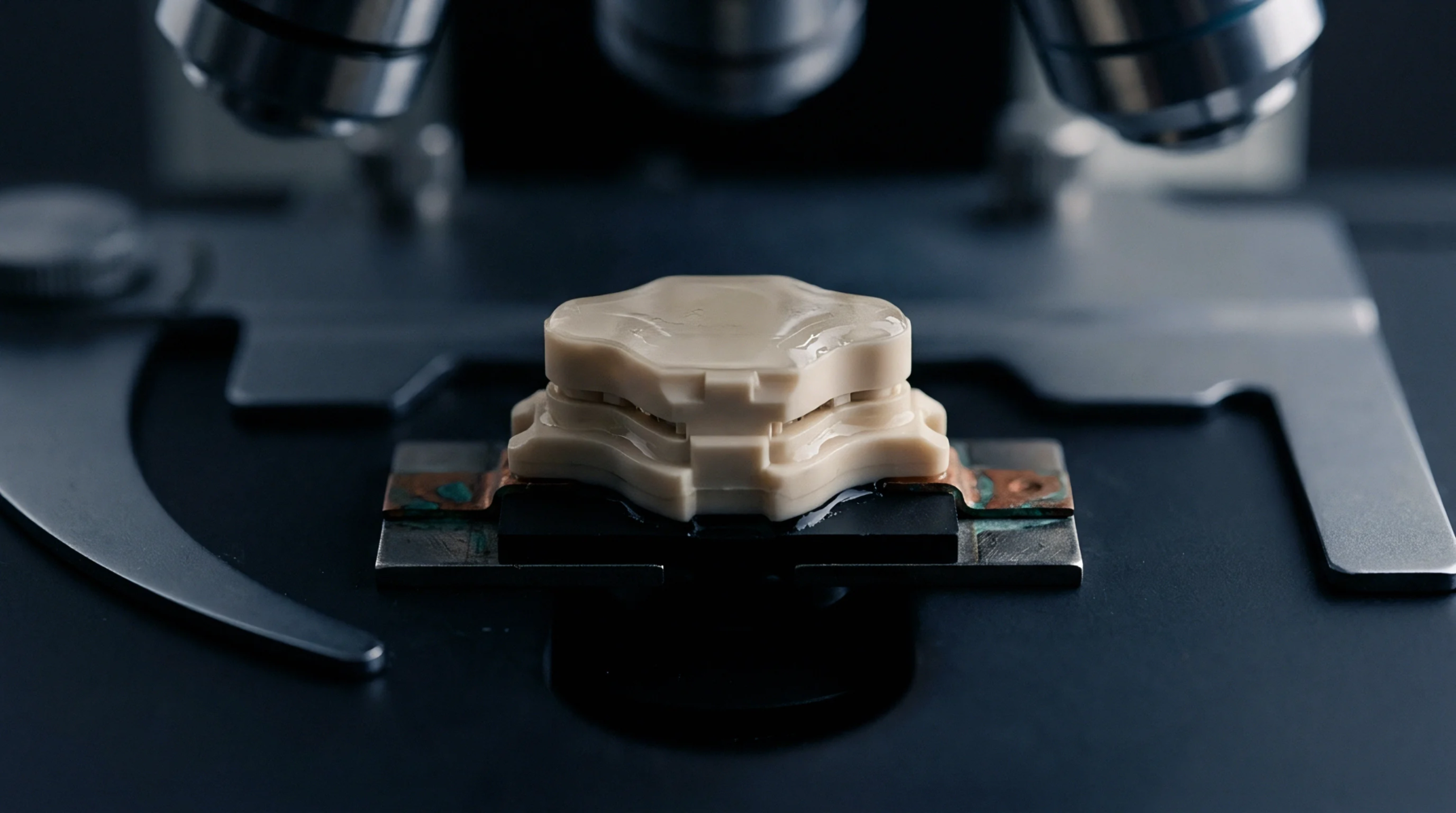
Heavy copper selective soldering balances thermal immersion against rapid dissolution by controlling nozzle drag velocity and bath copper saturation levels.
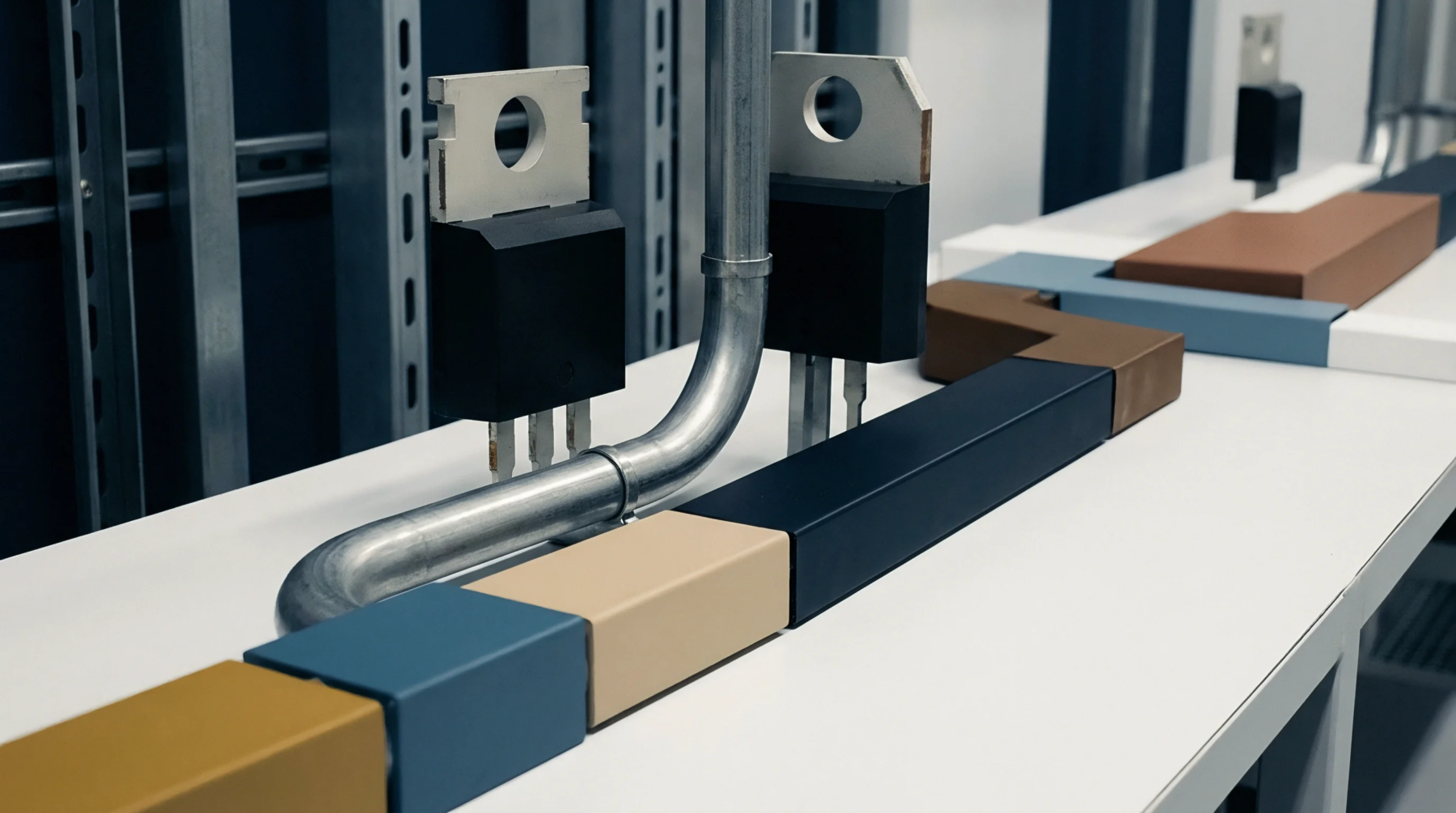
Nitrogen inerting below 100 ppm O2 lowers surface tension and prevents dross, enabling 100% IPC Class 3 barrel fill on heavy copper power boards.
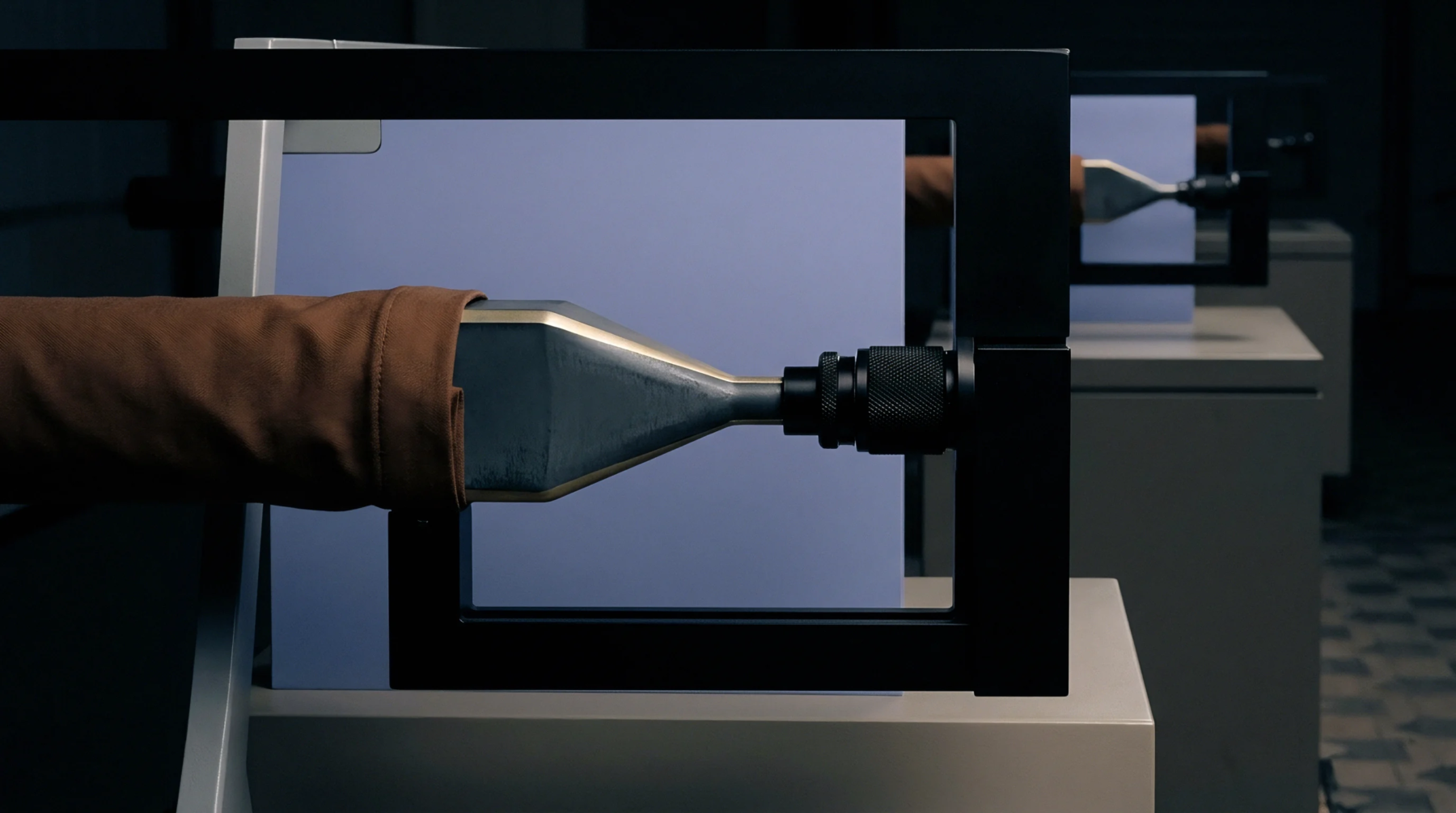
Correlate CT density gradients to microsections by locking segmentation thresholds to the lowest radial slice fill percentage measured on baseline coupons.
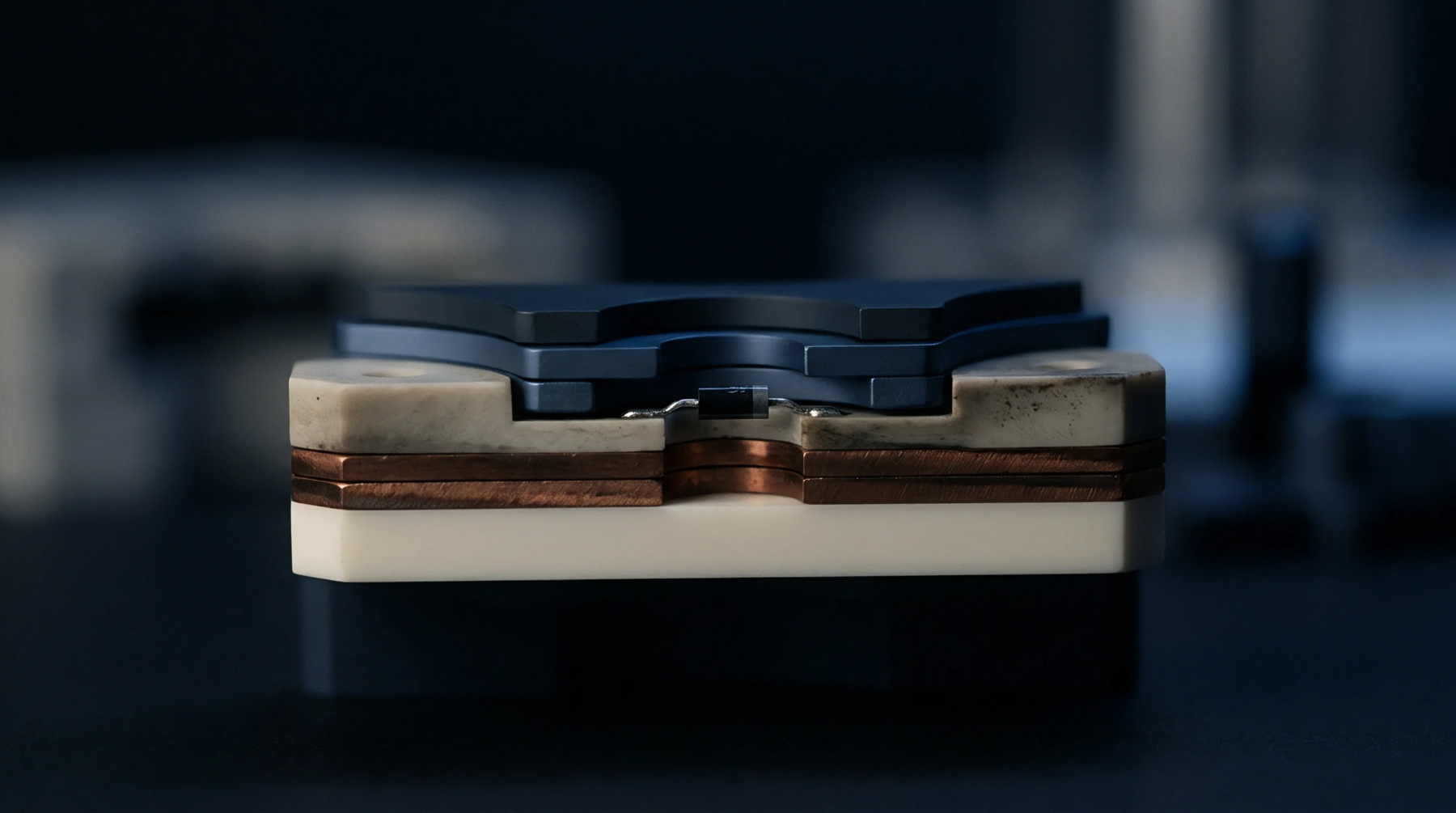
Microsectioning Class 3 boards settles barrel fill disputes by measuring net axial solder rise and subtracting internal voids against the 75 percent threshold.

Plated through hole solder joints evaluated under IPC standards require strict vertical fill, top and bottom fillet wetting, and bounded radiographic voiding.

Strain energy damage modeling accurately predicts lead-free solder joint fatigue under multi-pass thermal transients where linear creep models fail.
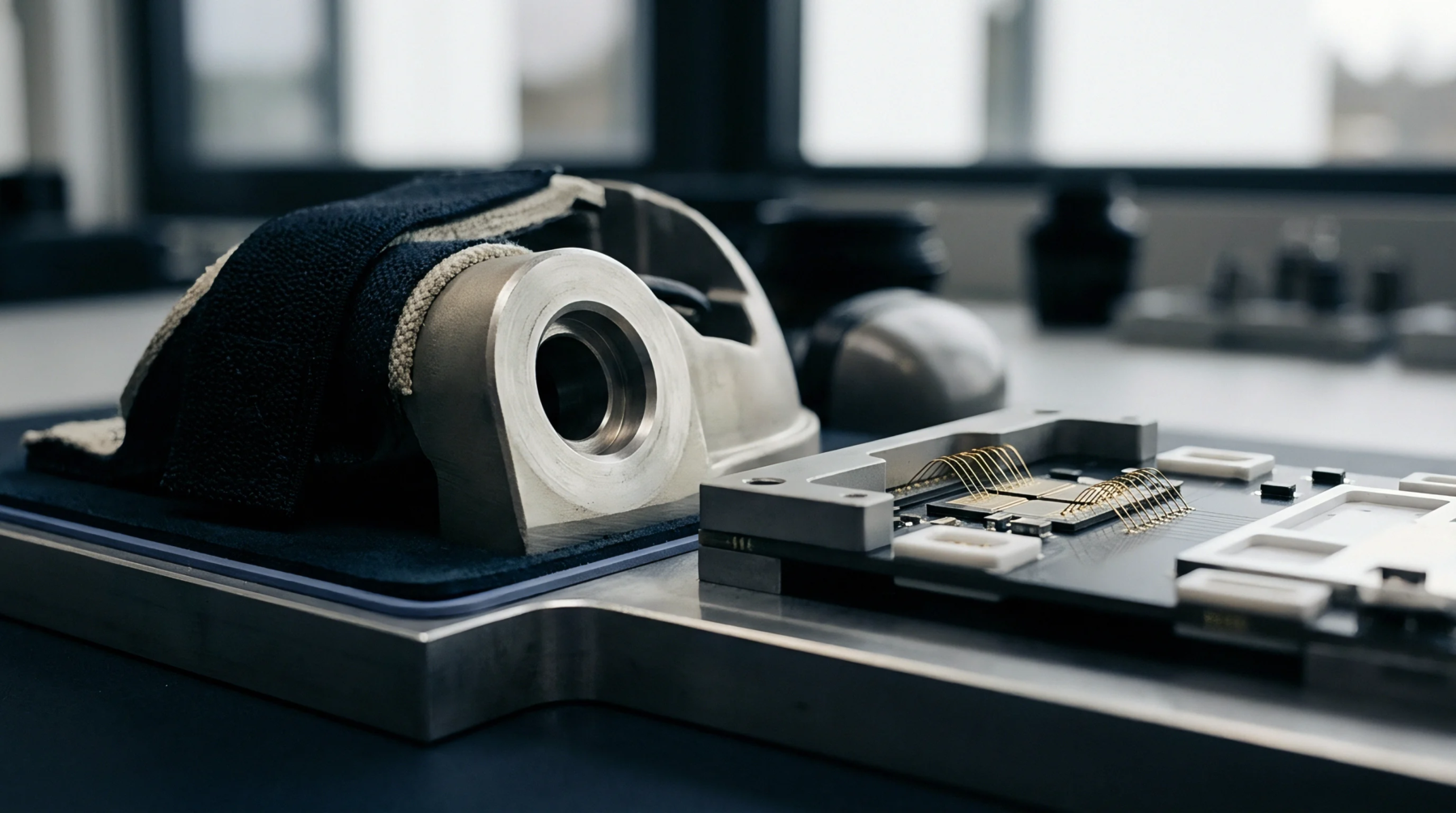
Secondary heat exposure accelerates intermetallic growth, causes void coalescence, and degrades solder joint mechanical strength across multiple reflow passes.
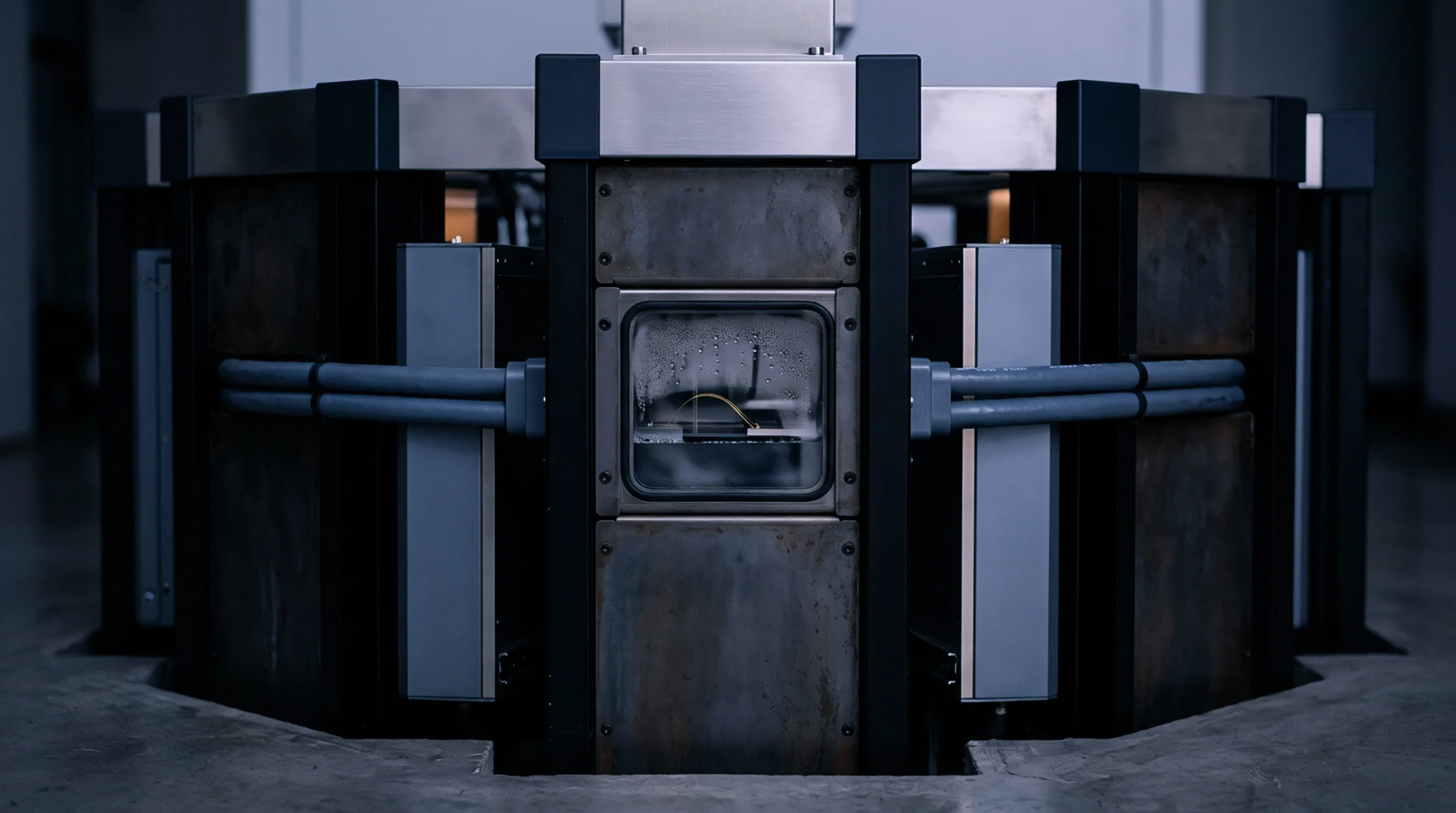
Bismuth additions strengthen low-silver bulk solder but accelerate brittle interfacial fatigue crack growth along intermetallic boundaries under thermal cycling.
Evaluating stress intensity factors requires calculating mode mixity across bimaterial boundaries to prevent latent interfacial cleavage in high-density packages.

Micro-BGA intermetallic compound formation depends on peak reflow energy and thermal aging, where excessive layer thickness causes brittle interfacial failure.

Real-time non-linear gantry thermal deformation modeling prevents fine-pitch placement drift by dynamically updating axis kinematic transformation matrices.

Sub-millimeter lead pitch placement stability requires balancing linear encoder precision, feeder trajectory routing, and local fiducial alignment cycles.
Expertise is a utility, not a secret. sentiention™ publishes its working knowledge as open reference: intelligence layer covering the materials it sources, the markets it enters, and the reference that serves both.