High-reliability Requirement
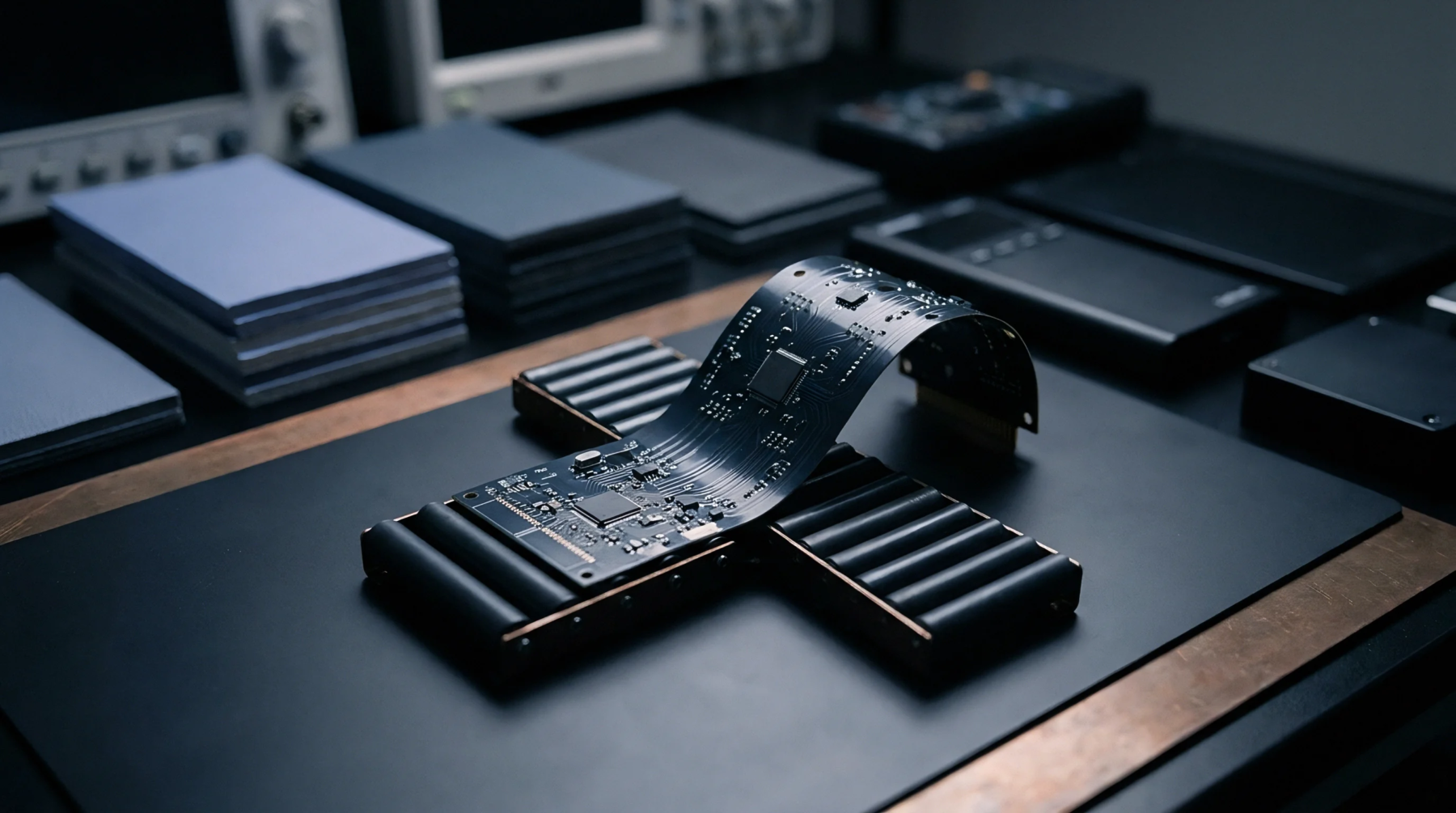
Electronic assemblies meant for hardware that must continue to operate under extreme service environments follow the ipc-a-610 class 3 standard for solder joint and component mounting. These high-performance circuit boards undergo rigorous inspection protocols where the functional integrity of the device remains the primary operational goal. Specifications dictate tighter tolerances for solder fillet height and lead protrusion compared to consumer grade electronics.
Every joint requires specific wetting angles to ensure mechanical stability during thermal cycling or intense vibration. Engineers mandate these stringent quality levels because hardware failure during operation carries unacceptable mission risks.
Acceptance Boundary
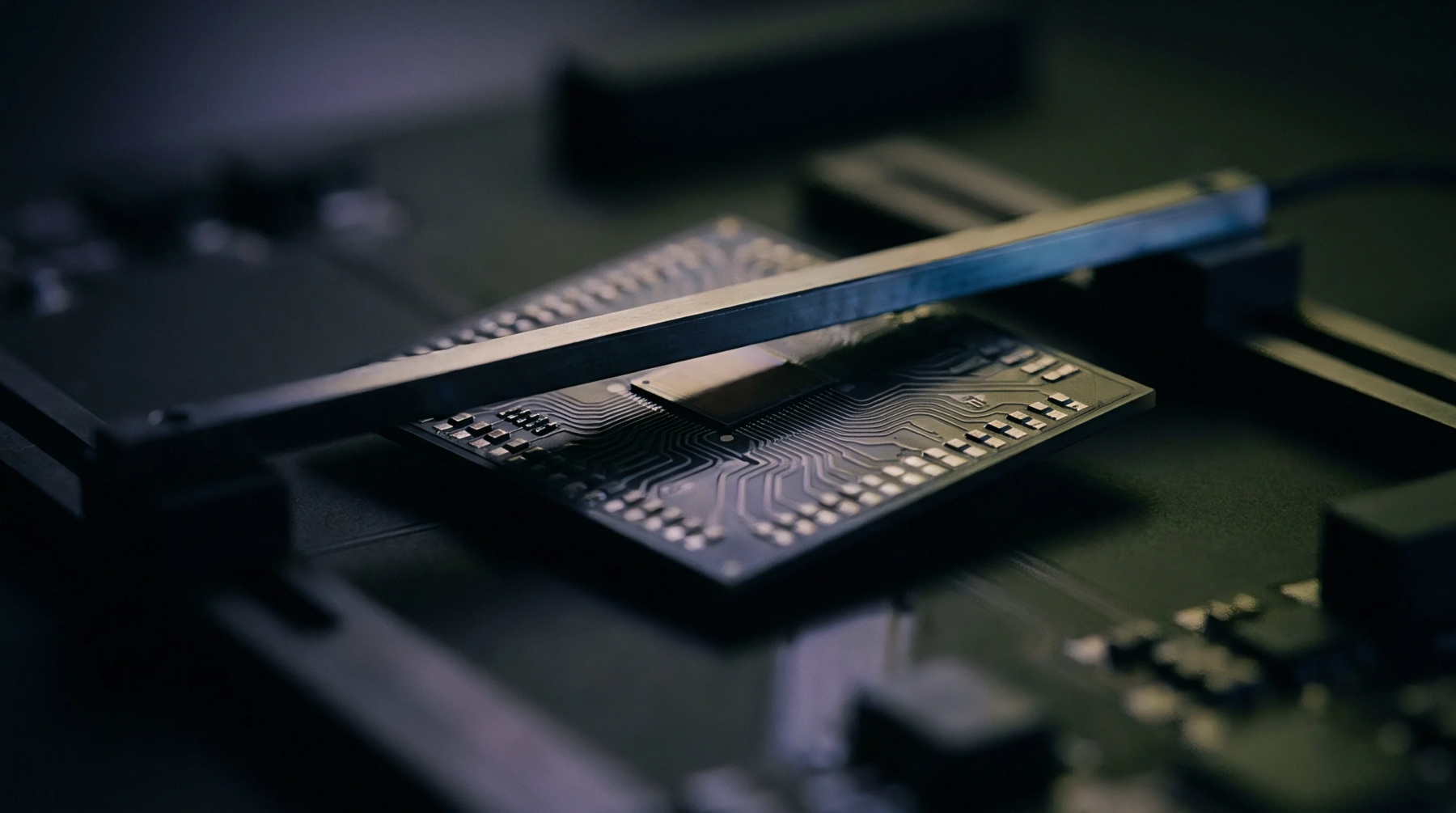
Inspection teams verify the quality of manufactured connections by comparing physical features against these established numerical thresholds. A solder joint failing to reach the minimum percentage of land coverage faces rejection during the final quality audit. Operators measure the exact distance between component bodies and the substrate surface to prevent fatigue during expansion cycles.
Variations in flux residue or microscopic surface debris trigger immediate rework or component removal if the contamination exceeds specified limits for high-reliability zones. Boards produced under this classification require a greater frequency of visual confirmation to maintain the documented quality level. Technicians document every instance of non-conformance to track production trends and identify potential degradation in the assembly process.
This systematic documentation provides a clear audit trail for regulators and end customers regarding the structural health of the final product. Reliable performance results from the consistent application of these constraints across the entire assembly line.
Manufacturing Constraint
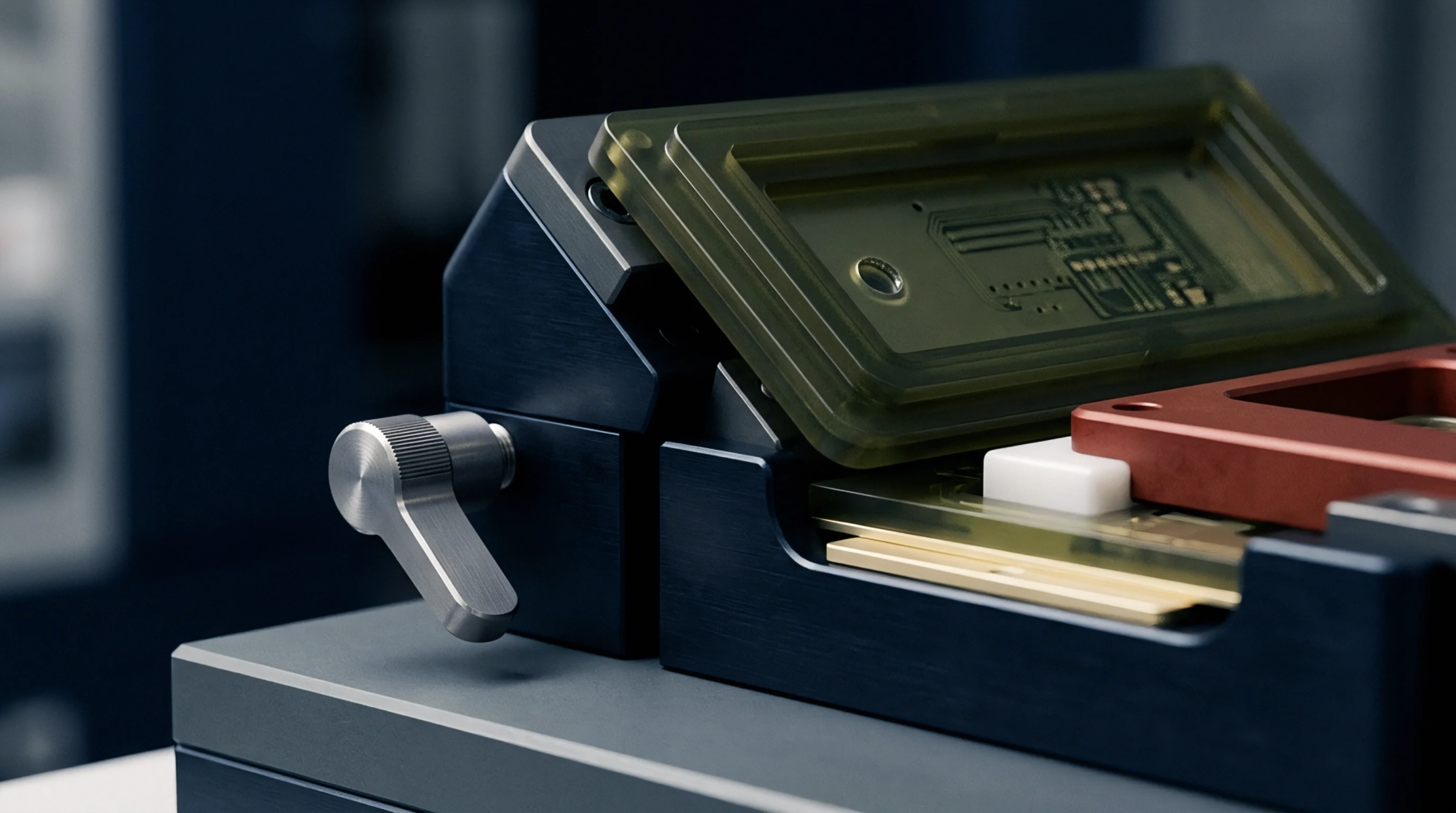
Higher production costs result from the adoption of such rigorous workmanship criteria due to increased labor time during manual inspection stages. Increased optical magnification is necessary for operators to discern the subtle differences between compliant and non-compliant features on dense boards. Fabrication facilities implement specialized handling routines to minimize physical stress on the assembly while the connections solidify.
Solder alloy selection and temperature profiles must account for the specific thermal mass of high-reliability components to guarantee structural longevity. These boards possess superior mechanical resistance to harsh operating conditions.