
Baseline Verification Methods for Incoming SMT Solder Paste
Baseline verification of incoming solder paste requires verifying transit thermal logs, measuring malcom viscosity, and checking powder oxide limits.
Baseline verification of incoming solder paste requires verifying transit thermal logs, measuring malcom viscosity, and checking powder oxide limits.

Establishing quantitative strain rate envelopes prevents intermetallic cleavage and pad cratering in lead-free circuit assemblies during manufacturing.

Phosphorus rejected during solder reflow forms brittle nickel phosphide layers that demand high-speed shear testing and strict IPC-4552 chemical control.

Quantifying copper sleeve dissolution in nitrogen selective soldering balances preheat elevation against contact dwell to maintain Class 3 barrel thickness.

Solid state intermetallic growth degrades lead-free solder joints through parabolic Cu3Sn layer thickening and Kirkendall void embrittlement under thermal aging.
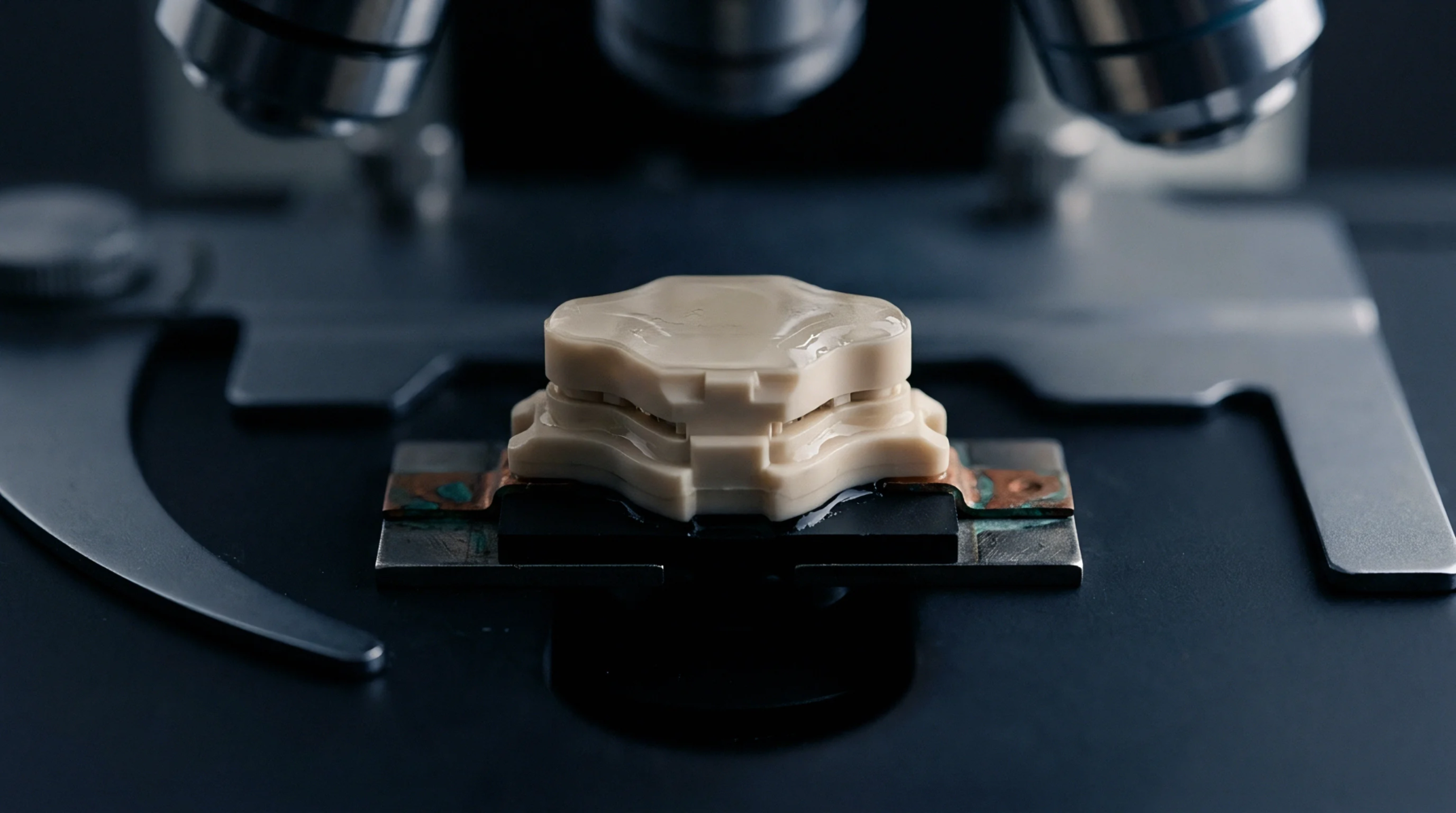
Heavy copper selective soldering balances thermal immersion against rapid dissolution by controlling nozzle drag velocity and bath copper saturation levels.
Expertise is a utility, not a secret. sentiention™ publishes its working knowledge as open reference: intelligence layer covering the materials it sources, the markets it enters, and the reference that serves both.