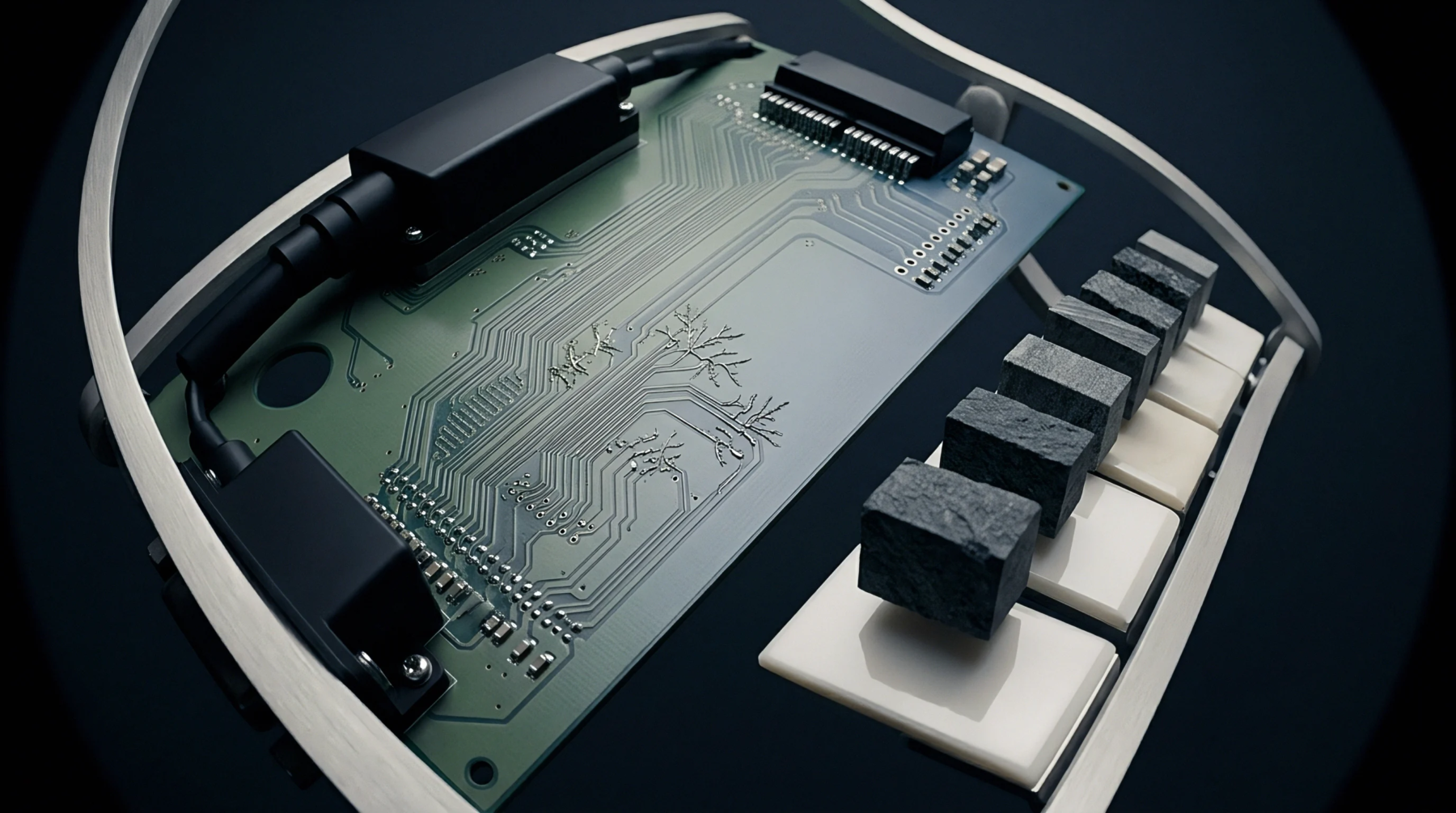
Lead Free Solder Alloy Attenuation Factors during X-Ray Profiling
Lead-free alloy attenuation shifts require recalibrating X-ray tube parameters and grey-scale thresholds to ensure accurate void measurement and line yield.
Lead-free alloy attenuation shifts require recalibrating X-ray tube parameters and grey-scale thresholds to ensure accurate void measurement and line yield.

Selecting selective soldering tooling shields requires matching composite thermal resistivity against component clearance gaps to guarantee zero thermal damage.
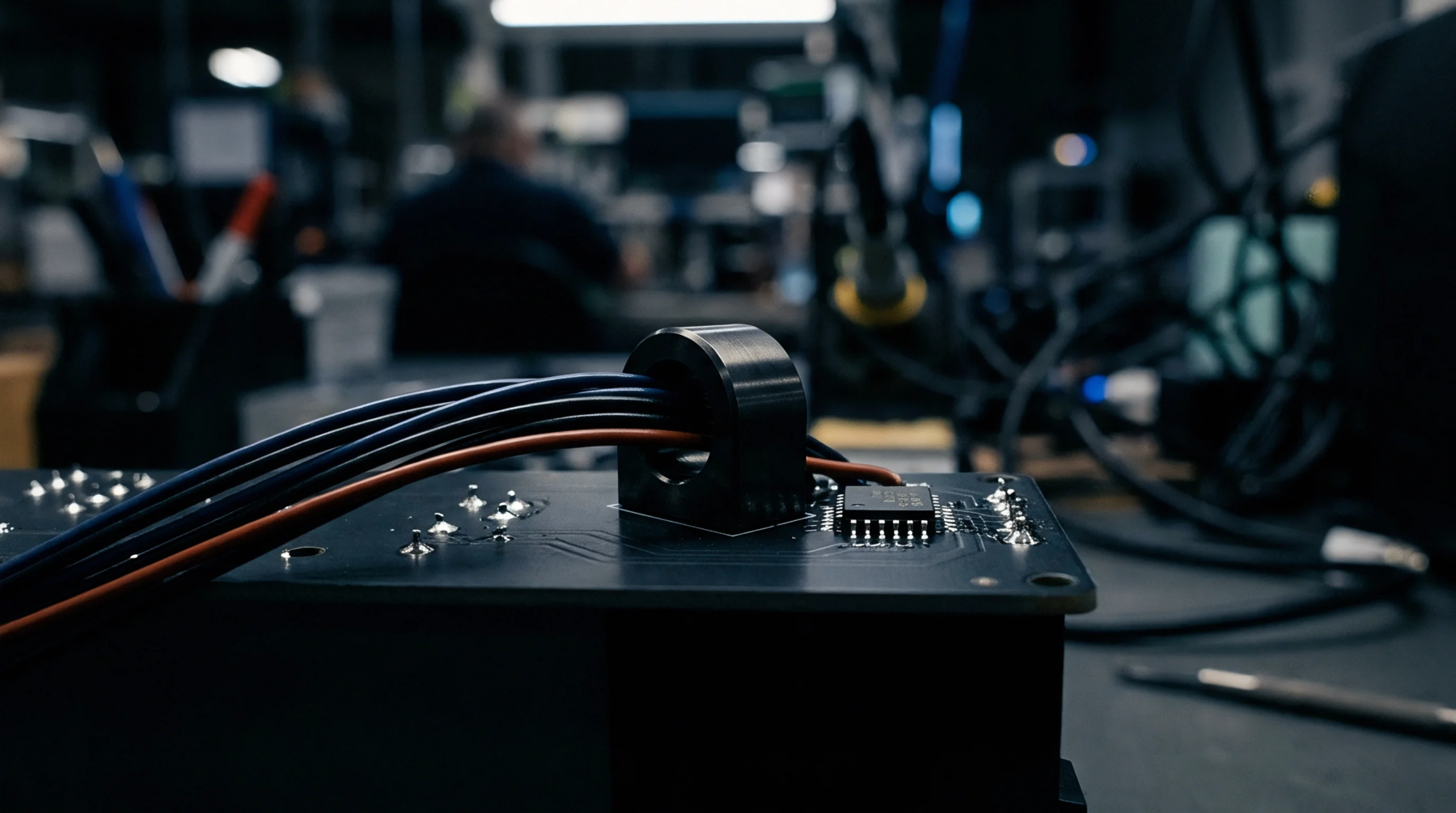
Optimizing barrel fill on high thermal mass boards requires thermal relief geometries, elevated topside preheat, and controlled alloy contact duration.
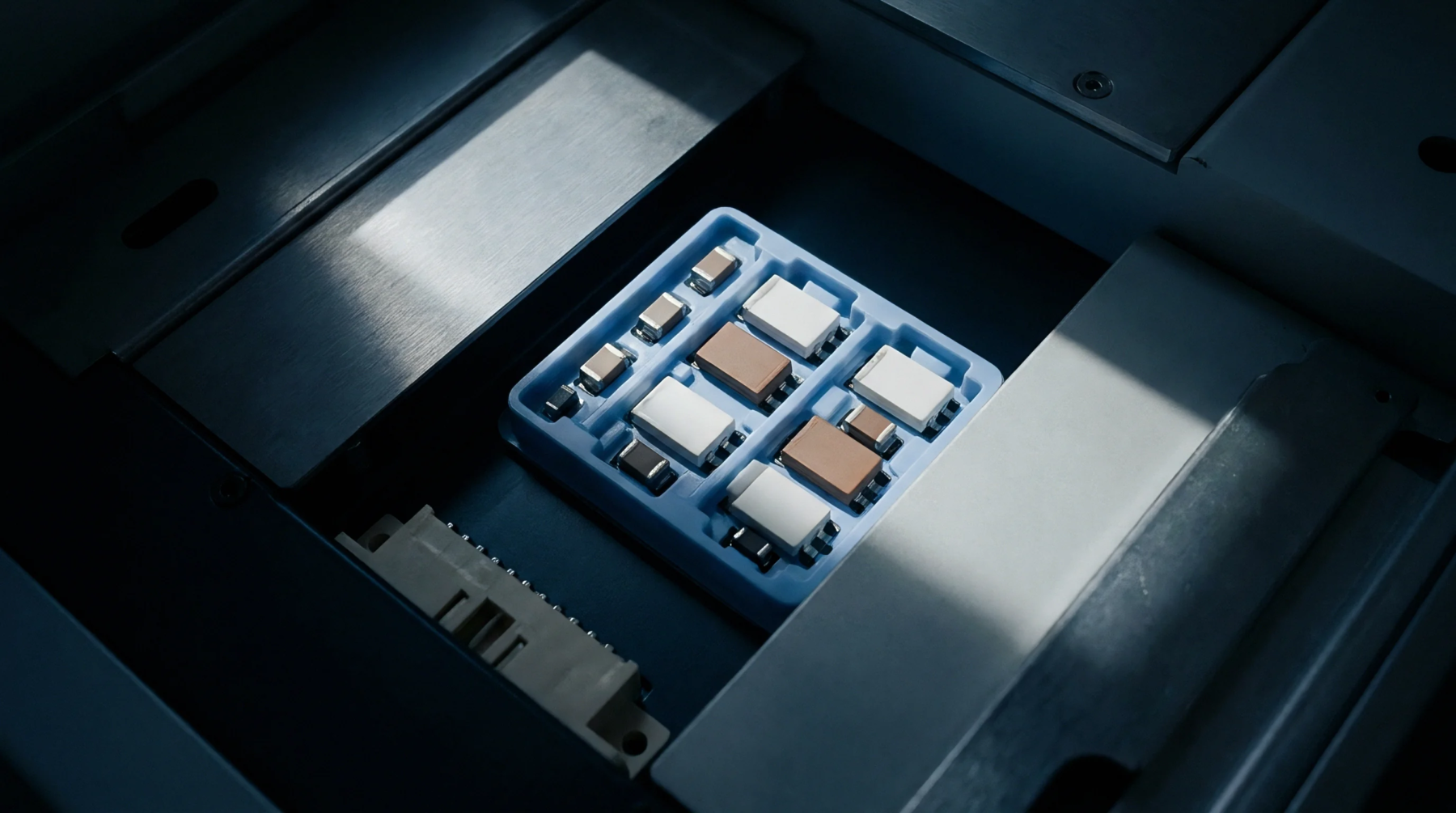
Optimizing solder paste rheology and stencil area ratios above 0.66 drives transfer efficiency stability and eliminates fine-pitch assembly defects.
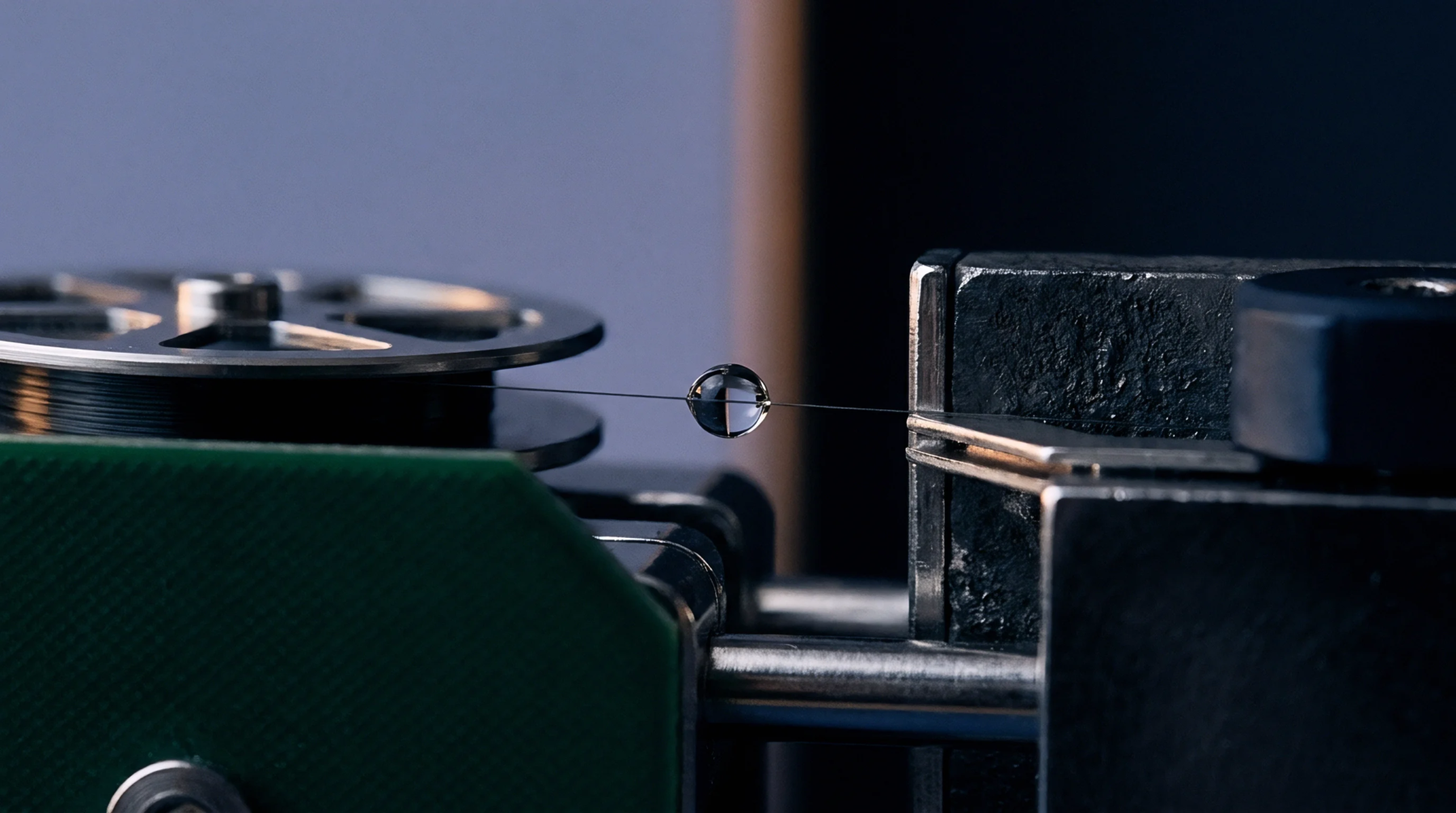
Sub-atmospheric vacuum reflow during liquidus dwell extracts entrapped flux solvent gases, reducing BGA solder joint void area to under five percent.
Allocating latent defect risk in advanced assembly relies on defined screening limits, clear warranty triggers, and empirical root-cause testing formulas.
Intermetallic growth control and thermal profile validation prevent latent BGA fracture defects before boards leave the line.
IPC Class 3 compliance requires minimum 75 percent vertical barrel fill and under 15 percent internal voiding verified via precision microsectioning.
Maintaining residual oxygen under 10 ppm in selective soldering shrouds limits heavy copper sleeve dissolution to under five micrometers per pass.

Financial exposure bounds in high-density SMT rely on binding paste volume thresholds, AOI escape modeling, and explicit contract scrap liability caps.
Allocate micro BGA line standby and rework exposure by binding hourly downtime tariffs and hot-gas rework liability directly to SPI, AXI, and feeder logs.
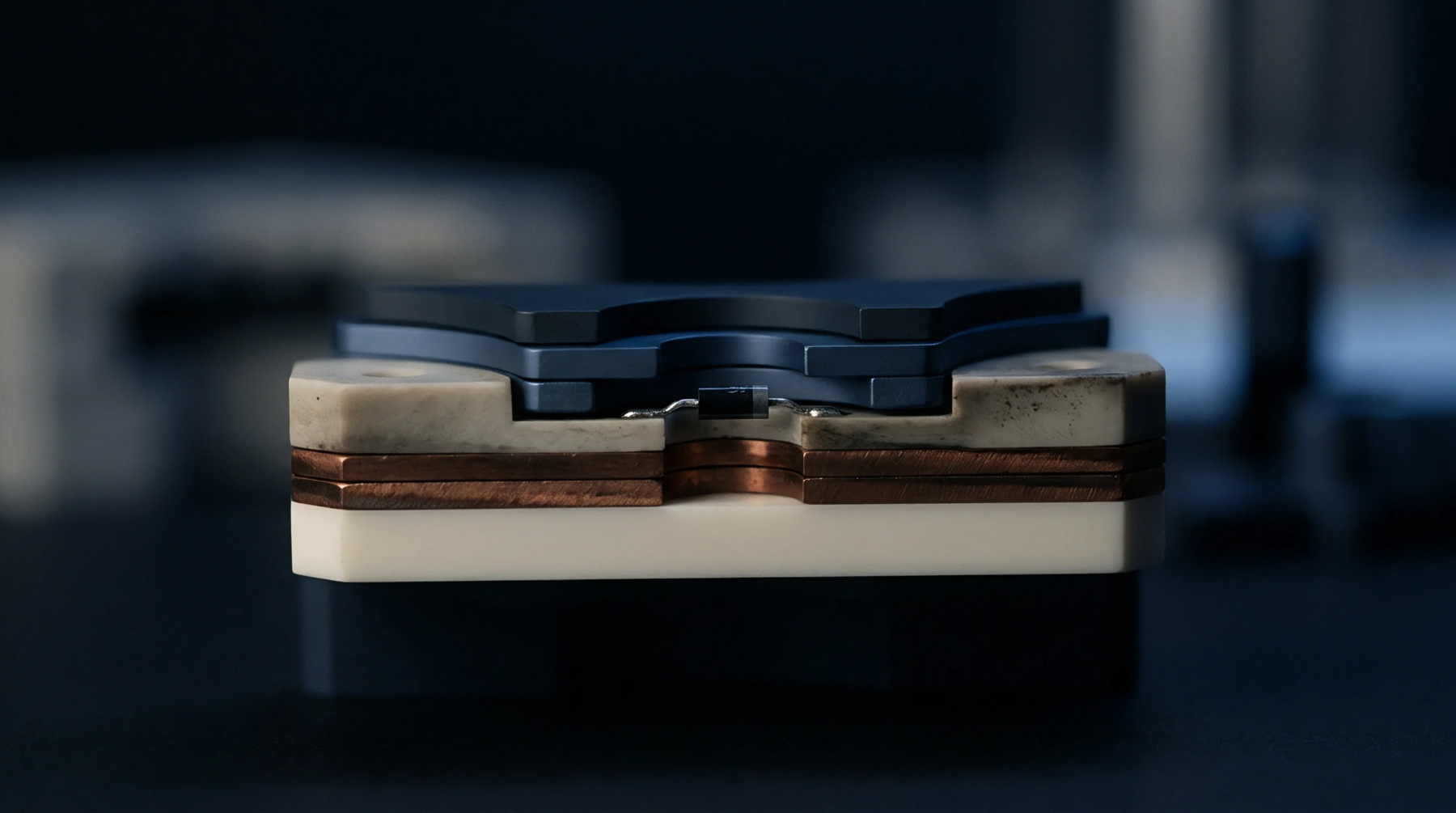
Optimize SAC305 reflow profiles between 235-248°C with 45-75s TAL and 3-5°C/s cooling to limit interfacial intermetallic growth and prevent brittle joint failure.

ENIG guarantees 24-month solderability for staggered assembly runs, while OSP degrades beyond six months unless stored in vacuum-sealed moisture barrier bags.
Optimized lead-free reflow profiling requires thermal deltas under eight degrees, controlled time above liquidus, and precise paste transfer efficiency.
Profiling variable weight copper stackups requires extended soak dwell and high gas velocity to equalize thermal delta across light pads and heavy ground planes.
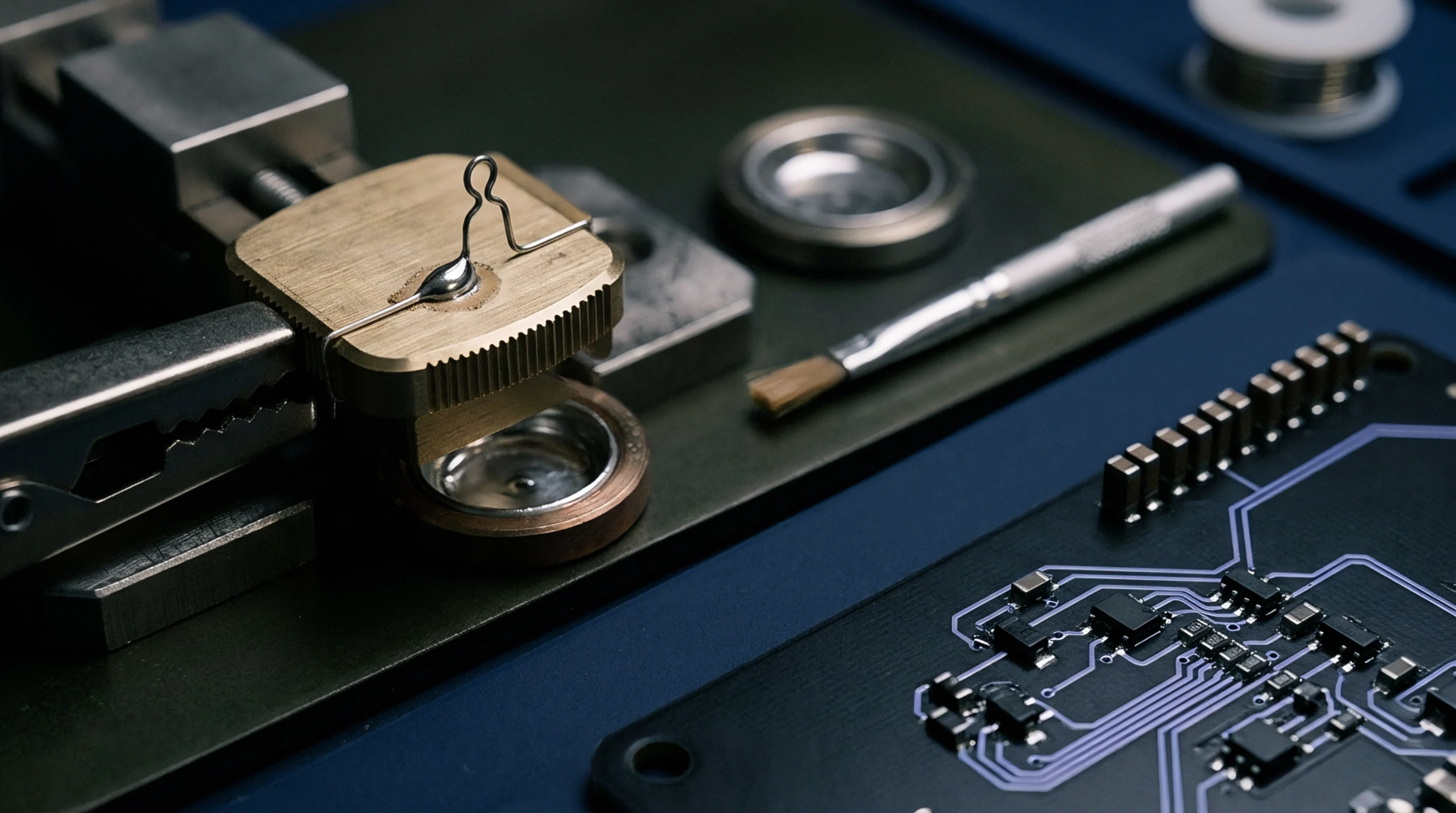
Sub-atmospheric pressure profiling reduces bottom-terminated component voiding below 5% by expanding and evacuating trapped flux gases during liquidus.
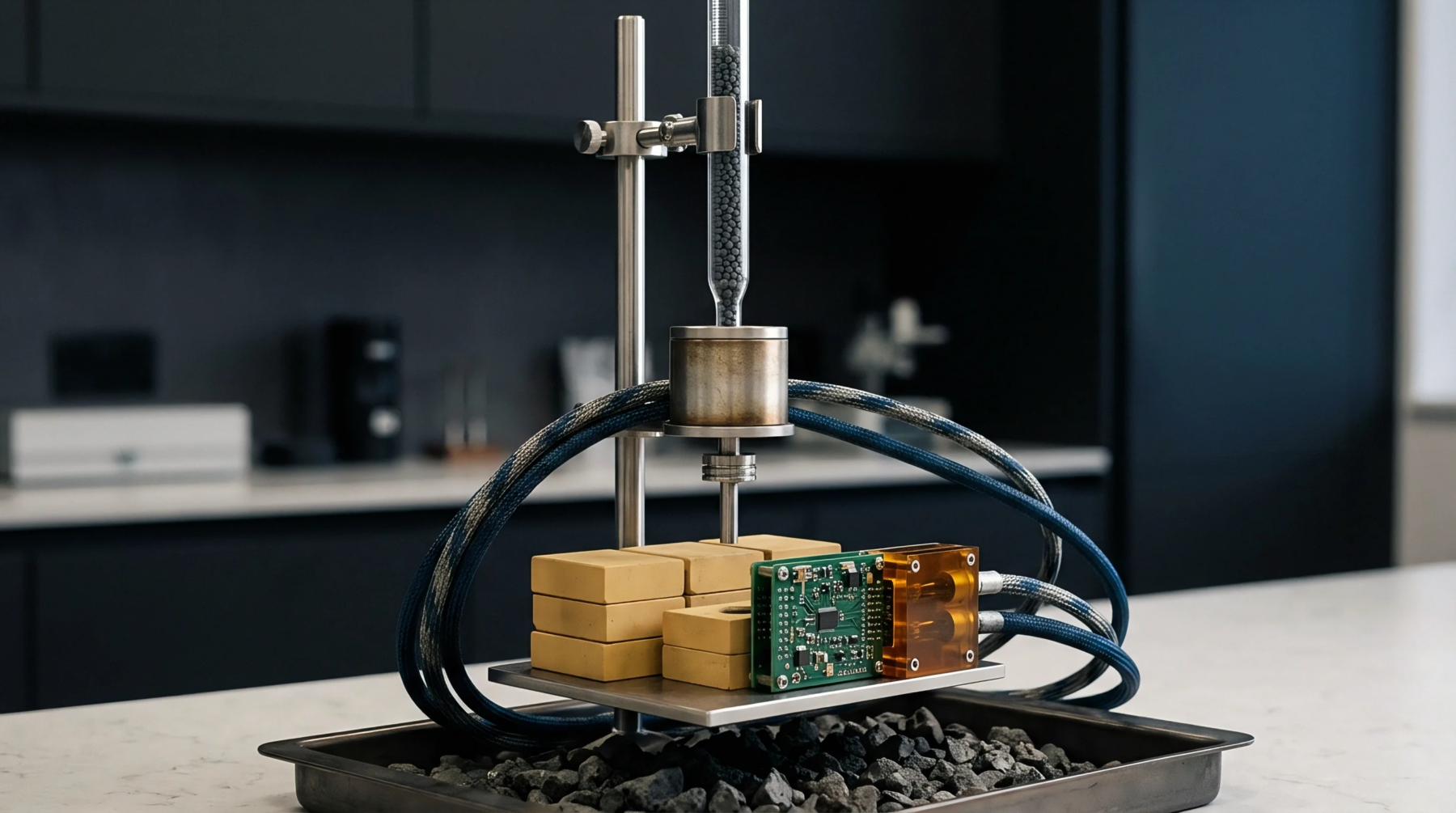
Optimize squeegee speed, separation rate, and aperture nanocoating to stabilize paste viscosity, maintain high transfer efficiency, and maximize SPI yields.
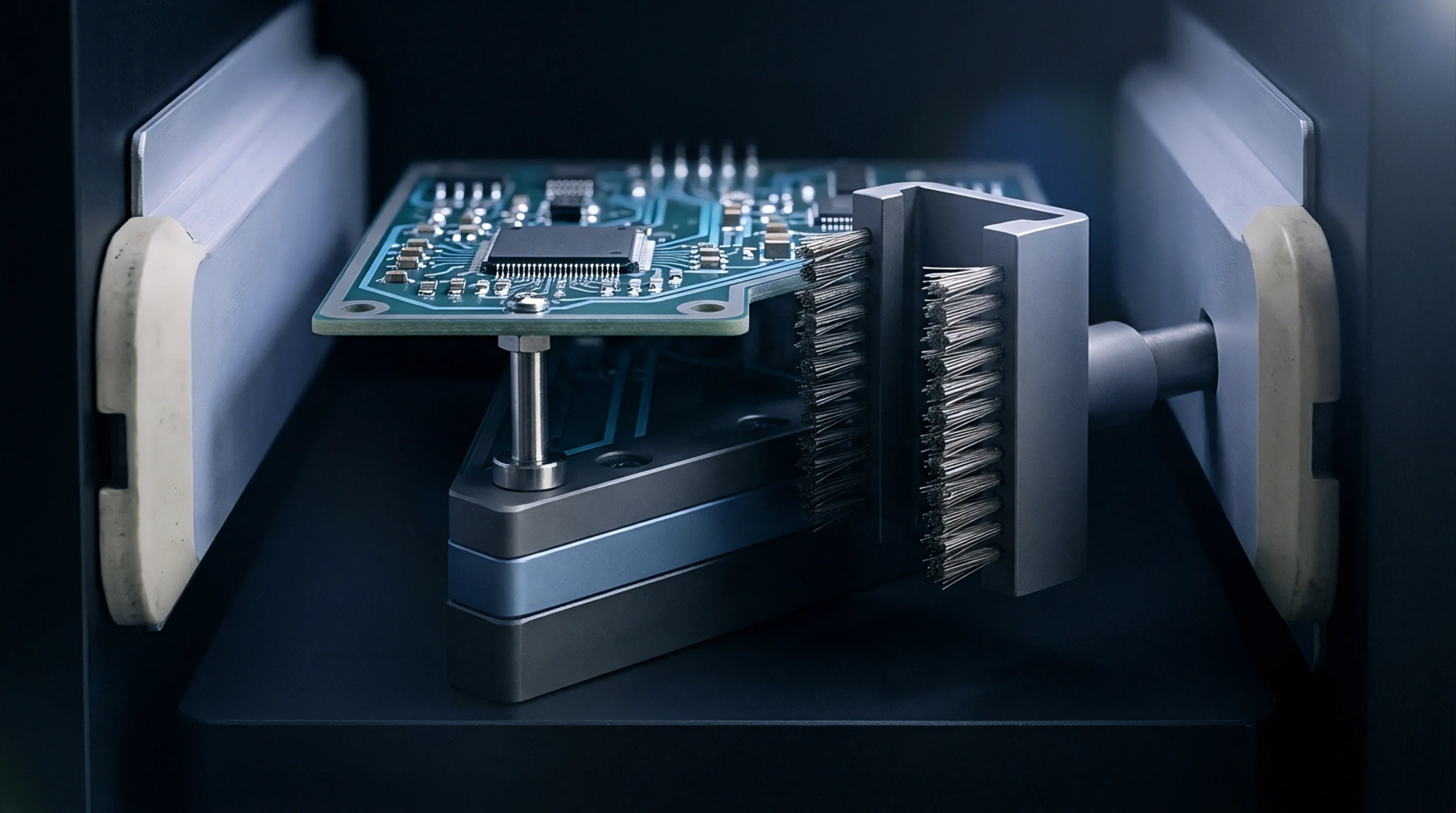
Microvoid coalescence under thermal cyclic strain stems from creep-fatigue interaction at intermetallic layers, requiring EBSD and strain partitioning to prove.
Consigned material sourcing requires strict incoming package checks, chemical decapsulation, and clear contract risk allocation to prevent counterfeit escapes.
AS6081 analytical screening prevents gray-market component defects from causing SMT downtime and joint failures through targeted non-destructive and laboratory tests.

Electroformed stencil transfer efficiency drops under high speed printing due to binder separation and wall compaction, requiring optimized wipe cycles.
Matching reflow soak durations to flux solvent evaporation rates eliminates sub-component pressure spikes and drops QFN thermal pad voiding below ten percent.

Minimizing ICT solder joint fatigue requires triaxial strain gauge profiling below 500 microstrain at actuation speeds under 1,000 microstrain per second.

Minimizing assembly thermal gradients demands balanced board copper, tuned oven convection, and zoned soak profiles to shrink array temperature differentials.
Thermogravimetric derivative mass loss peaks above liquidus reveal trapped volatile kinetics causing large area die voiding during reflow.

DSC solvent evaporation endotherms set strict SMT preheat soak limits to clear high-boiling flux carriers before alloy reflow prevents joint voiding.
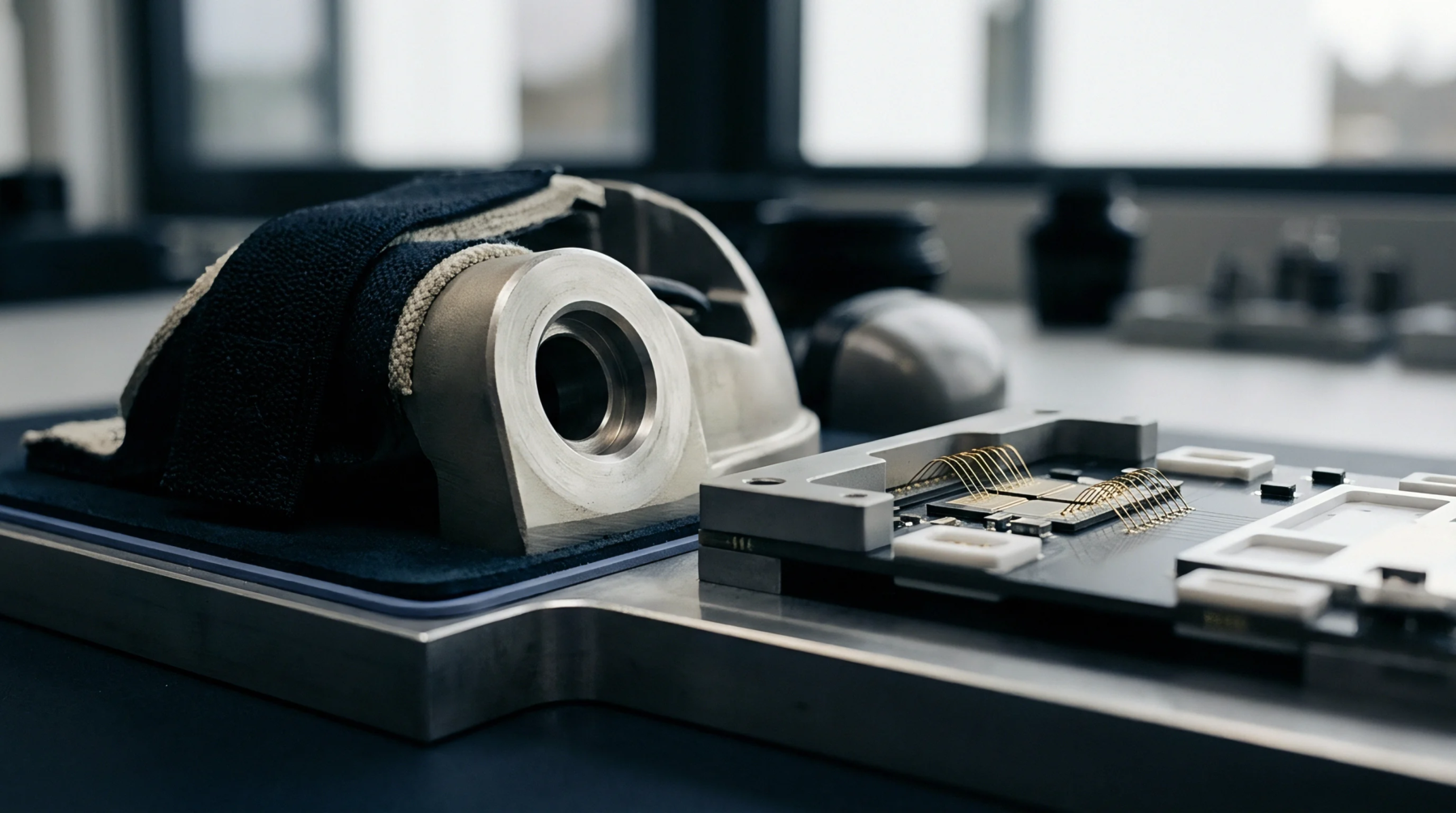
Secondary heat exposure accelerates intermetallic growth, causes void coalescence, and degrades solder joint mechanical strength across multiple reflow passes.

Strain energy damage modeling accurately predicts lead-free solder joint fatigue under multi-pass thermal transients where linear creep models fail.
Correlate CT density gradients to microsections by locking segmentation thresholds to the lowest radial slice fill percentage measured on baseline coupons.
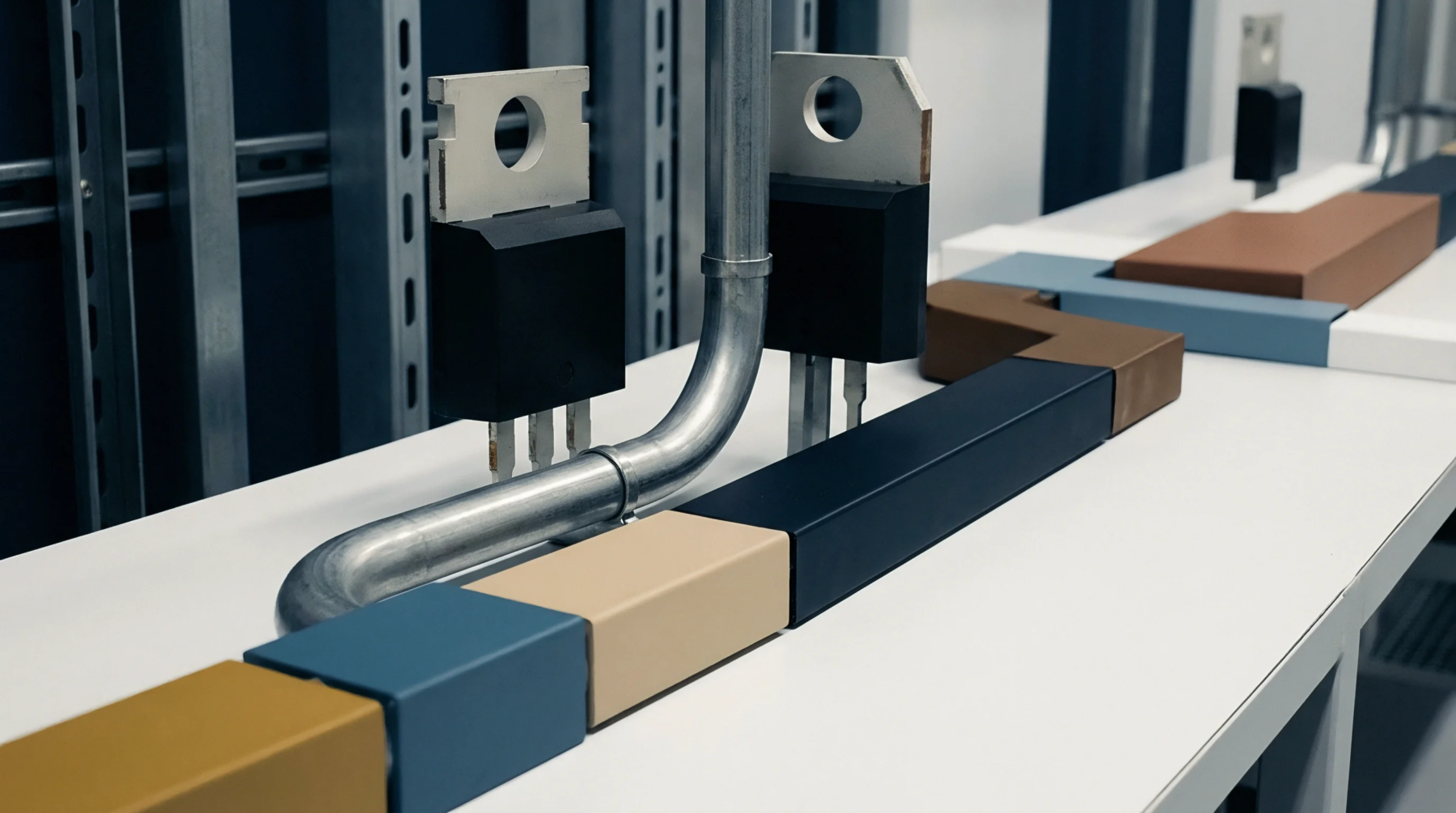
Nitrogen inerting below 100 ppm O2 lowers surface tension and prevents dross, enabling 100% IPC Class 3 barrel fill on heavy copper power boards.
Expertise is a utility, not a secret. sentiention™ publishes its working knowledge as open reference: intelligence layer covering the materials it sources, the markets it enters, and the reference that serves both.