
Characterizing Intermetallic Compound Formation Rates in Micro-BGA Solder Interfaces
Micro-BGA intermetallic compound formation depends on peak reflow energy and thermal aging, where excessive layer thickness causes brittle interfacial failure.
Micro-BGA intermetallic compound formation depends on peak reflow energy and thermal aging, where excessive layer thickness causes brittle interfacial failure.

Profiling variable weight copper stackups requires extended soak dwell and high gas velocity to equalize thermal delta across light pads and heavy ground planes.
Optimized lead-free reflow profiling requires thermal deltas under eight degrees, controlled time above liquidus, and precise paste transfer efficiency.
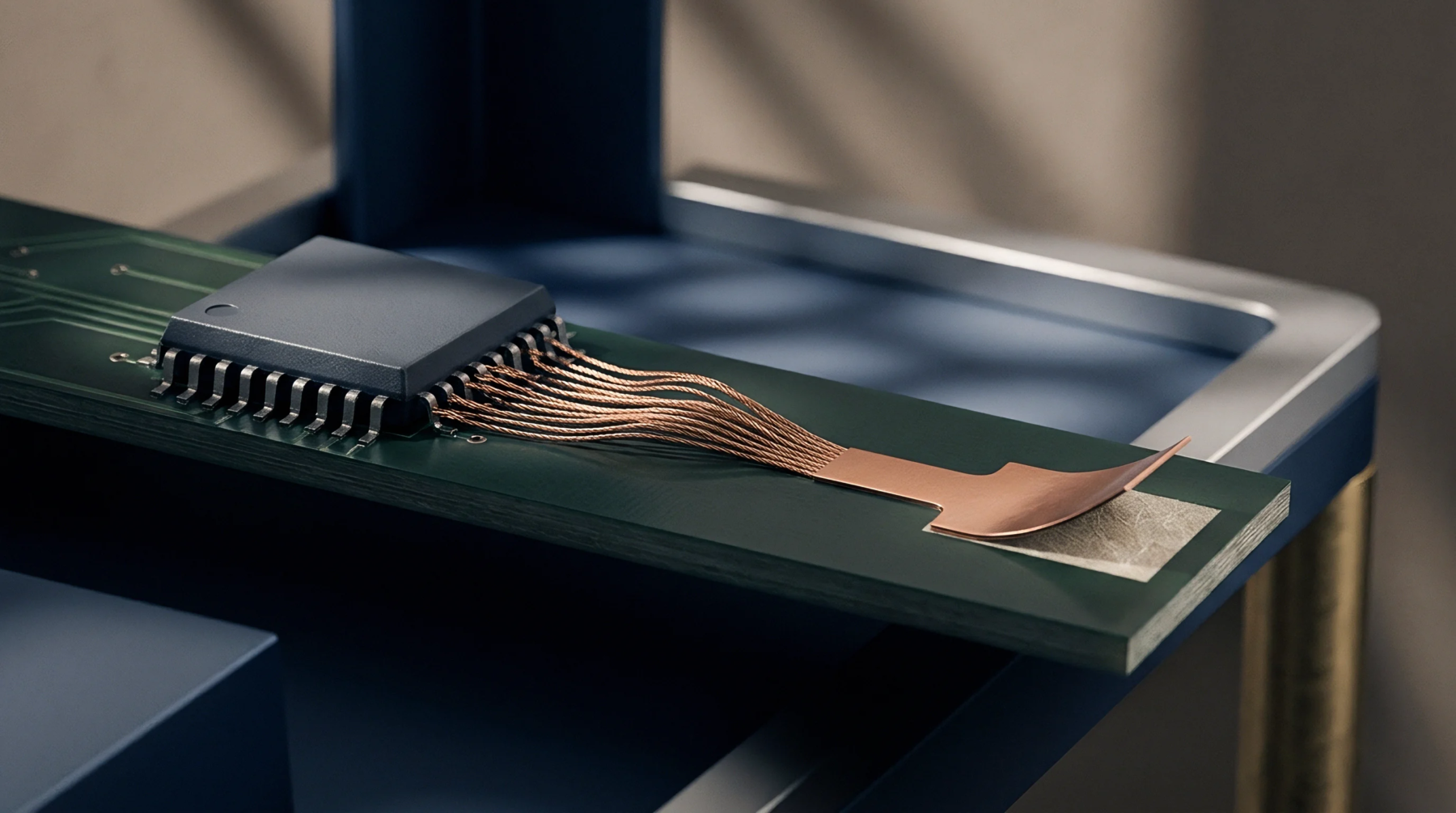
Reducing thermal gradients across multi-layer assemblies requires balancing inner copper mass, profiling zone dwell times, and applying rigid carrier support.
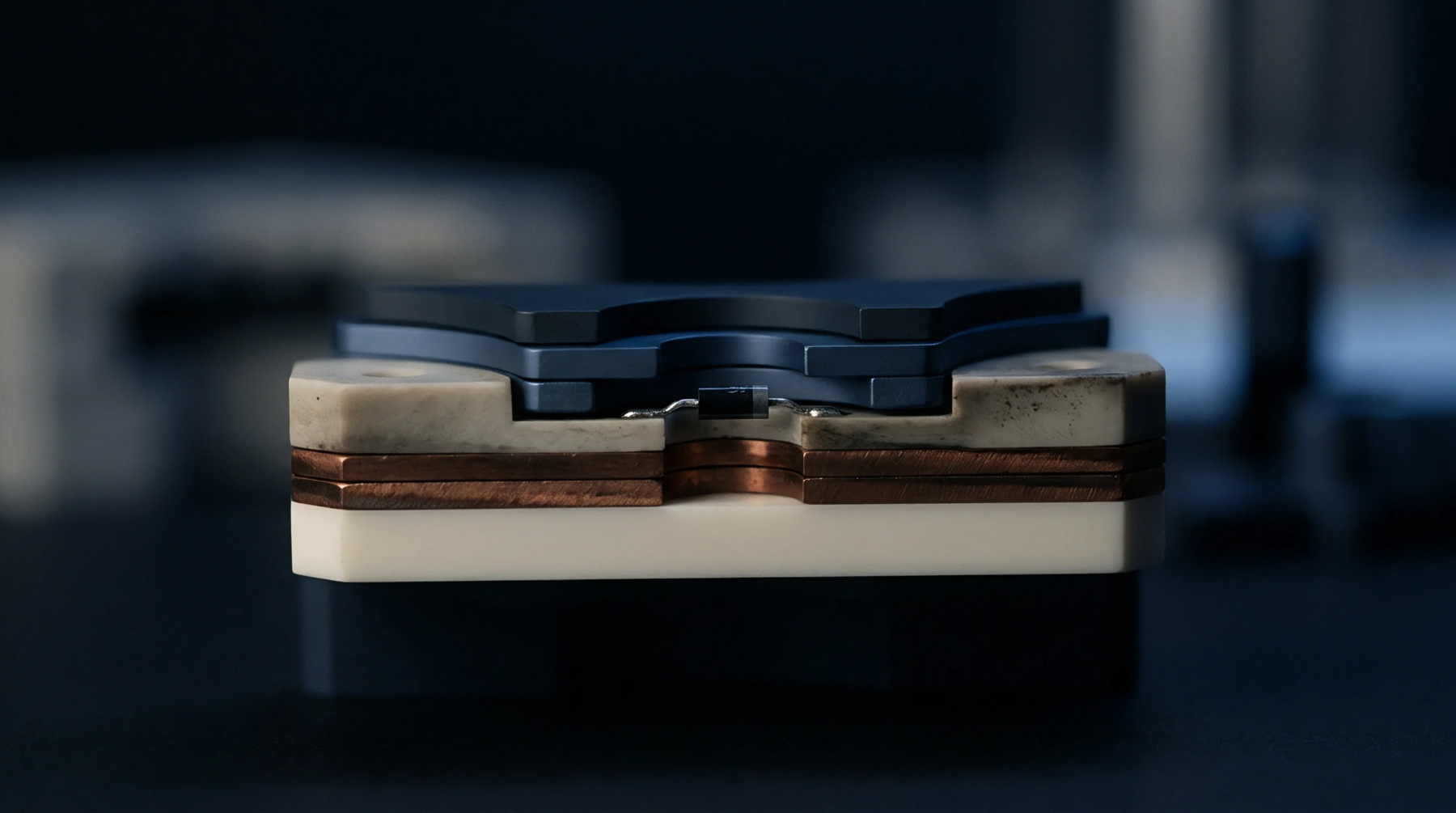
Optimize SAC305 reflow profiles between 235-248°C with 45-75s TAL and 3-5°C/s cooling to limit interfacial intermetallic growth and prevent brittle joint failure.
Dynamic multi-stage line balancing synchronizes SMT placement rates, stencil paste volume, and reflow profile margins across mixed component geometries.
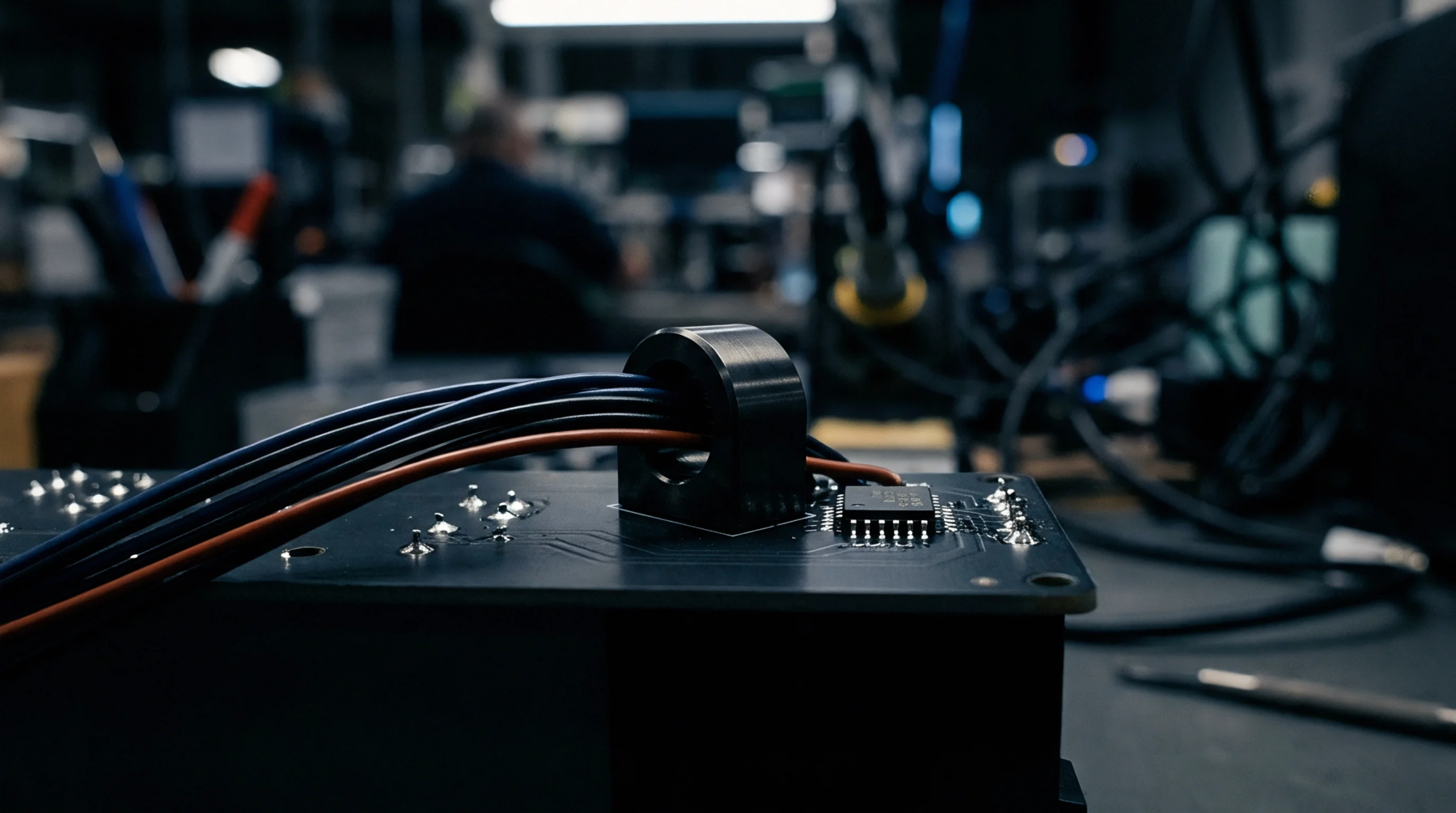
Intermetallic growth control and thermal profile validation prevent latent BGA fracture defects before boards leave the line.
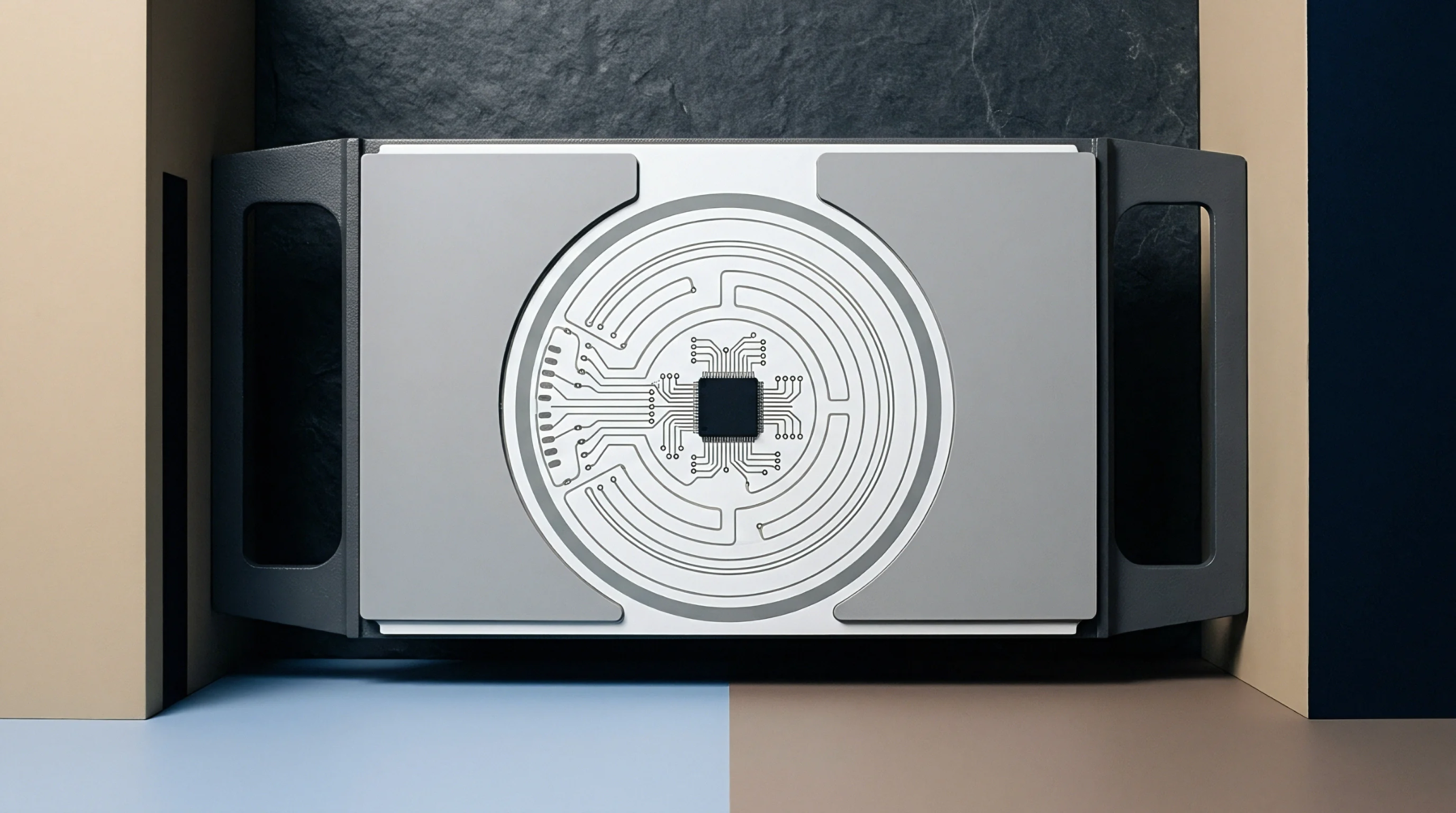
Thermal defect attribution in mixed consigned assembly requires combining profile logs, 3D X-ray data, and MSL handling records to split material and process liability.
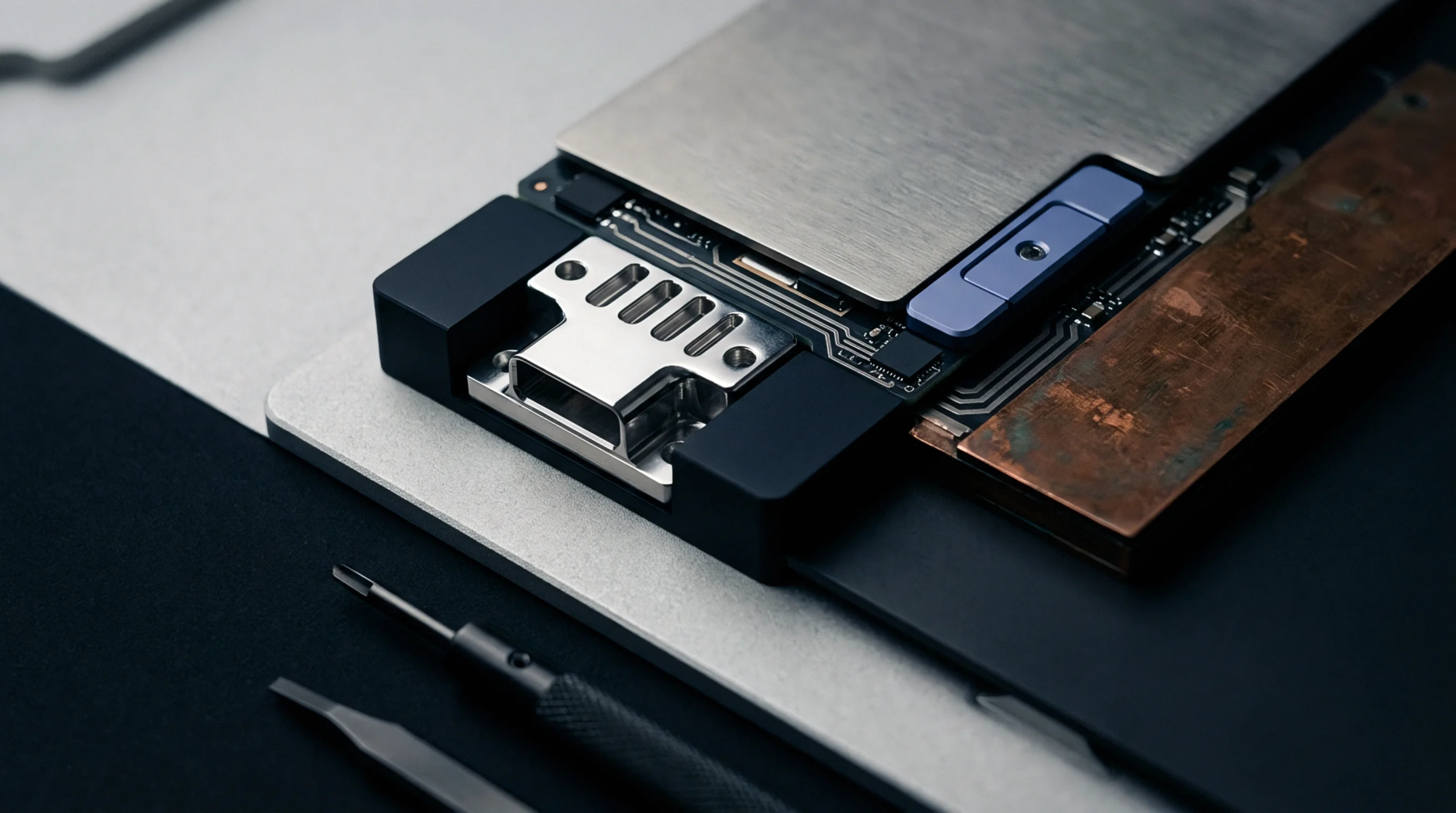
Quantifying boundary layer collapse around high mass PCB features prevents thermal shadow defects through profile adjustments and targeted gas flow management.
Expertise is a utility, not a secret. sentiention™ publishes its working knowledge as open reference: intelligence layer covering the materials it sources, the markets it enters, and the reference that serves both.