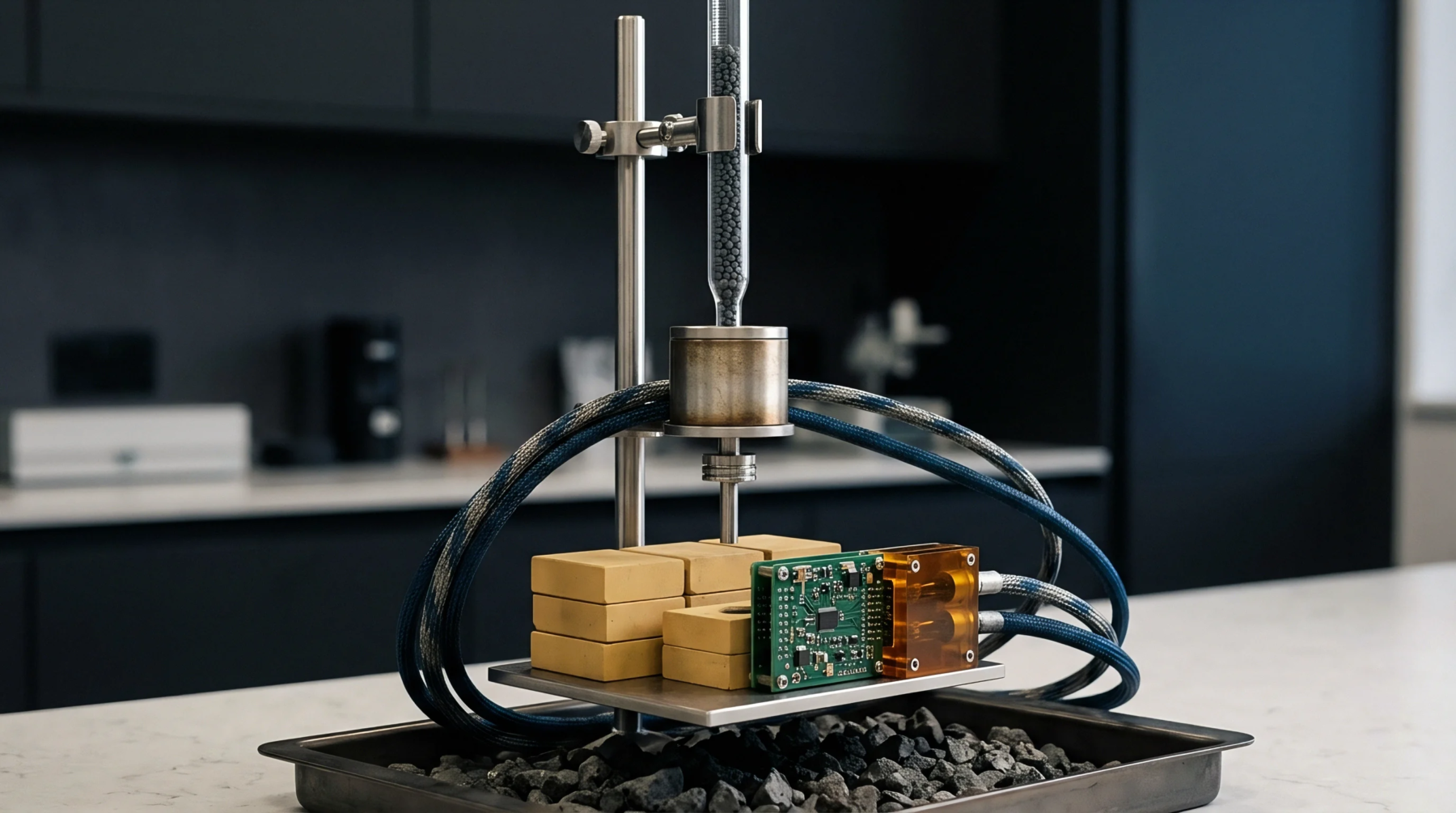
Sub-Atmospheric Reflow Mechanics for Bottom-Terminated Component Soldering
Sub-atmospheric reflow reduces BTC thermal pad voiding below five percent by expanding and extracting entrapped flux gases during the molten liquidus phase.
Sub-atmospheric reflow reduces BTC thermal pad voiding below five percent by expanding and extracting entrapped flux gases during the molten liquidus phase.
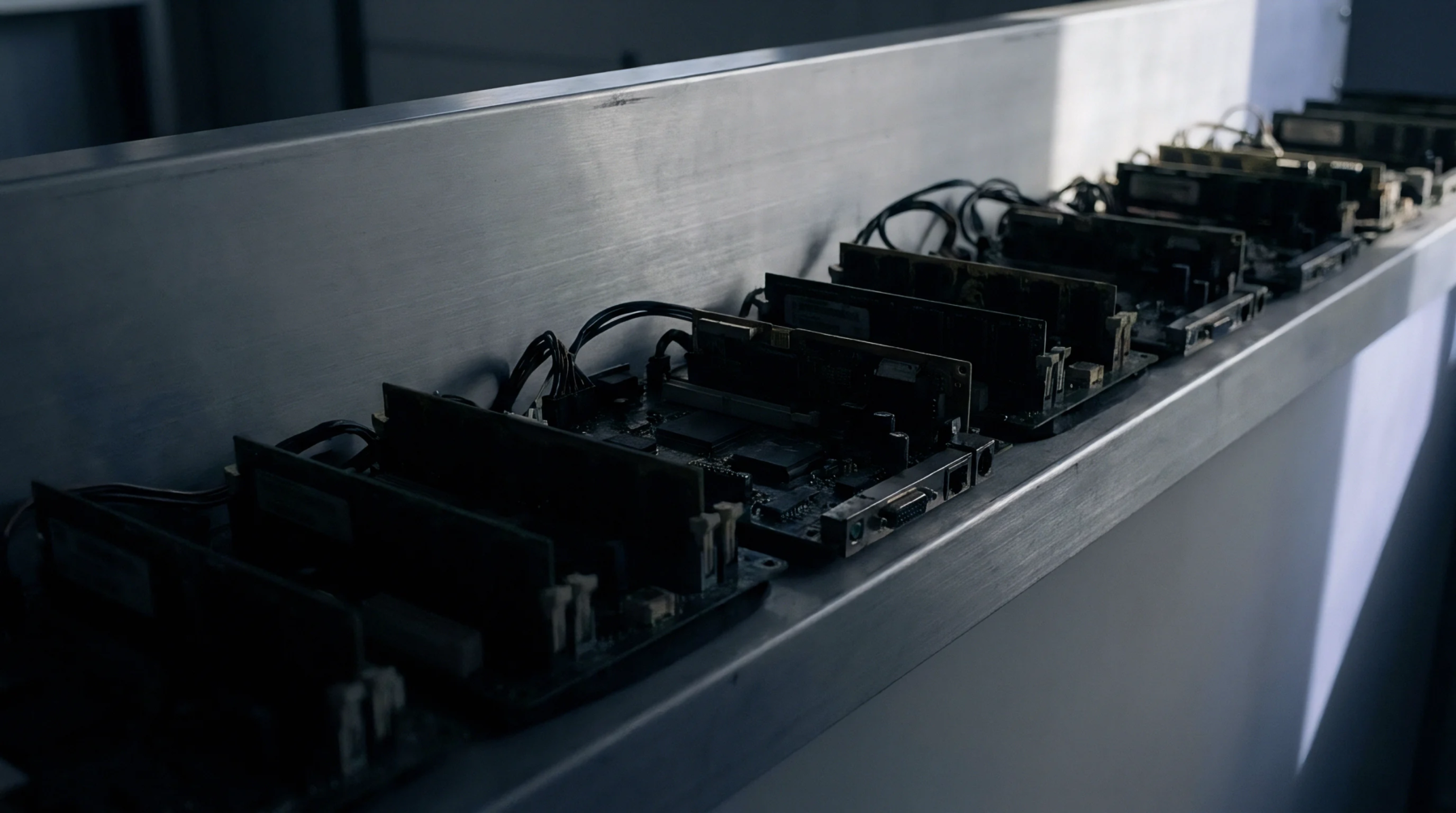
Effective laminography voxel resolution across heavy copper requires balancing tube target blooming against algebraic filtering to resolve true joint defects.

Optimize heavy copper preheat by extending soak to 150-240 seconds at 150-200 °C with bottom-biased convection to keep delta T under 8 °C without exhausting flux.

Dynamic package collapse during reflow compresses joint clearance, elevating internal bubble retention pressure and trapping voids under thermal pads.

Subsurface power planes extract heat downward during reflow, creating thermal shadowing and premature freezing that traps flux volatiles as interfacial voids.
Gas phase reflow uses latent heat condensation to deliver uniform heating and zero temperature delta across heavy assemblies while vacuum stage lowers voiding.

DSC solvent evaporation endotherms set strict SMT preheat soak limits to clear high-boiling flux carriers before alloy reflow prevents joint voiding.

Sub-atmospheric pressure profiling reduces bottom-terminated component voiding below 5% by expanding and evacuating trapped flux gases during liquidus.

Optimized lead-free reflow profiling requires thermal deltas under eight degrees, controlled time above liquidus, and precise paste transfer efficiency.

Thermogravimetric solvent mass loss below half a percent prior to liquidus eliminates outgassing macro-voids under bottom-terminated components.
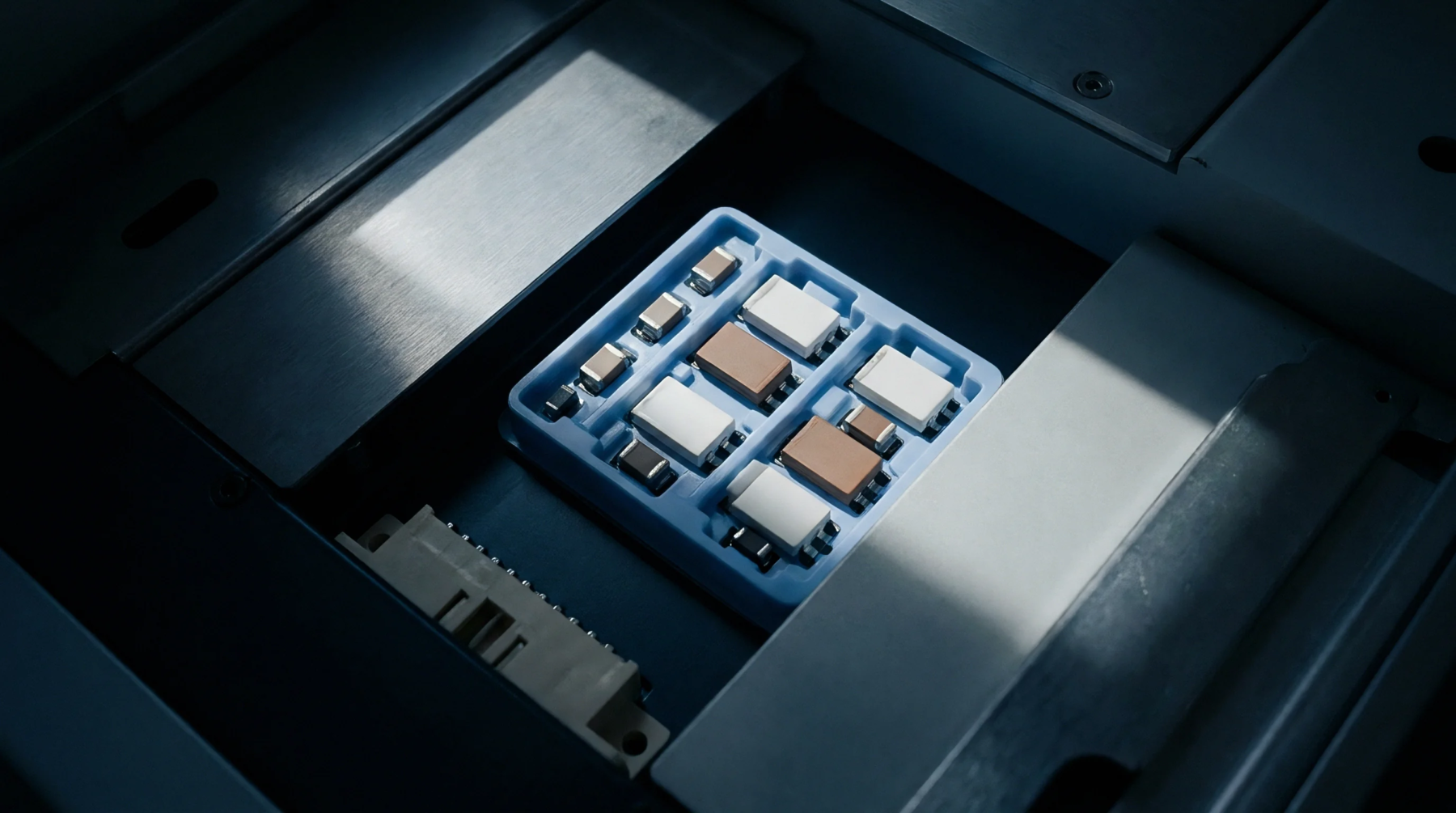
Optimizing solder paste rheology and stencil area ratios above 0.66 drives transfer efficiency stability and eliminates fine-pitch assembly defects.
Expertise is a utility, not a secret. sentiention™ publishes its working knowledge as open reference: intelligence layer covering the materials it sources, the markets it enters, and the reference that serves both.