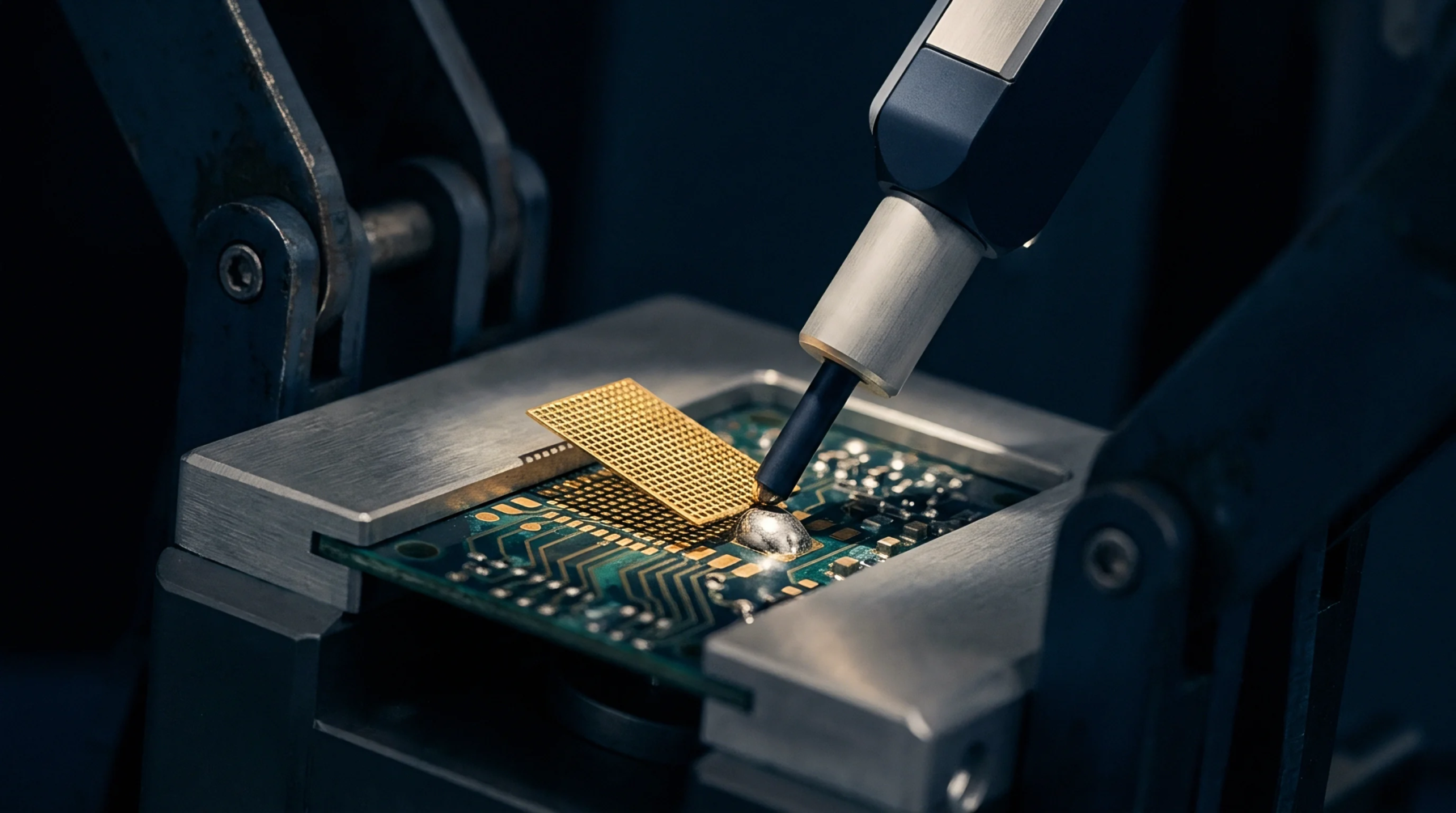
Optimizing Reflow Profiles for Solder Joint Quality
Optimizing reflow profiles requires balancing soak duration and cooling rates to minimize voiding, warpage, and brittle intermetallic growth.
Optimizing reflow profiles requires balancing soak duration and cooling rates to minimize voiding, warpage, and brittle intermetallic growth.
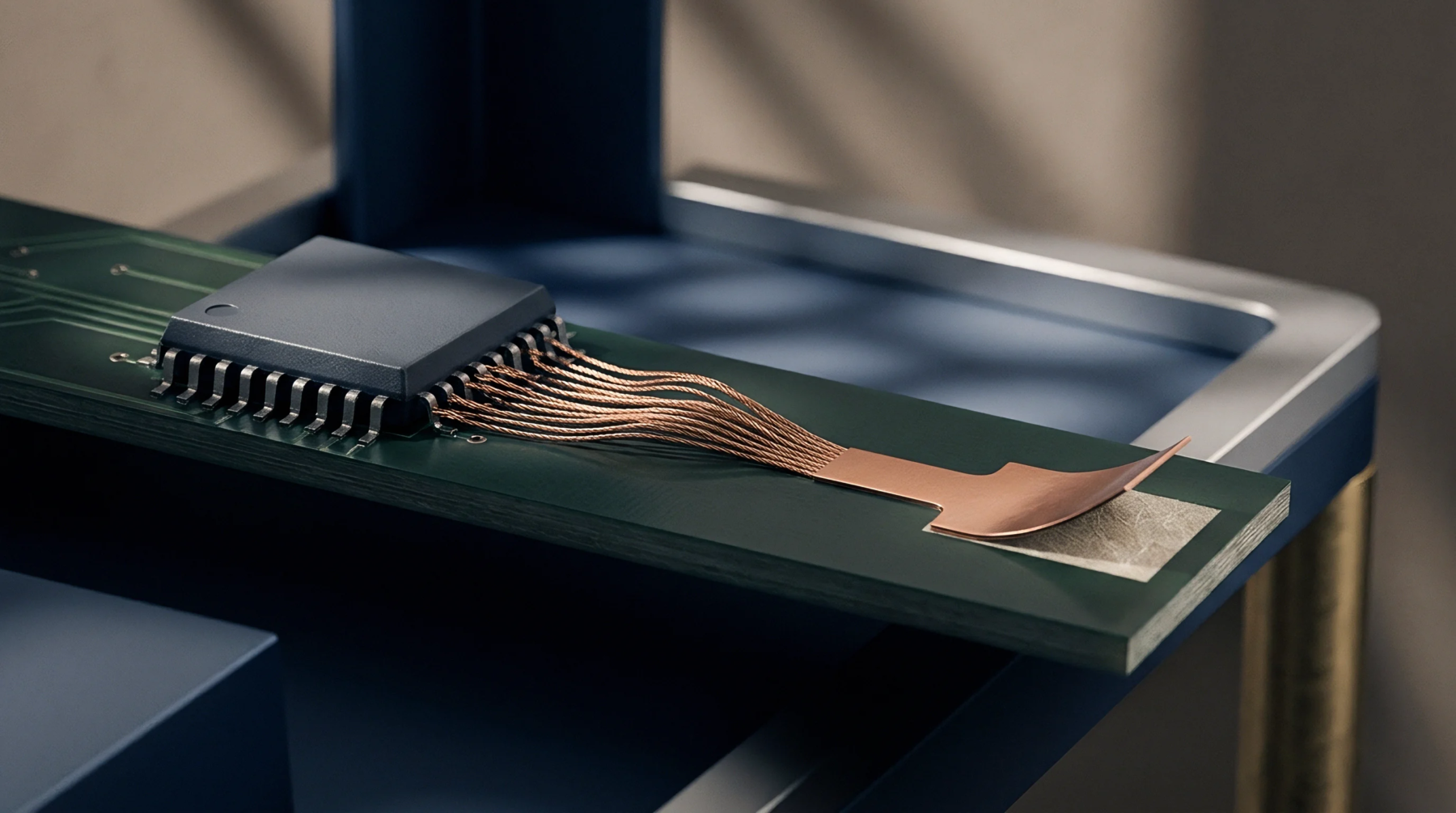
Optimizing boundary scan access for high-density interconnects replaces physical probes with silicon registers, maximizing fault coverage and lowering test cost.
Flying probe capacitance screening locates open nets rapidly, while four-wire Kelvin micro-ohm verification isolates hidden trace necking and micro-via cracks.
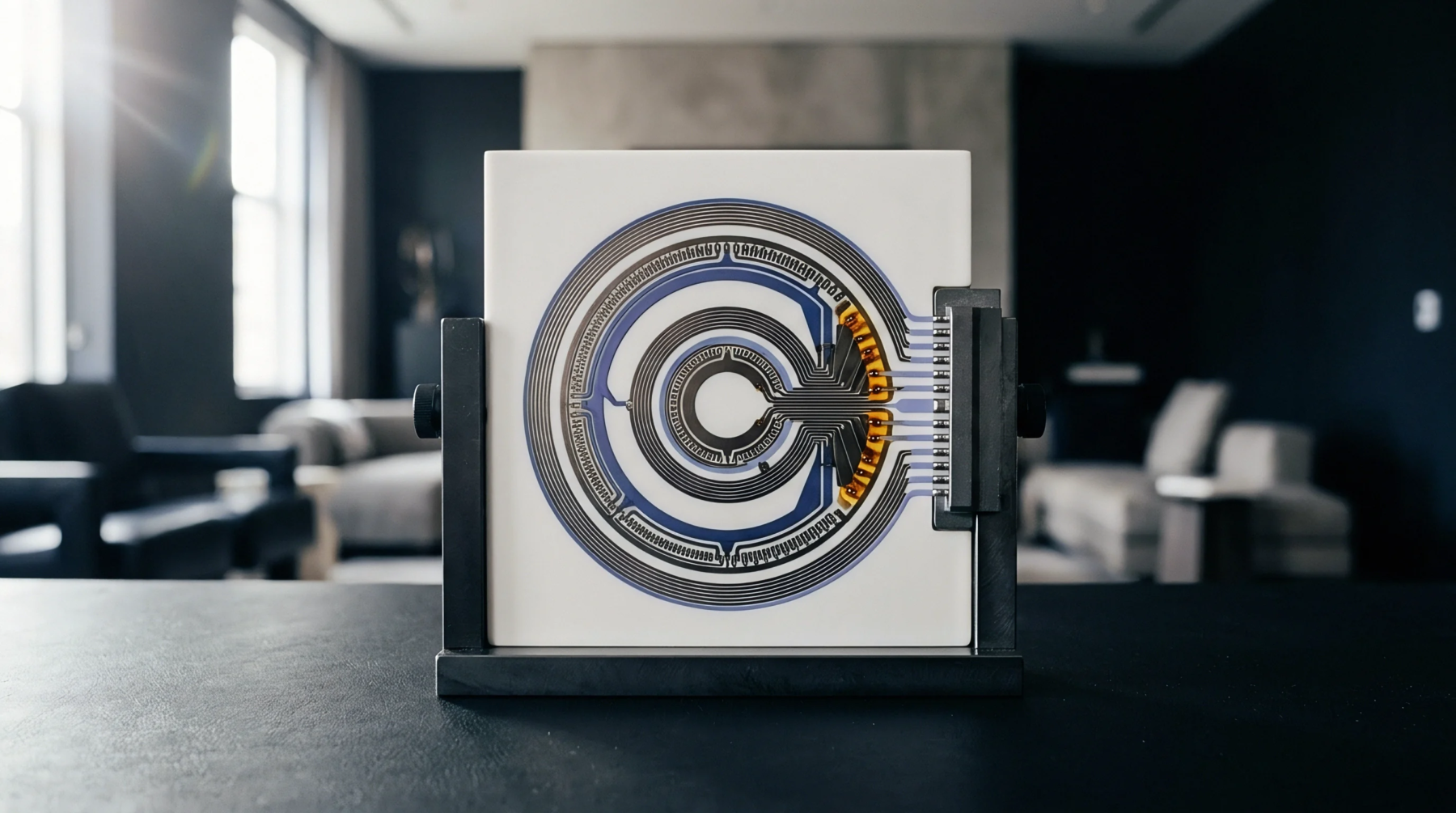
Combined boundary scan and bed-of-nails access modeling calculates structural escape rates to prevent latent defect exposure in field shipments.
Non-redundant aggregation of optical, X-ray, and boundary scan coverage metrics determines true defect escape risk on high-density circuit boards.
Derating tactical placement speed protects actual assembly yield by suppressing kinetic vibration, feeder mispicks, and reflow defects before scrap costs accumulate.
Unified PCOLA-SOPS deduplication calculates combined structural coverage through strict Boolean fault-class scoring rather than naive additive percentages.

Contractual recovery for intermittent SMT failures requires 3D SPI volume logs, dynamic thermal profiles, and certified SEM intermetallic microsections.
SMT liabilities partition through synchronized SPI, AOI and feeder logs, setting attrition caps by package size and billing overages above contract baselines.
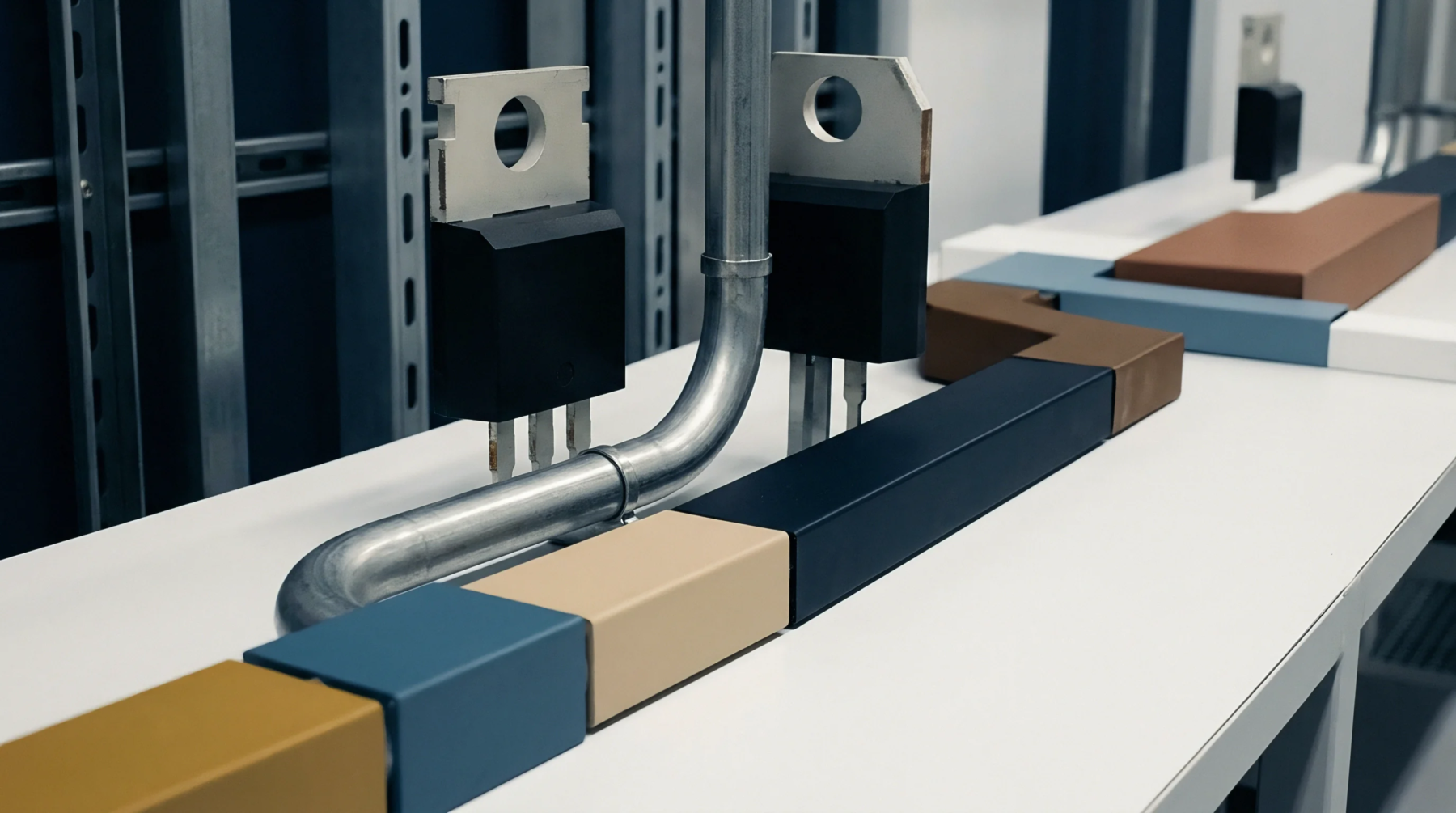
Unified test coverage requires de-duplicating shared fault opportunities across in-circuit probing and boundary scan using standardized PCOLA-SOQ metrics.

Solder paste deposit volumetrics directly dictate micro pitch SMT defect rates, requiring strict area ratio controls and 3D inspection limits to prevent bridging.
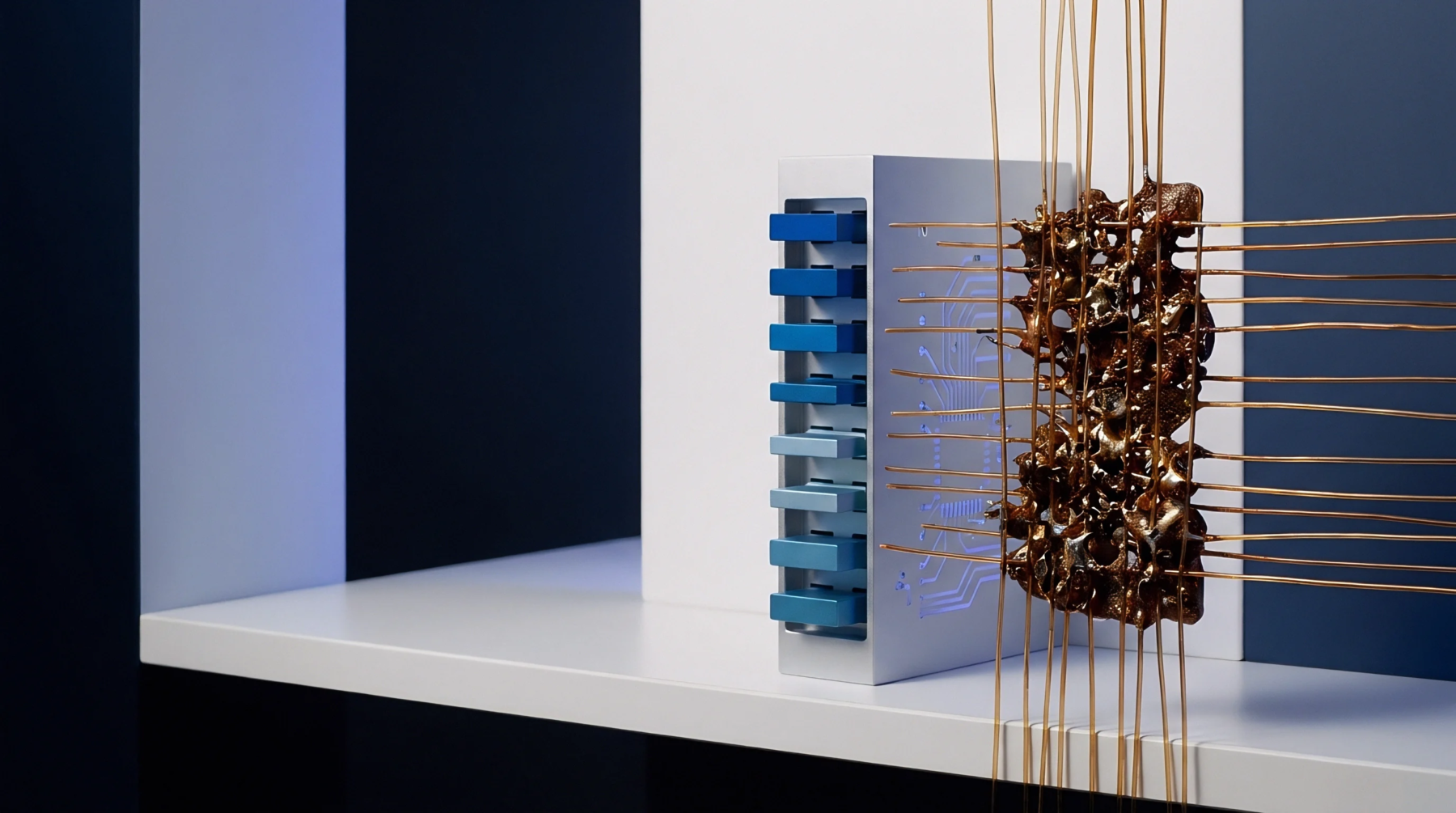
Isothermal solvent evaporation determination defines paste stencil life, rheological stability, and defect limits by tracking flux carrier loss over time.
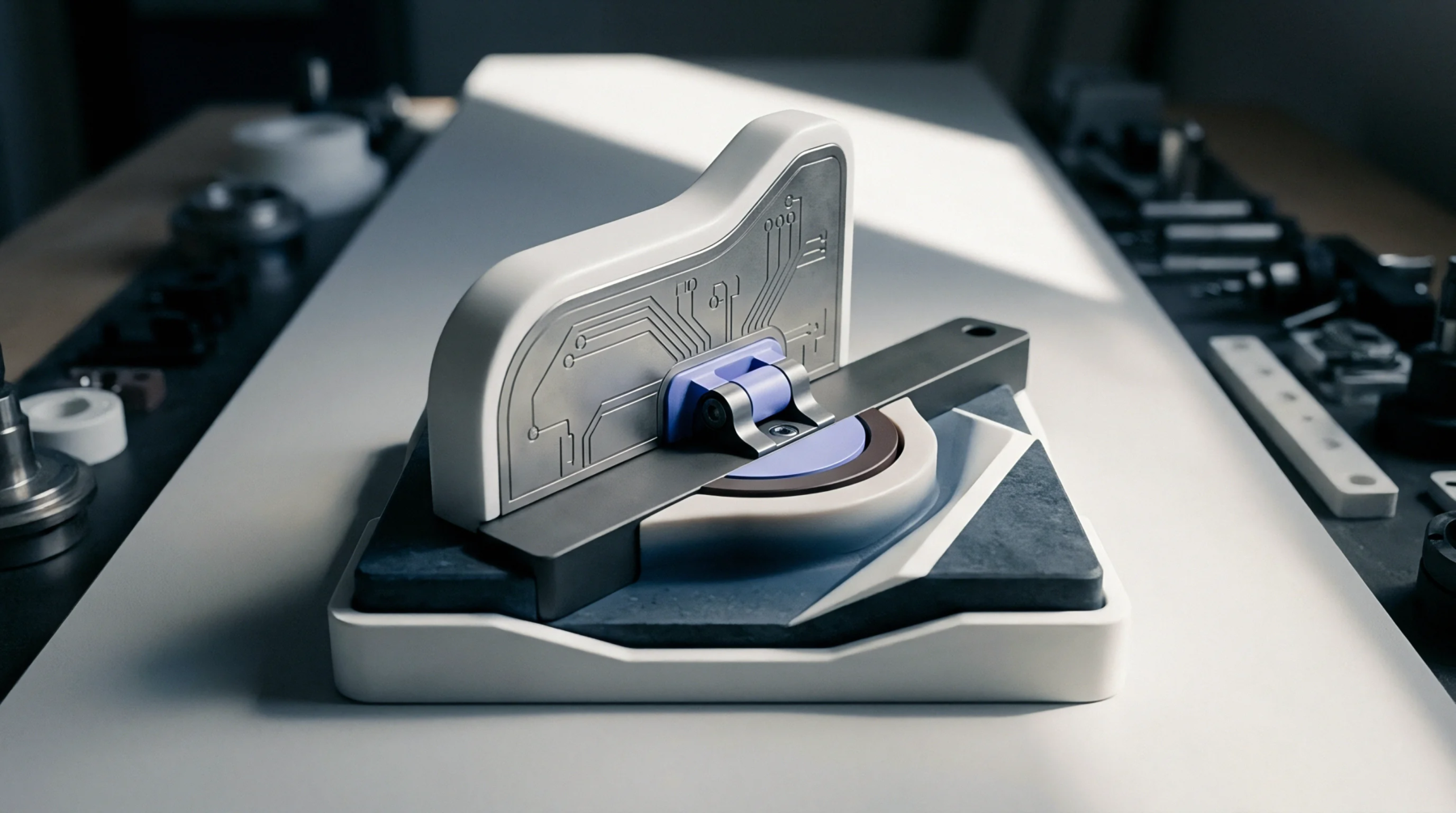
Matching reflow soak durations to flux solvent evaporation rates eliminates sub-component pressure spikes and drops QFN thermal pad voiding below ten percent.

Electroformed stencil transfer efficiency drops under high speed printing due to binder separation and wall compaction, requiring optimized wipe cycles.
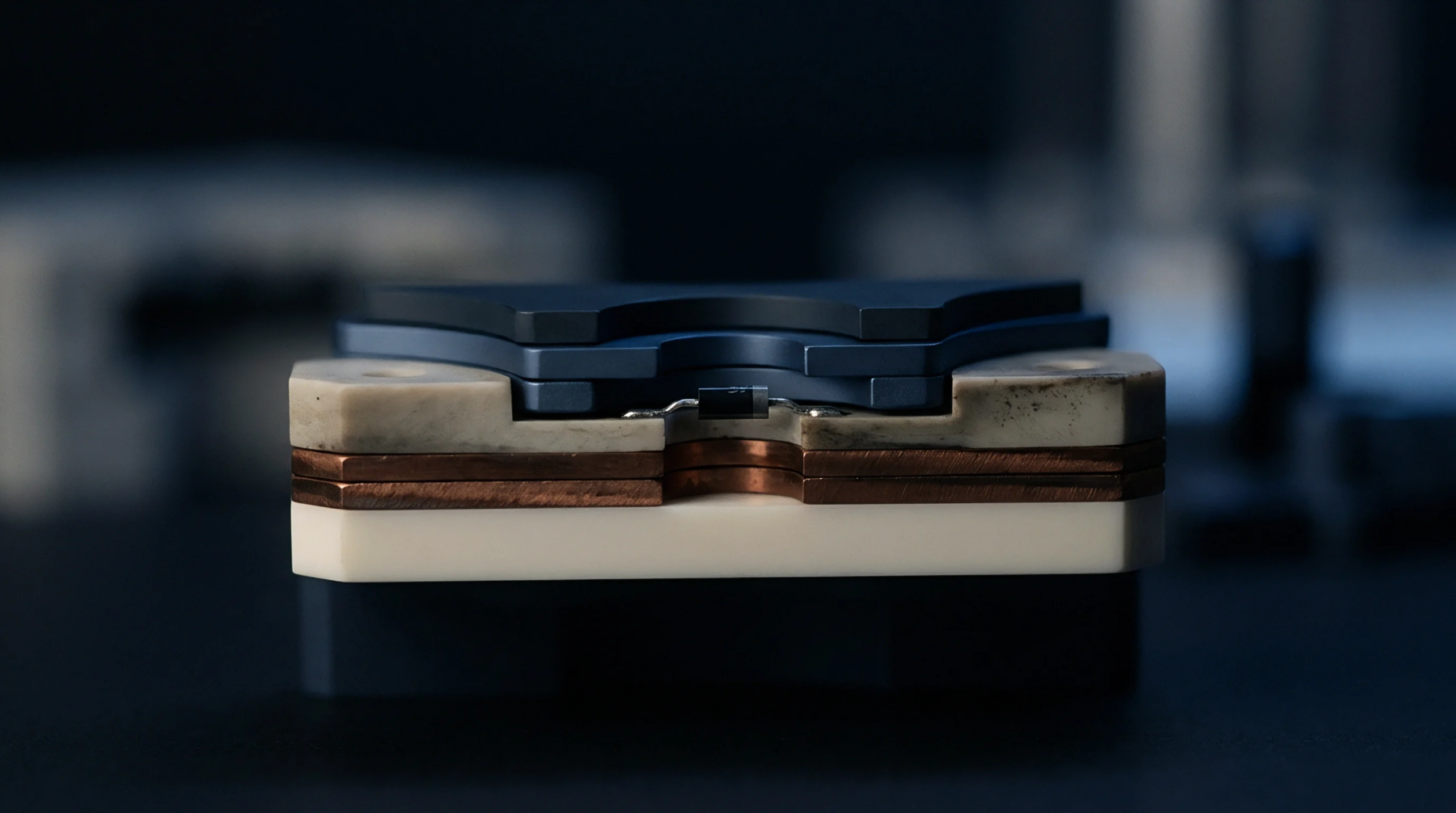
Micro-aperture solder paste transfer efficiency demands electroformed or nanocoated stencils, Type 5 powder, and strict 3D inspection controls below 0.55 area ratios.
Expertise is a utility, not a secret. sentiention™ publishes its working knowledge as open reference: intelligence layer covering the materials it sources, the markets it enters, and the reference that serves both.