
High Shear Squeeze Flow Analysis in Microvia Substrate Lamination
High shear squeeze flow during substrate lamination forces shear thinning in prepreg resin, enabling complete microvia cavity fill before gelation locks the network.
High shear squeeze flow during substrate lamination forces shear thinning in prepreg resin, enabling complete microvia cavity fill before gelation locks the network.
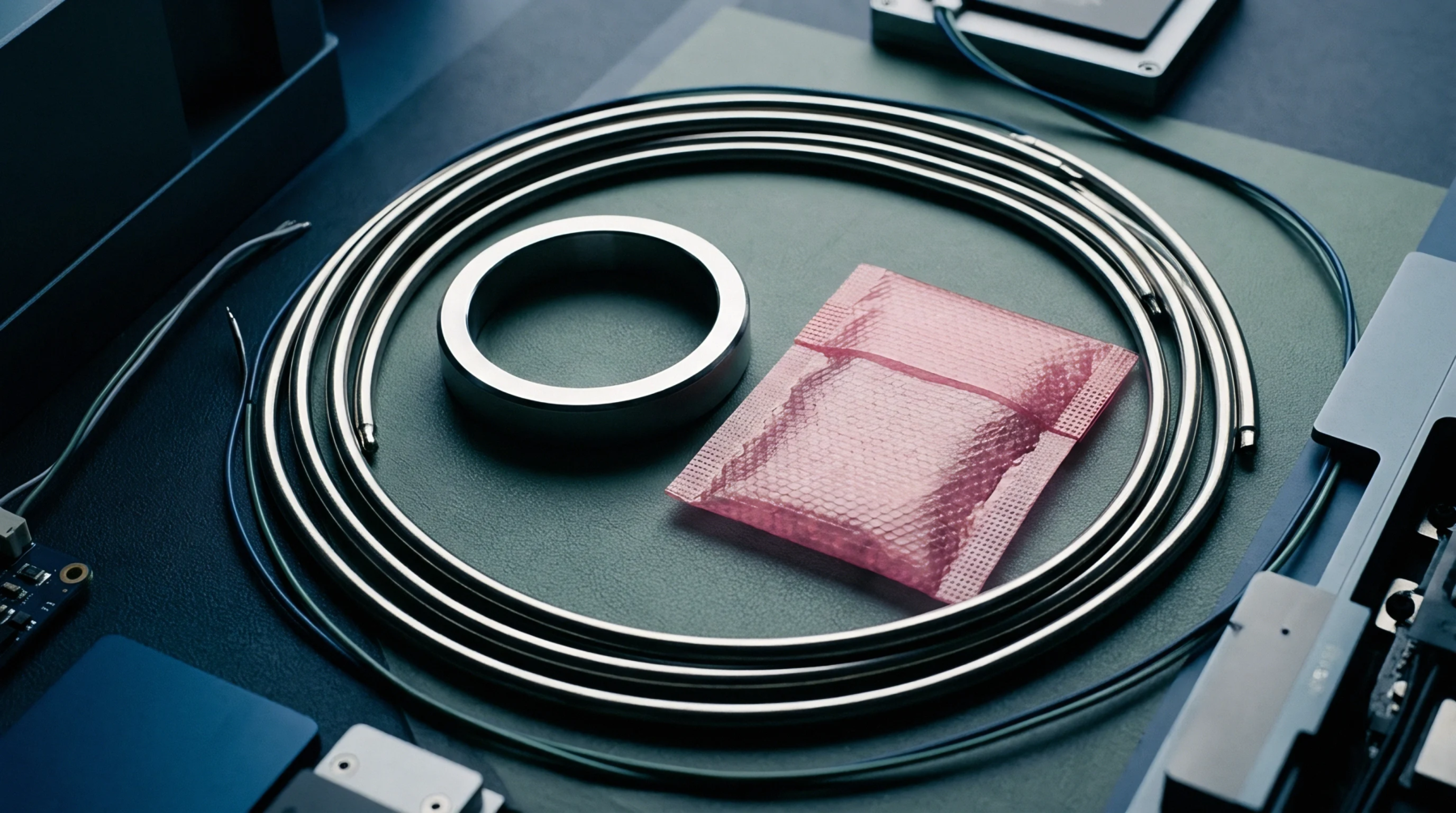
High aspect ratio blind vias require low Z-CTE filled laminates and pulse plating to prevent target pad separation during lead-free thermal cycling.
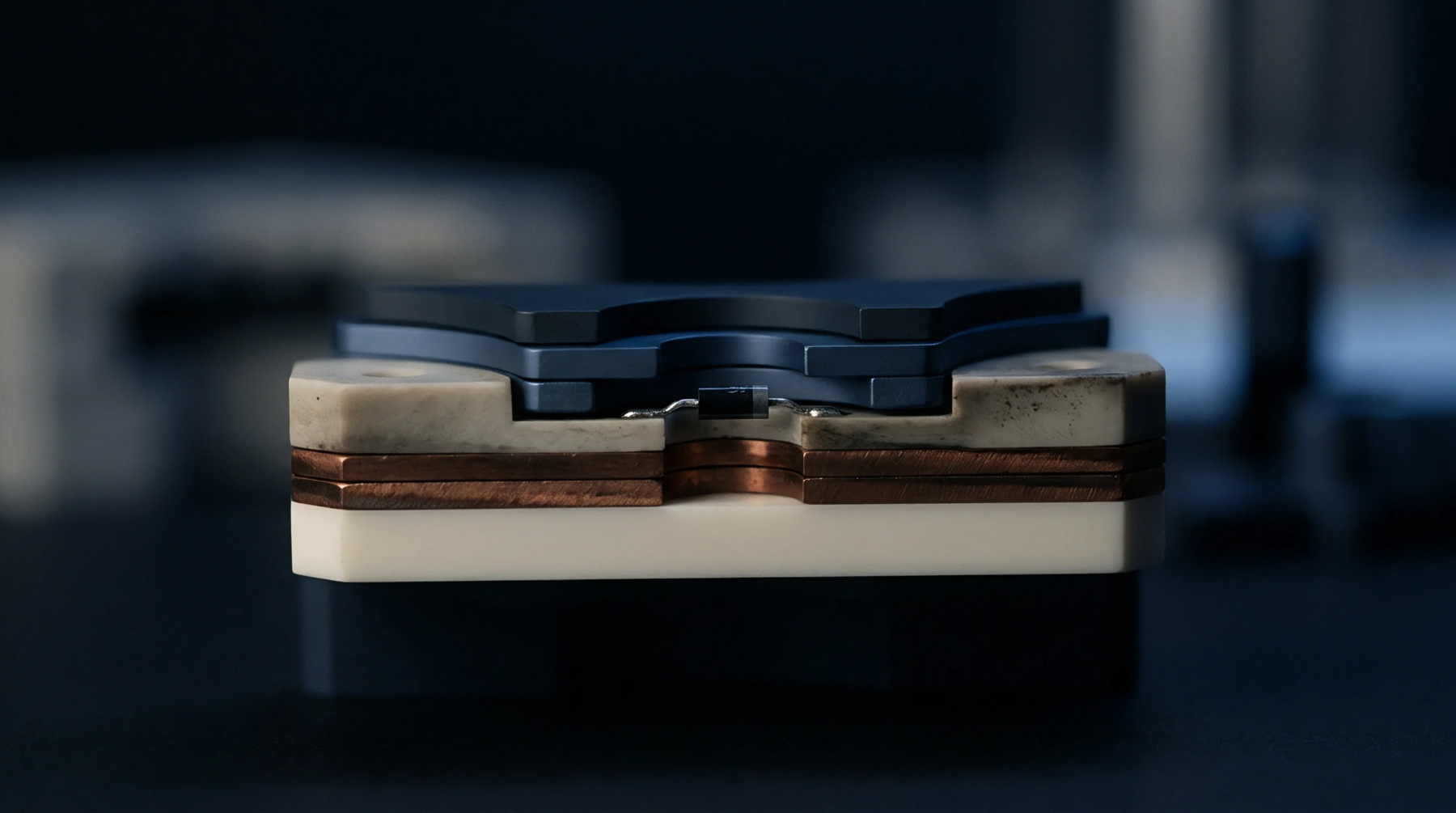
Micro-aperture solder paste transfer efficiency demands electroformed or nanocoated stencils, Type 5 powder, and strict 3D inspection controls below 0.55 area ratios.

Converting return rates to a warranty reserve requires multiplying test escape fractions by total landed failure costs and scaling across Weibull life curves.
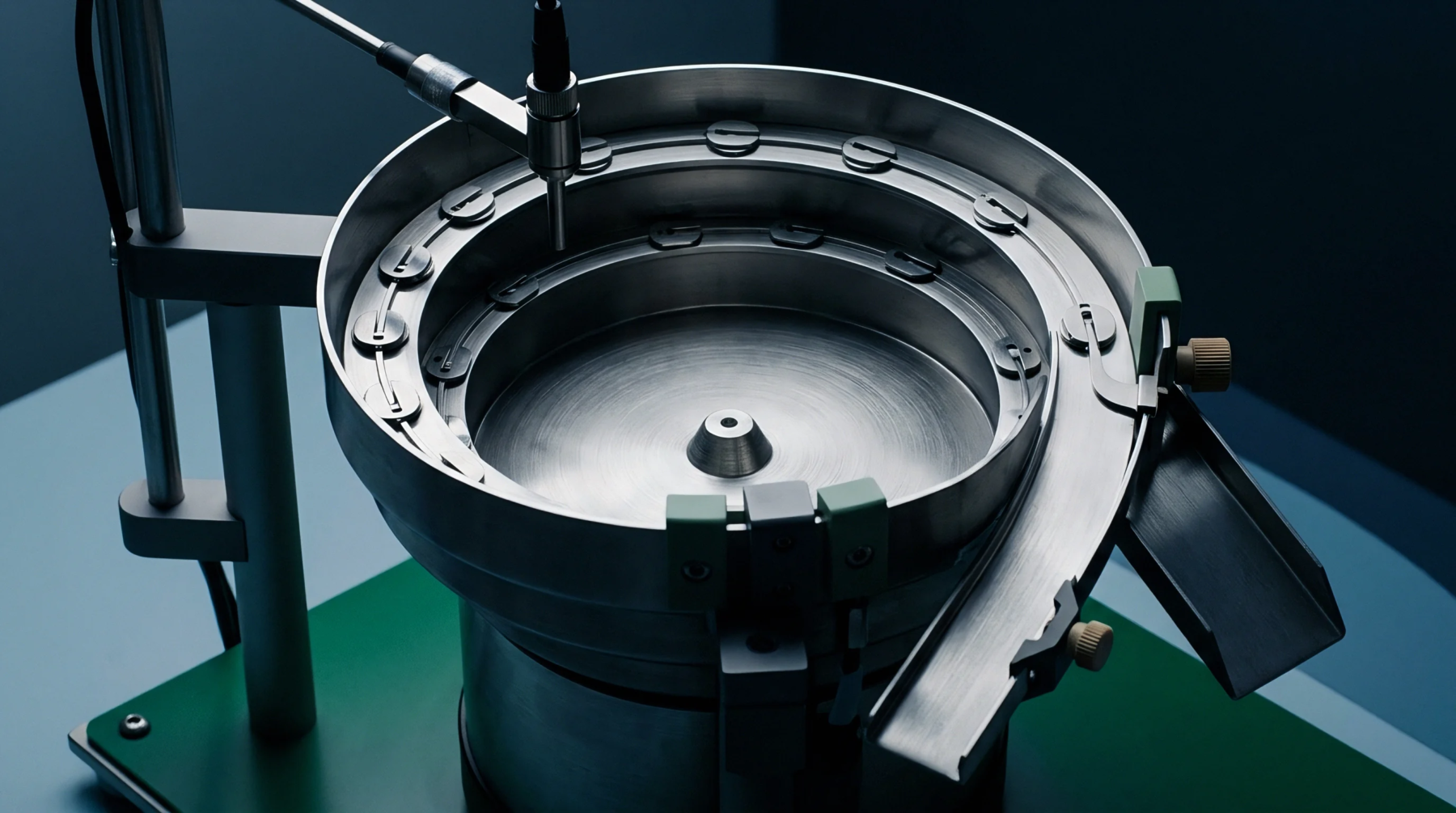
Evaluating laminate glass weave anisotropy requires specifying mechanically spread low-Dk glass styles and off-axis trace routing to eliminate spatial phase skew.

Standardizing low-Dk spread glass requires matching glass chemistry with mechanical yarn flattening to eliminate differential skew and fix impedance tolerances.
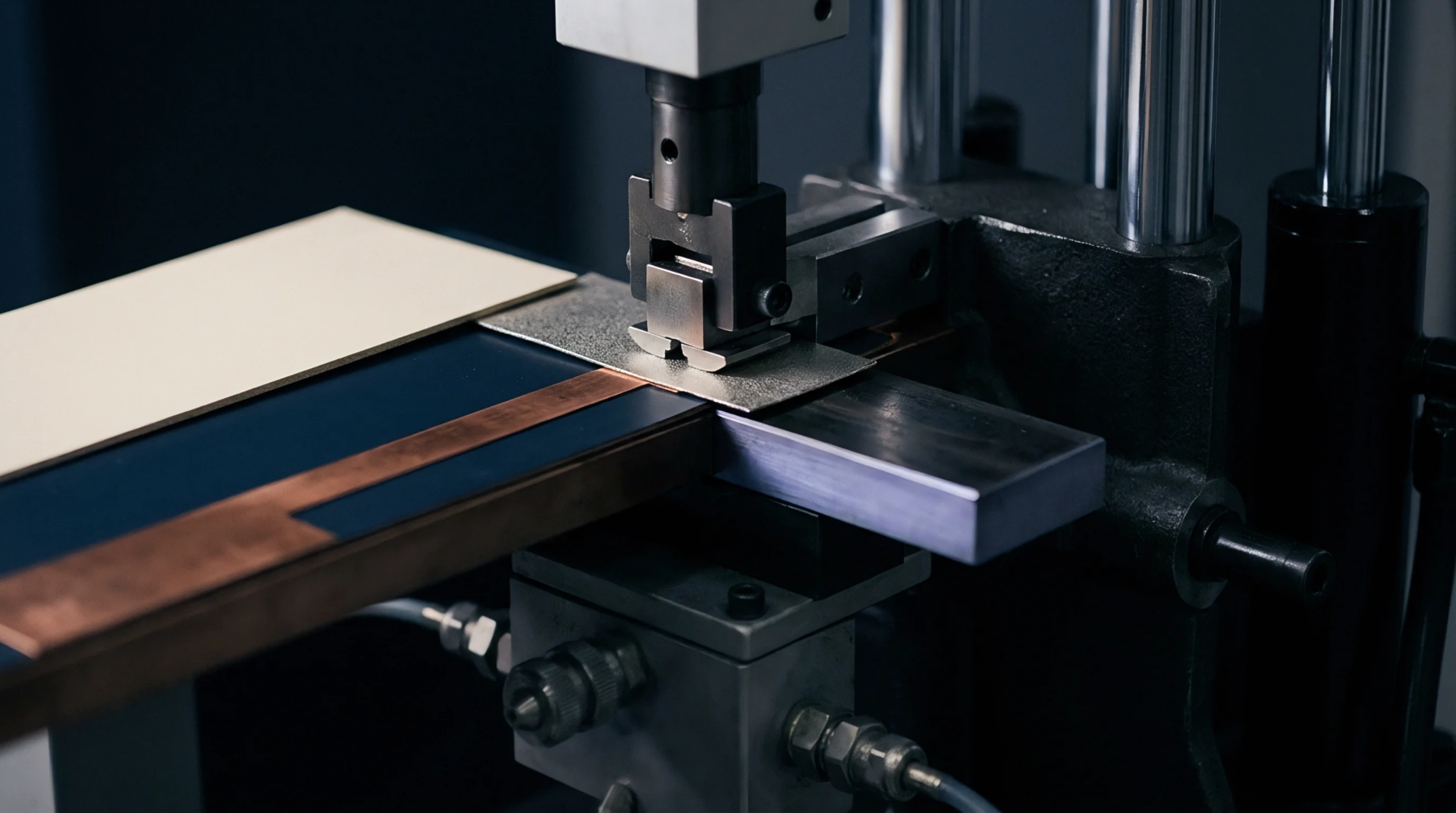
Integrating IEEE 1149.1 boundary scan with flying probe target vectors maximizes fault coverage on high-density PCBs while slashing test times and fixture costs.
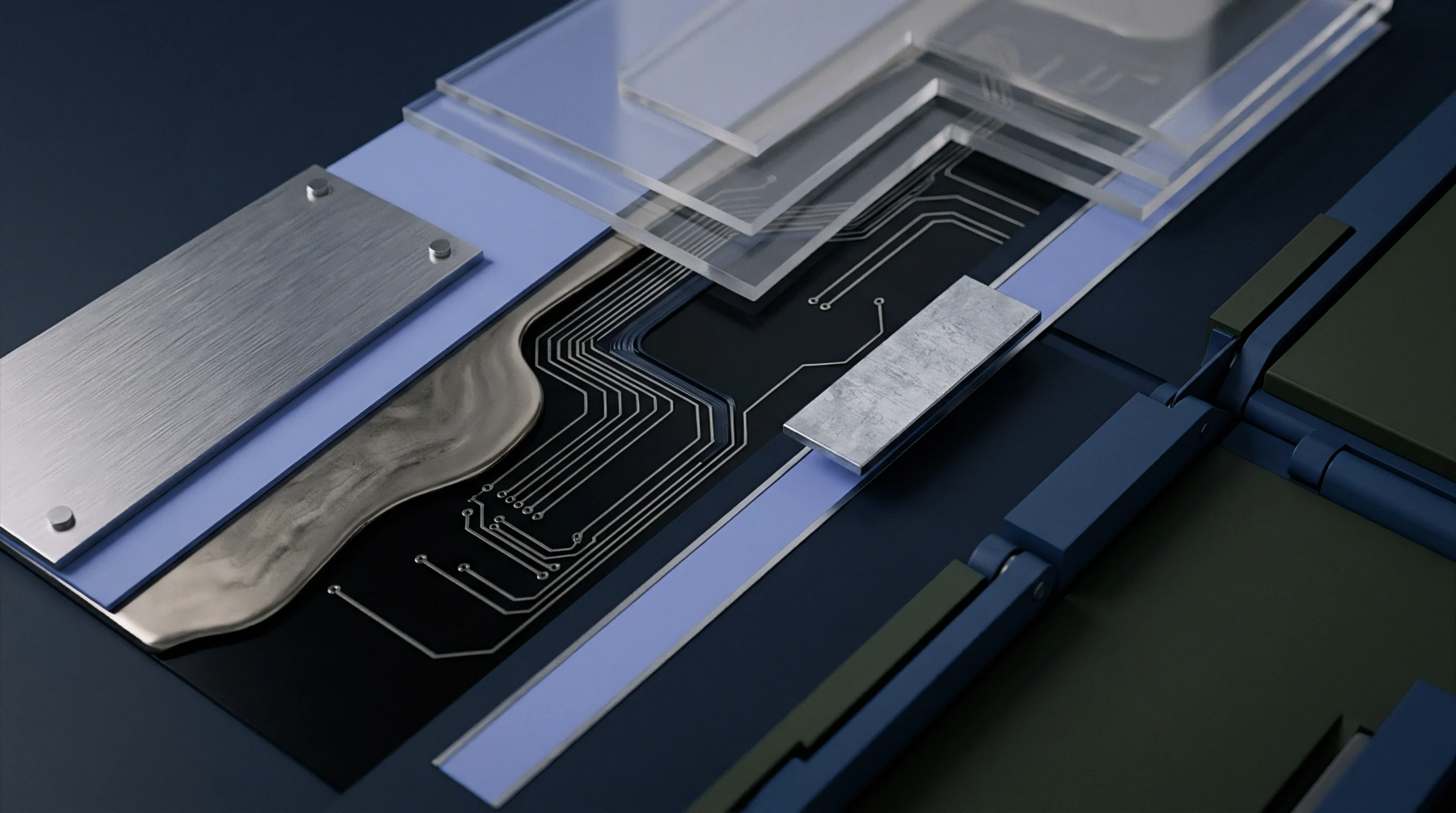
Shear forces during vacuum pressing shift heavy copper traces when resin flow velocity exceeds interfacial bond strength, requiring optimized aspect ratios.
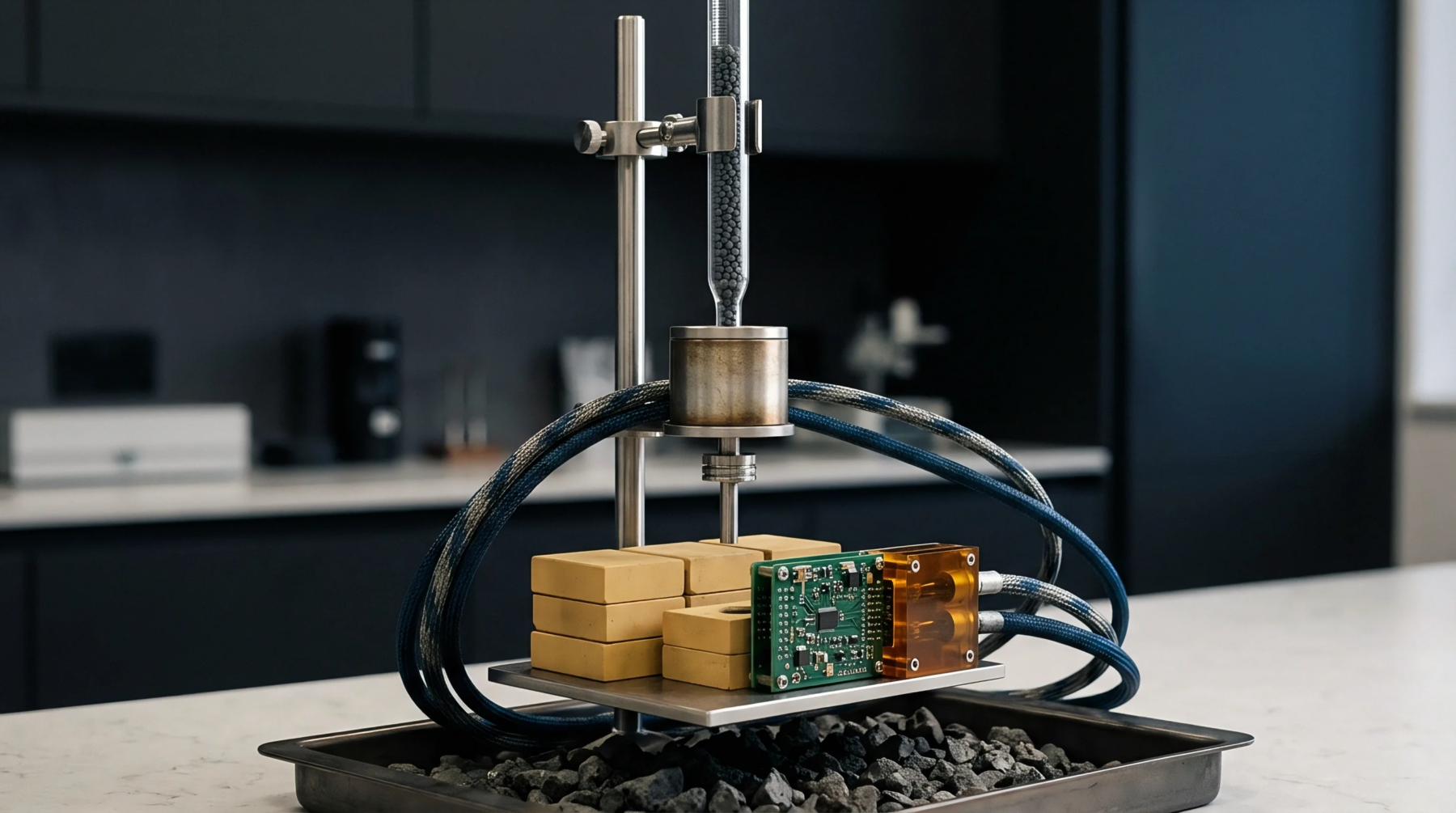
Unambiguous contract allocation caps assembly liability at process fees while tying thermal damage claims to independent coupon microsectioning evidence.
Expertise is a utility, not a secret. sentiention™ publishes its working knowledge as open reference: intelligence layer covering the materials it sources, the markets it enters, and the reference that serves both.