Signal Displacement
A temporal offset exists between two periodic waveforms of identical frequency within a high speed digital circuit. This phase delay identifies the time interval required for a specific point on the input waveform to reach the same relative position on the output waveform. Engineers calculate this value by dividing the observed angular displacement by the product of the signal frequency and two pi.
The measurement quantifies the latency inherent in passive components or propagation through long transmission lines. Accurate determination of this timing difference prevents sampling errors in synchronous logic architectures.
Impedance Interaction
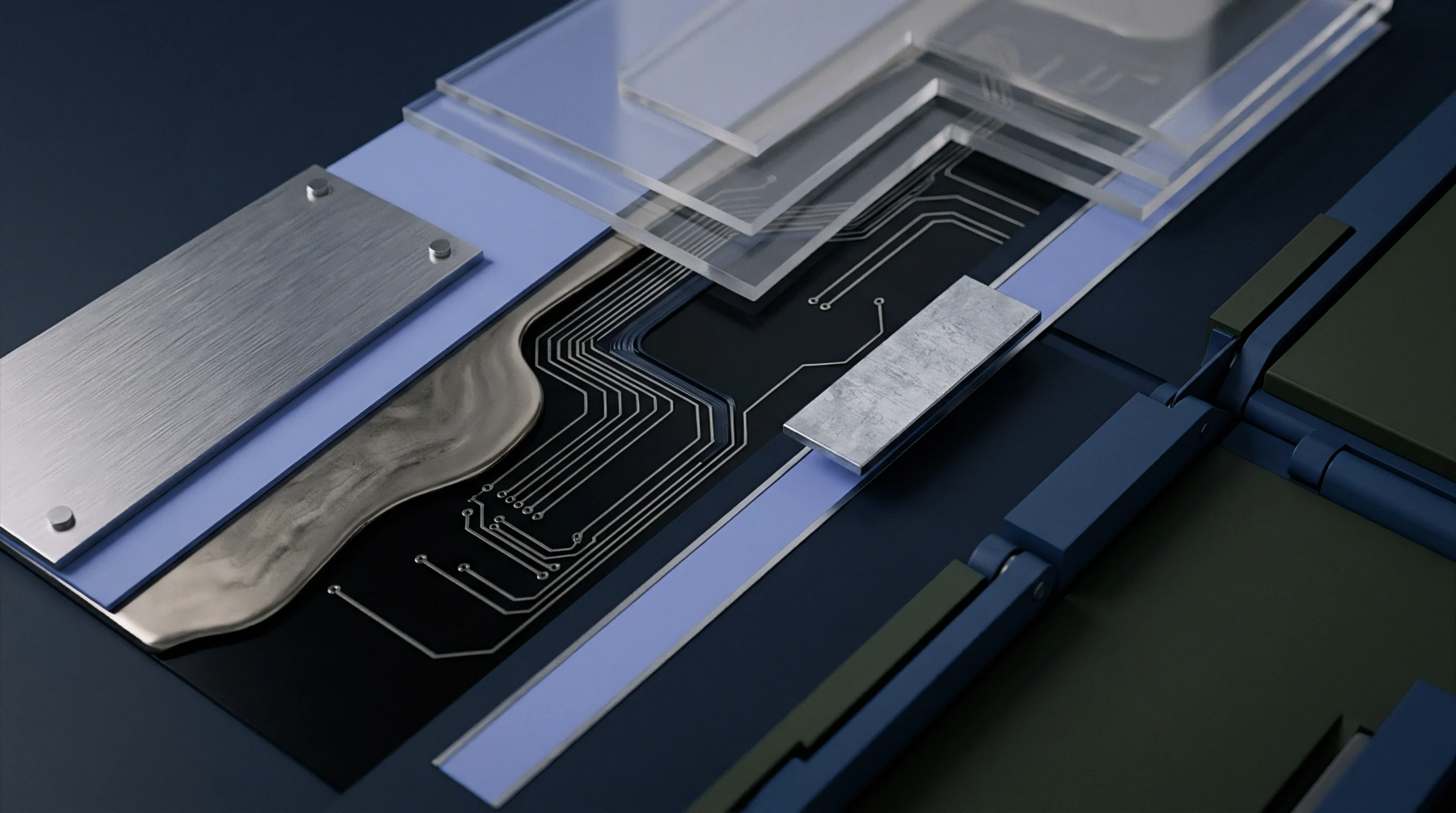
Designers encounter unintended temporal shifts when signals transition between layers of a printed circuit board. Inductive and capacitive reactances inherent to vias and trace geometry create low pass filter characteristics that skew the timing of edge transitions. These physical artifacts degrade signal integrity by pushing clock cycles out of alignment with data streams.
Proper termination of transmission lines minimizes the return path discontinuities that cause these unintended shifts. Maintaining impedance continuity across all board transitions reduces the total variance in timing.
Acceptance Criteria
Manufacturing specifications dictate strict limits on the temporal shift permitted in differential pair routing. Automated test equipment measures the arrival time at the receiver input to ensure adherence to jitter budgets and setup hold requirements. Any shift exceeding the timing allowance results in bit errors during high frequency communication.
Production inspection confirms that trace lengths are matched within defined tolerances to keep signal propagation synchronized across parallel buses. Corrective measures involve adjusting trace geometry or altering dielectric thickness to bring timing parameters into compliance. Total control over these propagation characteristics ensures the reliability of complex interconnects under operating conditions.