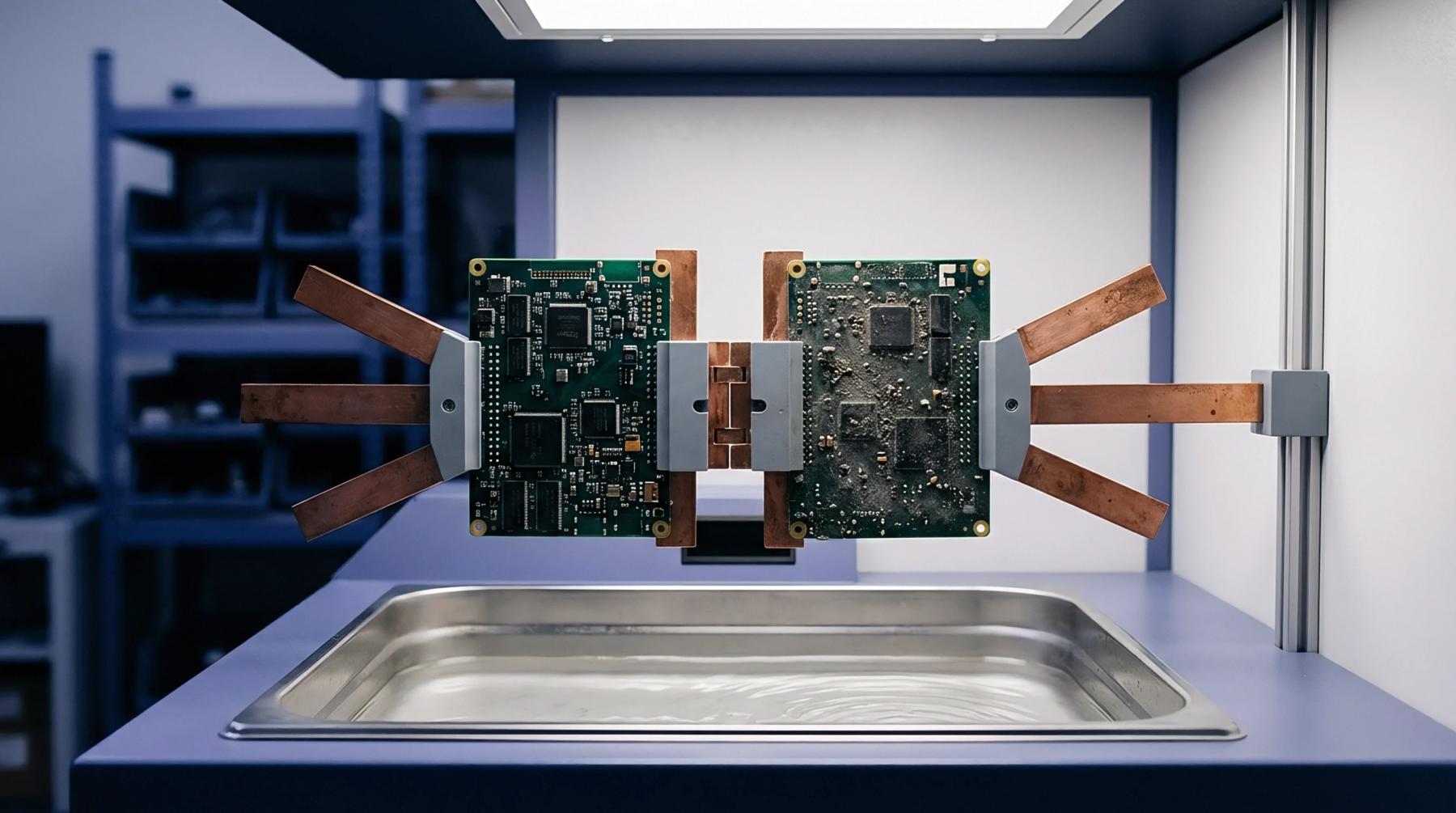
Standard Glass Fabric Style Selection for Controlled Differential Impedance Routing
Spread glass styles eliminate dielectric spatial variation, stabilizing differential impedance and phase skew across high-frequency printed circuit routing.
Spread glass styles eliminate dielectric spatial variation, stabilizing differential impedance and phase skew across high-frequency printed circuit routing.
Clamped stripline resonators extract out-of-plane permittivity and loss tangent up to 10 GHz by measuring resonant modes of unclad dielectric sheets under pressure.
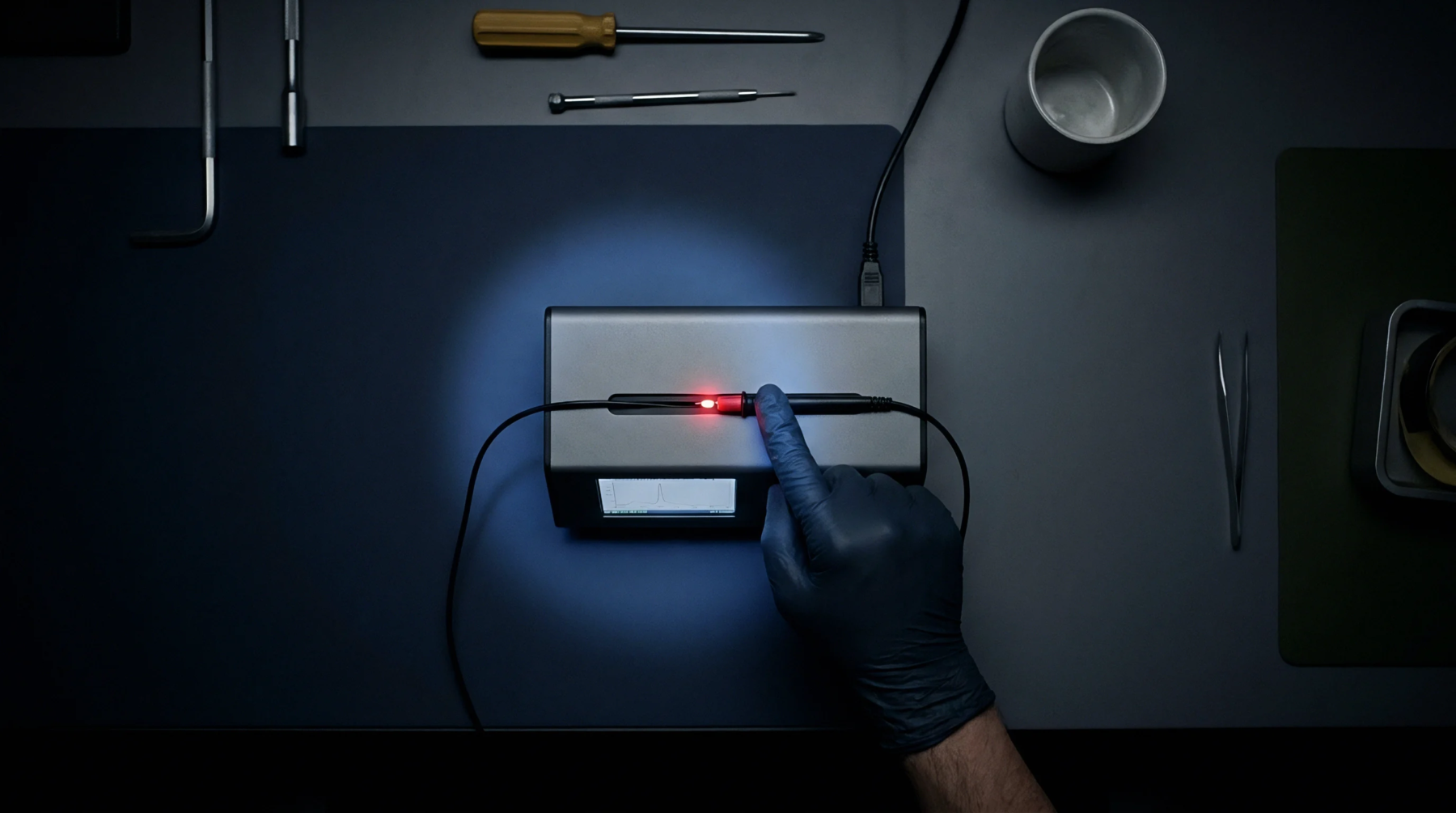
Resin content mismatch shifts dielectric constants, alters transmission line impedance, and drives thermal warpage unless glass styles and resin volumes balance.
Glass reinforcement drives in-plane permittivity up to fifteen percent above out-of-plane values, demanding dual-axis coupon extraction for RF designs.
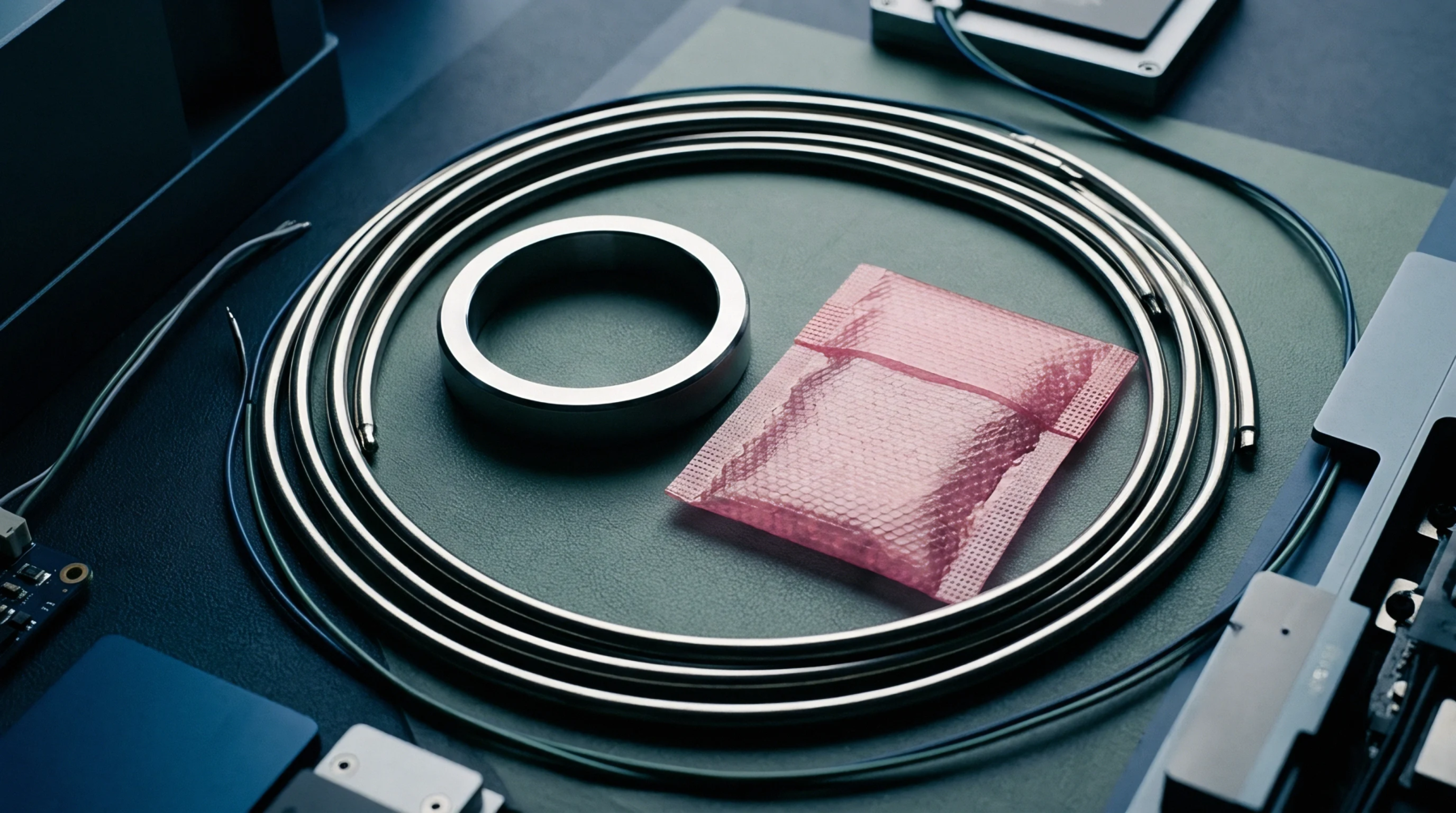
Split post resonators extract substrate temperature dielectric coefficients by separating thermal expansion dimensional changes from intrinsic permittivity drift.
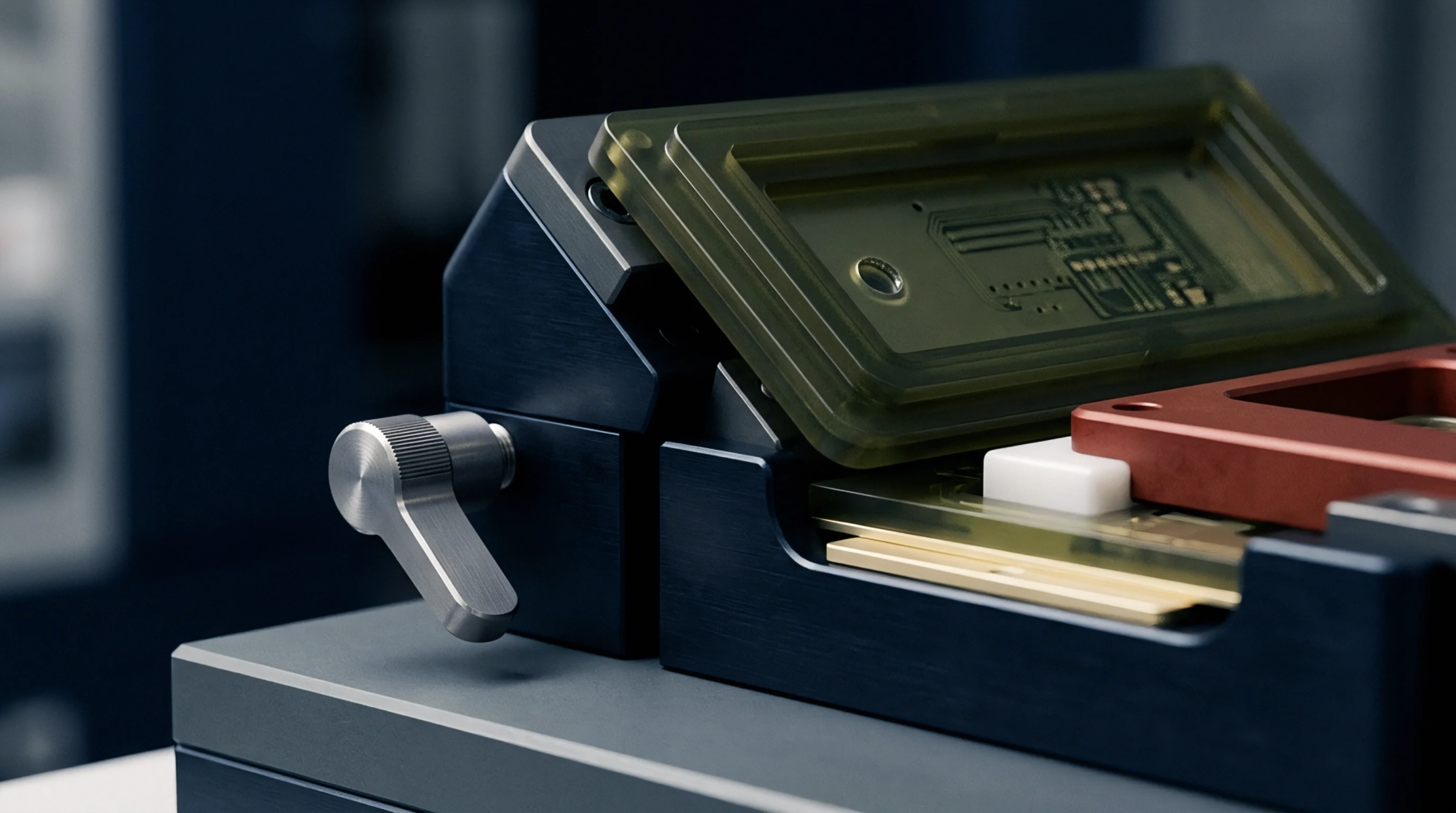
Quantify anisotropic permittivity drift by extracting tensor components across environmental chambers to preserve differential impedance and phase margins.

Multiline TRL stripline vehicles isolate in-plane permittivity by extracting propagation constants directly, bypassing transition discontinuities and z-axis bias.
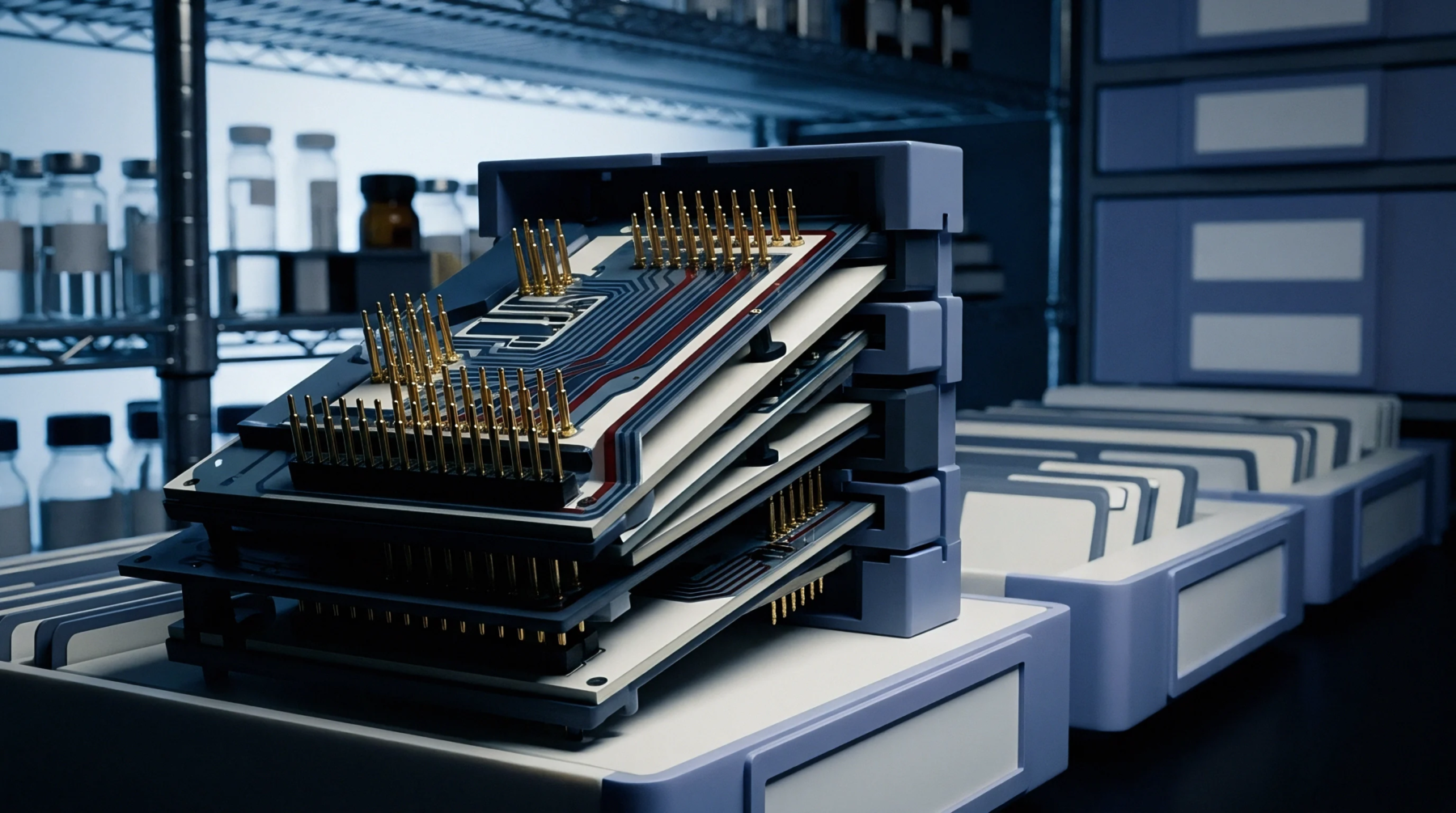
Modified semi additive process stackups require ultra-thin copper seeds under three microns to achieve sub-twenty-micron traces with stable impedance.
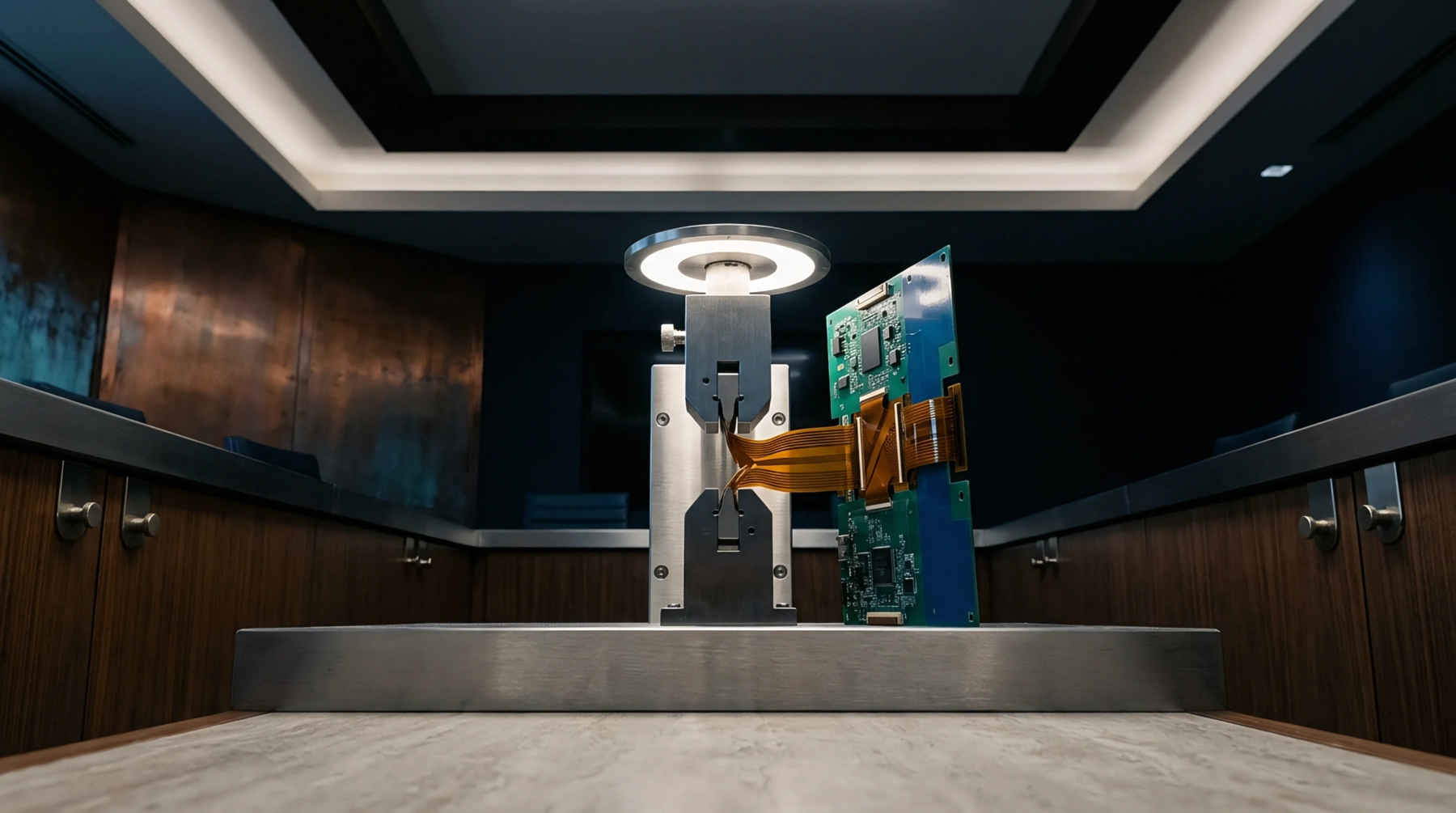
High strain shear thinning reduces ultra fine paste viscosity during squeegee strokes, requiring rapid thixotropic yield recovery to prevent post print slump.
Oscillatory rheometry strain and frequency sweeps qualify solder paste viscoelasticity for fine pitch SMT printing where static viscometry fails.
Resolving intrinsic density drift in porous amorphous films requires high-density optical profiling and thermal-bias screening to guardband dielectric limits.
Evaluating in-plane permittivity accounts for horizontal field concentration in edge-coupled pairs, preventing 2 to 5 ohm impedance drops in high-density boards.
Oscillatory amplitude sweeps define solder paste structural yield points to guarantee accurate aperture filling and clean release on fine pitch stencils.
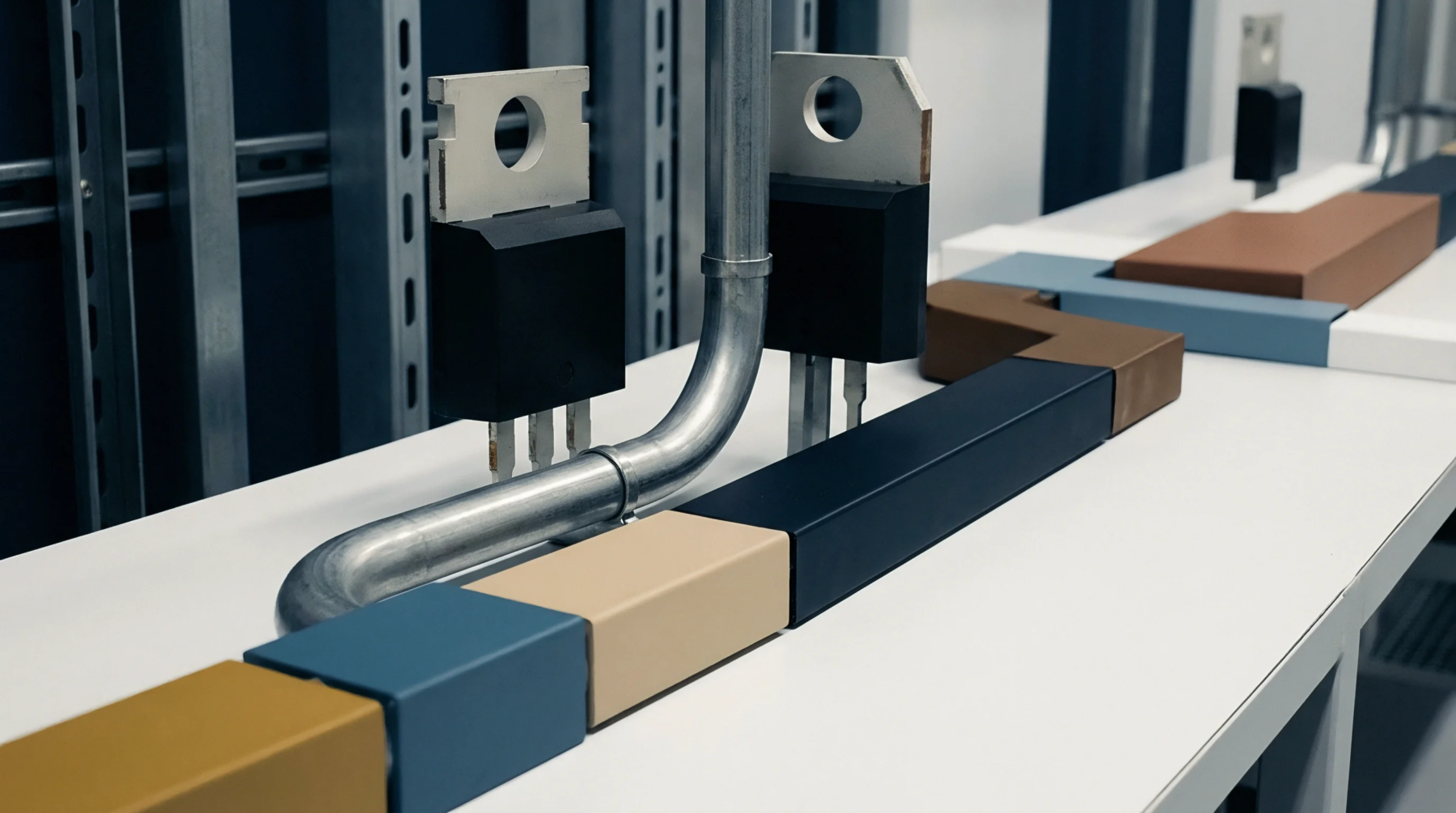
Quantifying composite matrix degradation requires depth-resolved FTIR and nanoindentation to track silane debonding and Tg loss from unreacted acid flux.
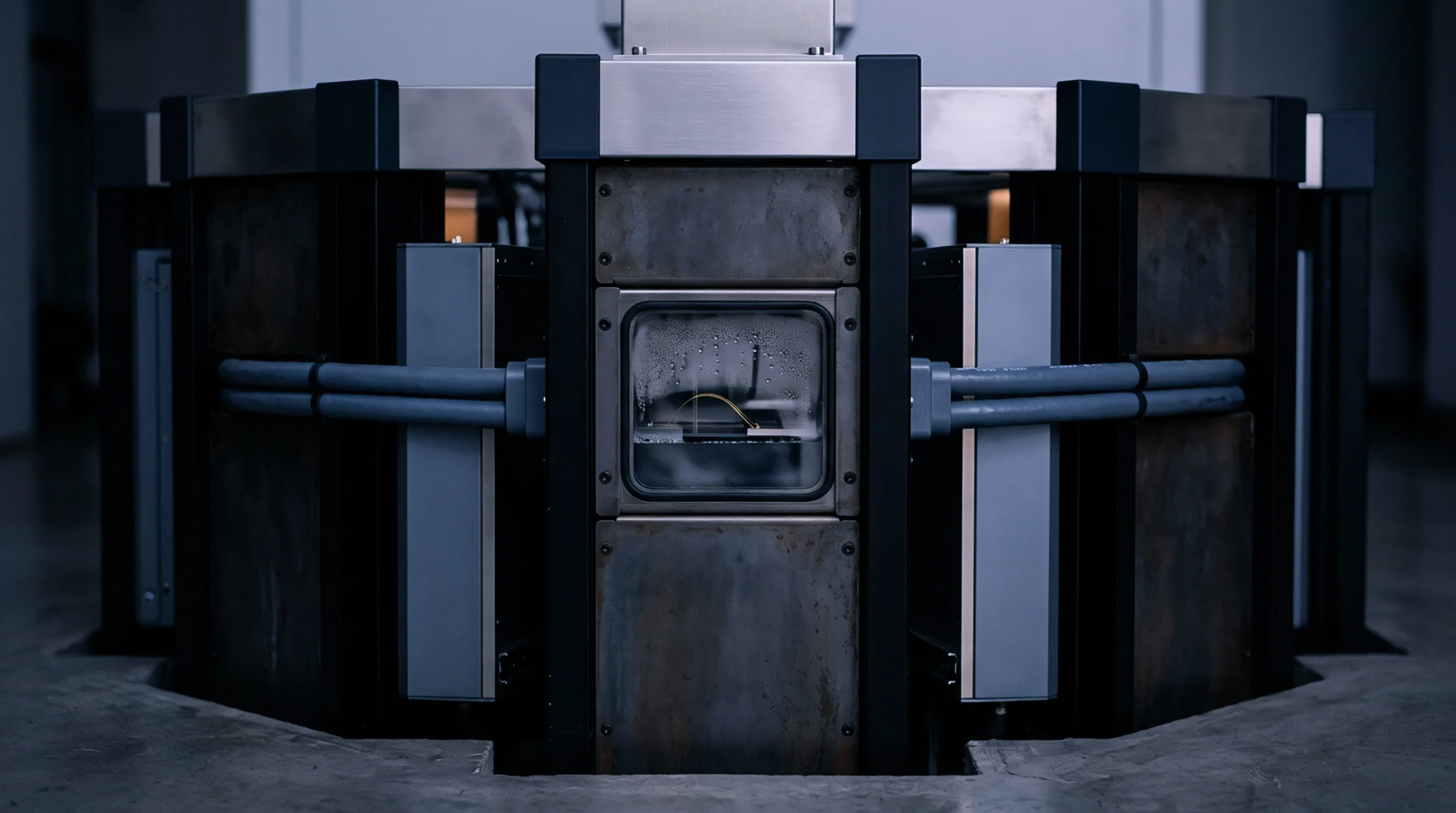
Extrapolating high-temperature laminate loss tangent shifts prevents gigahertz plane edge emissions escapes caused by thermal cavity resonance shifts.
Anisotropic tensor creep models prevent layer misregistration and microvia failure by accounting for glass weave shear strain under reflow thermal cycles.
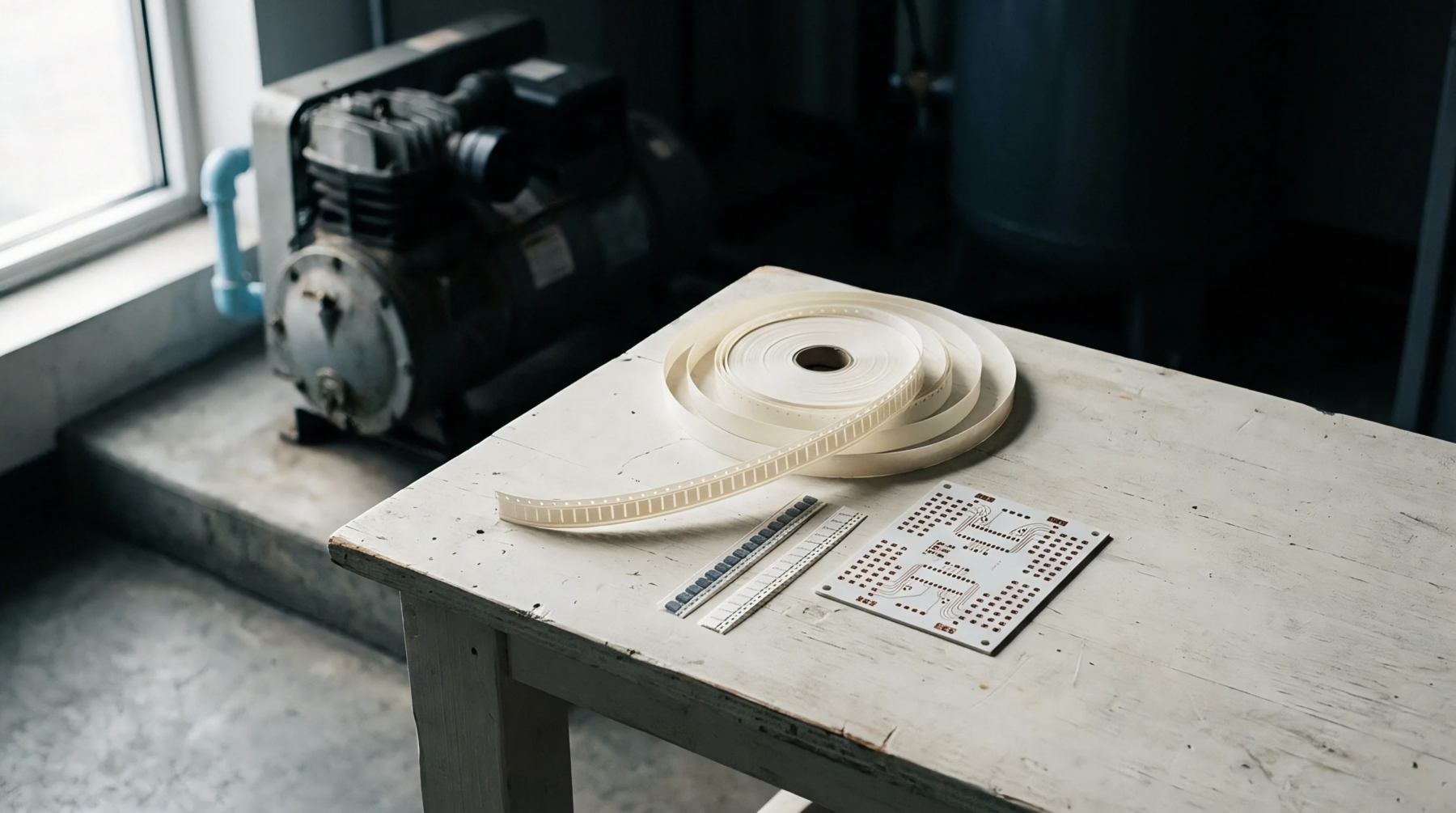
Cyanate ester flexural stiffness induces adhesive shear lag and interfacial microcracking, causing rosette signal loss and latent solder interconnect escapes.
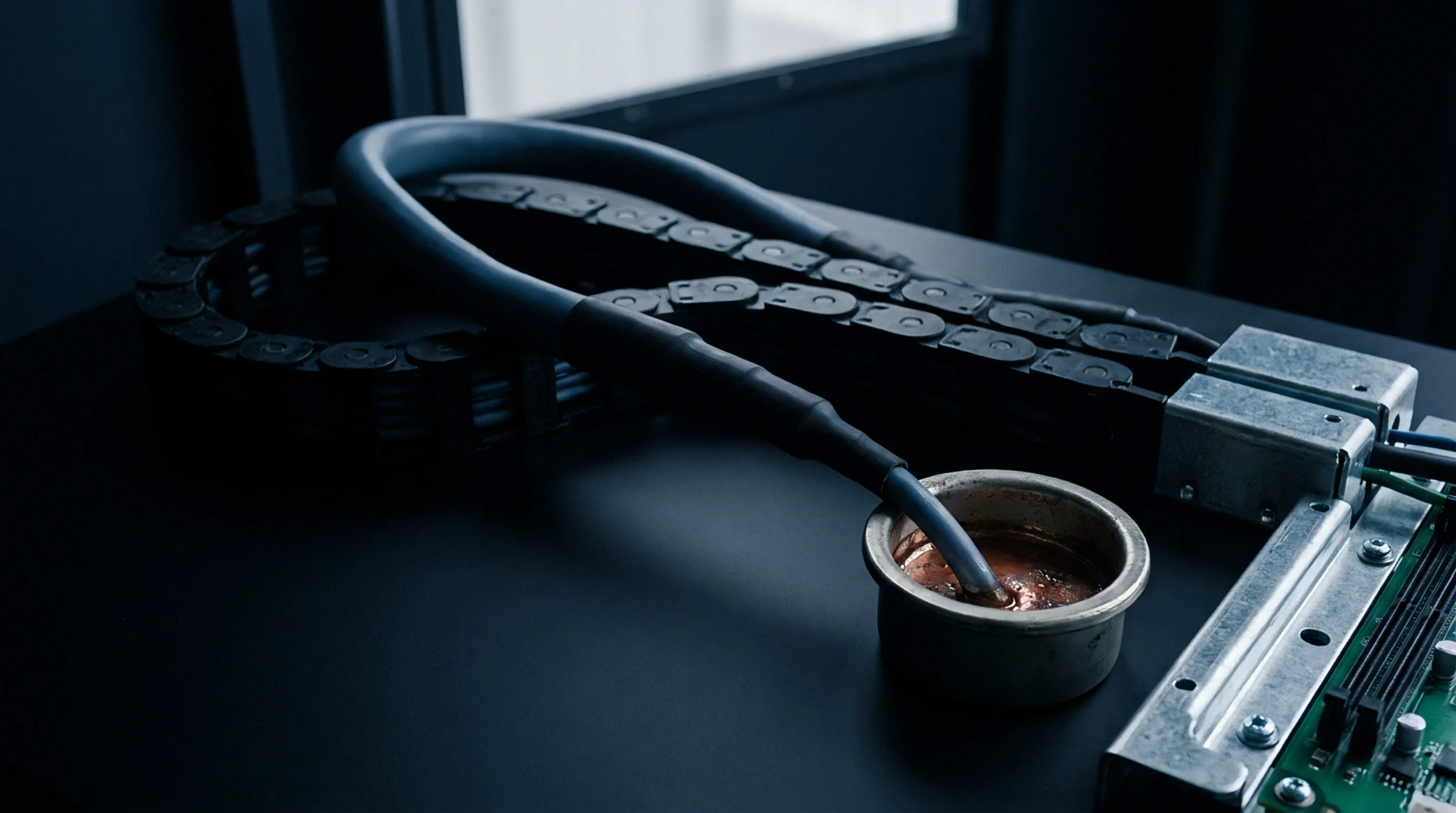
Optimize hybrid PCB fabrication by matching laminate cure kinetics, deploying plasma desmear for mixed resins, and applying layer-specific scaling factors.

High-frequency laminate rheology dictates prepreg flow kinetics, fixing pressed dielectric thickness, local impedance stability, and panel registration yield.
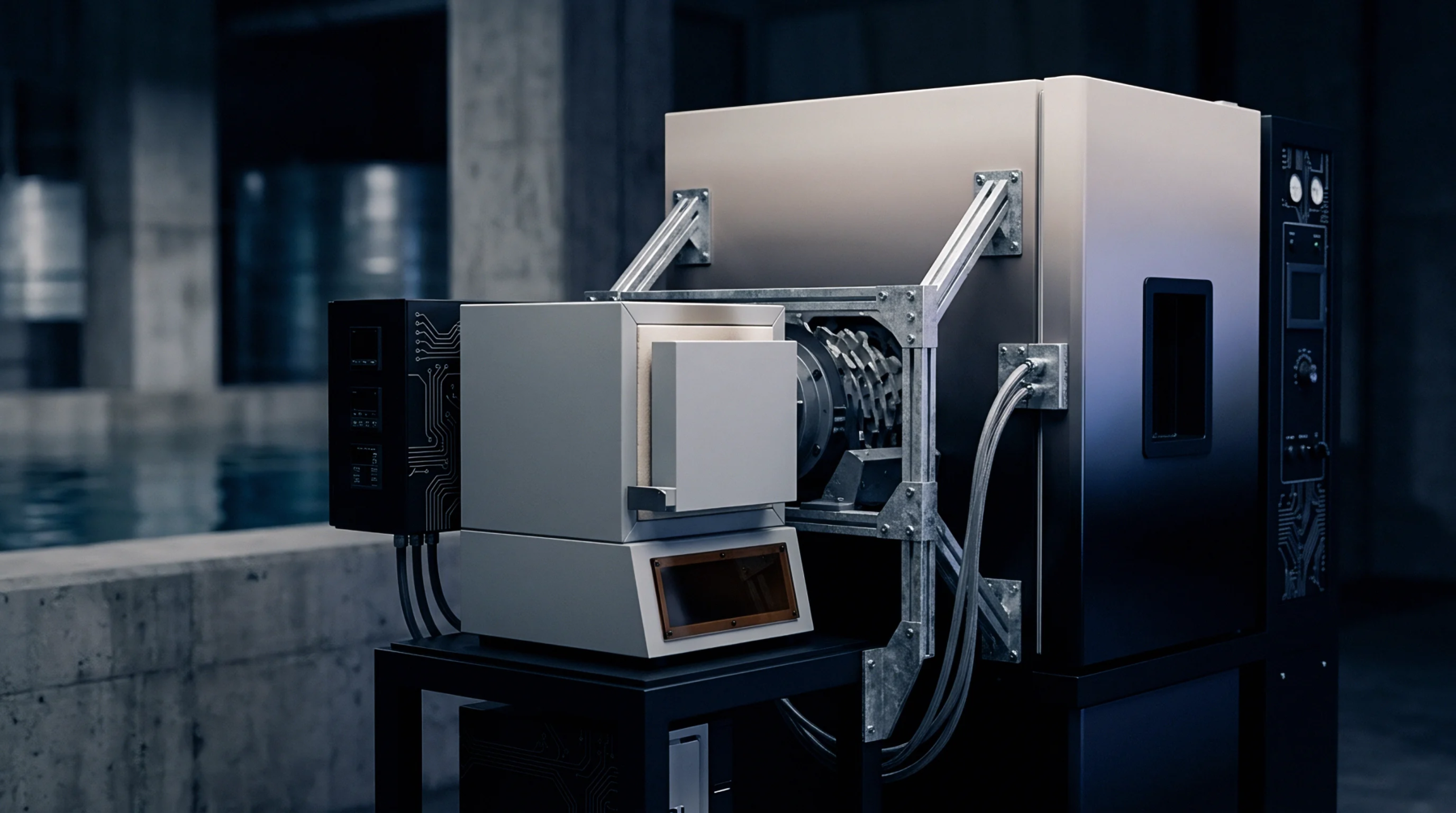
Mechanically spread glass fabrics flatten yarn bundles to eliminate resin-rich windows, stabilizing relative permittivity and preventing high-speed differential skew.
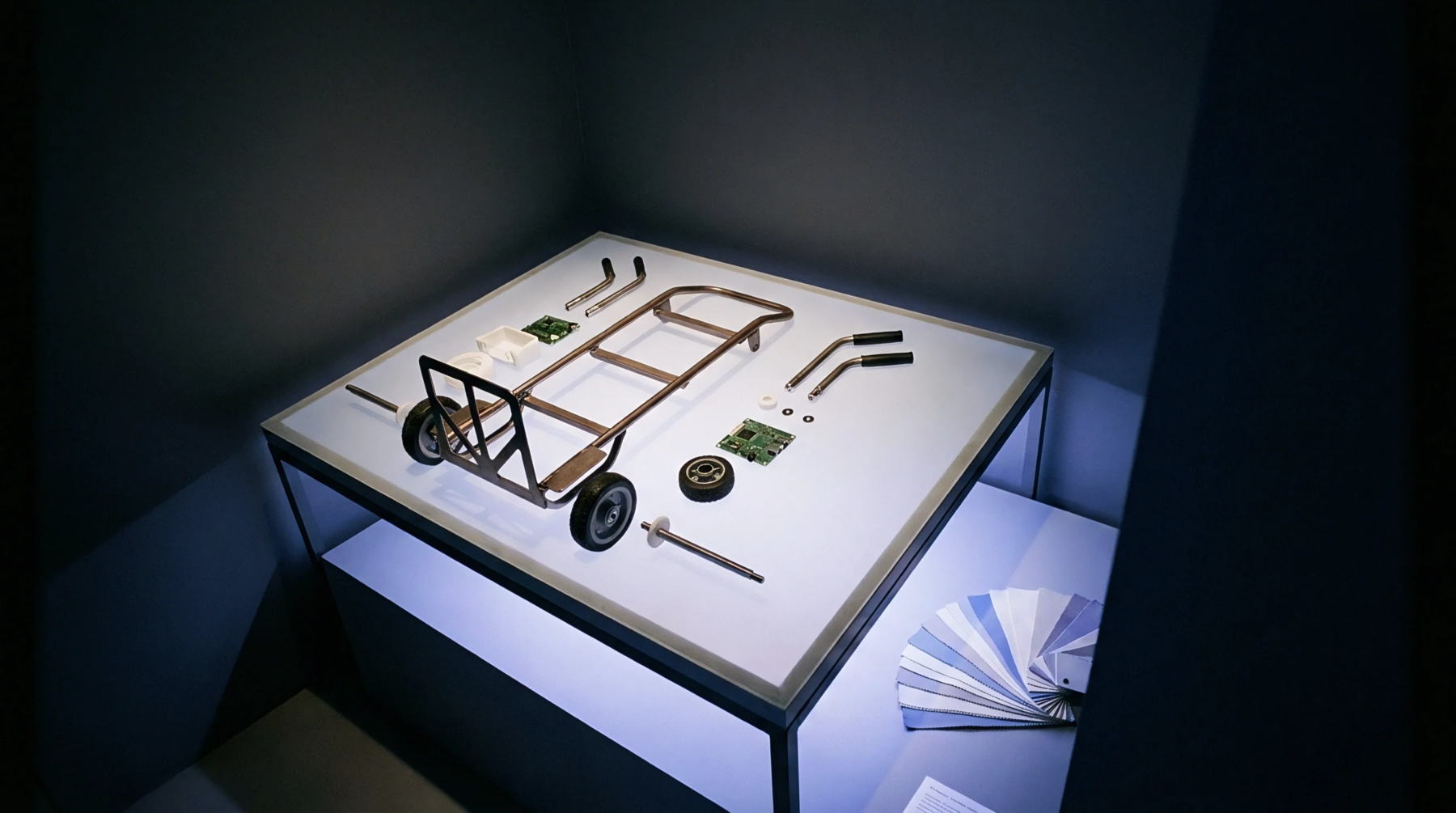
Multilayer PCB fabrication laminates etched copper cores and prepreg under heat and vacuum, creating vertical interconnects through precision drilling and copper electroplating.
Expertise is a utility, not a secret. sentiention™ publishes its working knowledge as open reference: intelligence layer covering the materials it sources, the markets it enters, and the reference that serves both.