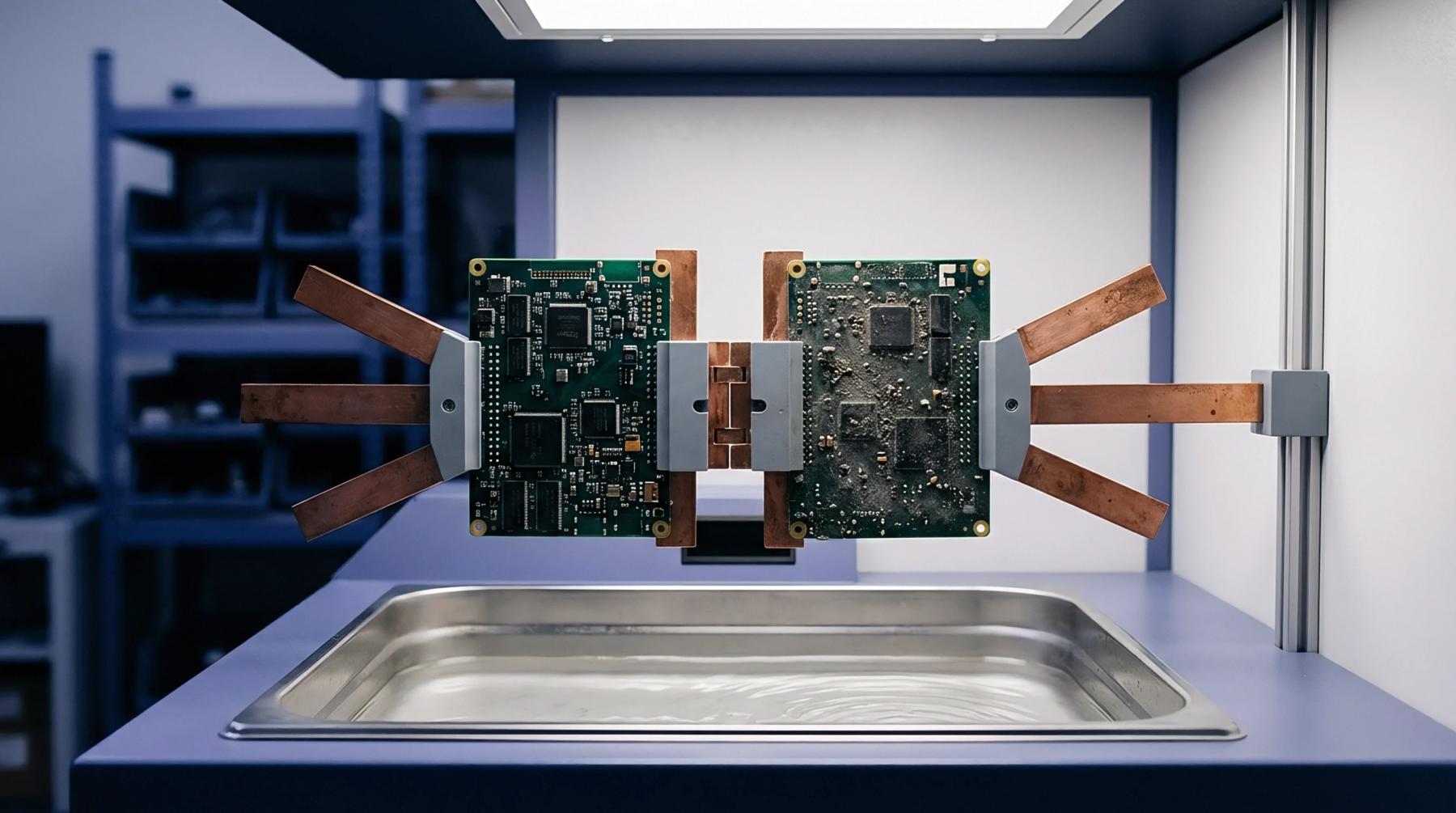
Standard Glass Fabric Style Selection for Controlled Differential Impedance Routing
Spread glass styles eliminate dielectric spatial variation, stabilizing differential impedance and phase skew across high-frequency printed circuit routing.
Spread glass styles eliminate dielectric spatial variation, stabilizing differential impedance and phase skew across high-frequency printed circuit routing.
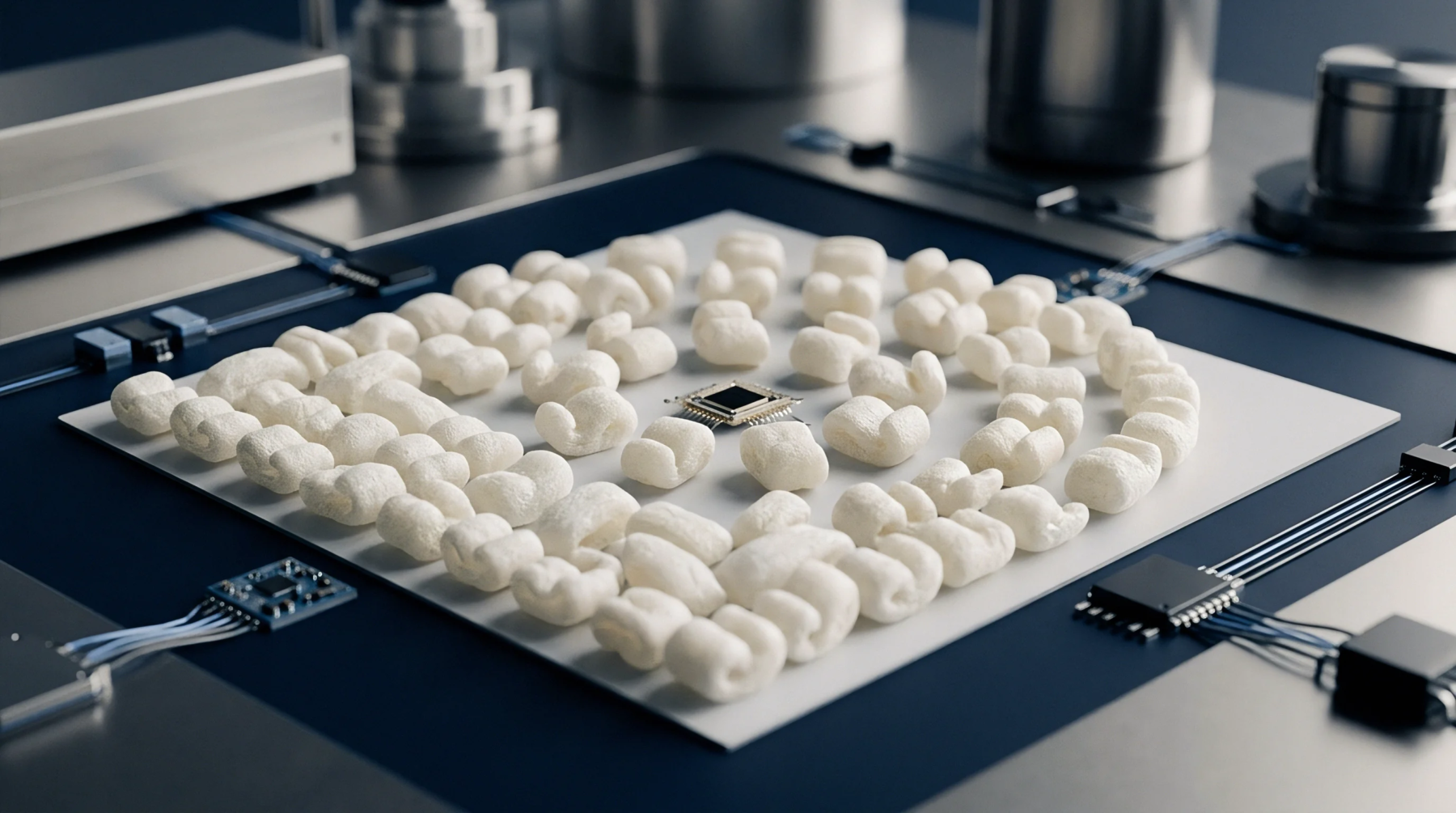
Automated near-field scanning measures localized E and H fields to detect RF defects, solder voids, and trace phase imbalances invisible to baseband tests.
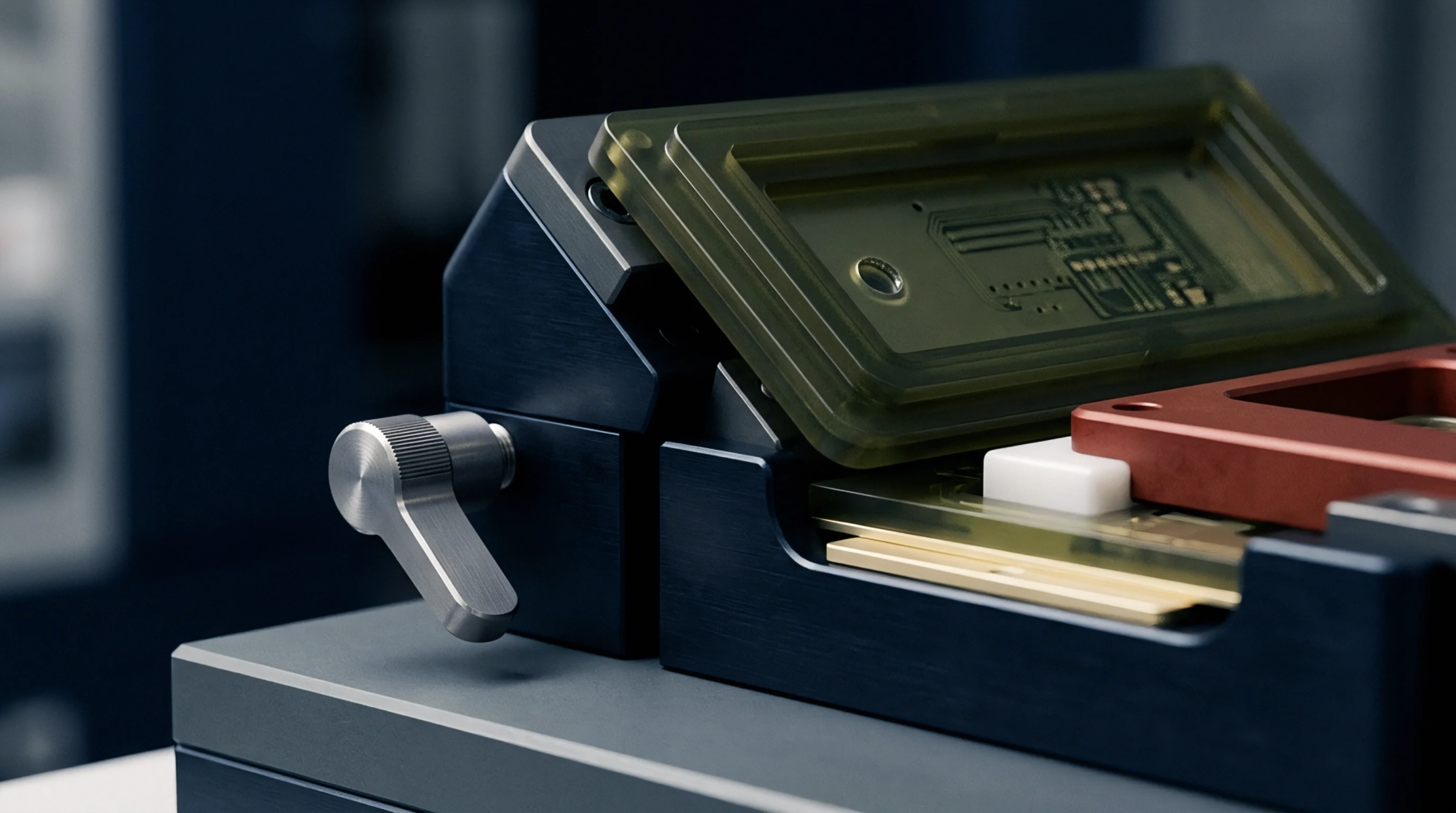
Quantify anisotropic permittivity drift by extracting tensor components across environmental chambers to preserve differential impedance and phase margins.
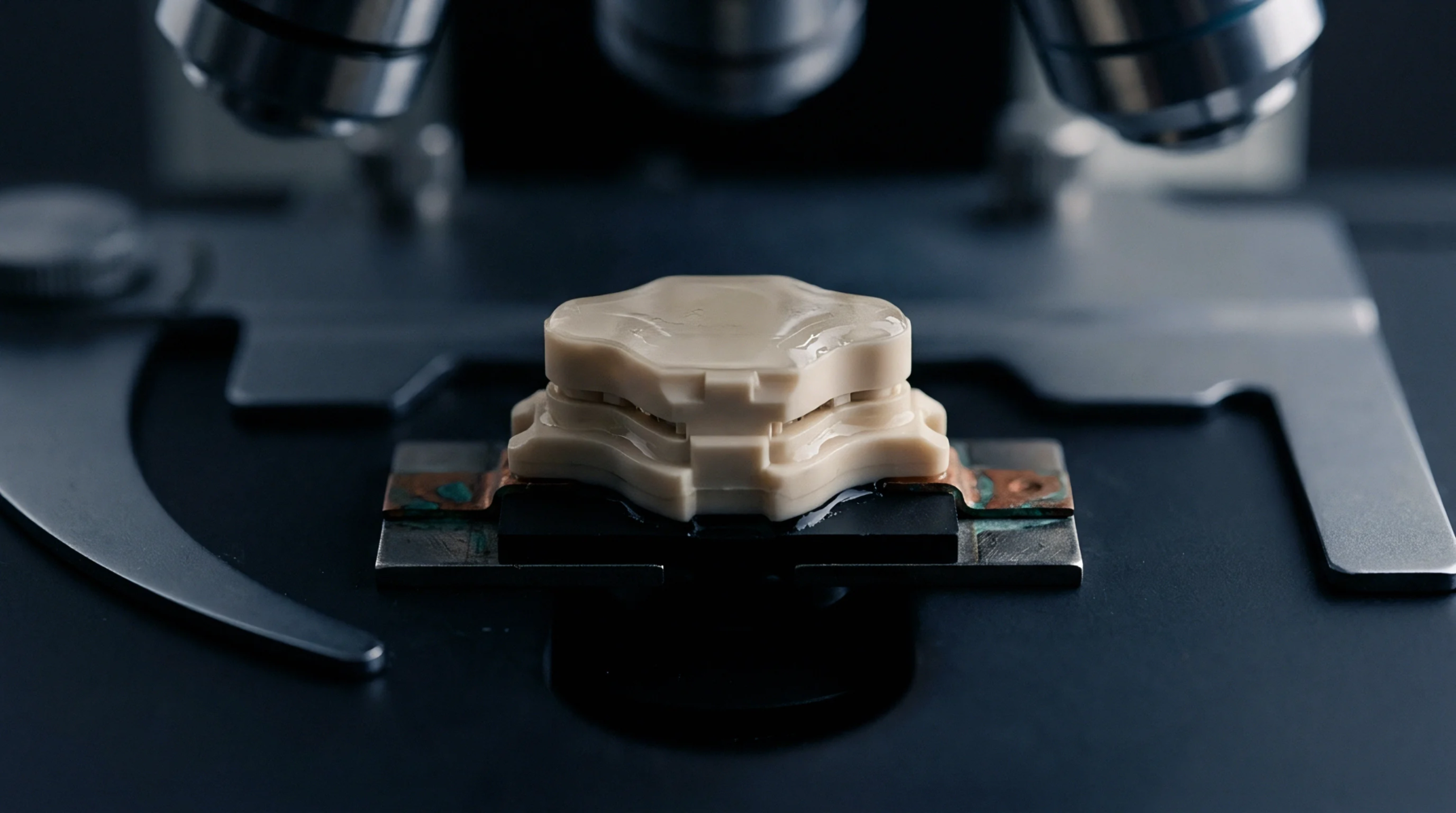
Spatial dielectric variation across organic package cores causes differential phase skew and impedance ripple, requiring spread glass and strict panel-level metrology.
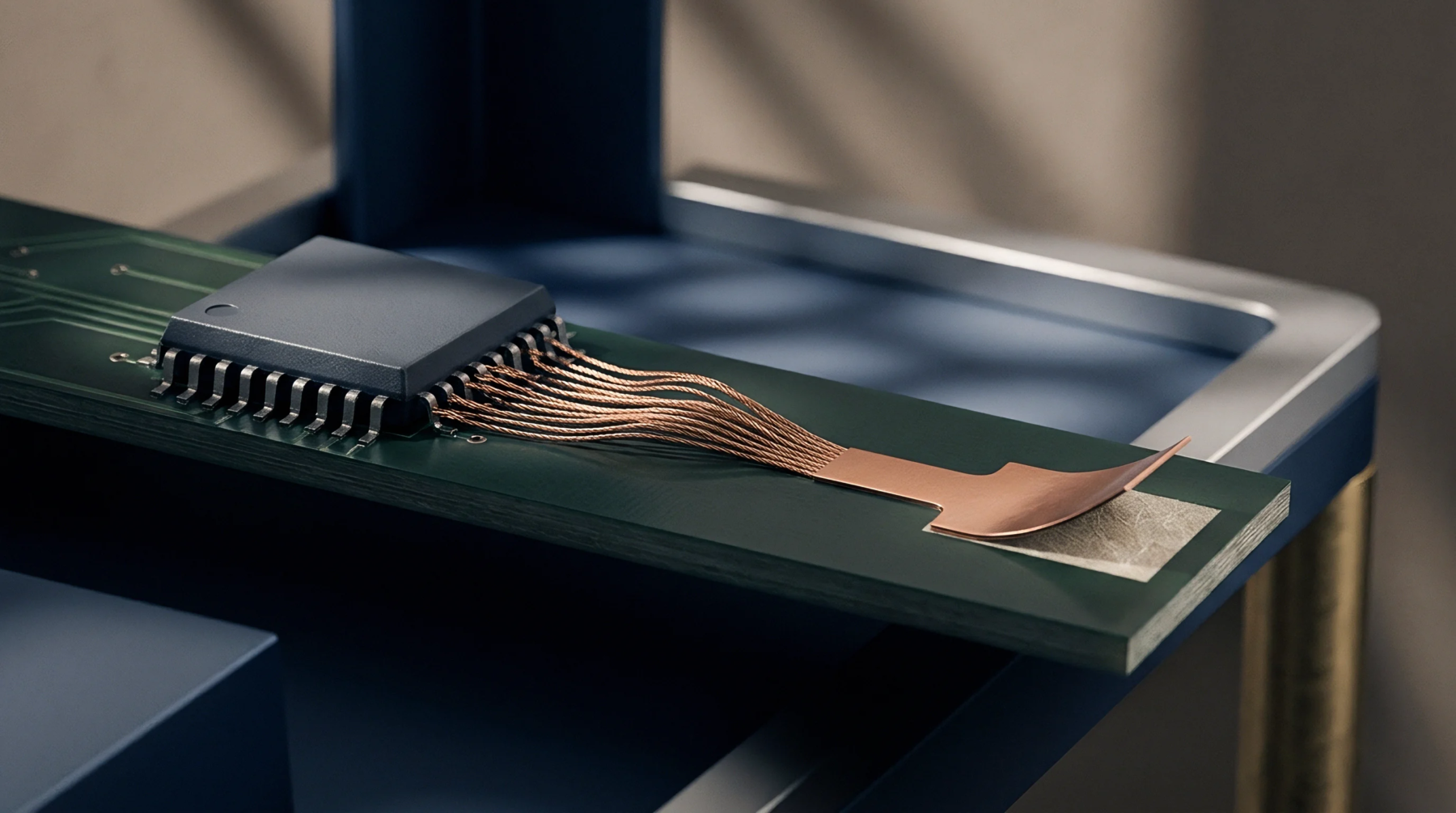
Optimizing rigid-flex stackups for high-speed signals requires adhesiveless polyimide cores, cross-hatched reference alignment, and staggered rigid transitions.

Reinforcement fiber bundle periodicity causes localized dielectric constant variation, driving phase skew that requires spread glass or rotated routing to control.
Differential phase skew control requires spread-glass fabrics or off-axis routing to eliminate local micro-scale dielectric variations across high-speed traces.
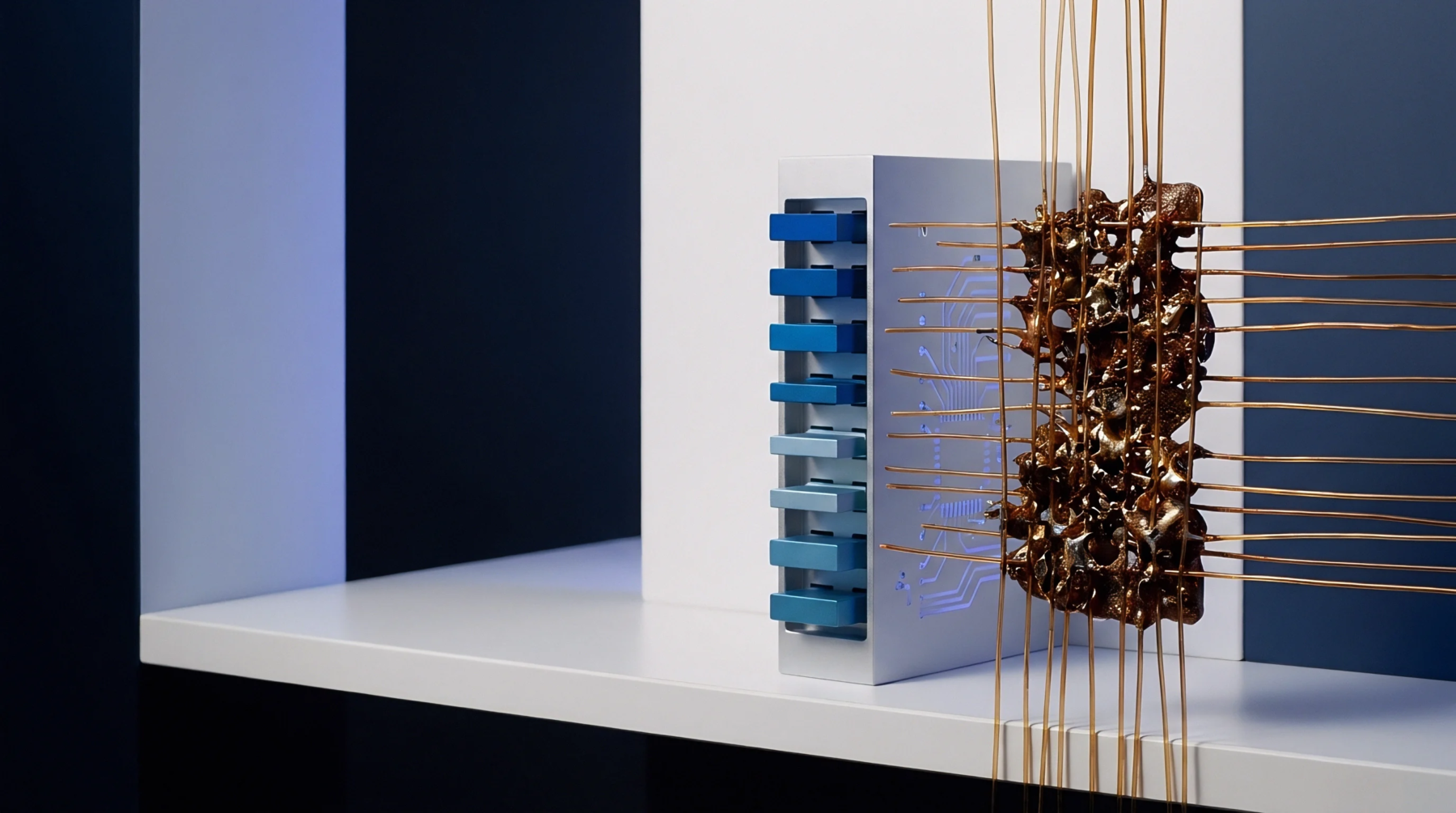
Spatial dielectric variation in glass laminates stems from weave periodicity and drives phase skew, requiring spread glass or angled routing to pass tight jitter budgets.
Spread glass weaves minimize micro-spatial permittivity variations, stabilizing high-frequency phase delay when press thermal cycles are tightly controlled.
Expertise is a utility, not a secret. sentiention™ publishes its working knowledge as open reference: intelligence layer covering the materials it sources, the markets it enters, and the reference that serves both.