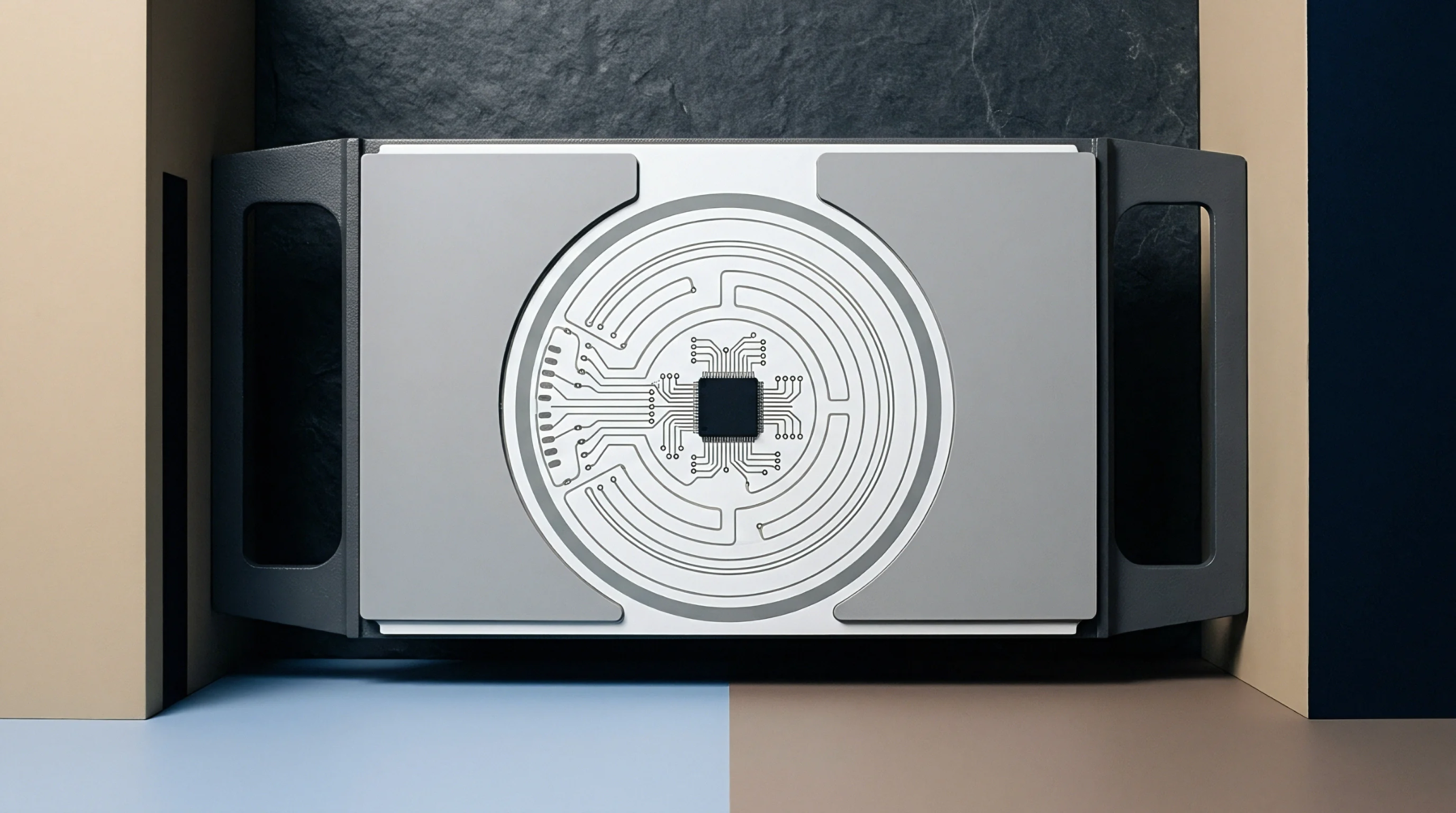
Understanding Glass Weave Effects in High Speed Differential PCB Stackups
Glass weave skew causes intra-pair phase delay in high-speed differential pairs, requiring spread glass, dual-ply prepreg, or off-axis panel rotation.
Glass weave skew causes intra-pair phase delay in high-speed differential pairs, requiring spread glass, dual-ply prepreg, or off-axis panel rotation.
Sub-millimeter spatial dielectric variations from glass weaves and filler distribution shift dynamically under heat, requiring spread glass and low TCDk resins.
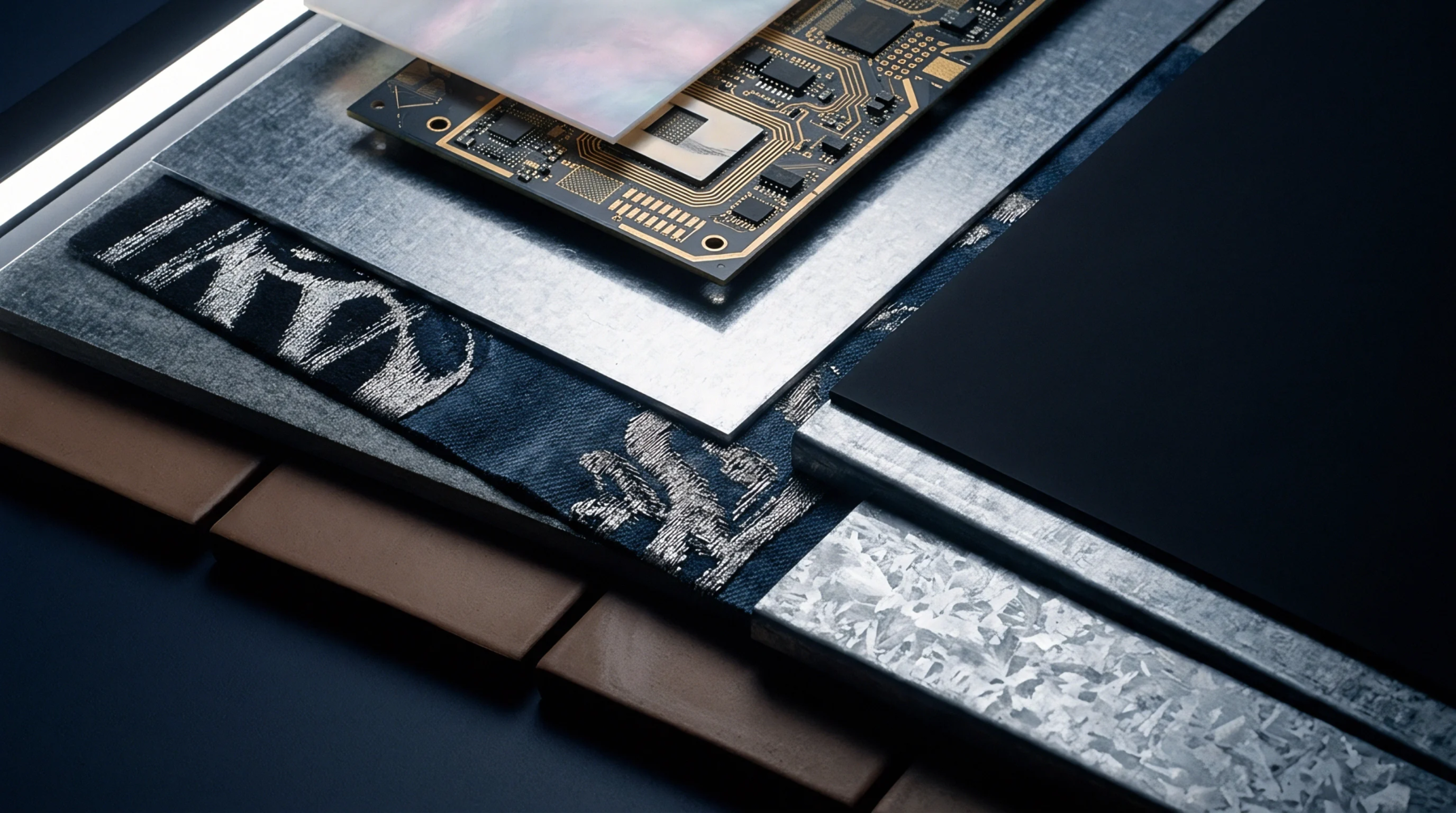
Selecting mechanically spread glass fabric and enforcing multi-ply laminate construction mitigates intra-pair differential skew without panel rotation costs.
Sub-stack resin squeeze-out during sequential lamination elevates z-axis Dk and reduces dielectric thickness, shifting differential impedance off target.
Spread glass weaves minimize micro-spatial permittivity variations, stabilizing high-frequency phase delay when press thermal cycles are tightly controlled.
Expertise is a utility, not a secret. sentiention™ publishes its working knowledge as open reference: intelligence layer covering the materials it sources, the markets it enters, and the reference that serves both.