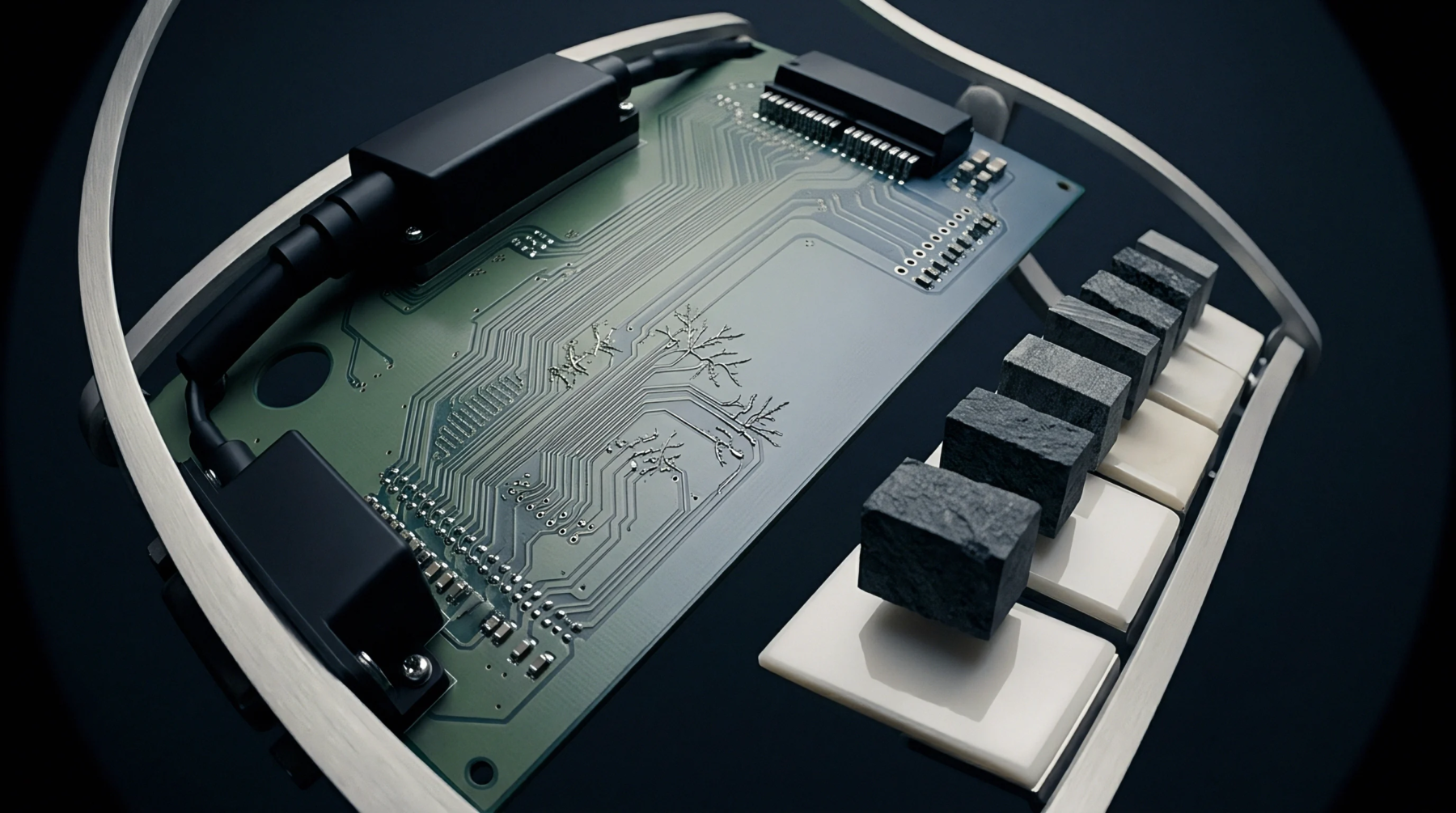
Soldering Sequence
Thermal processing stages in surface mount technology define the temperature versus time profile required to create reliable metallurgical bonds between components and the board. The reflow thermal cycle consists of preheat, soak, reflow, and cooling phases that must be precisely controlled. Each phase ensures that the solder paste melts and wets the landing pads without damaging sensitive electronics.
Metallurgical Formation
Achieving the liquidus state for the solder alloy requires a period of peak temperature that exceeds the melting point. Within the reflow thermal cycle, the duration of this peak must be long enough to allow for the formation of an intermetallic layer but short enough to prevent excessive growth. A thick intermetallic layer can lead to brittle joints that fail under mechanical vibration.
Profiles are typically monitored using thermocouples attached to a sample board. Data loggers provide the thermal map necessary to adjust oven conveyor speeds. This confirms the profile.
Mechanical Stress
Mechanical stress arises from the mismatched thermal expansion coefficients of the board and the silicon components. Managing the cooling rate after the reflow thermal cycle reduces the risk of cracked solder joints or warped substrates. Final inspection uses automated optical systems to verify the wetting angles.