
Differential Phase Skew Sensitivity to Glass Yarn Spacing Variation
Differential phase skew sensitivity to glass yarn spacing requires spread-weave fabrics or Low-Dk fibers to suppress localized trace-to-resin permittivity mismatch.
Differential phase skew sensitivity to glass yarn spacing requires spread-weave fabrics or Low-Dk fibers to suppress localized trace-to-resin permittivity mismatch.

Specifying mechanically spread low-Dk glass styles in dual-ply prepreg constructions eliminates intra-pair skew while preserving standard panel utilization.

Secondary vacuum lamination collapses ultra-thin high-frequency cores via viscoelastic creep, causing severe impedance loss unless drawing notes restrict press pressures and fix post-lamination dielectric thickness.

Inner layer copper thieving balances etchant fluid dynamics and resin flow to lock fine-line trace geometry and dielectric height within impedance limits.
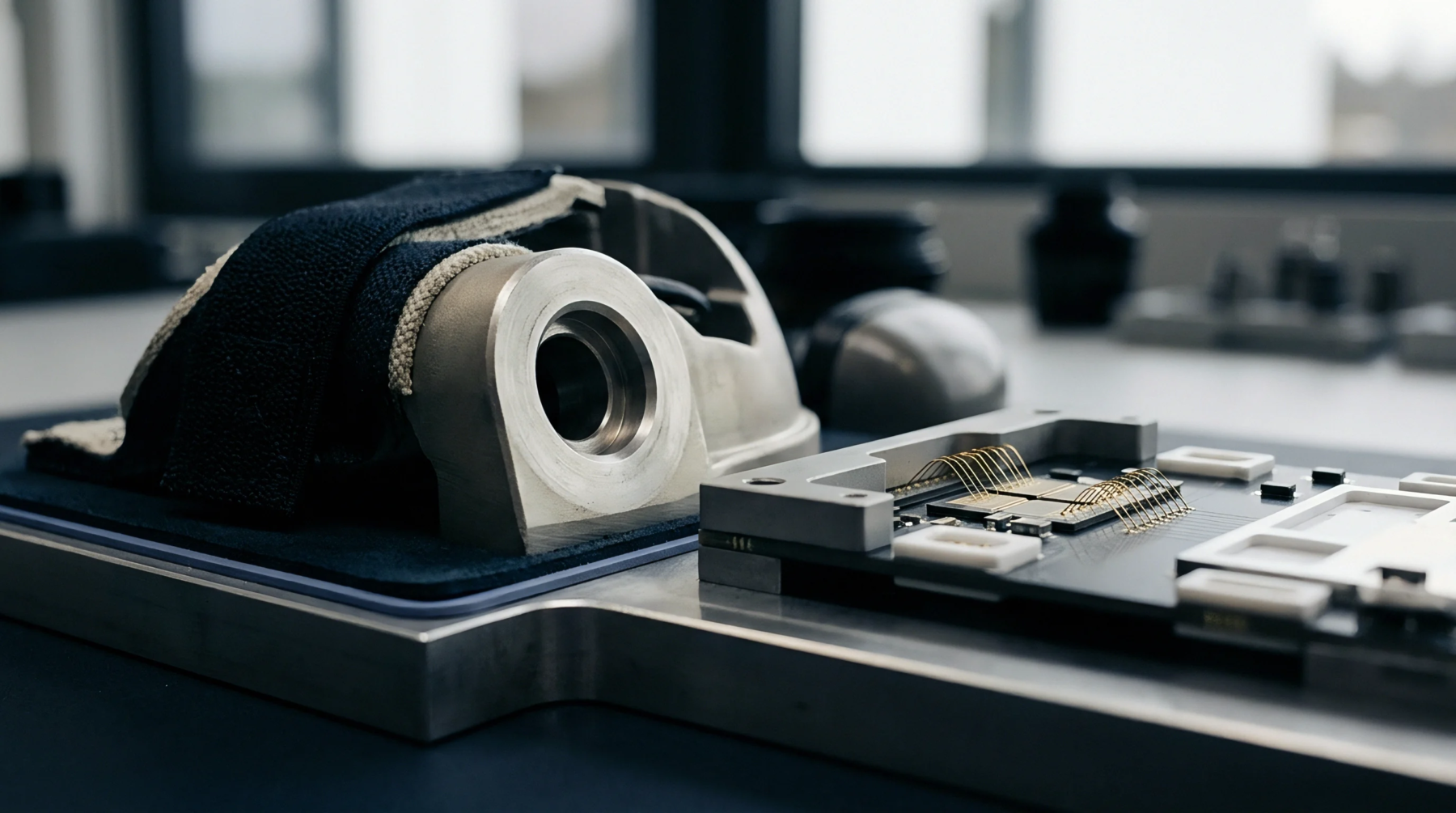
Dense copper patterns displace prepreg resin during lamination, compressing thin cores by up to 35 percent and shifting trace impedance down by 8 ohms.

Copper foil roughness profiles dominate gigahertz conductor loss, causing up to forty percent attenuation variations across equivalent IPC-4101 slash sheets.

High-frequency laminate selection for lead-free assembly requires low z-axis expansion and high decomposition temperatures to survive 260°C reflow stresses.
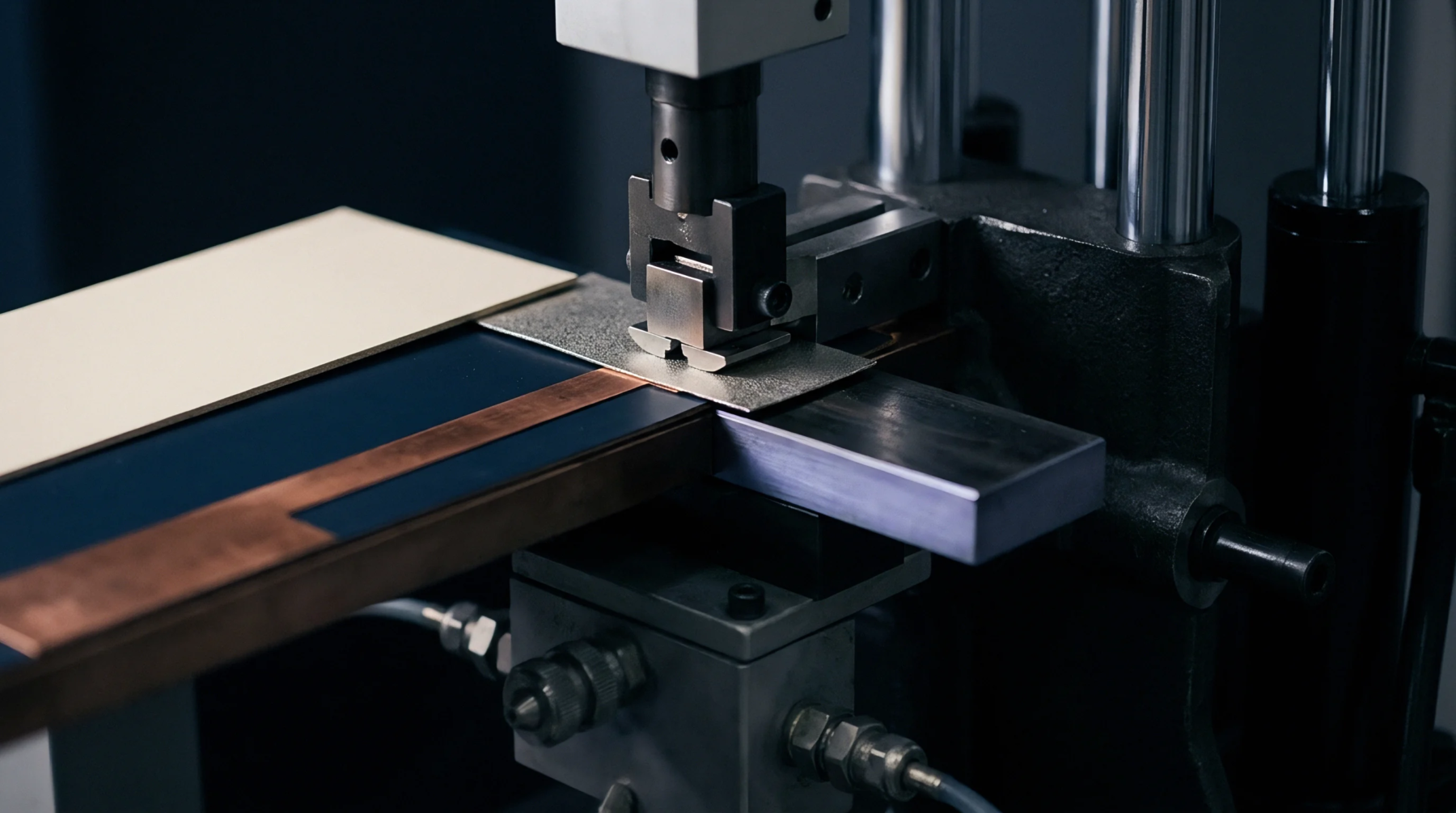
IPC-4101 slash sheets classify base laminate properties to bind fabricators to verifiable resin, thermal, and electrical limits on production drawings.

Micro-jet chemical delivery above 0.35 MPa induces bubble cavitation that strips deformed dry film resist lines below 15 microns in mSAP substrate processing.

Suppressing boundary layer stagnation with vacuum fluid extraction and angled impingement stabilizes fine-line etch factors above 3.5:1 across substrate panels.
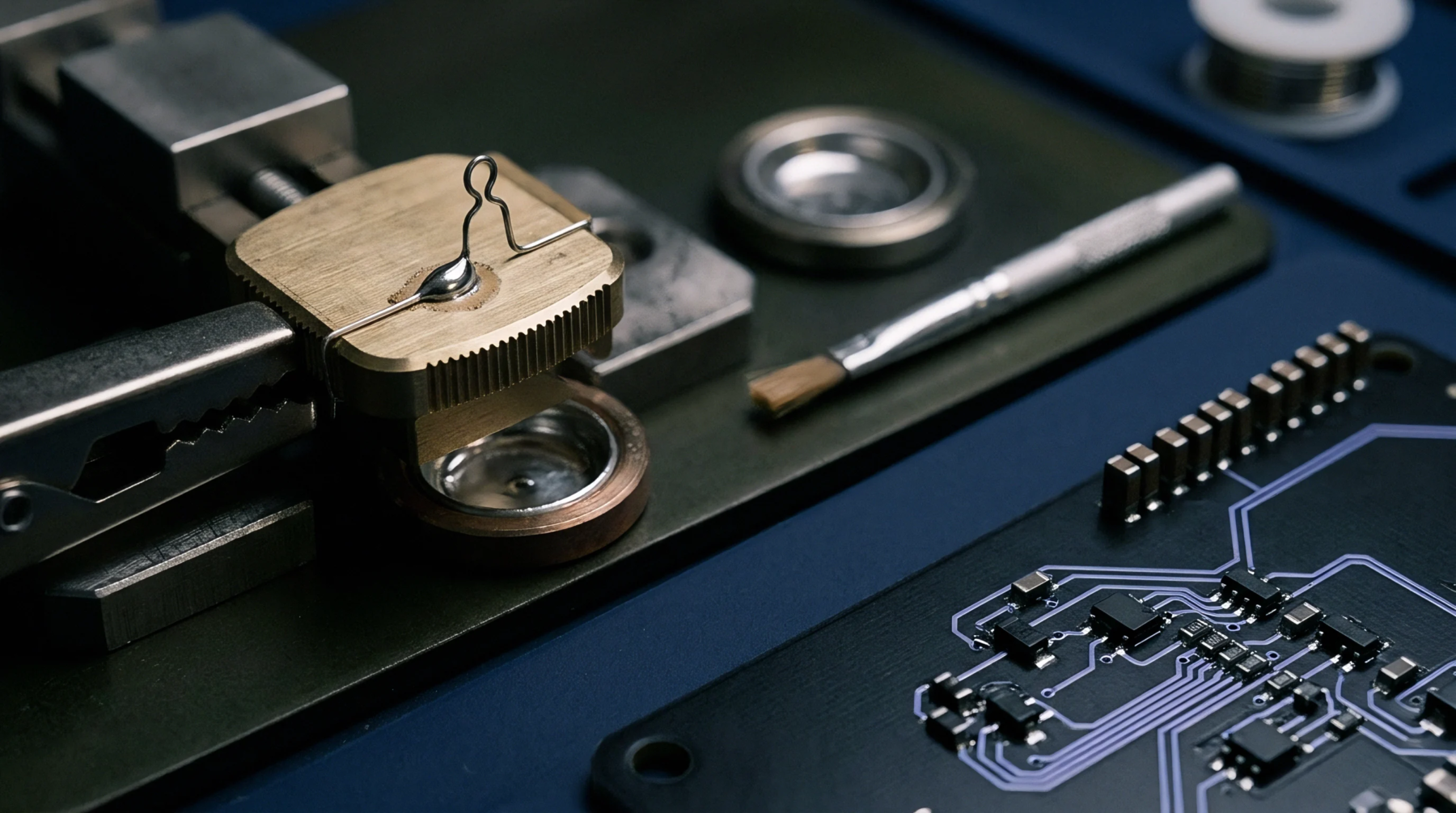
Micro-channel etching requires high-pressure vectored spray and vacuum boundary layer extraction to achieve reliable fine-line trace clearance below 30 microns.

Sub-15 micron mSAP conductor survival under reflow requires limiting flash etch undercut below 0.8 microns and applied interfacial shear strain below 3.1 percent.

Optimize modified semi-additive interconnects by balancing thin seed thickness against flash etch undercut to preserve conductor geometry and panel yield.

Sub-30 micron traces require 0.15 to 0.35 micron seed layers on ultra-smooth dielectrics, balancing high peel strength against rapid differential flash etching.

Dynamic shear modulus governs thin substrate compaction rate, where uncalibrated resin flow shifts inner traces and ruins finished board impedance.

Dynamic oscillatory rheometry on sub-fifty micron prepregs quantifies minimum complex viscosity and gel windows to prevent trace encapsulation voids.

Dynamic oscillatory shear viscometry under IPC-TM-650 Method 2.4.38 defines the minimum melt viscosity window to prevent voids and starvation in high-Tg presses.
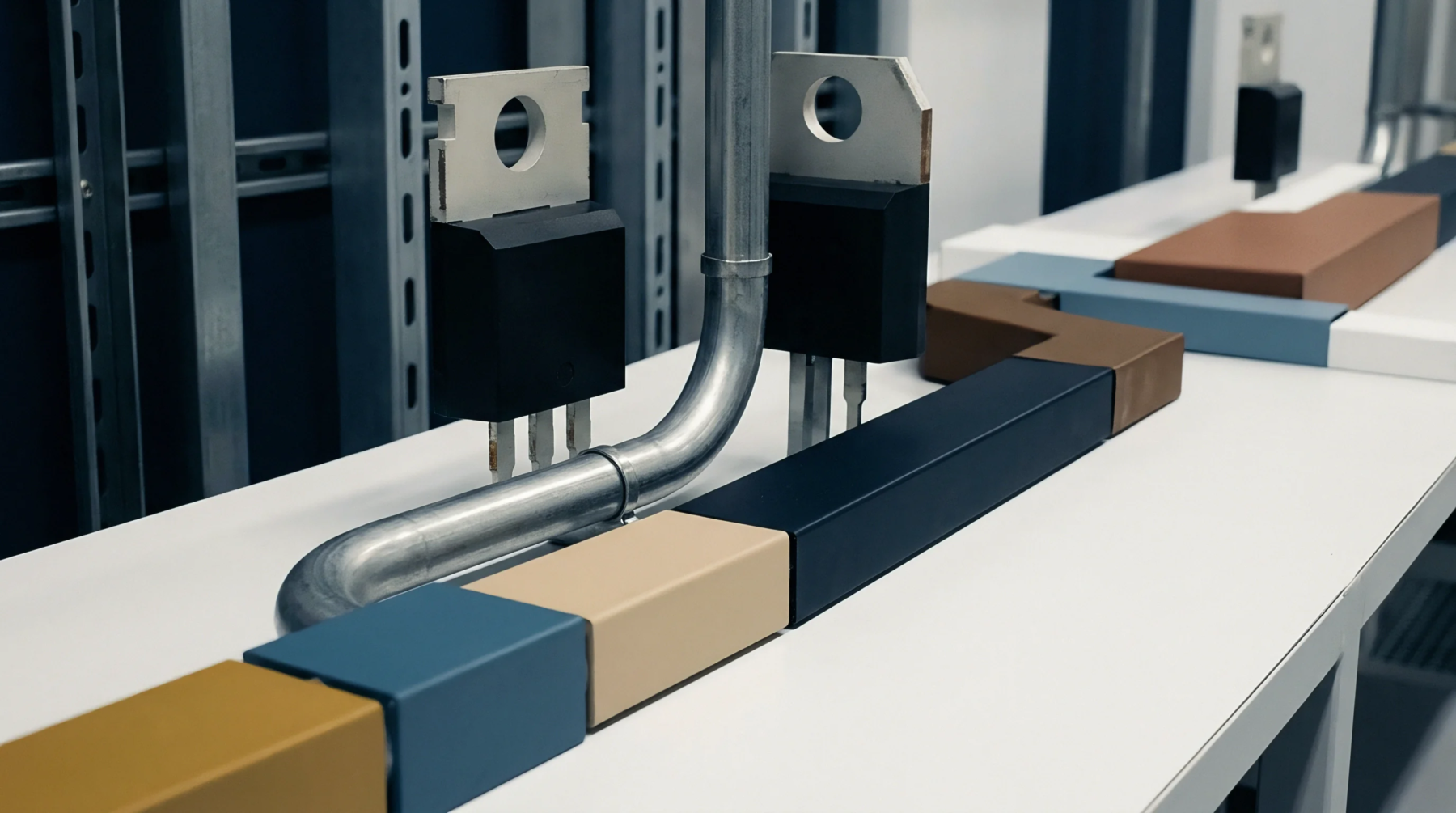
Modeling viscoelastic stress relaxation across ultra-thick sequential subassemblies requires time-dependent Prony series simulation to prevent reflow warpage.
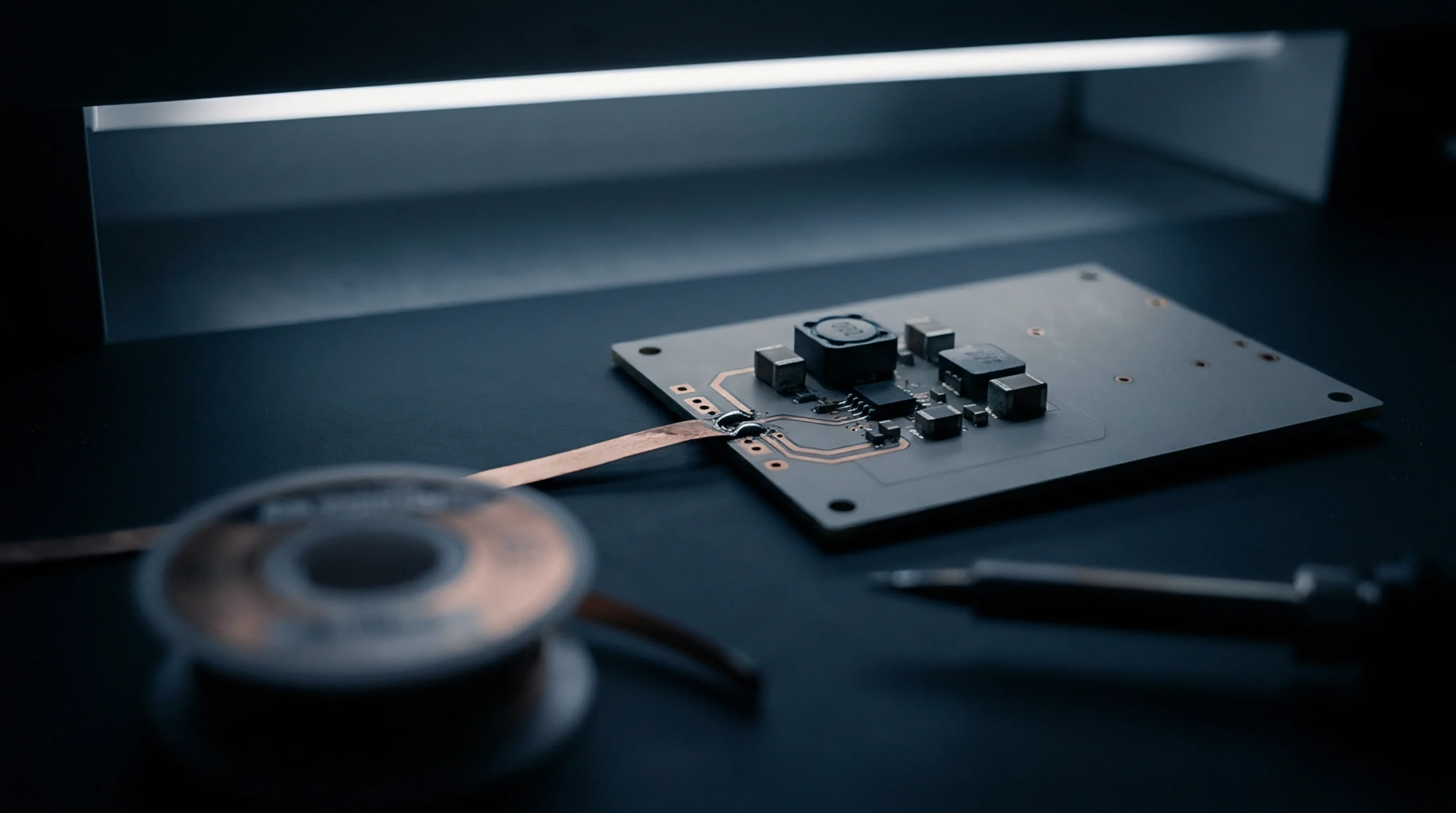
Dynamic reflow warpage prediction couples viscoelastic laminate expansion and copper density modeling to prevent fine-pitch solder defects.

Calculate inner layer registration drift by compounding material shrinkage, pinning play, and drill wander to scale capture pads and prevent annular breakout.
Asymmetric glass positioning offsets thermal Dk divergence between resin and yarn bundles, eliminating server channel phase skew without panel-wasting angled traces.
Expertise is a utility, not a secret. sentiention™ publishes its working knowledge as open reference: intelligence layer covering the materials it sources, the markets it enters, and the reference that serves both.