Temperature Dependent Phase Shift Compensation in Automotive Radar Substrate Stackups
Match substrate TcDk and copper foil roughness on RF outer layers to cancel thermal phase velocity drift and maintain automotive radar target accuracy.
Match substrate TcDk and copper foil roughness on RF outer layers to cancel thermal phase velocity drift and maintain automotive radar target accuracy.
Dynamic topography variations in asymmetric thermoset interfaces cause localized resin squeeze-out failures, creating micro-air voids that degrade impedance.
Analytical air gap de-embedding mathematically removes sample-to-fixture boundary voids to extract accurate substrate permittivity and prevent trace impedance scrap.
Clamped stripline testing measures raw laminate permittivity at 10 GHz, but entrained air films depress extracted Dk relative to bonded production boards.
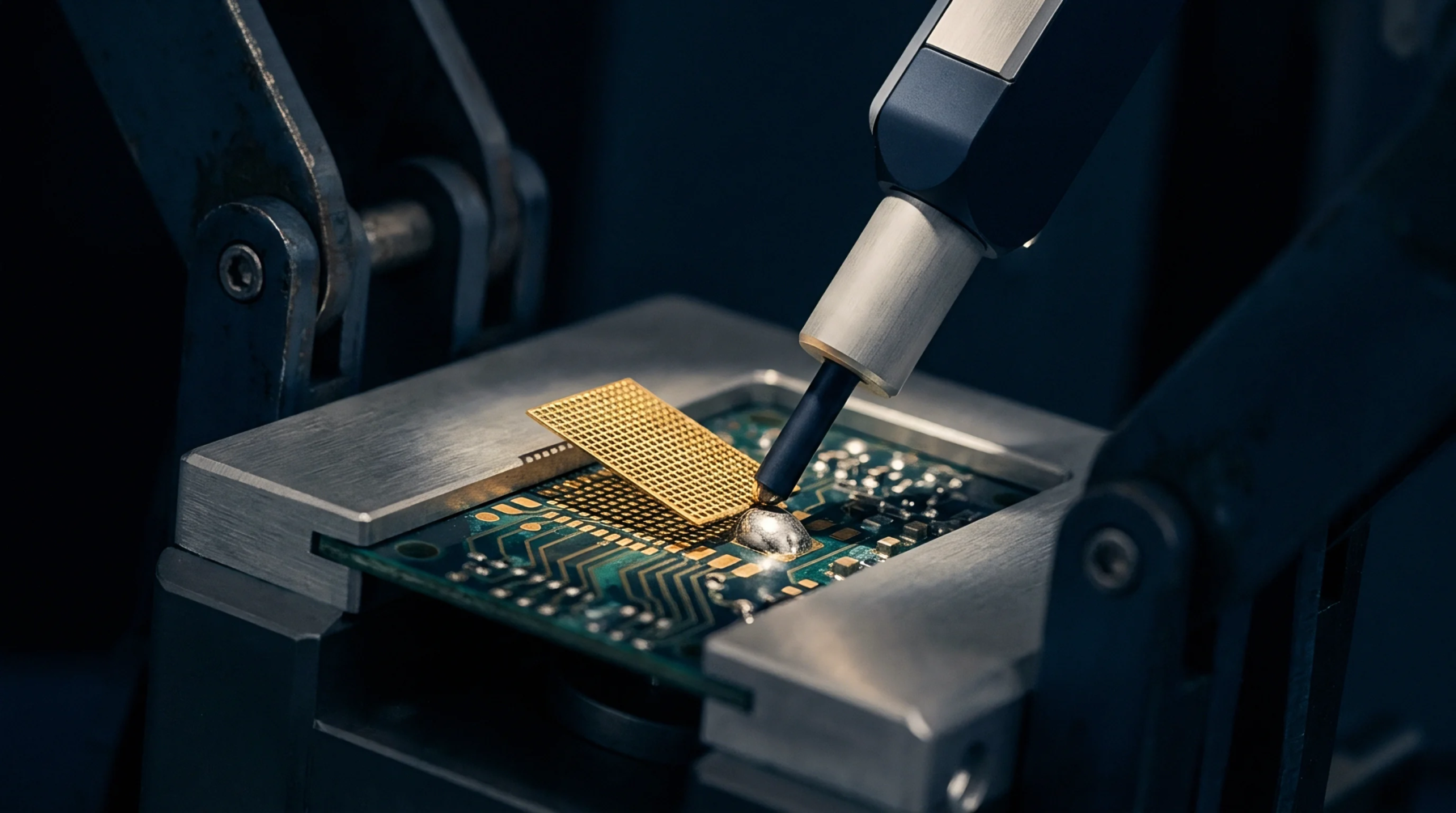
Formulate multi-frequency AC impedance guardbands by applying asymmetric root-sum-square budgets that absorb moisture uptake and vector de-embedding shifts.
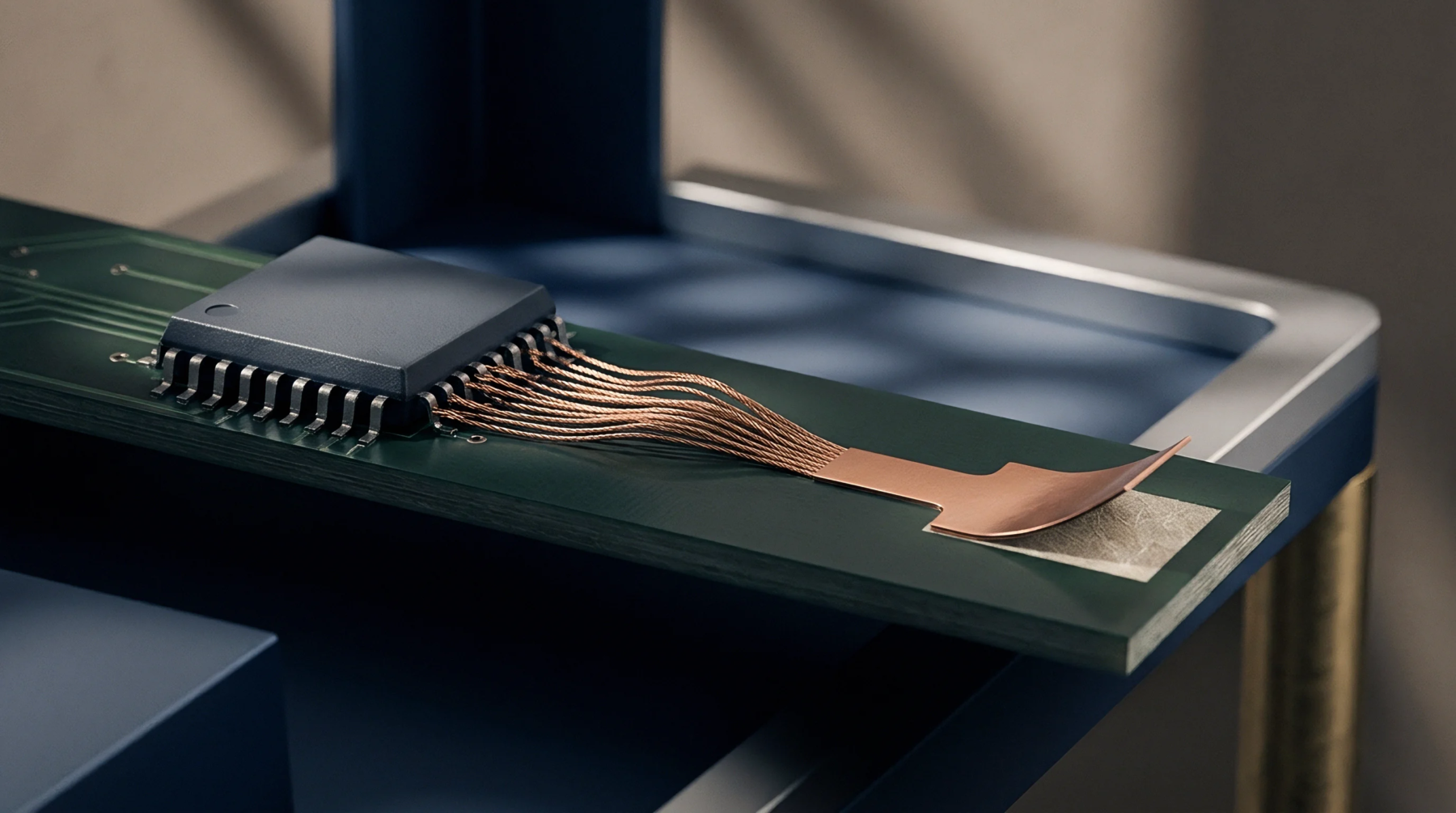
Hybrid multilayer selection pairs low-loss RF laminates with epoxy bases by matching cure windows, controlling z-axis expansion, and optimizing panel yields.
Differential trace impedance testing verifies high-speed PCB signal integrity using time-domain reflectometry on panel test coupons.
HDI laminate selection balances resin z-CTE expansion, low-Dk glass weave style, and HVLP copper roughness against sequential lamination panel yields.
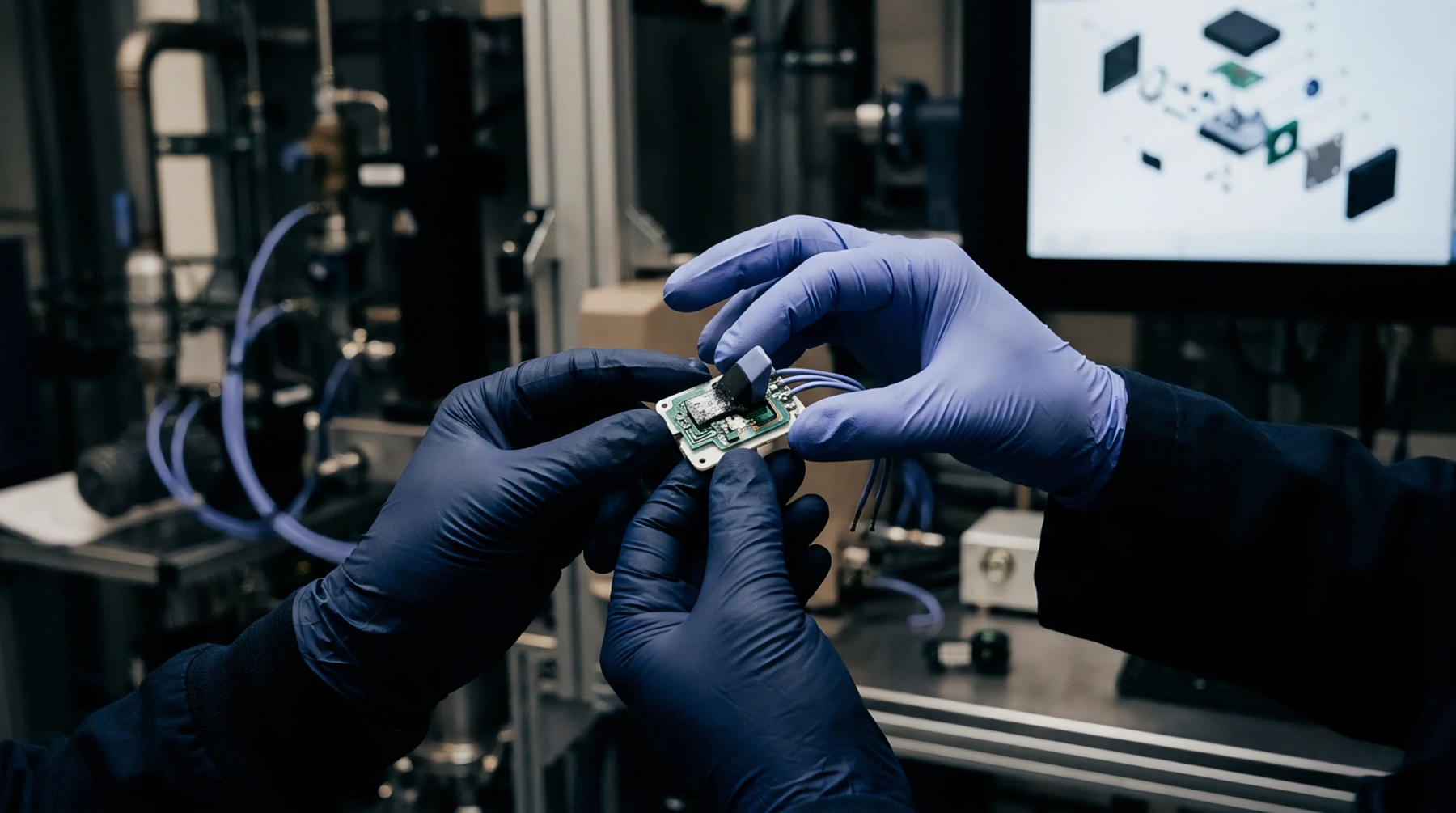
Mitigate differential stripline glass weave skew by combining low-Dk spread glass, multi-ply prepregs, and minimum two-degree routing offsets on drawings.
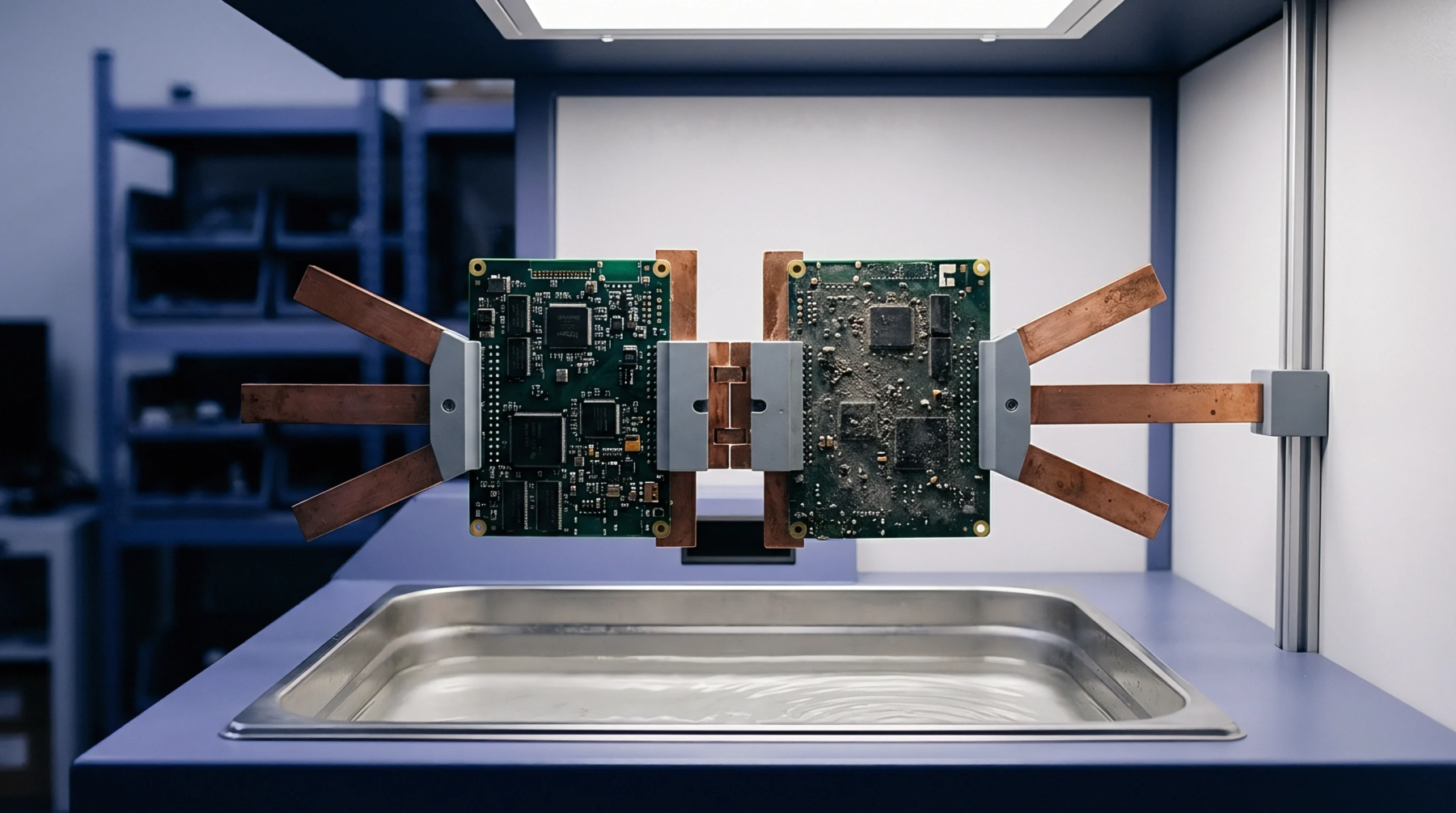
Spread glass styles eliminate dielectric spatial variation, stabilizing differential impedance and phase skew across high-frequency printed circuit routing.
Expertise is a utility, not a secret. sentiention™ publishes its working knowledge as open reference: intelligence layer covering the materials it sources, the markets it enters, and the reference that serves both.