Electrical Defect Detection Boundaries in Differential Signal Paths
Low-frequency DC probing misses high-speed differential symmetry defects, requiring combined TDR, AC scan, and S-parameter metrics to bound structural escapes.
Low-frequency DC probing misses high-speed differential symmetry defects, requiring combined TDR, AC scan, and S-parameter metrics to bound structural escapes.
Cross-hatched ground plane geometry requires balancing mesh pitch, line width, and trace bias angle to prevent impedance elevation and slow-wave phase delay.

Reinforcement fiber bundle periodicity causes localized dielectric constant variation, driving phase skew that requires spread glass or rotated routing to control.
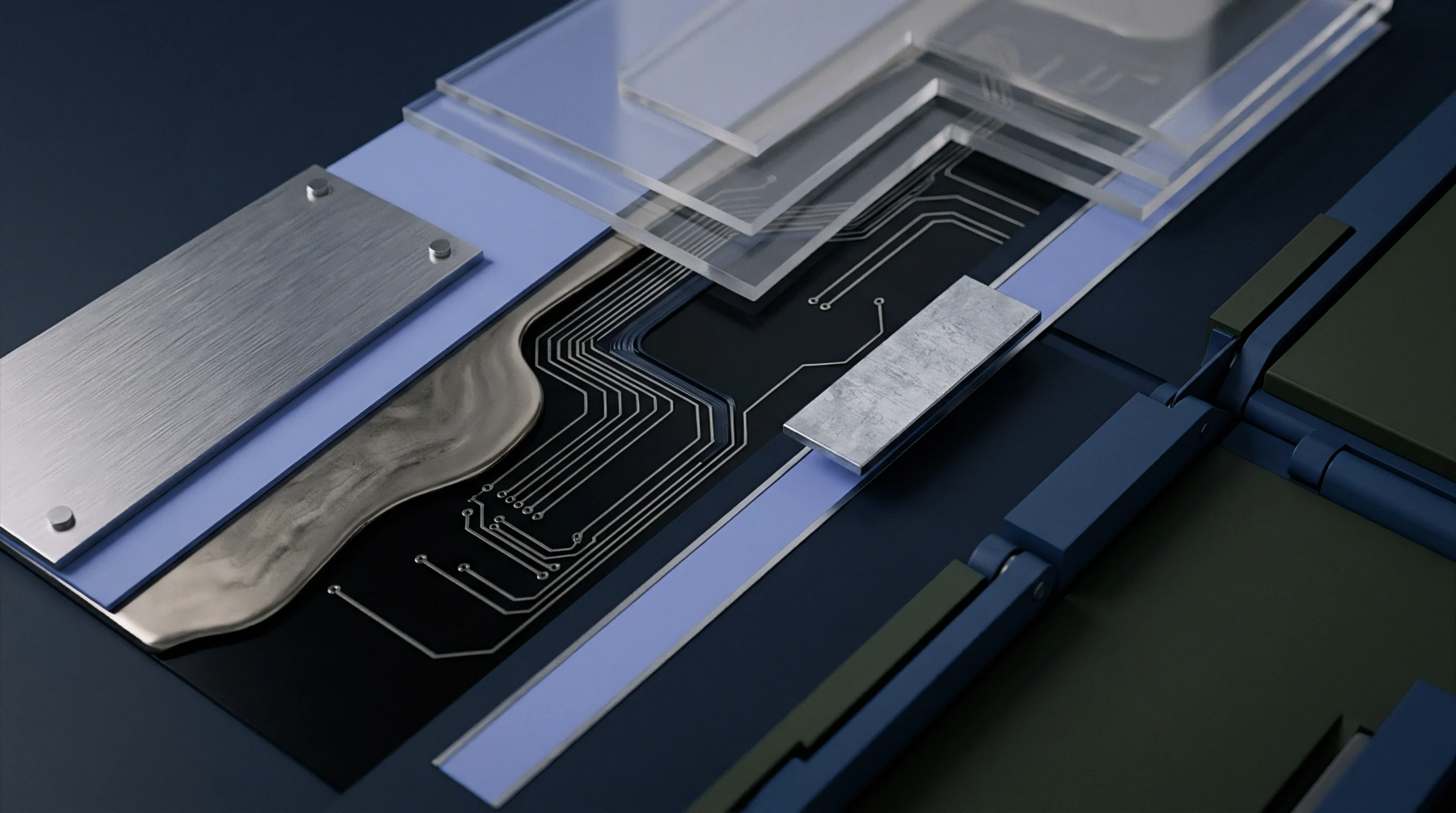
Spread prepreg styles flatten glass yarns to eliminate dielectric window voids, reducing differential phase skew below 1.5 ps per inch in PAM4 signal lines.
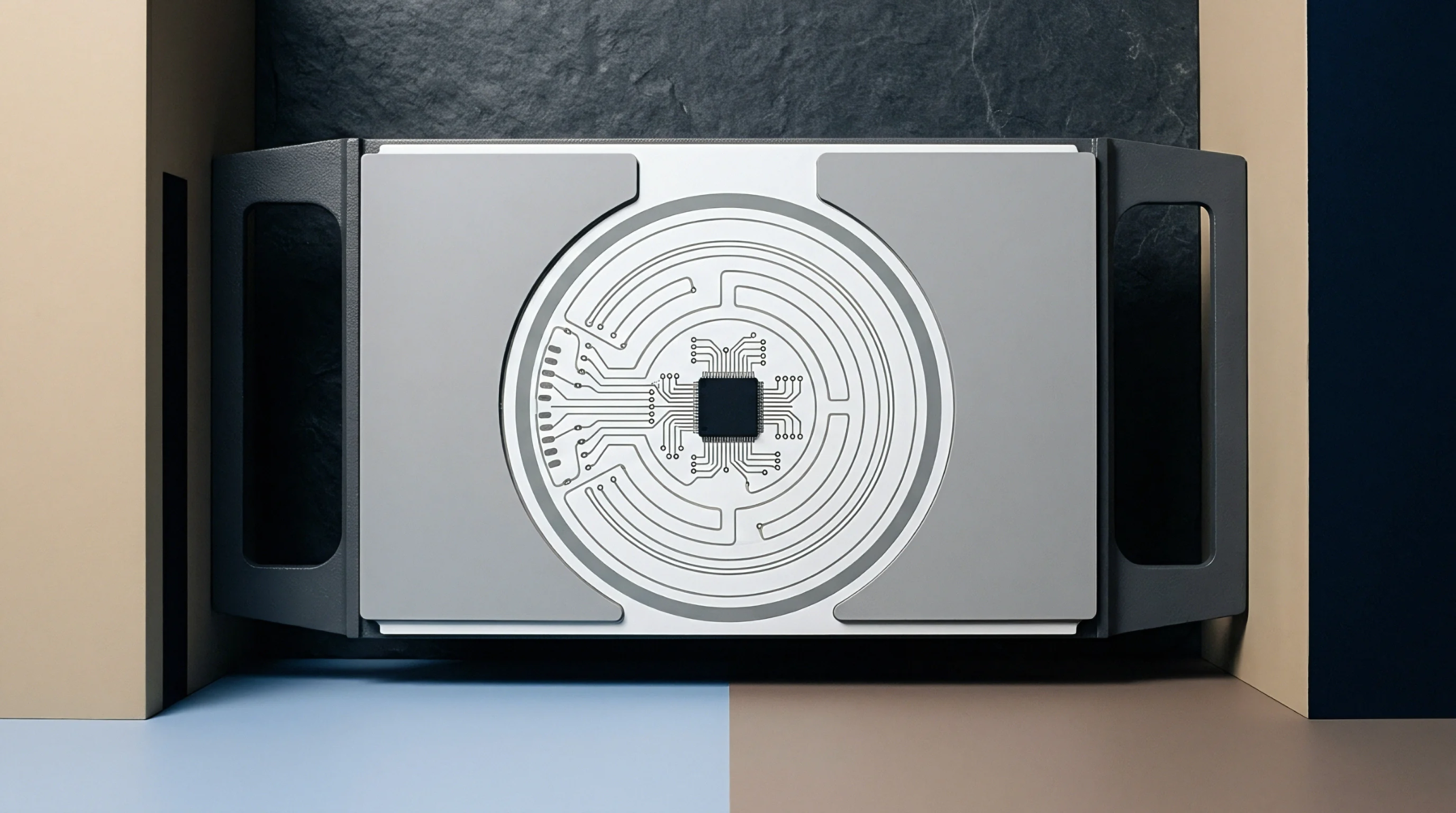
Glass weave skew causes intra-pair phase delay in high-speed differential pairs, requiring spread glass, dual-ply prepreg, or off-axis panel rotation.
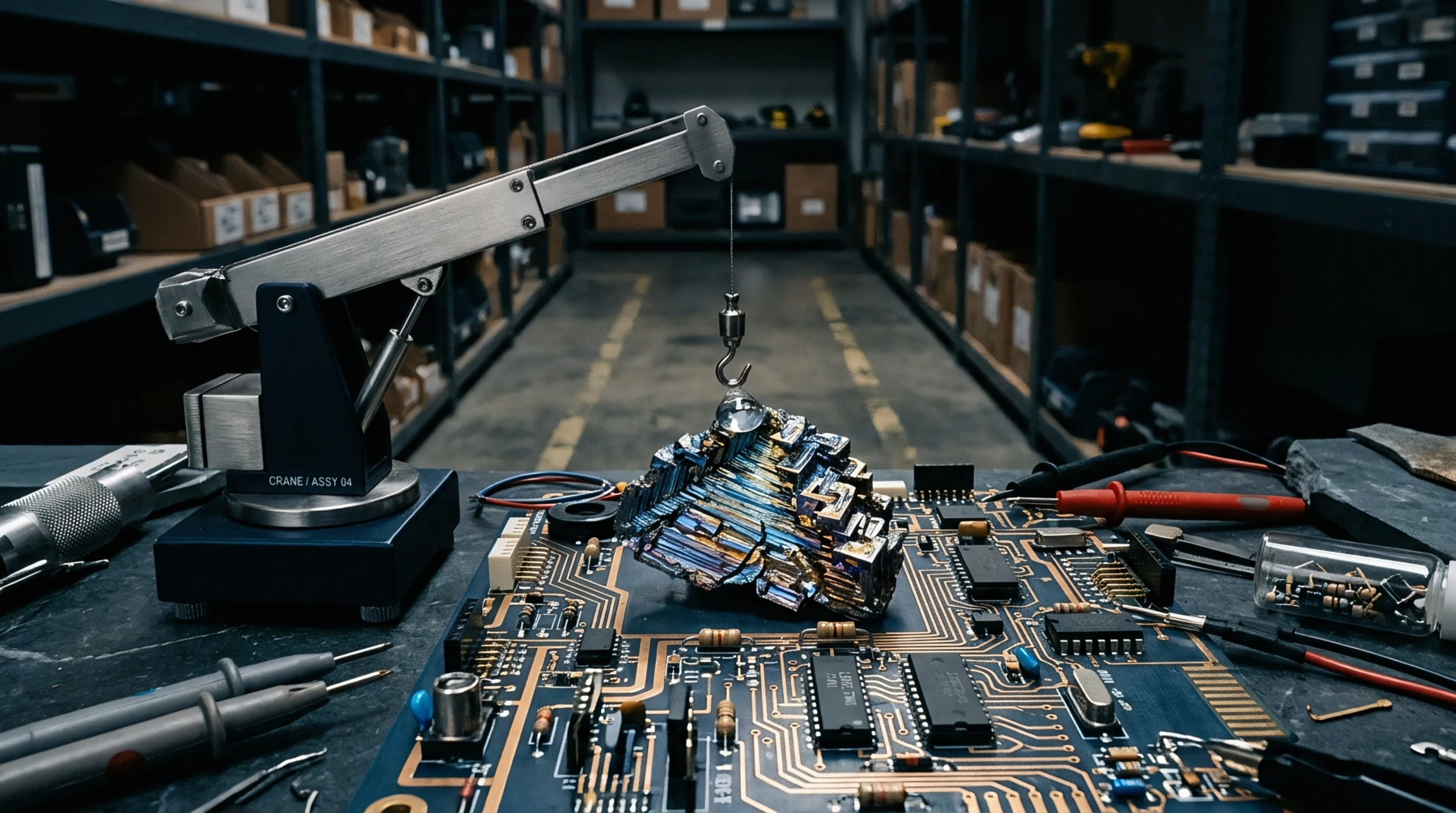
Residual via stubs and connector discontinuities cause reflections and loss deviations that exhaust receiver DFE taps and collapse PCIe link margins.

Trapezoidal etch profiles and sidewall undercut degrade high-frequency channel return loss by introducing spatial impedance steps that demand mSAP or dynamic CAM compensation.
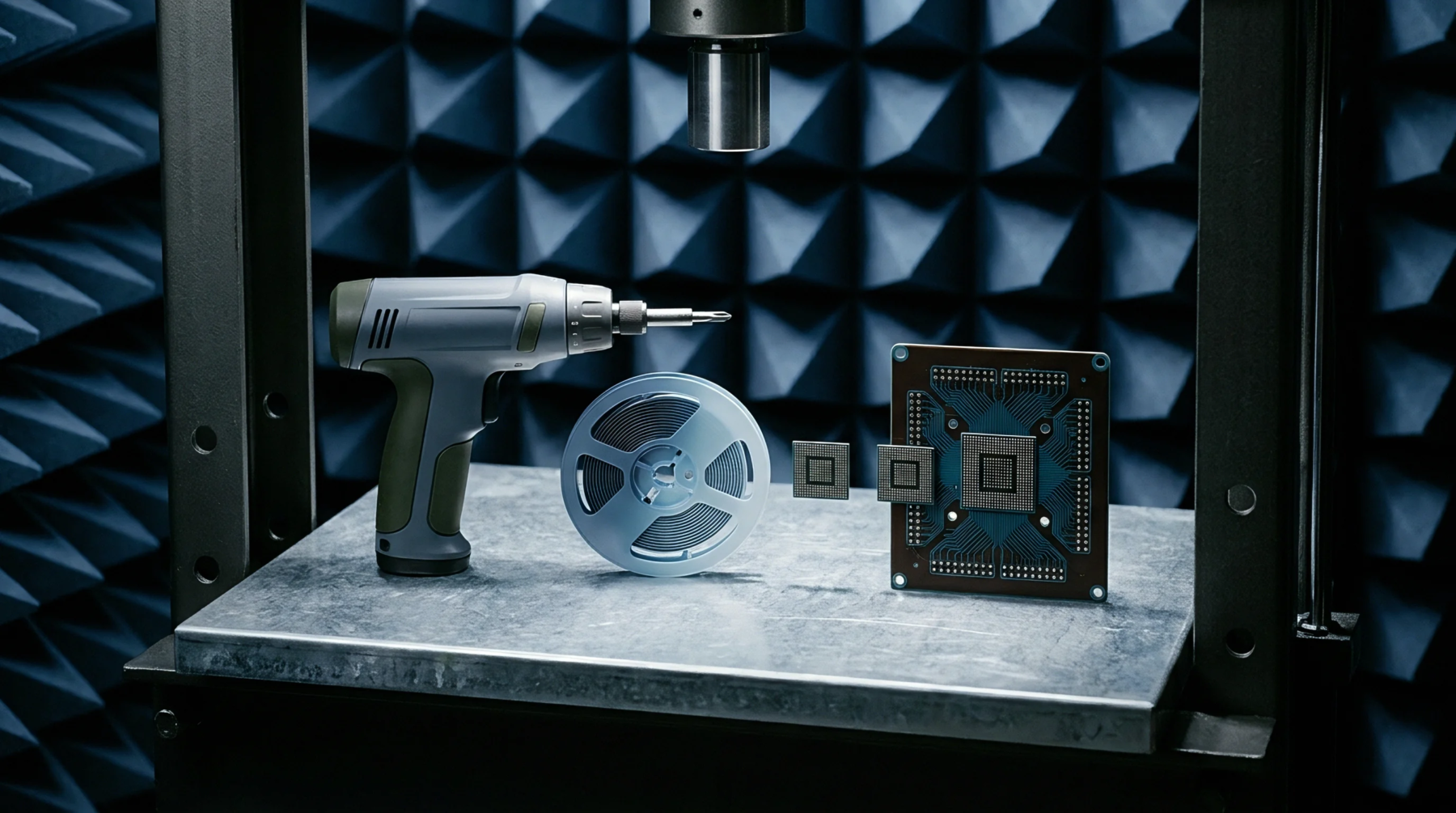
Spread glass prepreg flattens yarn bundles to eliminate open resin windows, preventing high-speed intra-pair differential skew and mode conversion.
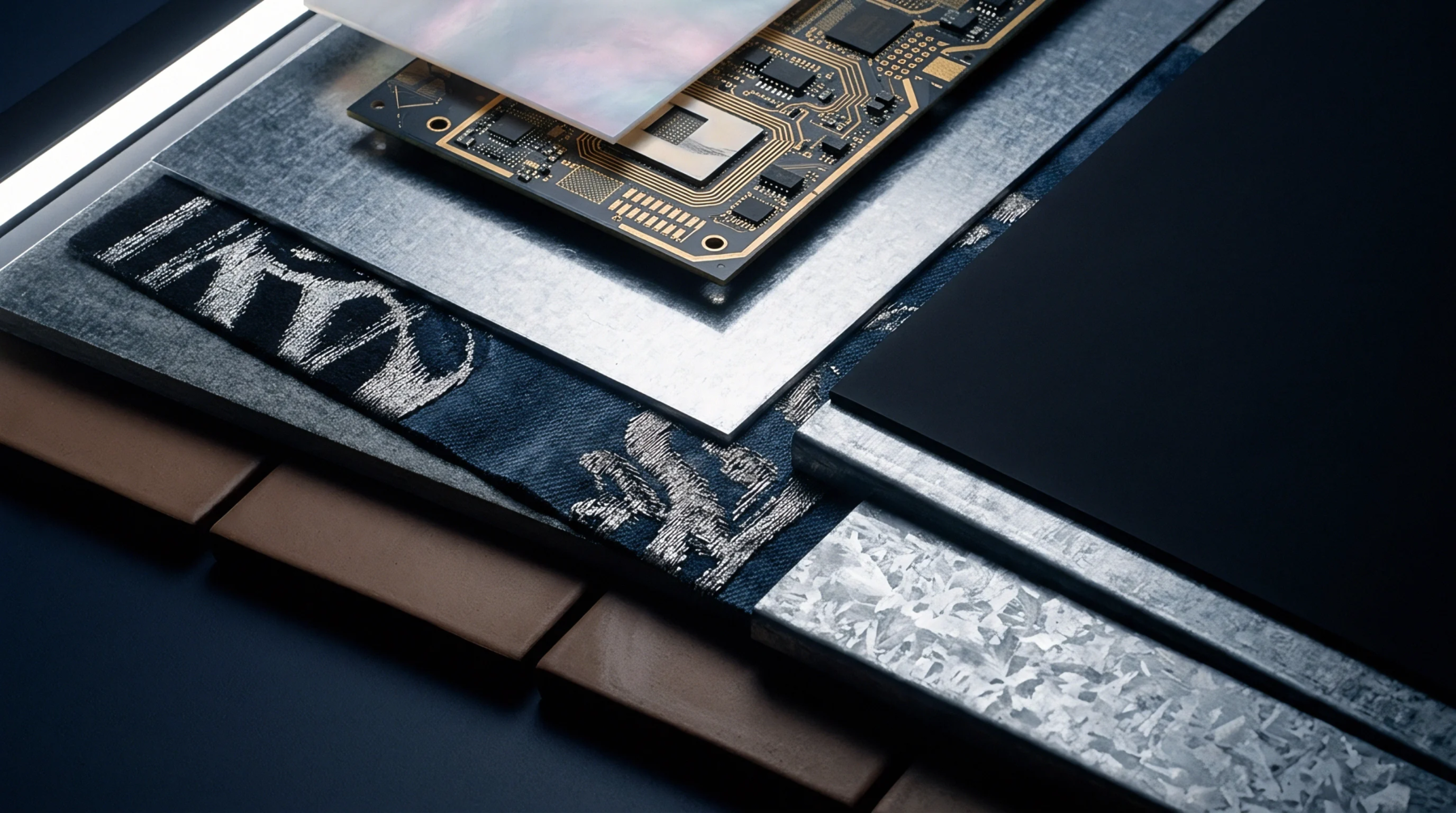
Selecting mechanically spread glass fabric and enforcing multi-ply laminate construction mitigates intra-pair differential skew without panel rotation costs.
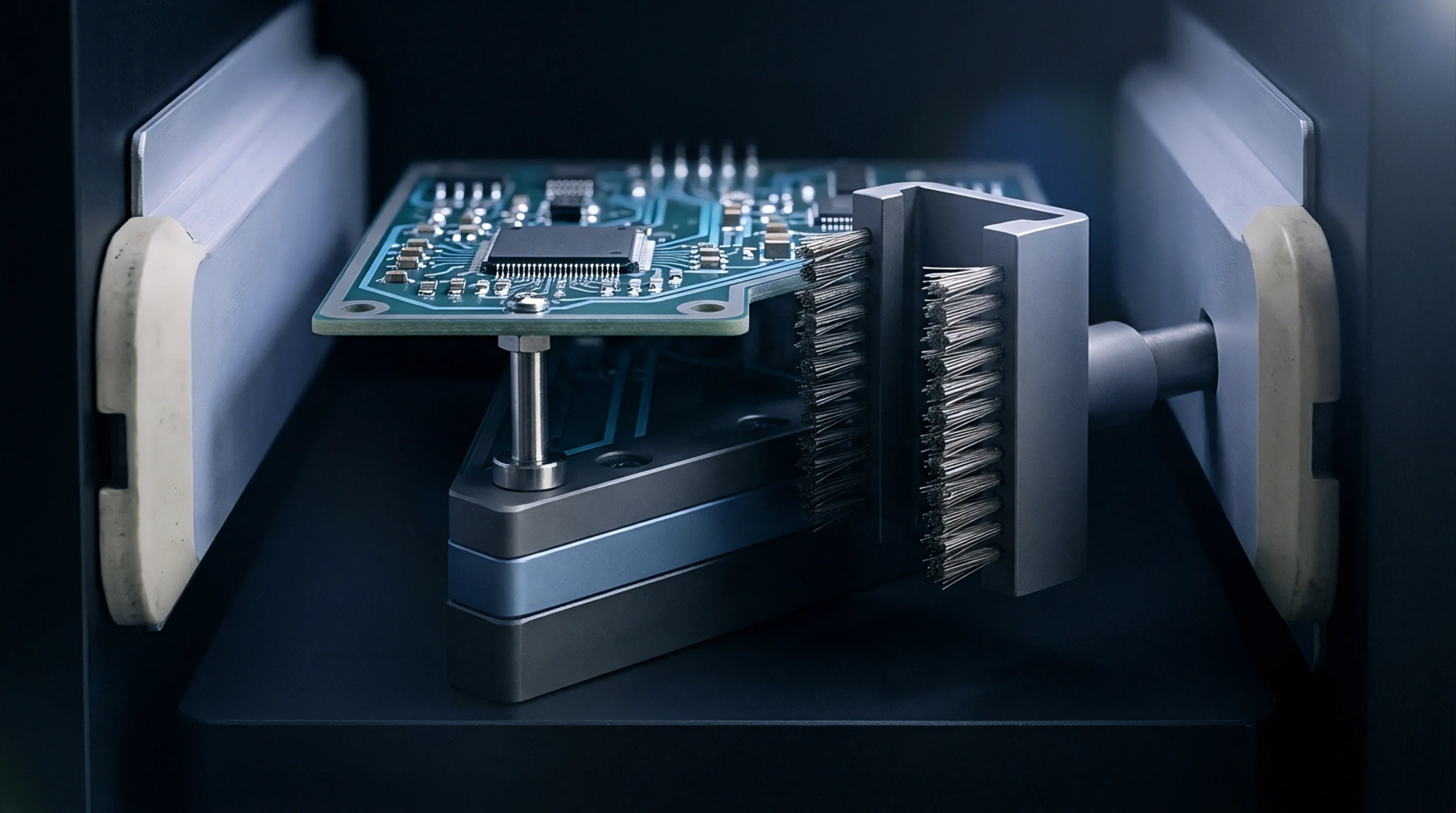
Unscreened high-frequency channel structural escapes drive PCI Express residual bit error rates above spec limits by inducing localized signal resonances.
Expertise is a utility, not a secret. sentiention™ publishes its working knowledge as open reference: intelligence layer covering the materials it sources, the markets it enters, and the reference that serves both.