Stress Mechanism
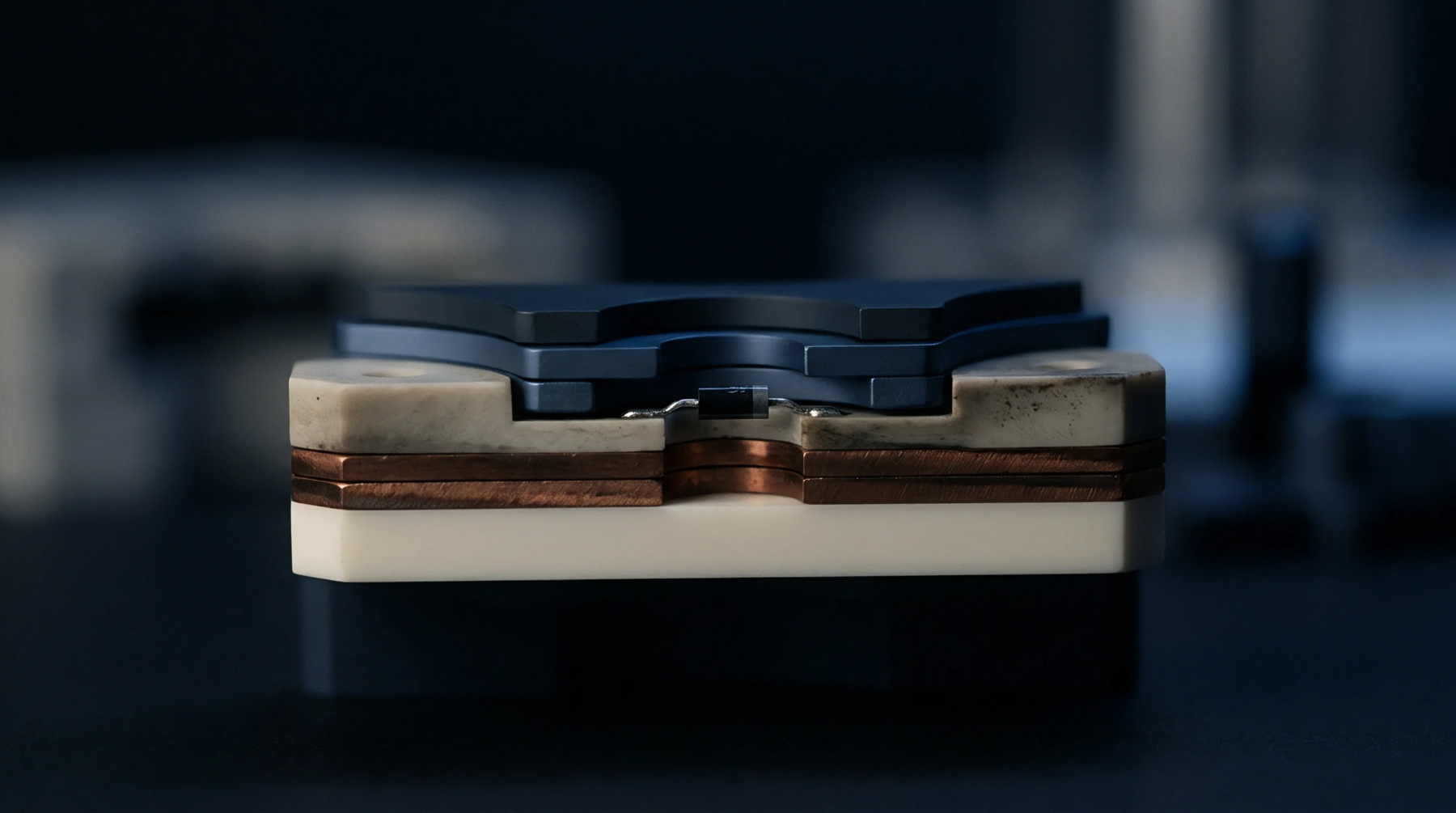
Environmental testing protocols accelerate potential solder fatigue by subjecting assembled electronic modules to extreme temperature swings that force expansion and contraction at different rates within the printed circuit board assembly. Thermal cycling replicates the mechanical strain caused by mismatched coefficients of expansion across disparate material interfaces. Differences in stiffness between copper traces, laminate resin and silicon die create shear forces across solder joints during every temperature excursion.
Repeated exposure causes microscopic cracks to propagate through the intermetallic layers of the joint until electrical continuity fails.
Cycle Parameter
Specific ramp rates determine the level of mechanical stress applied to components during these tests. Operators hold the low temperature for a set duration to allow thermal equilibrium throughout the assembly before raising the chamber heat to the designated upper limit. Dwell times at both temperature extremes permit creep deformation within the metal lattices of the solder alloy.
Engineers monitor resistance through daisy chain patterns on test vehicles to detect open circuits that signal failure. This method quantifies the fatigue life of interconnects under controlled laboratory conditions rather than operational reality. Longer cycles impose more severe creep on the joints, while rapid transitions focus on instantaneous thermal shock effects.
The duration of the transition influences how much energy the material stores before recovery begins.
Failure Mode
Solder joints exhibit degradation patterns that correlate directly with the magnitude of temperature delta and the total count of completed loops. Ductile alloys typically deform plastically during each excursion, which creates voids or cracks that worsen until the junction breaks. High density interconnects experience greater internal strain than traditional through hole connections due to smaller volumes of solder supporting the component body.
A leadless part lacks the compliance found in gull wing leads, so it transfers the entire expansion stress into the solder interconnect. Reliability predictions depend on the assumption that laboratory test results scale linearly with field deployment conditions. Excessive cycles drive the joints beyond their elastic limit and eventually terminate the functional life of the assembly.