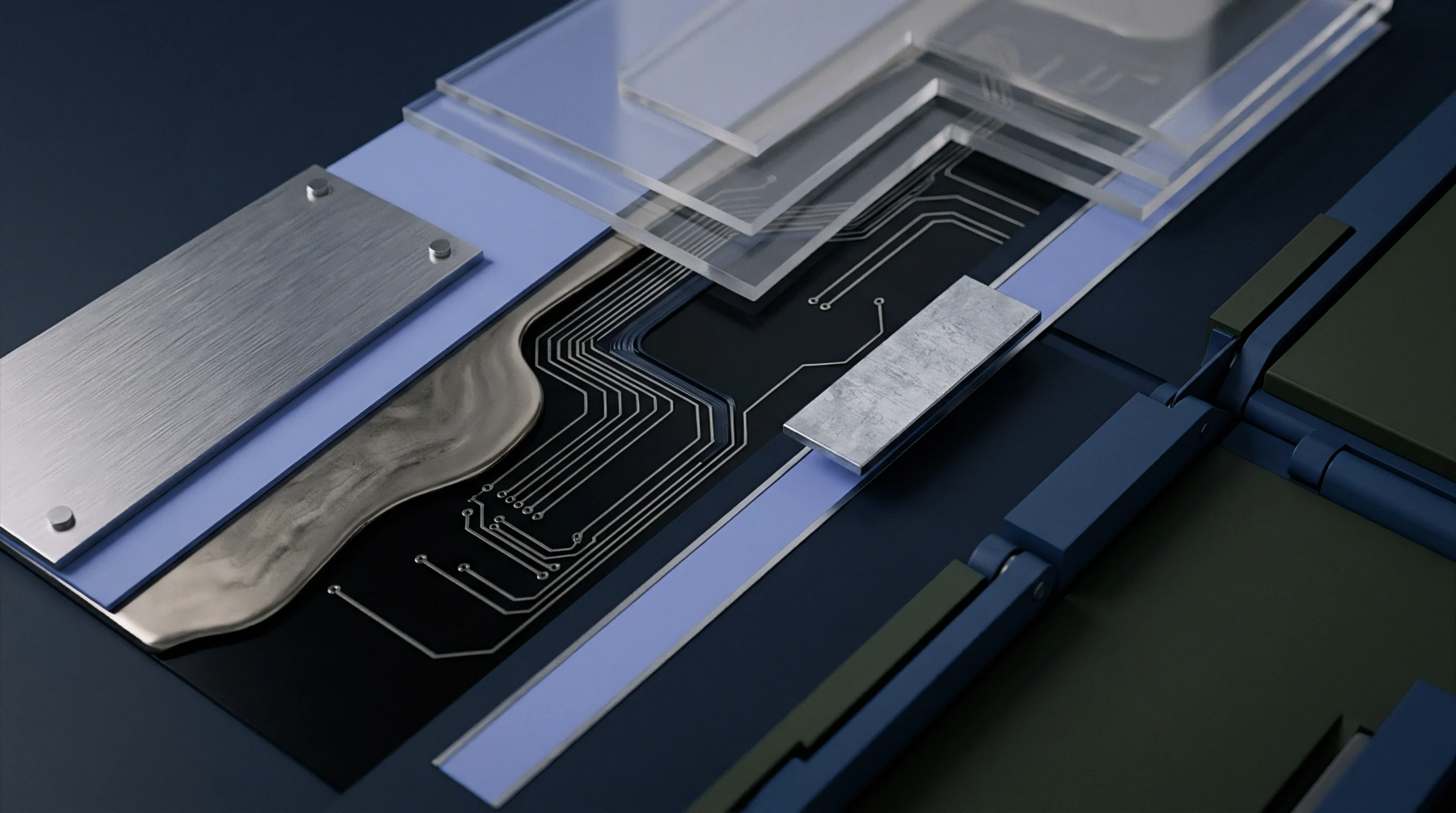
Microvia Plating Fatigue under Thermal Cycling
Microvia plating fatigue under thermal cycling stems from z-axis CTE mismatch, requiring ductile copper plating and continuous resistance monitoring to prevent field failures.
Microvia plating fatigue under thermal cycling stems from z-axis CTE mismatch, requiring ductile copper plating and continuous resistance monitoring to prevent field failures.
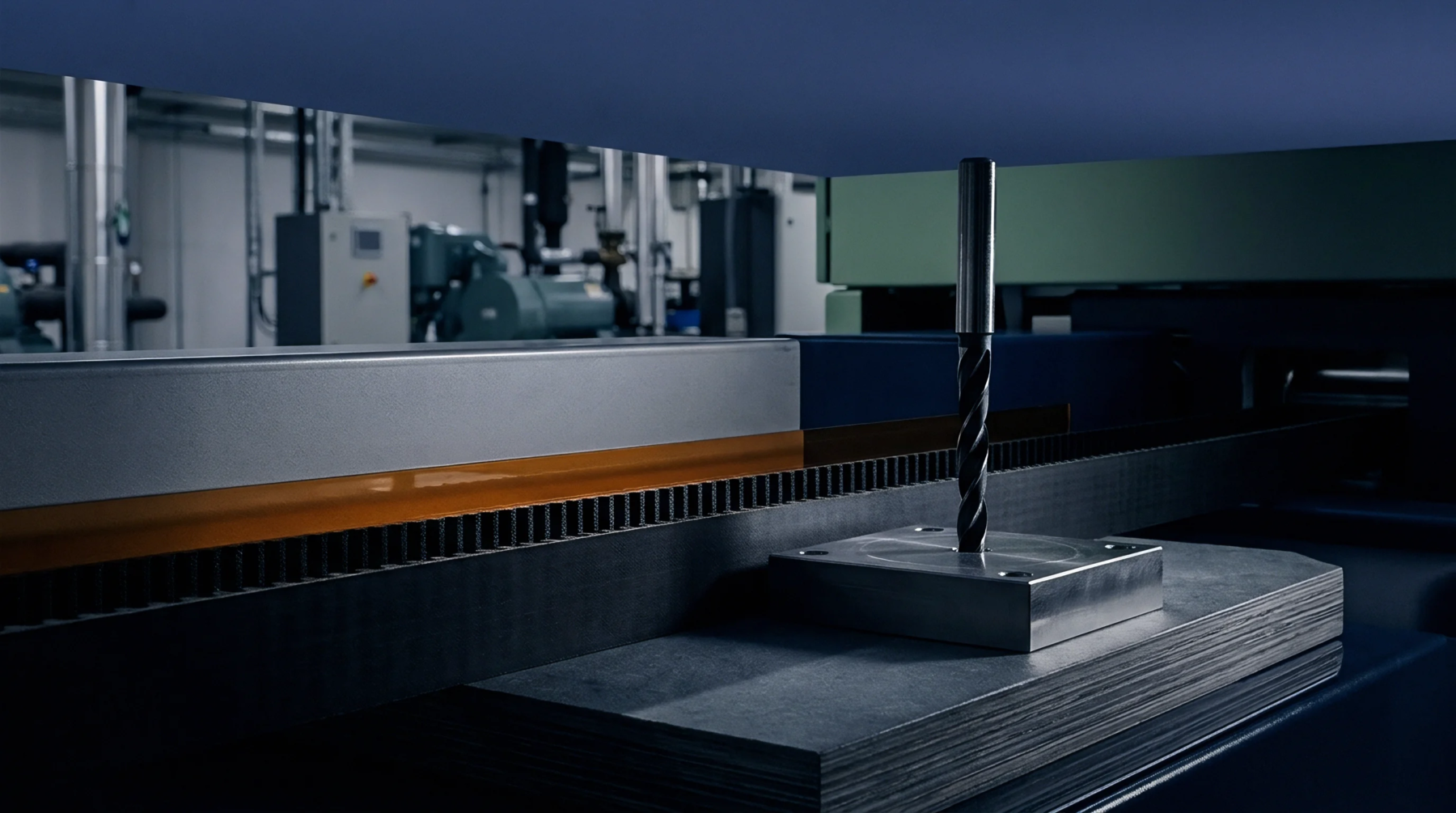
Electrodeposited microvia column fatigue life depends on controlling plating chemistry additives to eliminate interfacial nano-voids that coalesce during reflow.

Quantifying microcrack defect escape rates requires coupling dynamic in situ event detection with accelerated thermal screening to intercept latent joint opens.

Calibrating ASIC thermal cycling requires matching ramp rates and dwell times to die-level thermal lag, isolating latent microvia defects without exceeding fatigue limits.
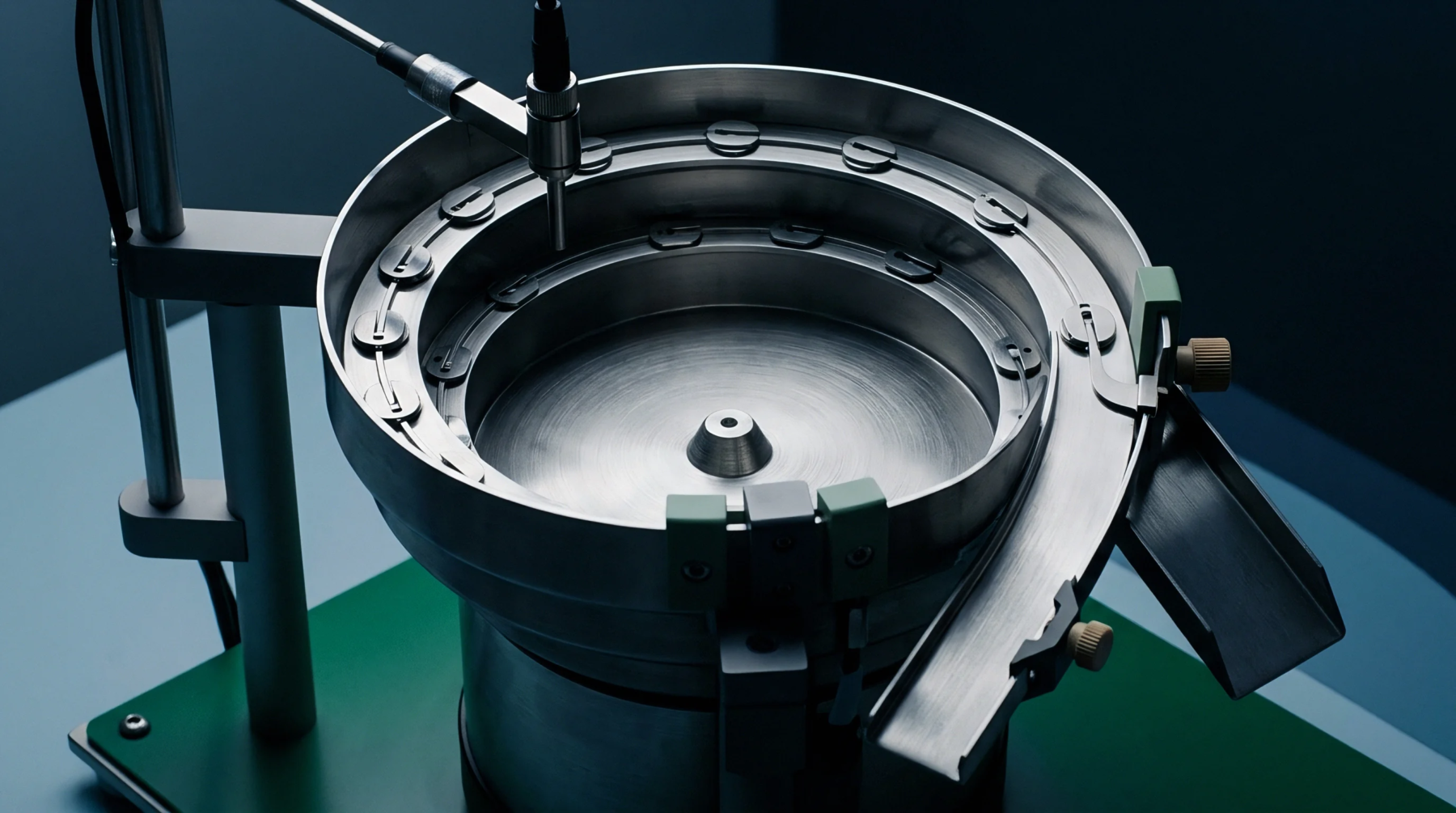
Flying probe target allocation must limit hits on individual microvia lands to prevent plastic strain fatigue, preserving copper ductility for reflow survival.
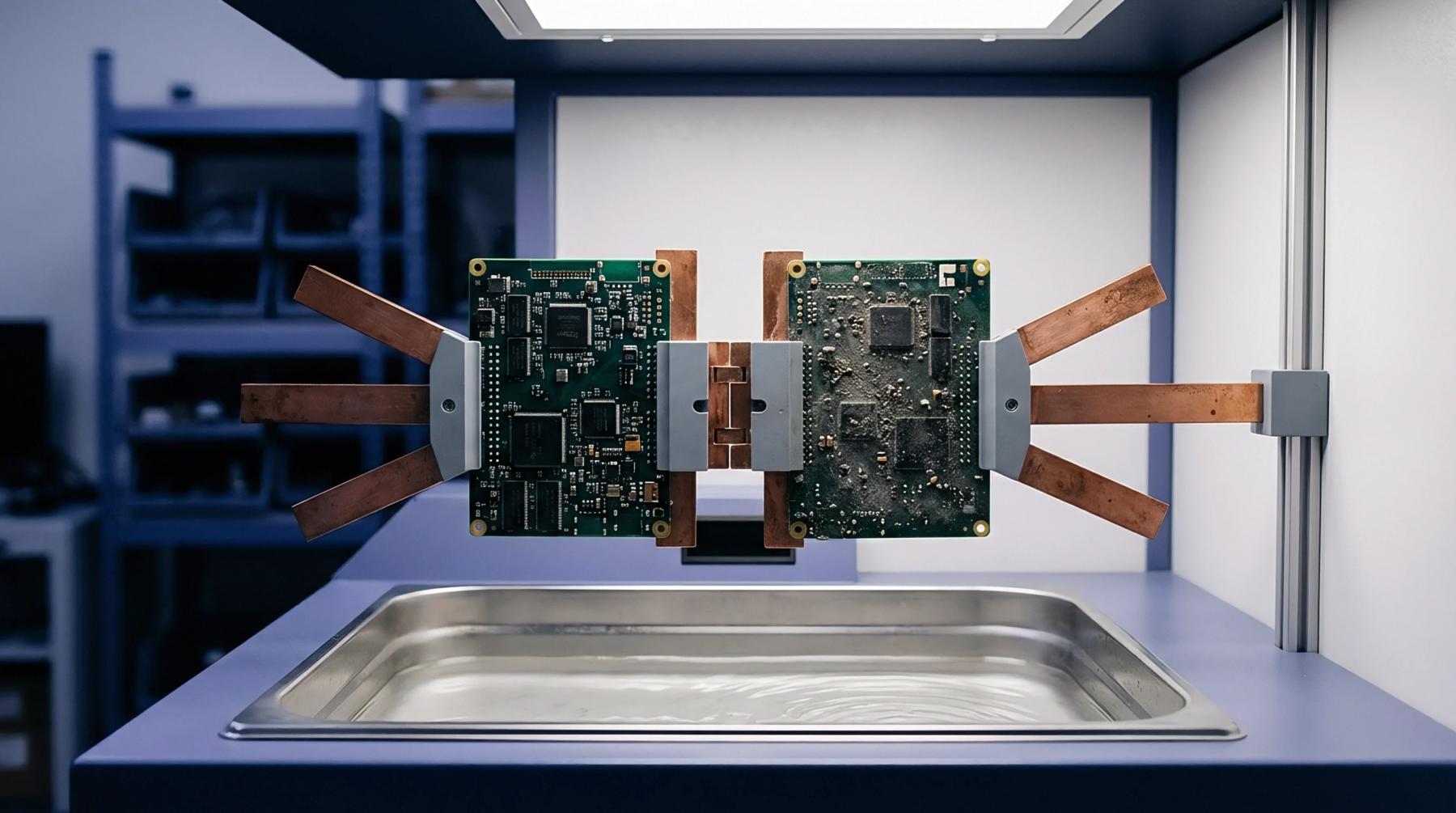
Dynamic thermal stress screening using micro-ohm glitch detection isolates latent intermittent microcracks in high-density multilayer substrates before release.
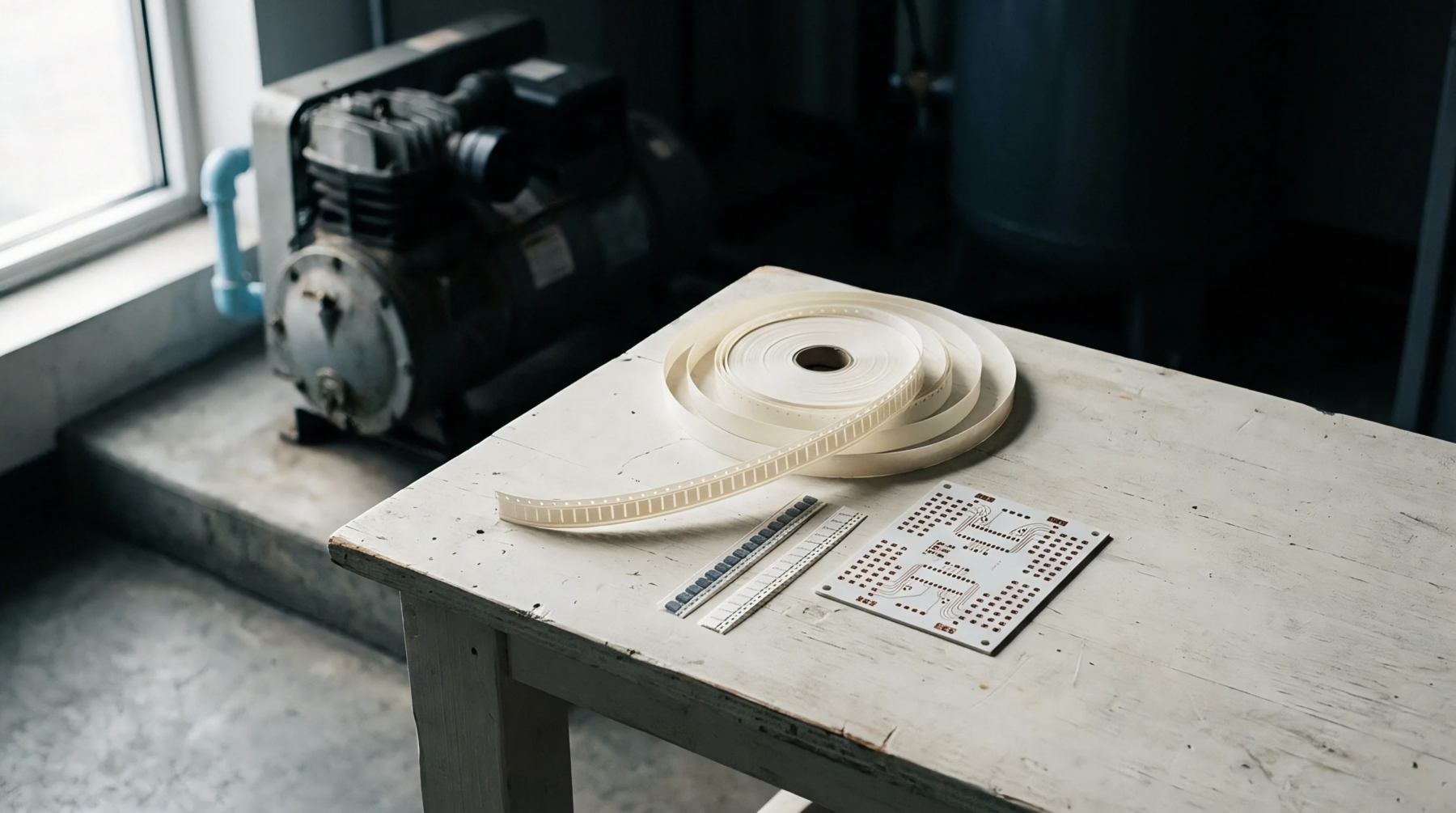
Continuous high-speed Kelvin monitoring during rapid thermal cycling isolates latent target pad separations that re-nest and pass static ambient tests.
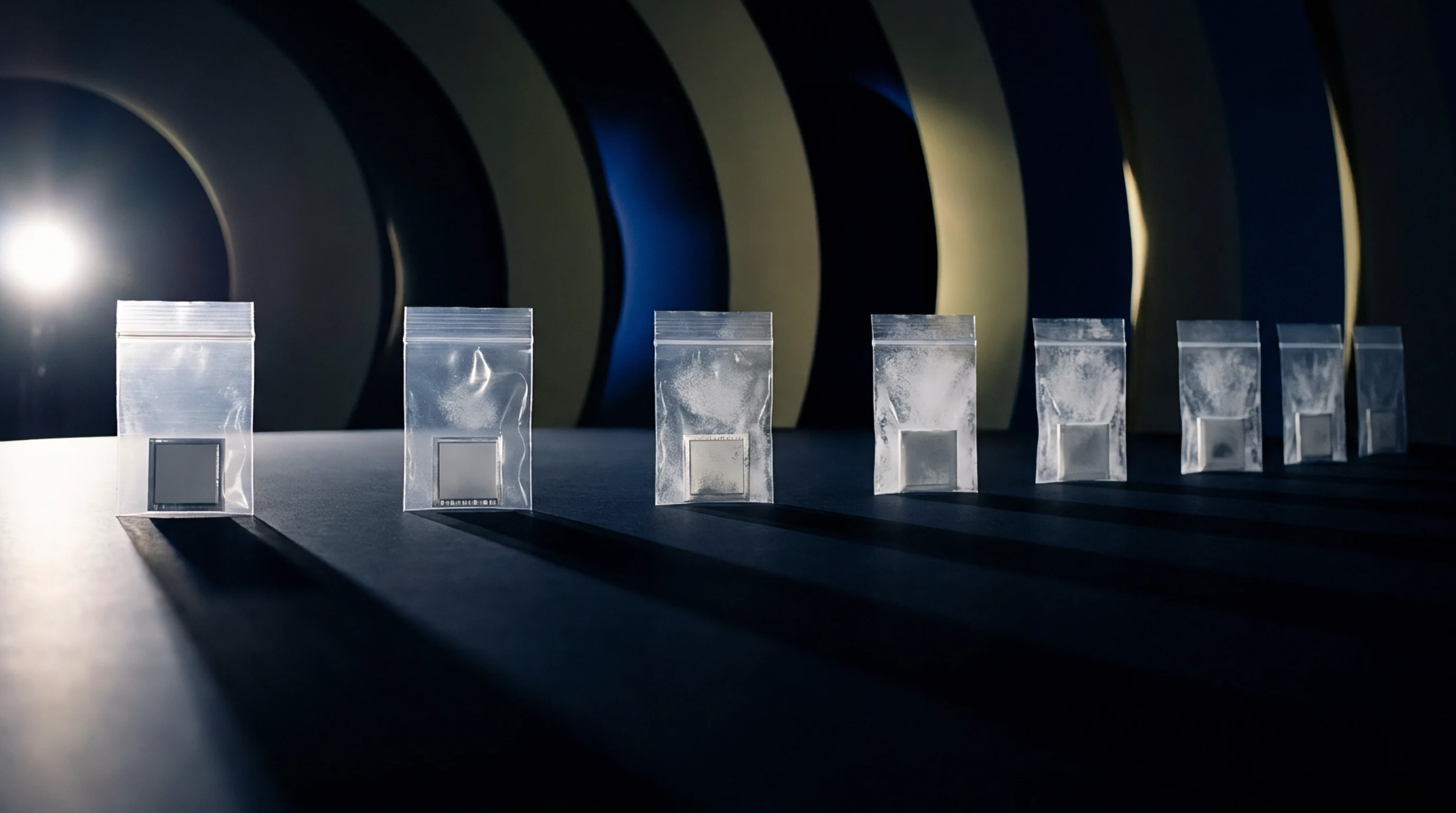
Correlating micro-ohmic resistance drift in thermal stress coupons with microsection defect rates isolates latent inner layer post separation before assembly.
Unprobed netlist escapes caused by latent intermetallic microvoiding fall on the buyer unless contract terms define microstructural aging as a material defect.
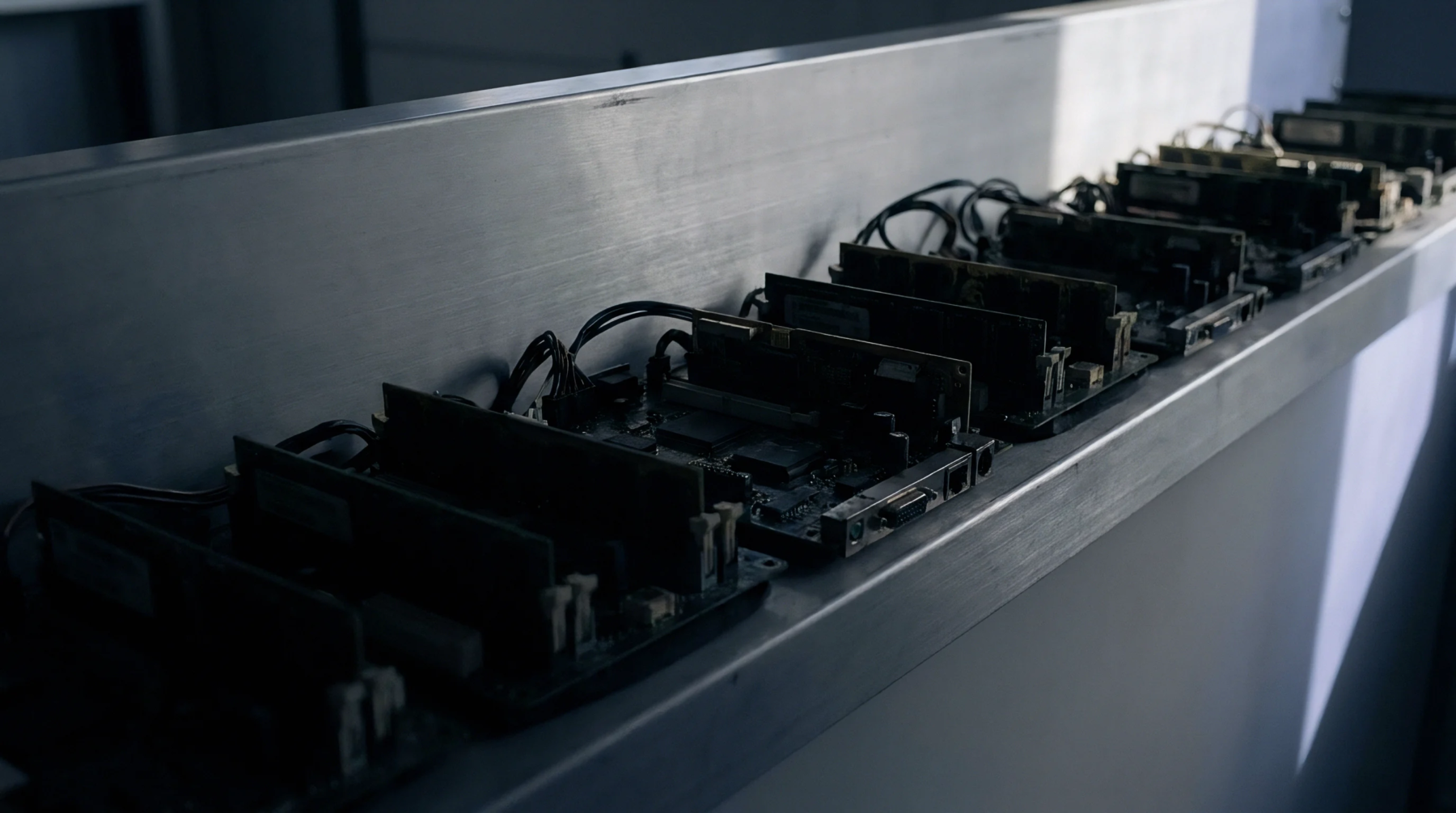
Enforce IPC/JEDEC-9704 strain budgets and maximum 5% intermetallic planar void limits in assembly contracts to hold manufacturers liable for latent solder joint shear failures.
Expertise is a utility, not a secret. sentiention™ publishes its working knowledge as open reference: intelligence layer covering the materials it sources, the markets it enters, and the reference that serves both.