
Solid State Growth of Intermetallic Compounds in Lead Free Solder Joints
Solid state intermetallic growth degrades lead-free solder joints through parabolic Cu3Sn layer thickening and Kirkendall void embrittlement under thermal aging.
Solid state intermetallic growth degrades lead-free solder joints through parabolic Cu3Sn layer thickening and Kirkendall void embrittlement under thermal aging.
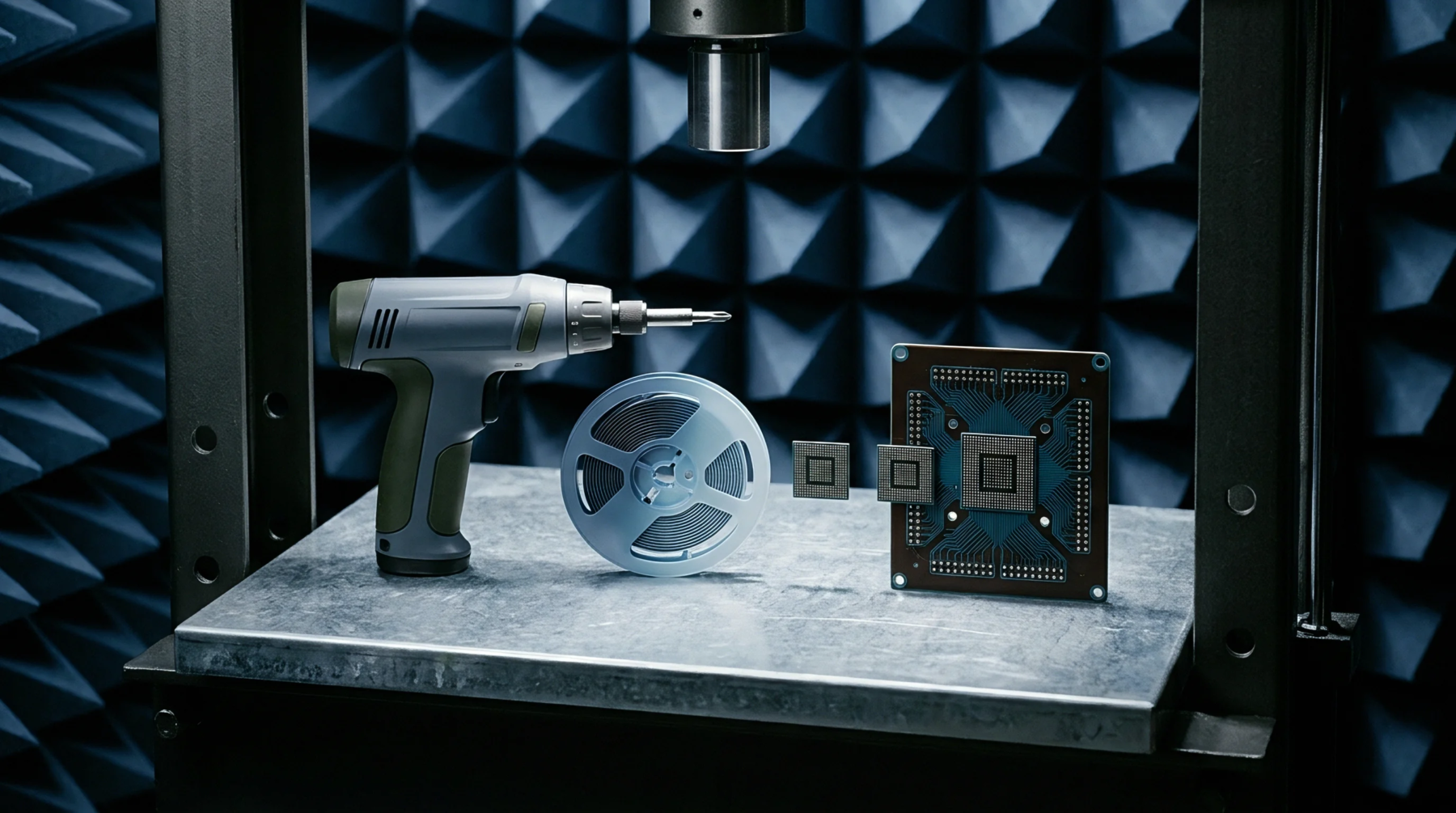
Accelerated stress screening hours convert to consumed operational lifespan through empirical fatigue models, bounding test duration to clear infant mortality without inducing premature wear-out.
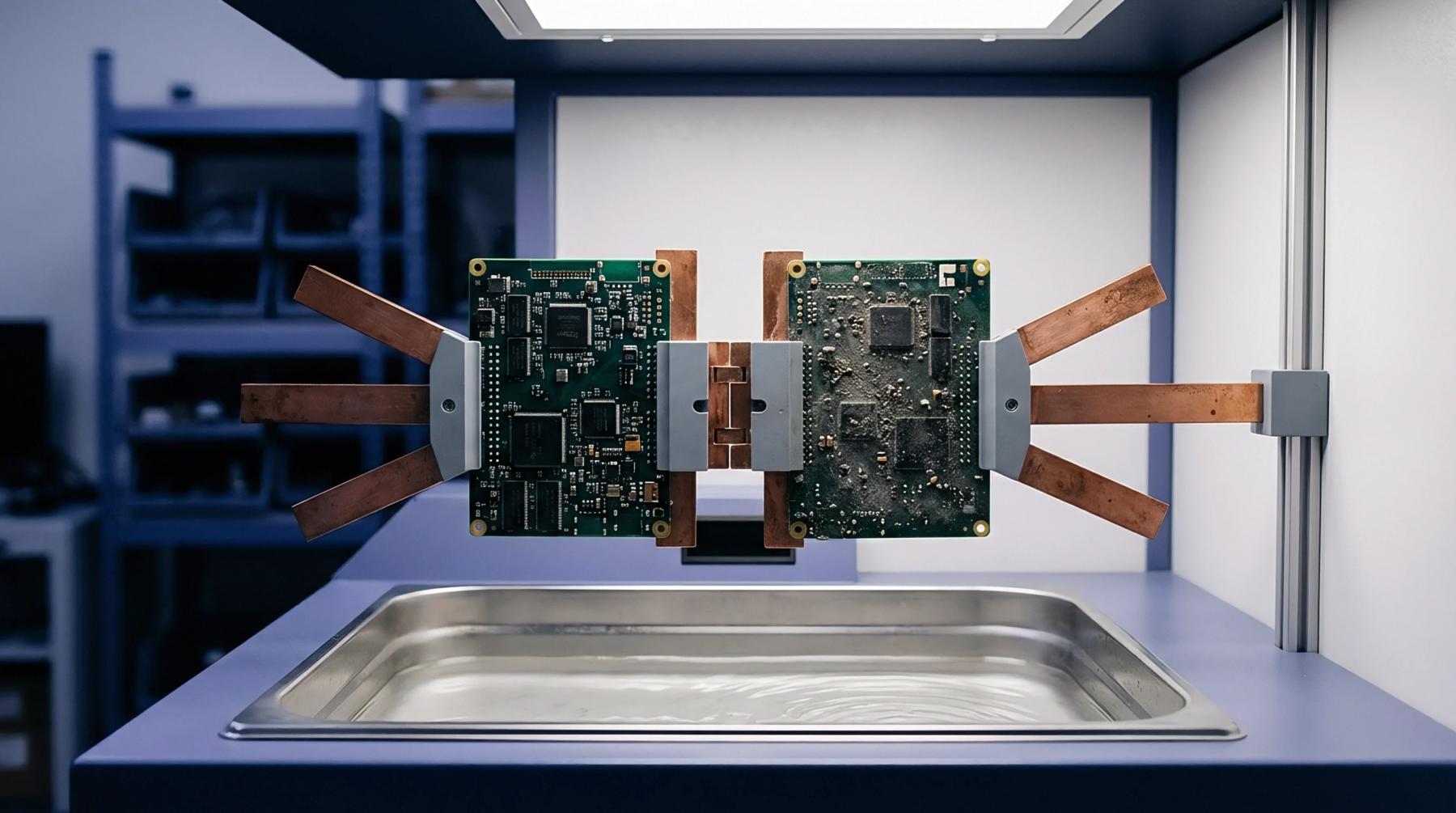
Unprobed netlists drop structural fault coverage, requiring integrated boundary scan vectors and adjusted warranty reserves to cover escape risks.

Dynamic thermal screening paired with acoustic reflection depth-gating isolates micro-cracks that pass static bench testing before they reach finished inventory.

Boundary scan netlist coverage is bounded by physical TAP access, requiring explicit fault universe math to quantify unverified structural escape risks.
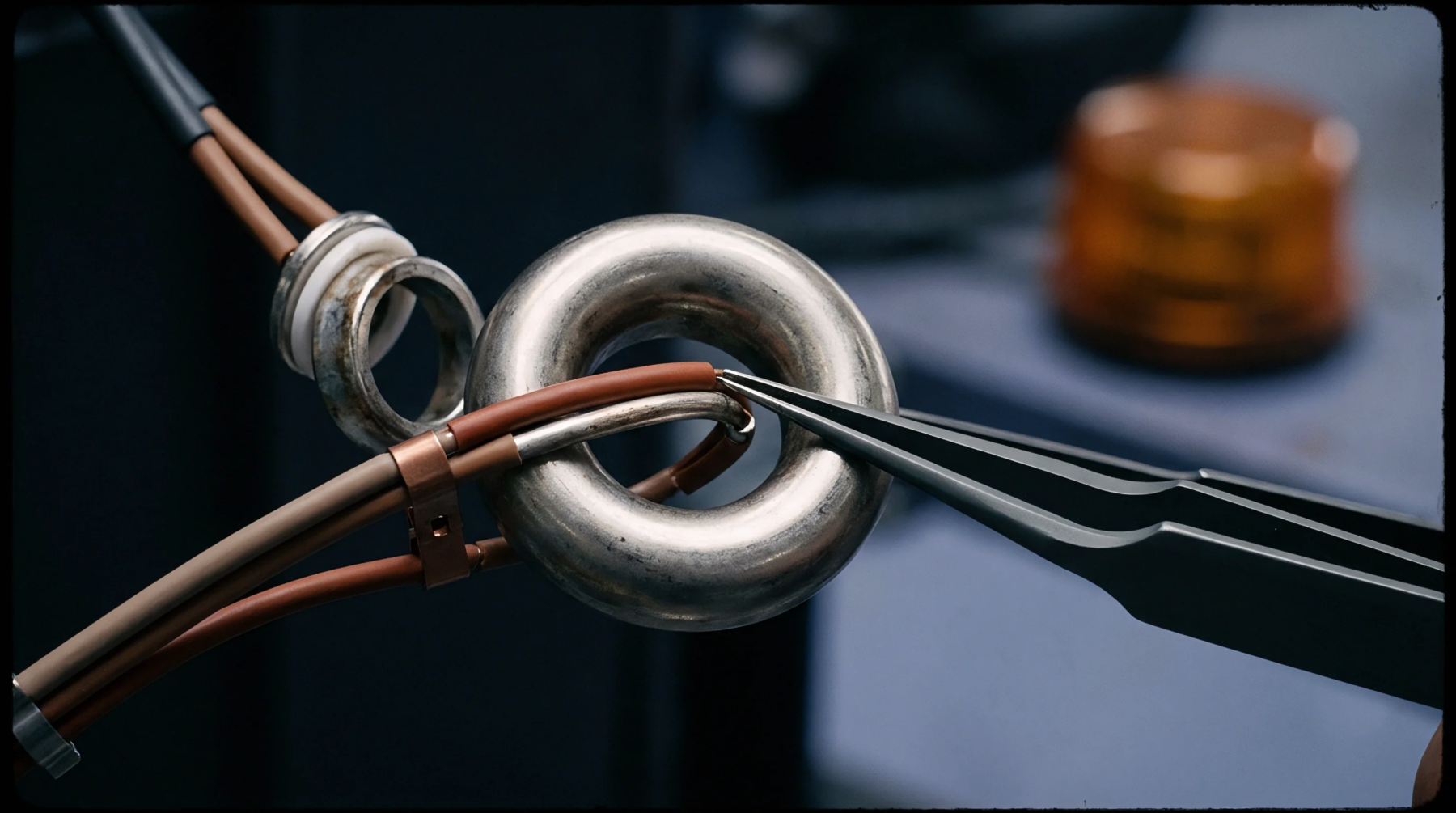
Unprobed netlist escapes caused by latent intermetallic microvoiding fall on the buyer unless contract terms define microstructural aging as a material defect.

Multilayer power distribution field escape risk requires bench near-field scanning and transfer impedance limits to prevent far-field compliance chamber failures.
Expertise is a utility, not a secret. sentiention™ publishes its working knowledge as open reference: intelligence layer covering the materials it sources, the markets it enters, and the reference that serves both.