Thermal Cycle Stress
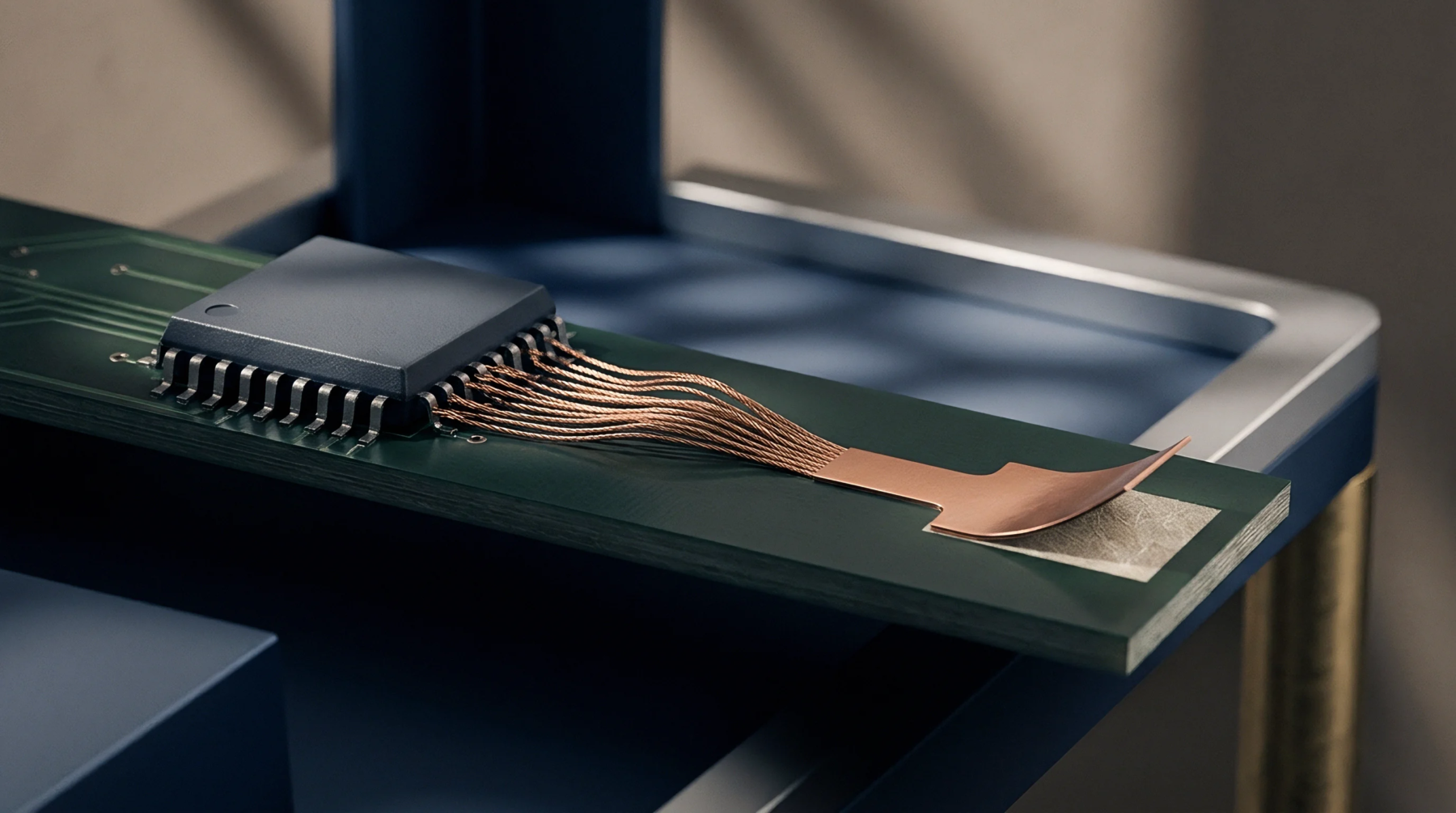
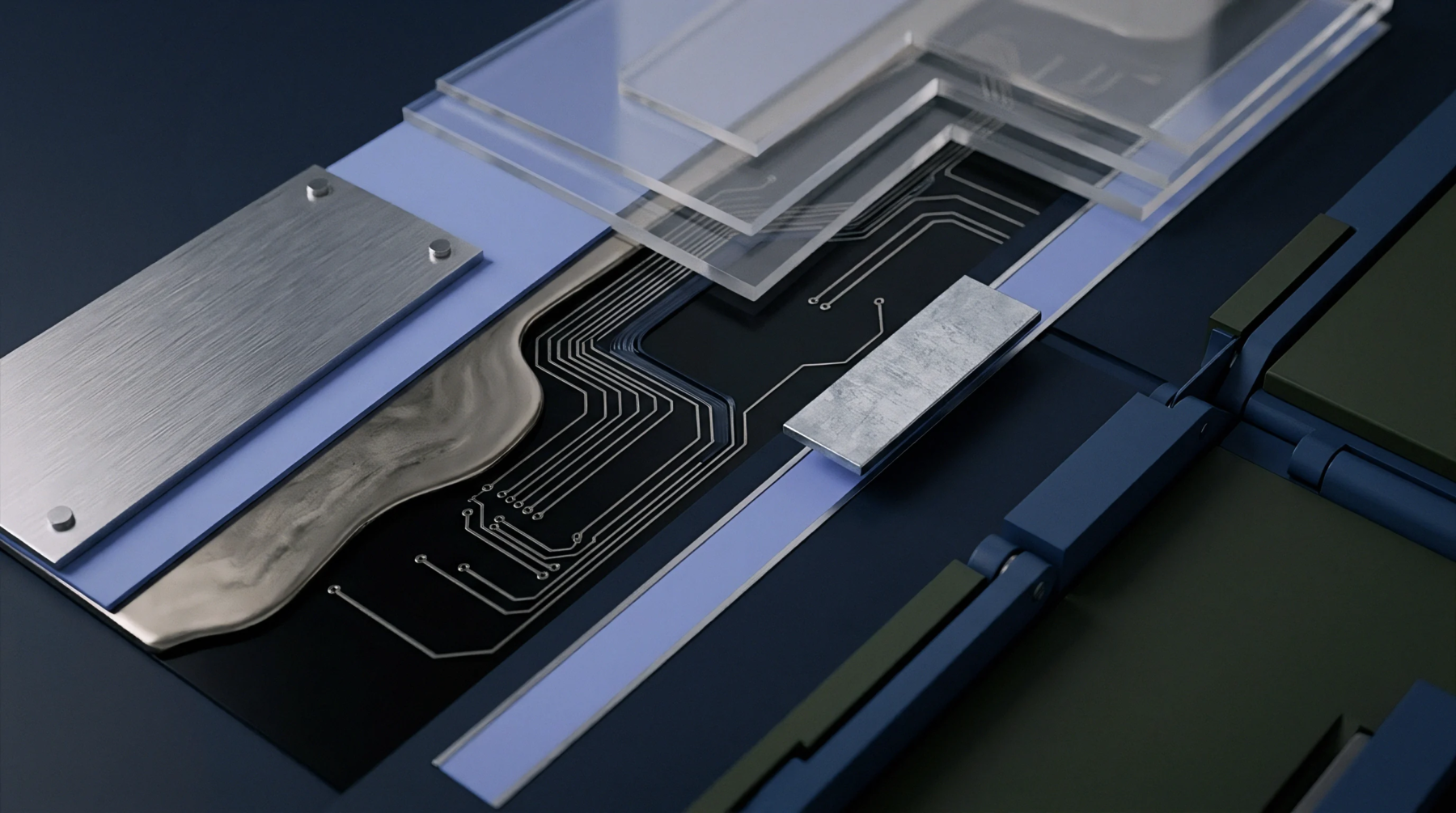
Mechanical degradation occurs when repeated expansion and contraction cycles break the structural integrity of a metallic bond between a component termination and a circuit board pad. Solder joint fatigue arises from the mismatch in coefficients of thermal expansion between the silicon die, the package substrate, and the printed circuit board assembly. These materials deform at different rates during temperature fluctuations, creating shear strain that initiates micro-cracks within the alloy.
The process continues until the electrical path disconnects or reaches a resistance threshold that triggers system failure.
Reliability Assessment
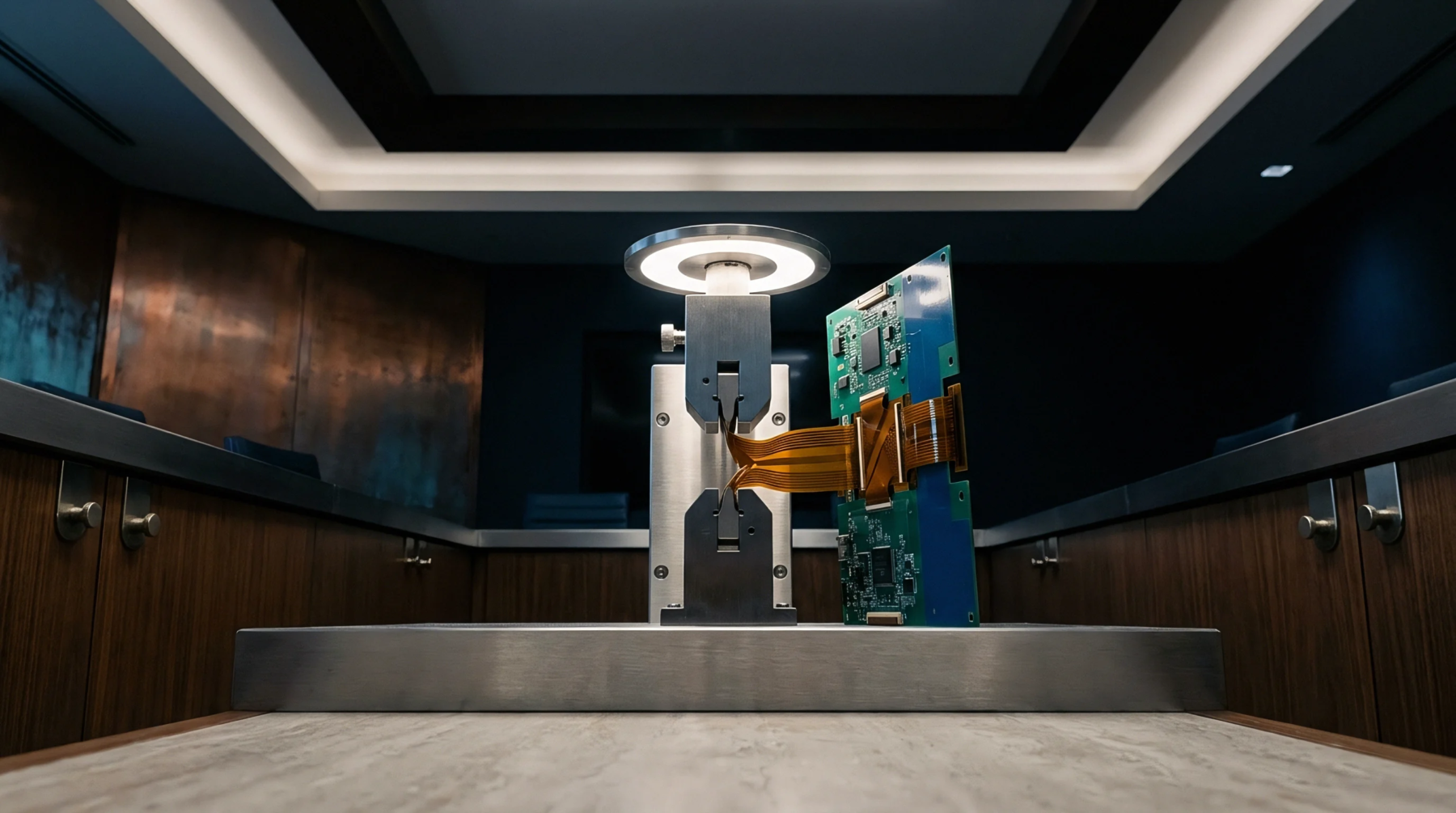
Quantitative evaluation of this phenomenon centers on the Coffin-Manson relationship which predicts cycles to failure based on plastic strain range and frequency. Practitioners measure the stability of the bond under controlled temperature excursions to determine the operational lifespan of the assembly. Accelerating the stress profile through environmental chambers provides data for extrapolation to field conditions.
Engineers prioritize the mitigation of strain concentration by selecting compatible materials or optimizing geometry during the design phase. Higher ductility alloys provide relief against crack propagation compared to brittle alternatives.
Failure Mechanism
Creep governs the internal atomic displacement within the crystalline structure of the metal under persistent load at elevated temperatures. Grain boundary sliding allows the material to deform slowly while the thermal environment remains constant. Intermetallic compounds growing at the interface between the lead or termination and the bulk alloy eventually create a brittle layer prone to fracture under mechanical shock.
Such zones lose their capacity to absorb energy over time. Frequent power cycling creates localized heat that drives these metallurgical changes independently of the ambient temperature. Precise control of cooling rates during the reflow process manages the grain size of the alloy to improve resistance against crack initiation.
Final reliability rests on the ability of the interface to withstand thousands of transient load events without losing electrical connectivity.