Financial Liability
Accrued costs represent the estimated financial obligation a manufacturer holds for future repair or replacement of goods under a formal guarantee. A warranty reserve aggregates these expected payouts based on historical failure rates and the volume of products currently under the active coverage period. This amount appears on the balance sheet as a liability, ensuring that the company accounts for potential defects even before the underlying claim is formally filed by a customer.
The calculation relies on the expected frequency of component failure combined with the average cost to remediate those defects in the field.
Actuarial Estimation
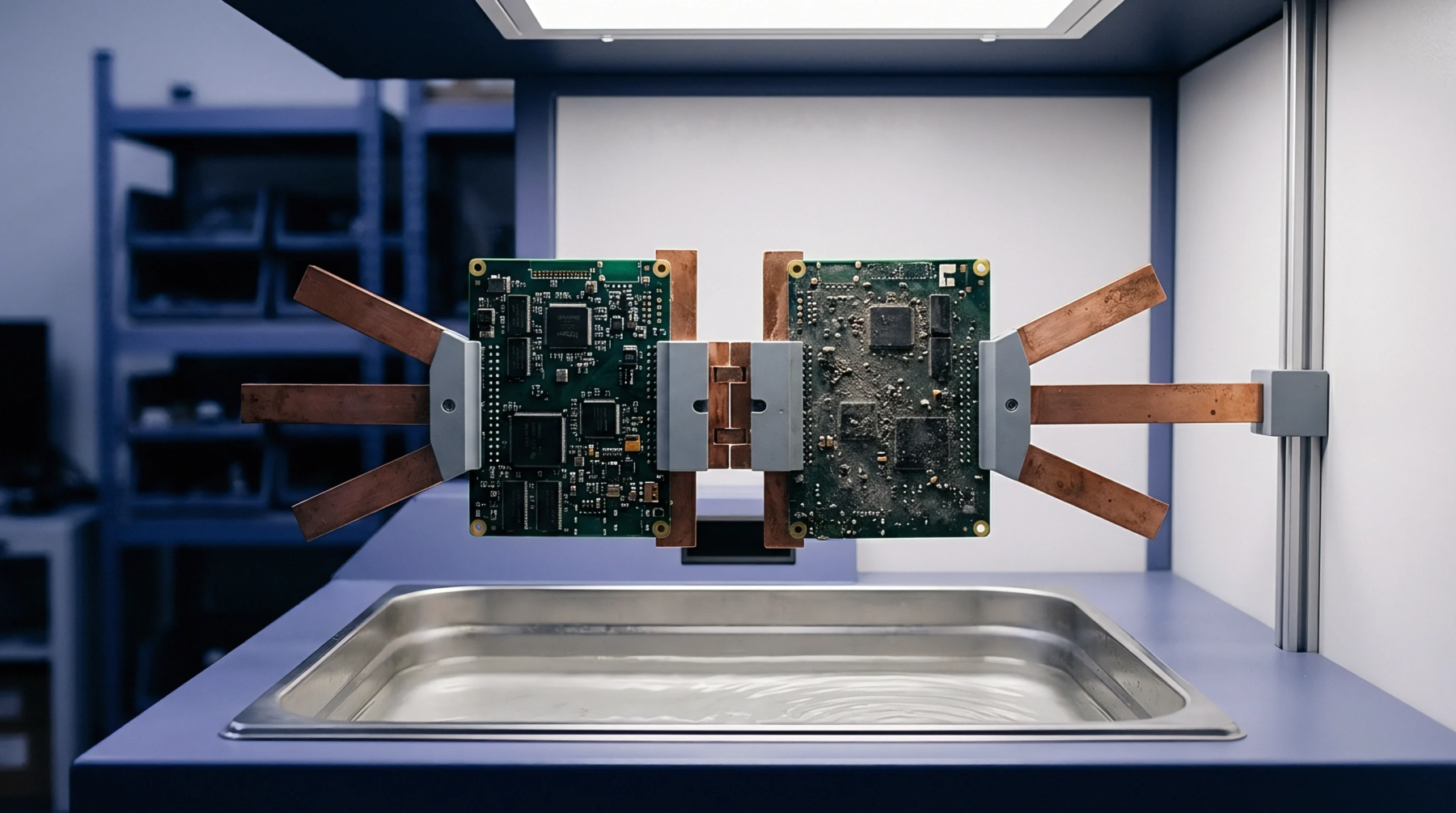
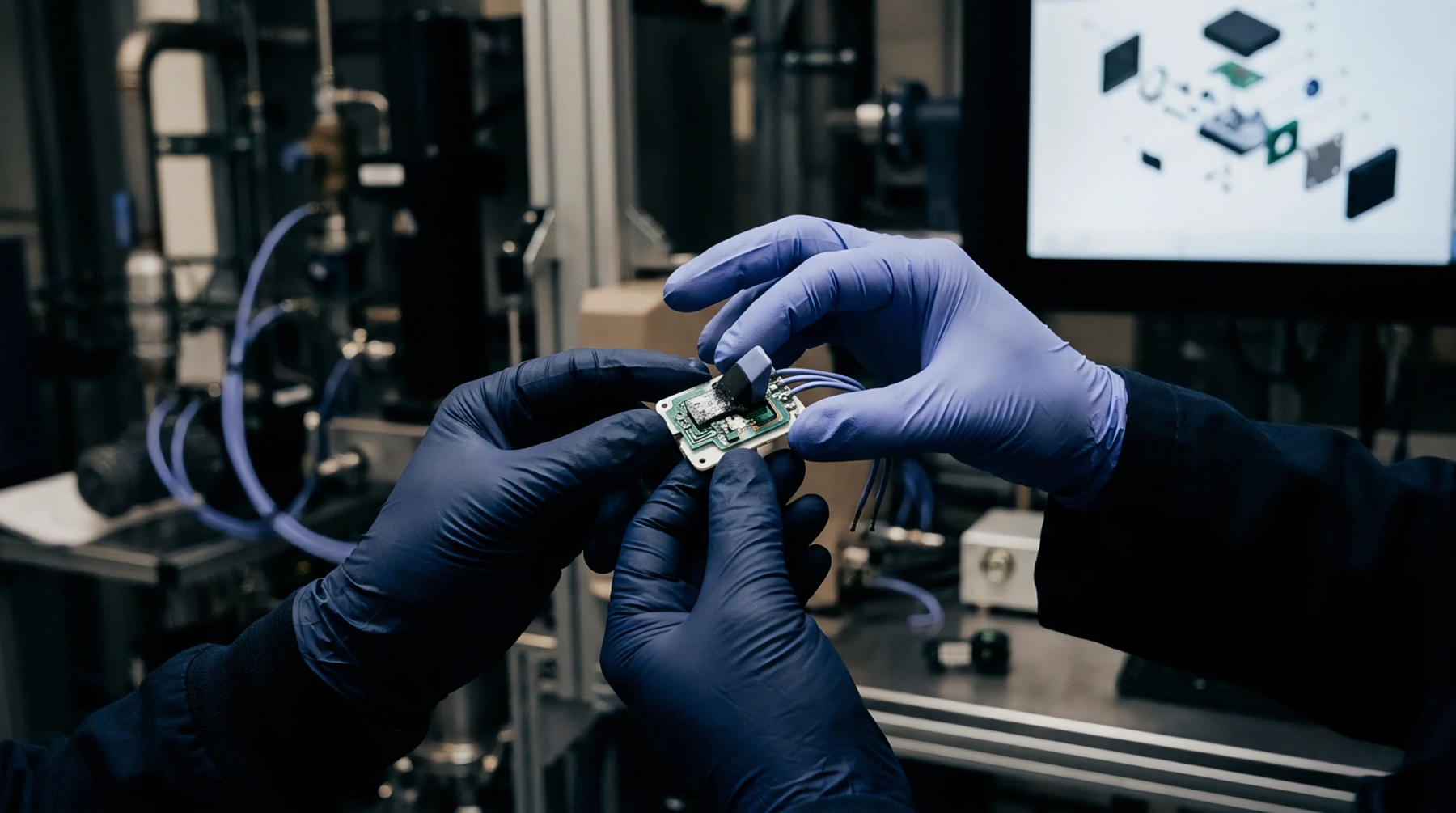
Predictive modeling informs the value allocated to the ledger based on specific reliability metrics gathered during production and assembly. Technicians verify the failure rates of internal components through accelerated life testing, and these findings dictate the percentage of sales revenue directed into the holding account. When field returns increase due to a batch-wide manufacturing variation, the firm adjusts the balance to match the rising projected expenditure.
Analysts derive the total value by multiplying the units sold by the probability of failure and the cost of servicing each failed unit.
Production Quality
Defective outputs in the assembly stage trigger the release of funds from this account to cover the cost of corrective measures or product exchanges. High precision during the fabrication process reduces the reliance on such financial buffers, as fewer failures translate into lower downstream expenditures. If the automated optical inspection yields a high rate of false rejects, the organization evaluates the true cost of remediation against the established reserve levels to maintain internal consistency.
Every dollar allocated represents an inherent anticipation of potential non-conformance that might bypass final quality gates.