Probing Mechanics
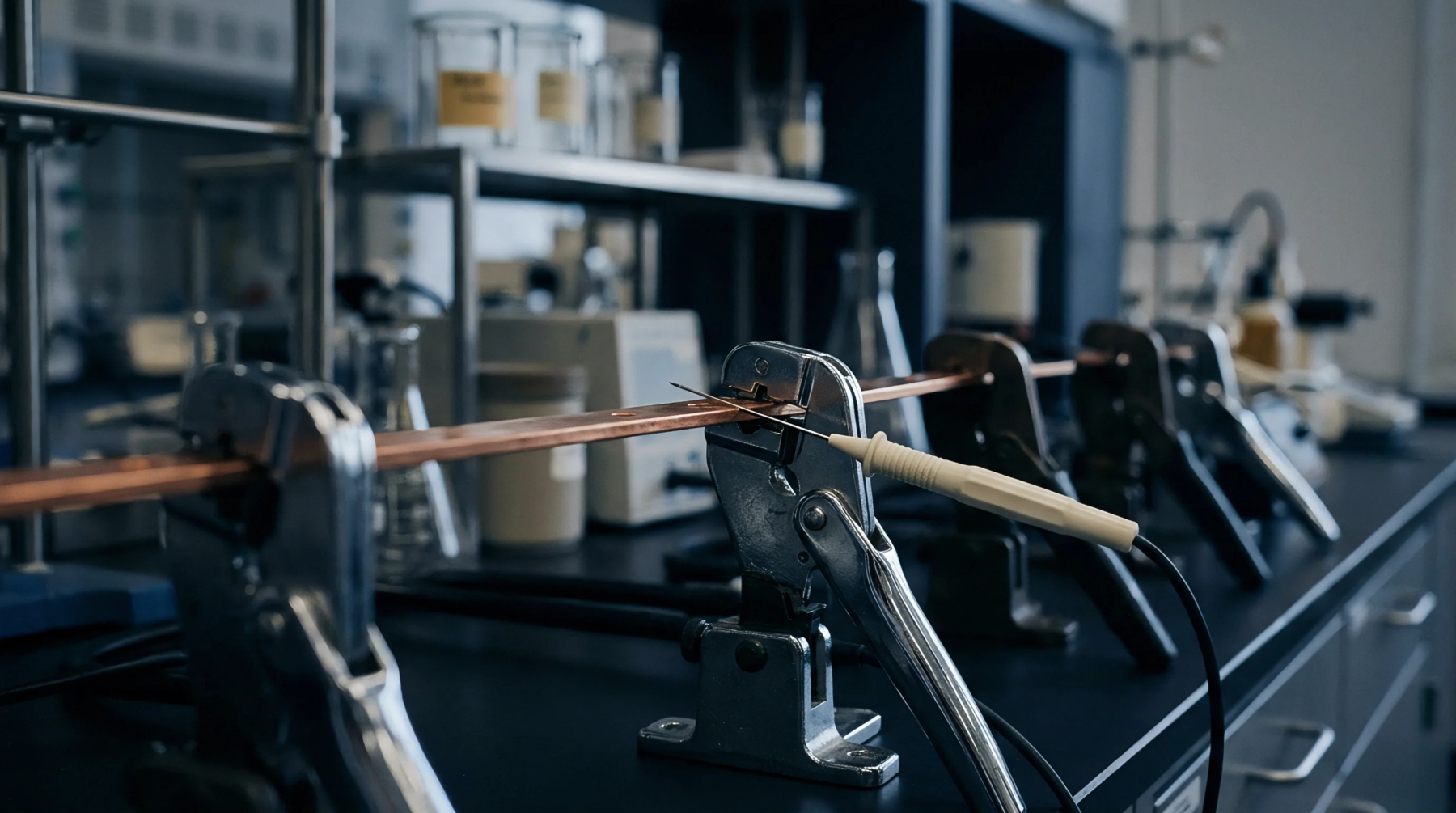
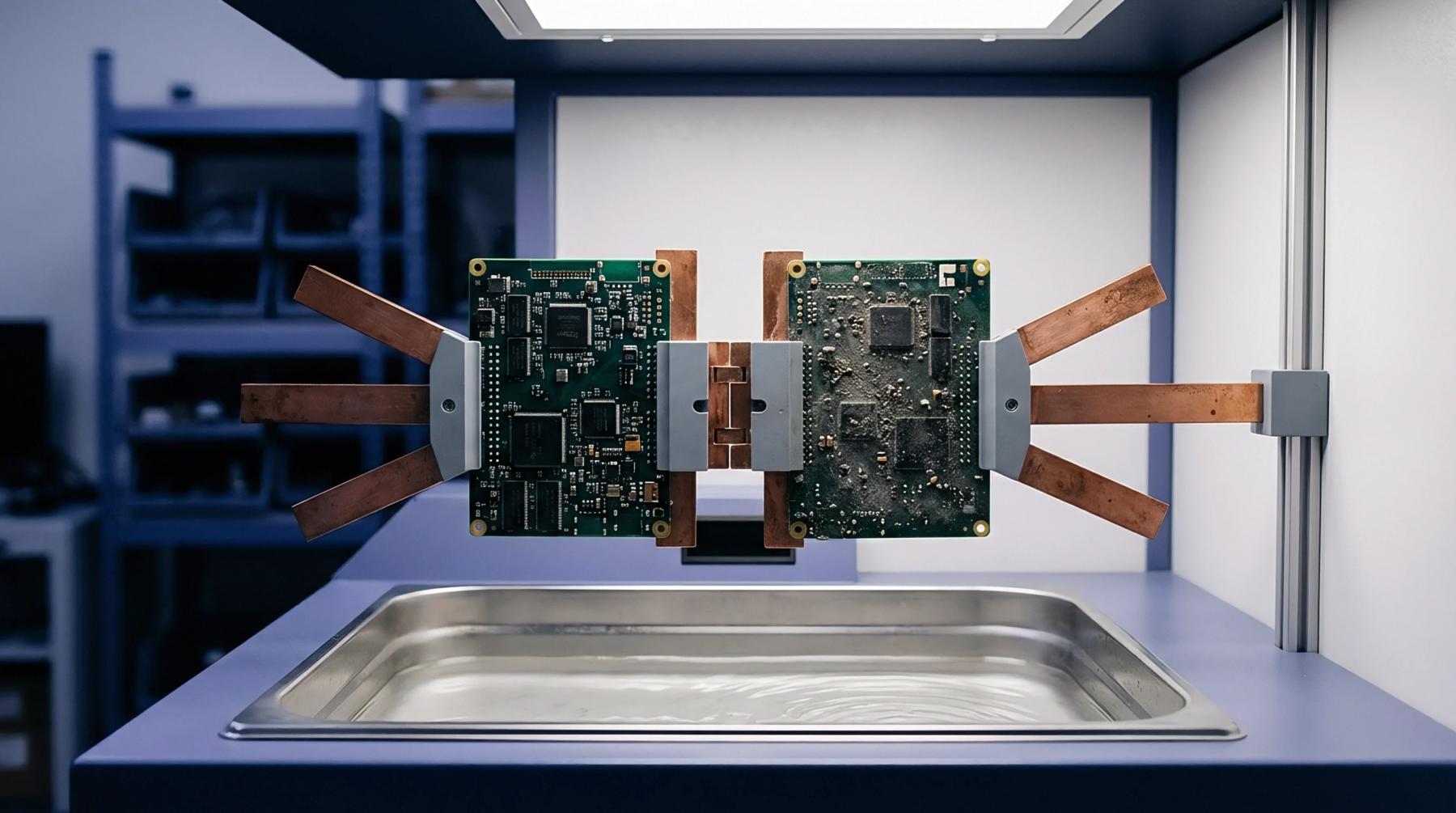
Kinematic movement of electrical needles across a printed circuit board verifies connectivity by accessing test points directly with high precision actuators. The flying probe test operates through independent needle carriers that navigate the board surface according to programmed coordinates. This hardware arrangement eliminates the need for expensive bed of nails fixtures by utilizing non-contact or contact sensing for resistance, capacitance and inductance measurements.
Small mechanical tips adjust positions within micrometers to land on pads or plated through holes. Individual probes move independently, which allows for parallel measurement sequences that shorten cycle times for low volume production runs.
Measurement Accuracy
Verification of assembly integrity happens through low voltage stimulus that detects open circuits or short circuits between nets. An impedance check identifies faulty components or incorrect values by comparing measured data against a gold standard board or digital netlist. Calibration of these machines occurs against a traceable reference standard to ensure that resistance thresholds remain consistent across the test area.
Variations in solder mask thickness or surface oxidation occasionally influence tip contact, though signal processing algorithms filter out noise from the interface. High impedance leakage detection warns of microscopic bridges that might fail under thermal stress.
Operational Scope
Flexible test protocols allow for rapid changes in board design without requiring new tooling or physical hardware replacement. Manufacturers deploy this approach when prototyping complex assemblies where fixture costs remain prohibitive for small batch sizes. Board dimensions and component density determine the ceiling for throughput efficiency because physical travel time increases with longer paths between test nodes.
Limitations exist regarding the coverage of hidden solder joints or internal layers that lack exposed physical access points on the outer surfaces. Complex multi-layered architectures rely on this method to catch assembly defects before final system integration.