
Boundary Scan Cell Allocation for Printed Circuit Board Interconnect Testing
Boundary scan cell allocation dictates structural fault coverage by converting physical IC pins into software-driven stimulus and response registers.
Boundary scan cell allocation dictates structural fault coverage by converting physical IC pins into software-driven stimulus and response registers.

Dynamic contact resistance measurement requires true four-wire Kelvin topologies, dry-circuit excitation voltage caps, and offset-compensated drive currents.

In-circuit testing crossover volume thresholds occur where amortized fixture tooling costs intersect flying probe machine hour charges, typically near 5,500 units.

Hardware triggers synchronizing probe tip mechanical settling with JTAG vectors eliminate false opens and bus contention on high-density circuit assemblies.
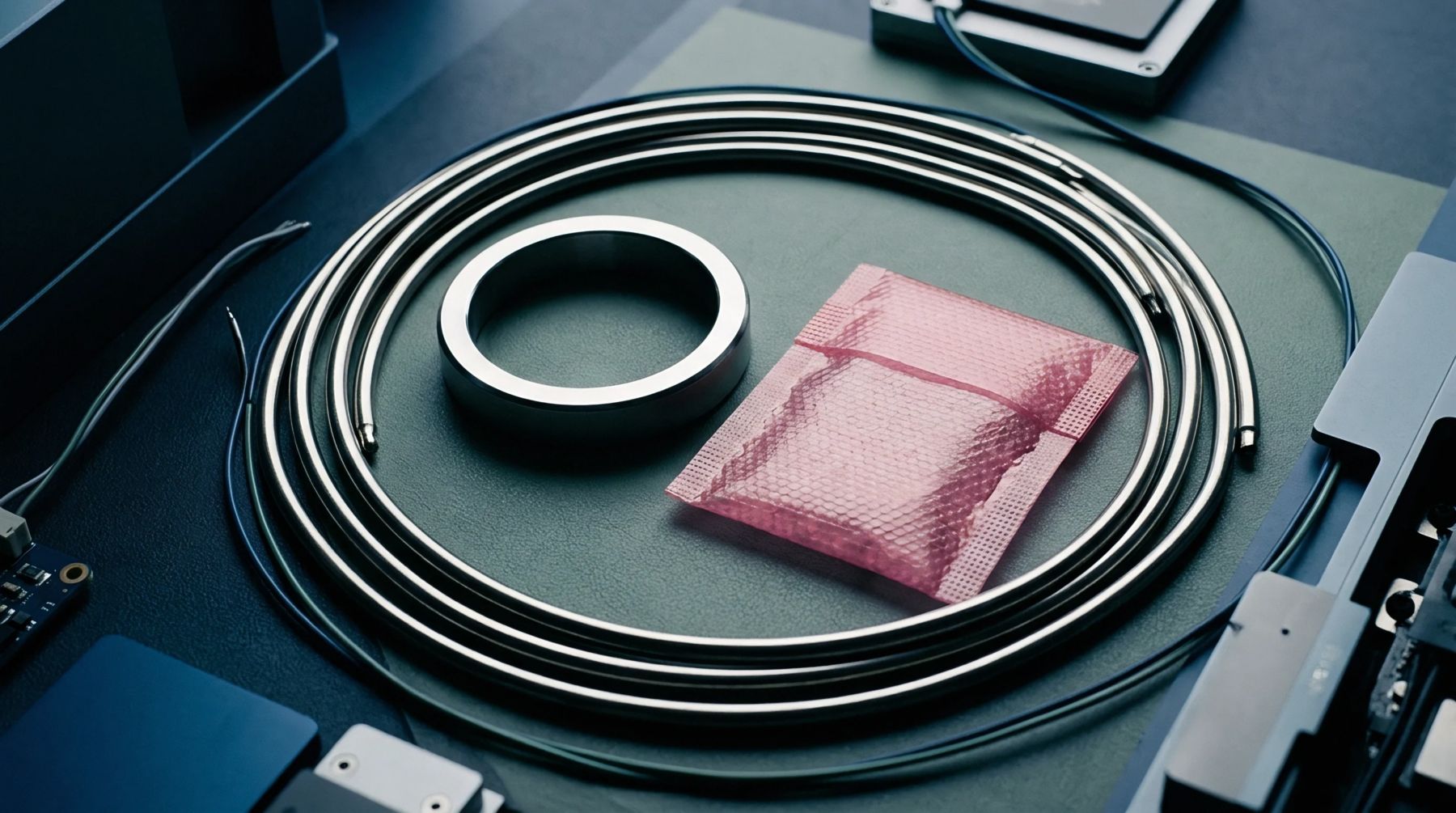
Flying probe capacitance screening locates open nets rapidly, while four-wire Kelvin micro-ohm verification isolates hidden trace necking and micro-via cracks.
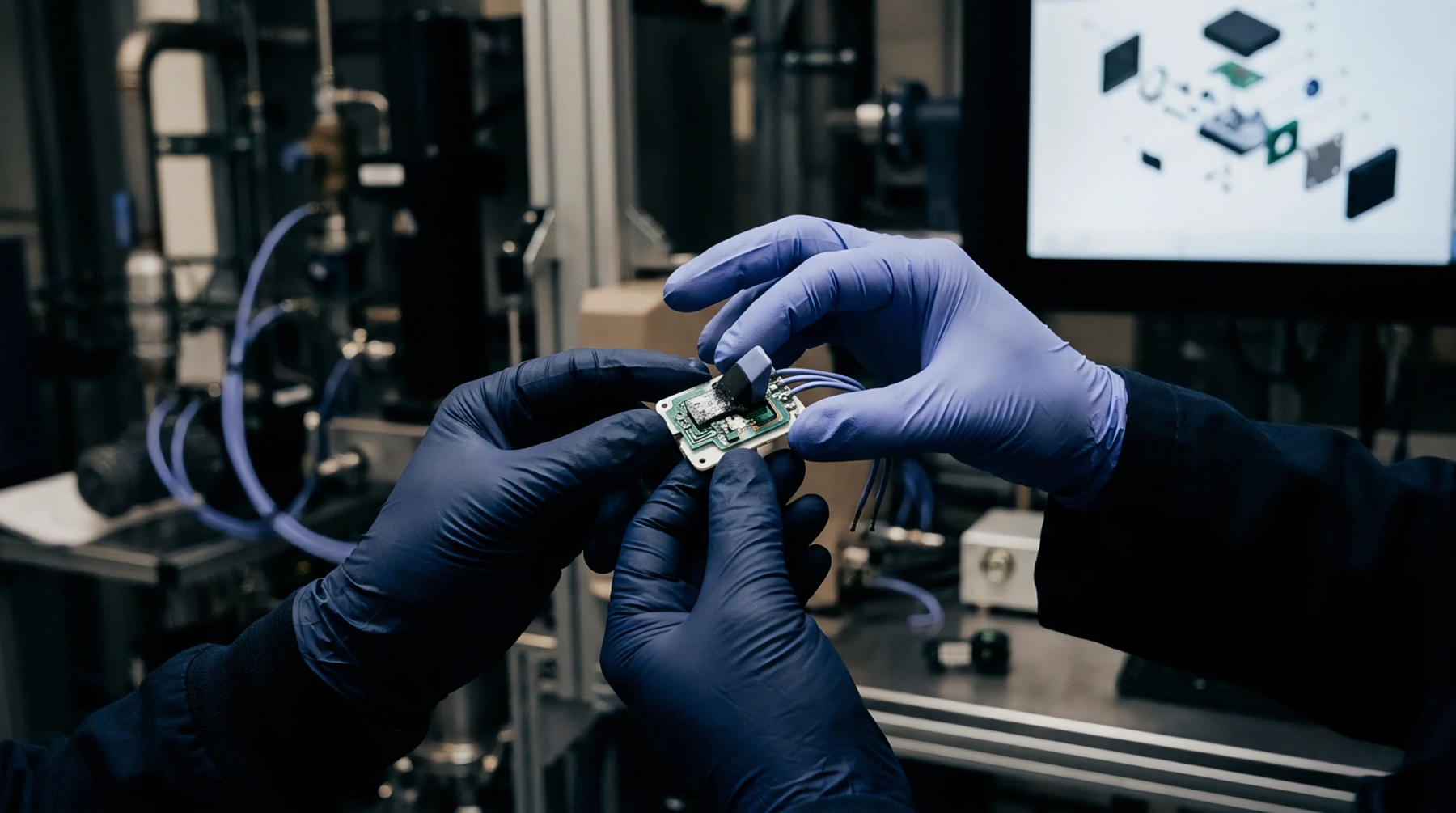
A technical asset handover protocol secures version-controlled test software, calibrated physical fixtures, and runoff data to transfer production without defect escapes.

Combining IEEE 1149.6 boundary scan vectors with deflection-assisted flying Kelvin probes isolates unmasked BGA head-in-pillow defects down to 4.5 micro-ohms.

Landed cost crossover balances fixture NRE against probe runtime fees, shifting financial advantage to fixtures once batch volume savings offset tooling costs.

Buyer-owned test fixtures require explicit PO line items, complete source files, and calibrated limit audits to prevent factory lock-in.
Expertise is a utility, not a secret. sentiention™ publishes its working knowledge as open reference: intelligence layer covering the materials it sources, the markets it enters, and the reference that serves both.