Tooling Retirement
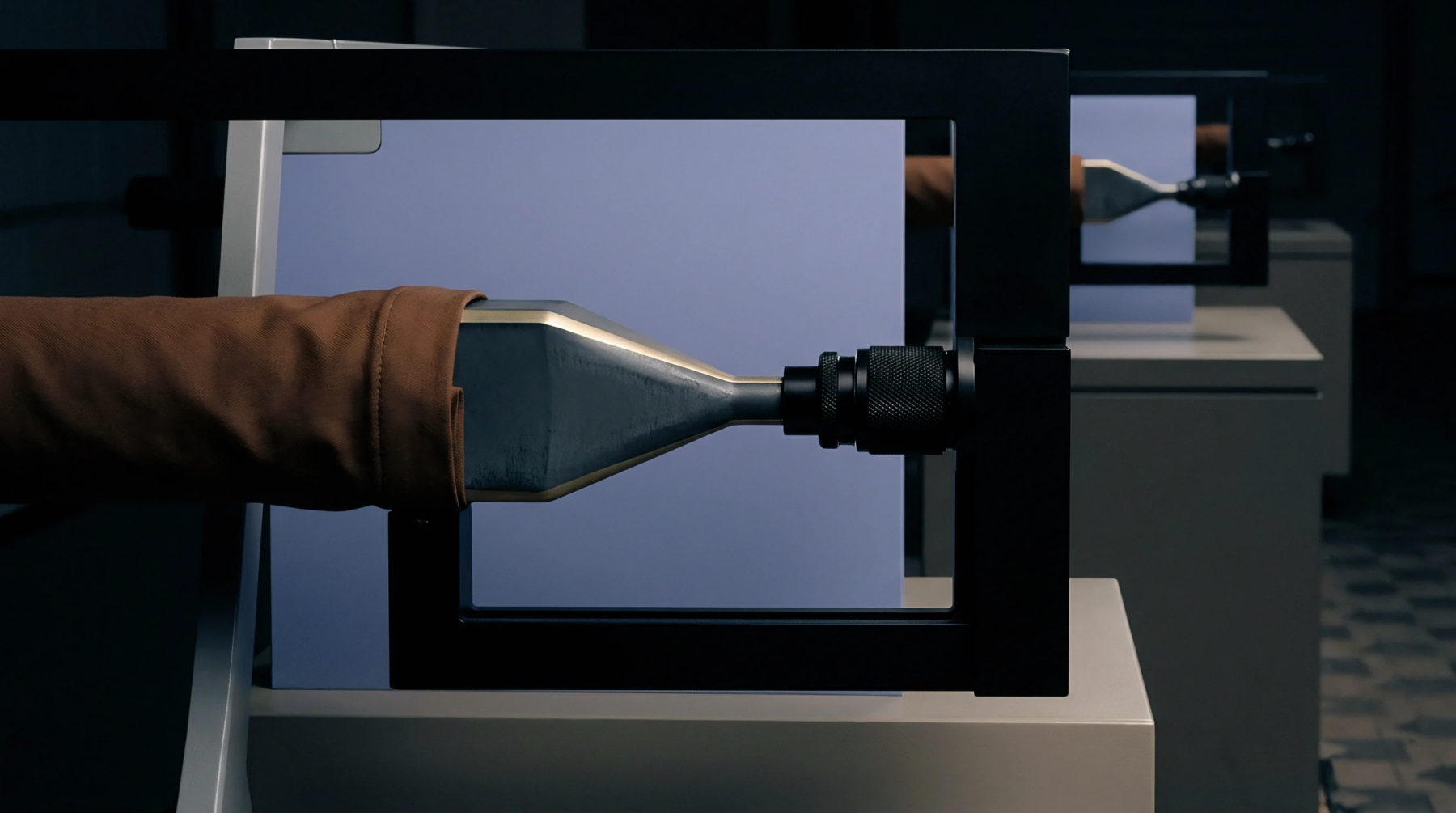
Physical hardware used for printed circuit board assembly reaches a state of functional irrelevance when the product design shifts away from the geometry that the base frame supports. Fixture obsolescence arises when the mechanical alignment pins or vacuum suction ports no longer map to the drill pattern or component density of a newer board revision. This condition demands a complete decommissioning of the physical frame because the layout mismatch prevents successful registration during the stencil printing or pick and place operations.
High density interconnection requirements frequently render older mechanical clamping systems ineffective for modern rigid or flexible substrates.
Engineering Impact
Production lines manage this transition by assessing whether a base plate allows for modular insert replacements or necessitates a total replacement. Fabricators track these assets through their lifecycle to prevent the use of worn or physically incompatible mounting interfaces on high speed lines. Accurate alignment depends on the integrity of the registration holes, yet minor deviations in the frame structure cause cumulative errors that ruin expensive panels during the reflow stage.
Each failure to update the hardware leads to increased scrap rates and prolonged setup times that diminish the yield per hour of the assembly cell.
Economic Boundary
Total cost of ownership for a manufacturing line dictates that periodic replacement of support structures accounts for predictable shifts in product architecture. Capital investment cycles often align with these mechanical upgrades to avoid the friction caused by using legacy interfaces on current generation machines. Maintaining an inventory of outdated hardware serves as a drag on floor space efficiency and complicates the tracking of active production assets.
The inherent value of a physical support frame diminishes at the exact moment the product design moves outside the physical range of the existing hole patterns and pressure zones.