Direct Drive
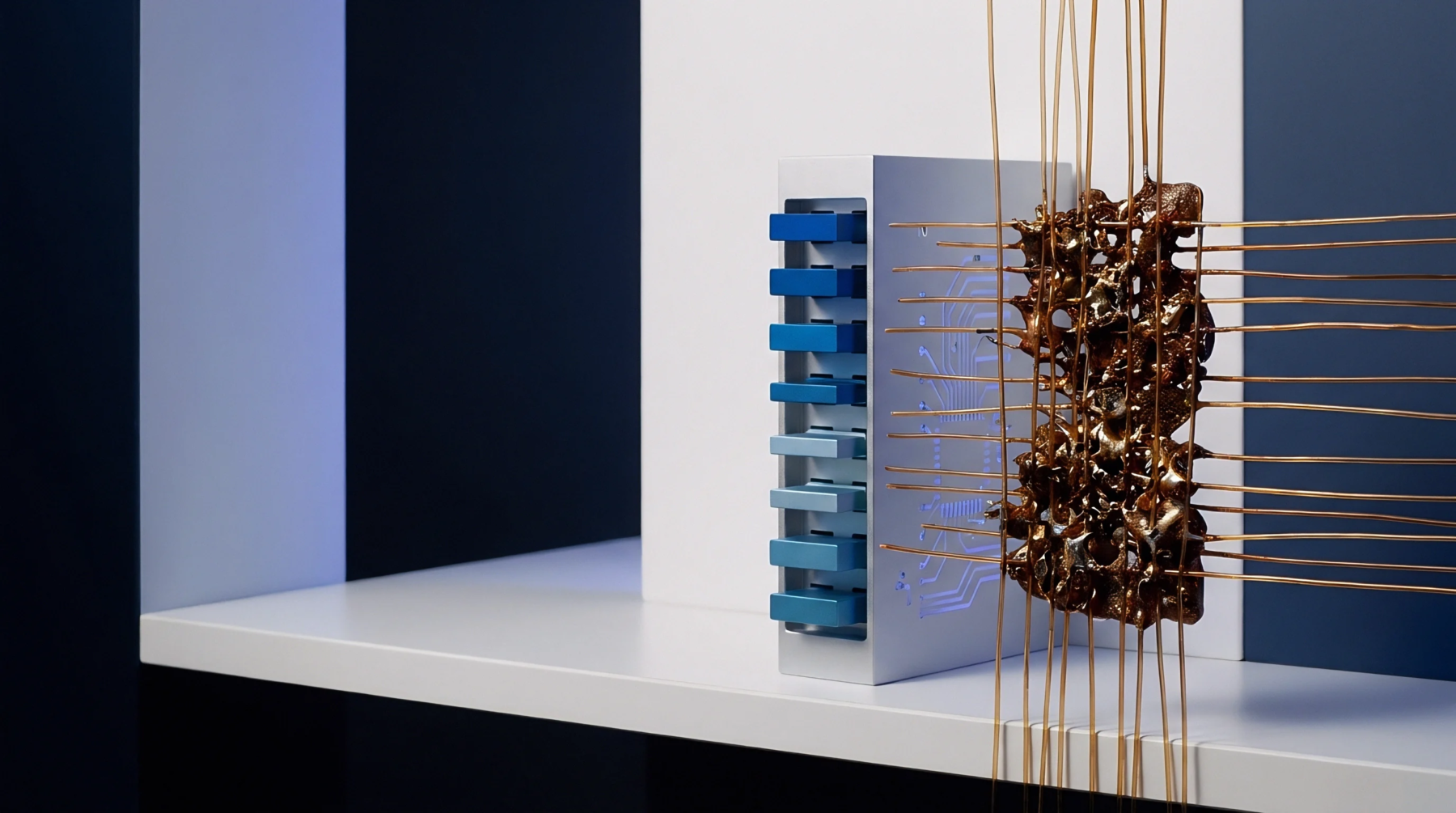
Electromagnetic direct-drive actuators convert electrical energy directly into linear mechanical thrust without intervening rotary-to-linear transmission linkages. Within automated surface mount placement platforms and automated optical inspection gantries, a linear motor drives the motion carriage along x and y coordinate axes with high acceleration and positional stiffness. The actuator consists of a stationary track lined with permanent magnets and a moving coil assembly that rides along low-friction linear bearings.
Magnetic flux interactions between the energized windings and the permanent magnet track generate direct translational force. Operational force generation ends when drive current drops or when thermal accumulation exceeds winding insulation limits, requiring active feedback monitoring to protect the assembly.
Kinematic Structure
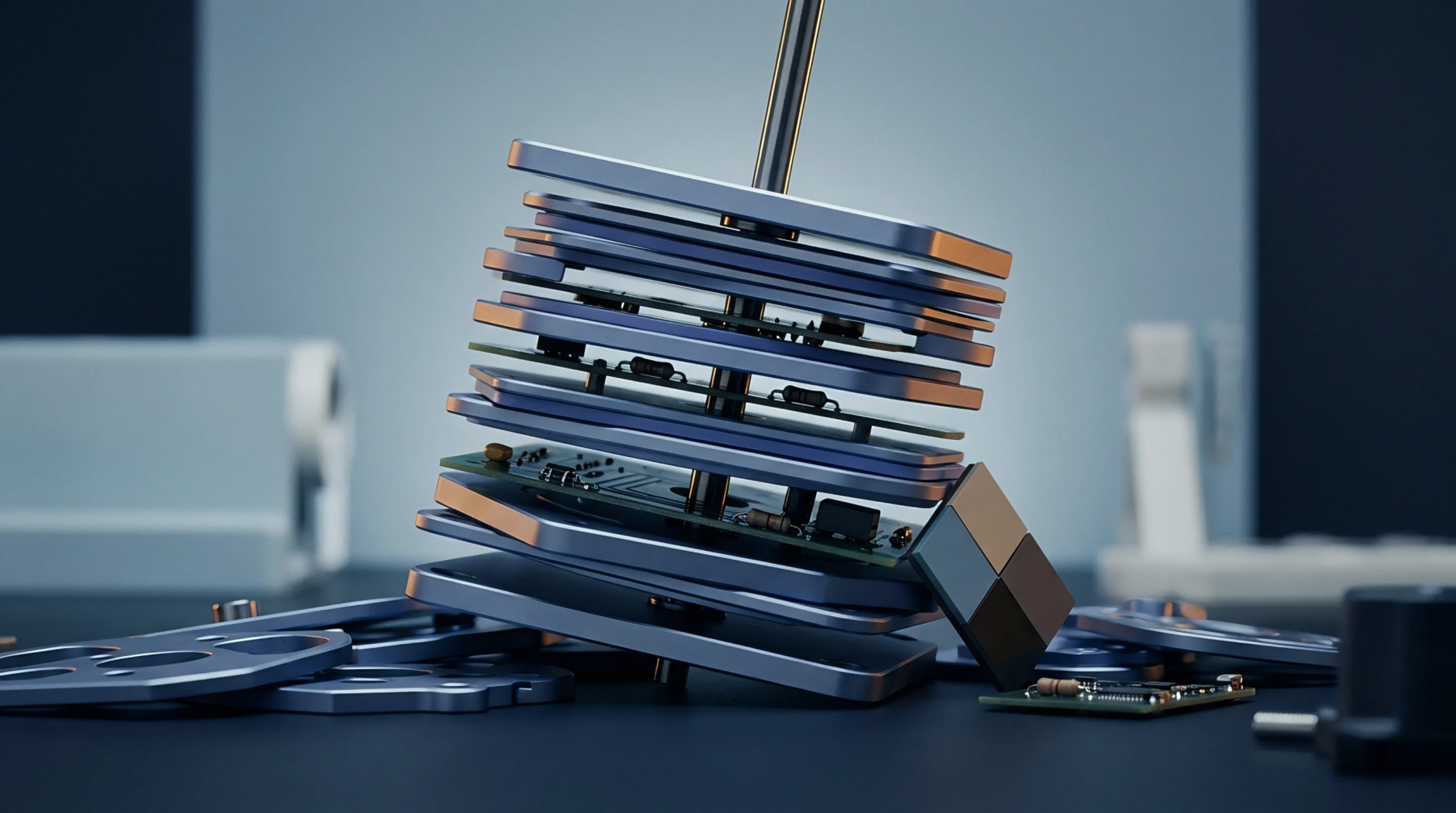
Eliminating mechanical ball screws, timing belts and reduction gearboxes removes mechanical backlash, torsional flexure and component wear. Iron-core configurations deliver high continuous thrust profiles suited for moving heavy multi-head placement beams, though they experience magnetic cogging forces as coils cross underlying magnet poles. Ironless designs mount copper coils within a U-shaped magnet track, eliminating cogging completely to achieve smooth velocity profiles during constant-speed optical scanning runs.
High-resolution linear encoders provide direct positional feedback to the drive amplifier, closing the servo loop directly at the load. Unshielded magnet tracks attract ferromagnetic swarf, airborne particles and loose hardware, requiring protective bellows or stainless steel covers across assembly environments.
Dynamic Control
Modern pick and place machines demand accelerations exceeding five times the force of gravity to place tens of thousands of components every hour. Operating with a linear motor allows rapid step-and-settle times that maximize operational placement yields while preserving sub-fifty-micron spatial accuracy. Direct drive systems demand complex digital tuning algorithms, because load mass changes directly affect the control loop without mechanical gear damping.
Thermal dissipation creates structural challenges, as coil resistive heating can transfer thermal energy into the machine base, warping axis geometry and degrading calibration accuracy. Liquid cooling jackets or forced-air convective manifolds isolate motor heat from precision measuring scales, preserving tight positional tolerances across extended production shifts.