
Finite Element Analysis Verification against Physical Strain Gauge Telemetry in Fixtures
Finite element analysis verification against physical strain gauge telemetry requires localized mesh refinement and empirical contact friction coefficients.
Finite element analysis verification against physical strain gauge telemetry requires localized mesh refinement and empirical contact friction coefficients.

Managing parasitic phase jitter in boundary scan fixtures requires interleaved ground probes, damped trace terminations, and controlled clock edge rates.

Test point designs require 0.80 mm targets on 1.27 mm pitch with bottom-side placement to maximize fixture alignment and maintain strain under 500 microstrain.

Auditing test point density and pogo pin degradation prevents false yield loss and controls field escape rates in high-density board production.
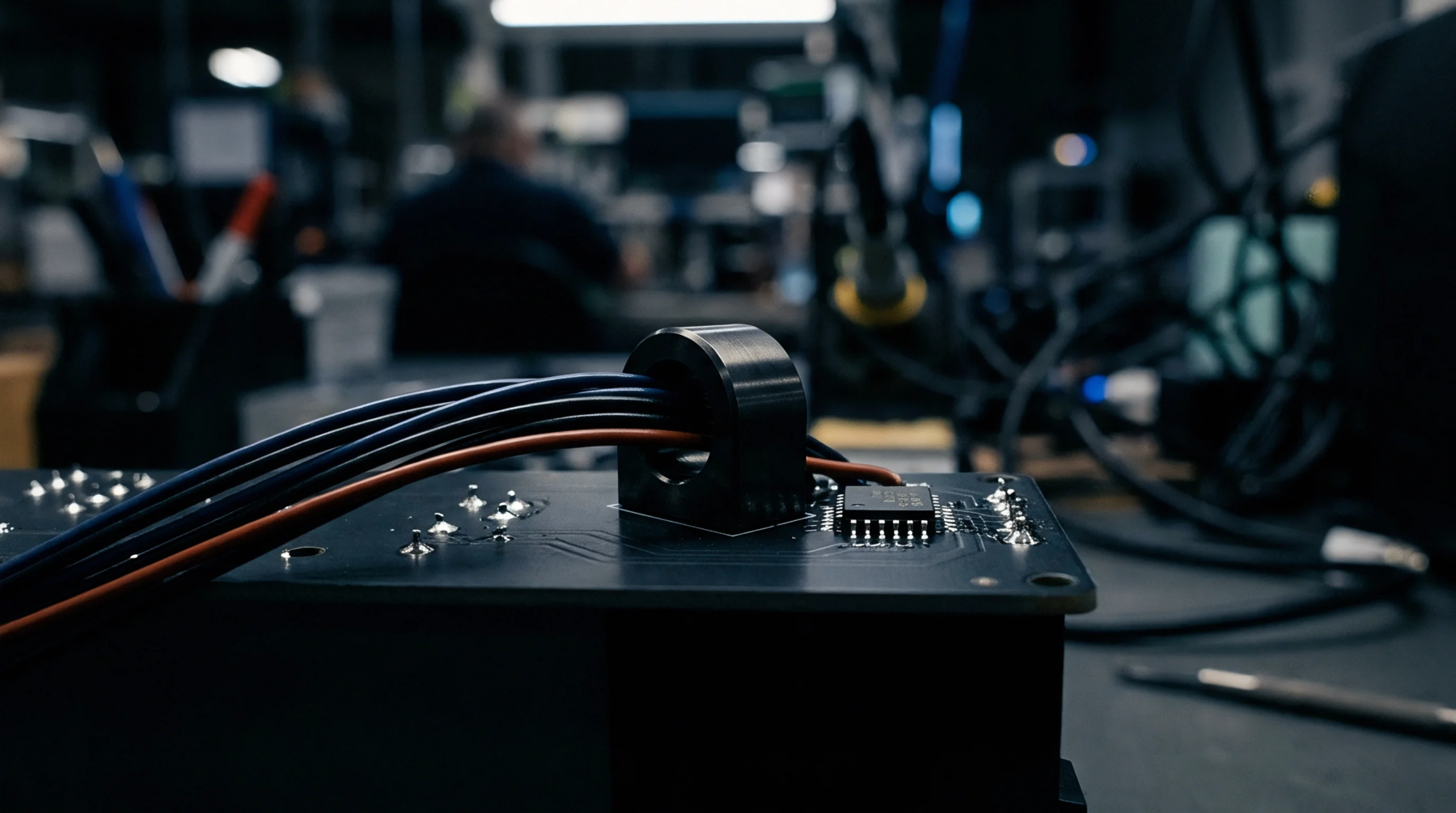
Define fixture hardware, wiring schematics, and test software as buyer-owned bailment assets with explicit title vesting triggers in purchasing contracts.
Selecting boundary cells matching pin drive requirements enables full interconnect fault coverage and prevents system logic corruption during shift sequences.
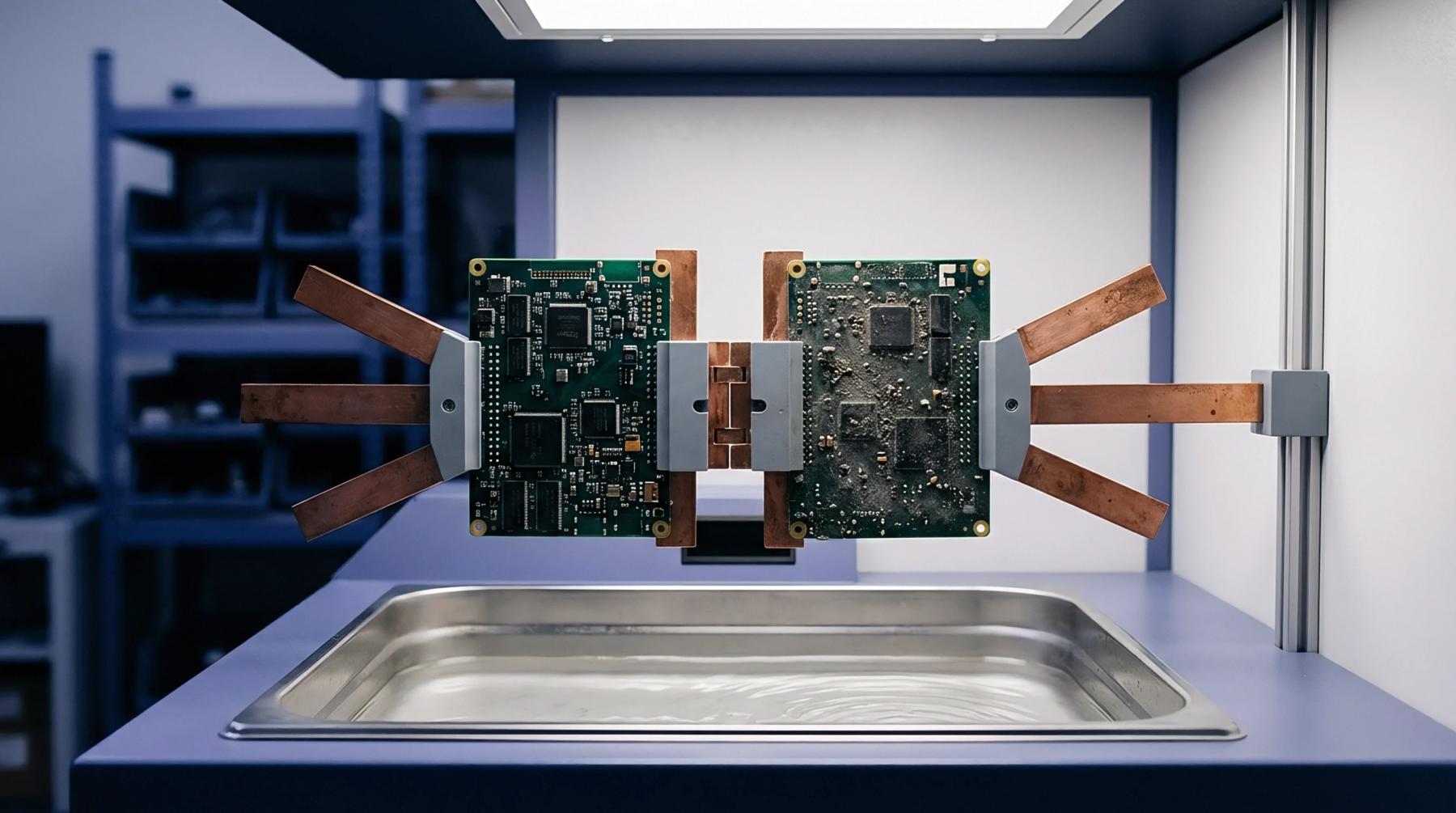
Unprobed netlists drop structural fault coverage, requiring integrated boundary scan vectors and adjusted warranty reserves to cover escape risks.

Landed cost crossover balances fixture NRE against probe runtime fees, shifting financial advantage to fixtures once batch volume savings offset tooling costs.

Ensuring complete bottom-side nodal access with standard pad pitch and strain-mitigated fixturing locks in fault coverage and prevents field defect escapes.

Dynamic vector synthesis and IJTAG internal monitoring resolve mixed-signal diagnostic ambiguity in access-constrained clusters, cutting escape rates below 20 PPM.

Boundary scan TAP probe evaluation demands dynamic contact resistance monitoring under 20mV dry-circuit limits to prevent false structural defect calls.

Asset recovery requires extracting uncompiled CAD netlists, verifying ICT fault coverage parity, and auditing firmware signing keys before final settlement.
Combining boundary scan and in-circuit testing metrics requires mapping per-pin PCOLA-SOPS access, deduplicating overlapping faults, and logging verified nets for batch release.

Boundary scan access limits require balancing physical probe suppression against quantitative fault escape risks in high-density logic clusters.
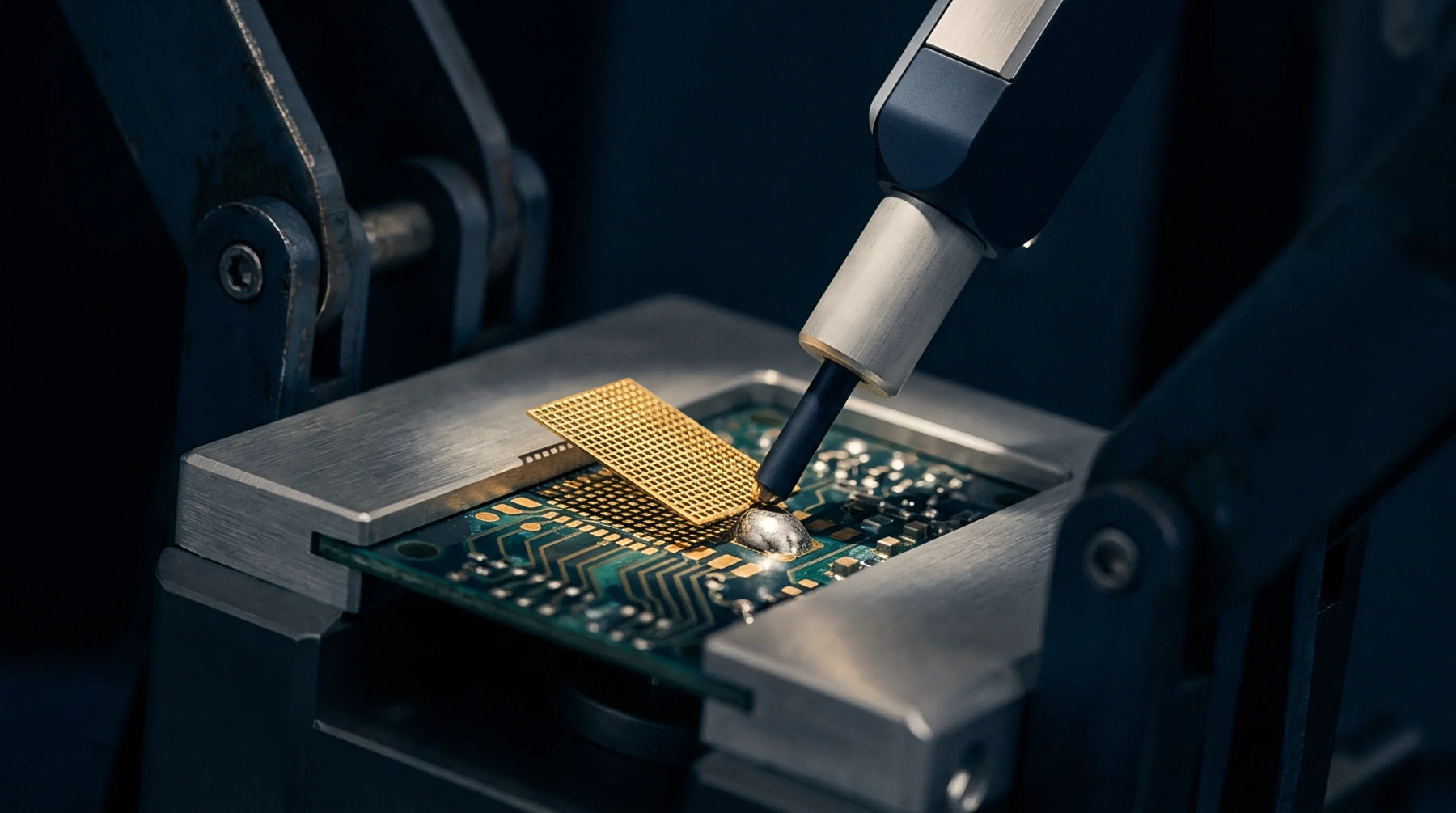
Bare board insulation resistance testing requires minimum 100MΩ thresholds at 100V DC under IPC-9252B Class 3 to prevent electrochemical migration escapes.

Fixture spring force and deflection limits enforce maximum micro-strain thresholds to prevent latent BGA pad cratering and ceramic capacitor fracture during testing.
Linking assembly liability to landed unit cost when nodal access drops below baseline protects buyers from unprobed circuit escape losses.

Factory first pass yield figures routinely mask high field defect rates by excluding off line retests, unmapped fault coverage gaps, and clamping stress false passes.

Flying probe testing saves tooling costs on runs under 11,000 units, while bed of nails fixtures deliver superior cycle speeds and lower per-unit cost at scale.
Standard electrical tests verify bare substrate isolation, component pin continuity, thermal stress survival, and electromagnetic conformity before batch signoff.

Resolving test point access before layout release prevents costly PCB re-spins, ensures high fault coverage, and protects assembly yield.
Expertise is a utility, not a secret. sentiention™ publishes its working knowledge as open reference: intelligence layer covering the materials it sources, the markets it enters, and the reference that serves both.