Dielectric Separation
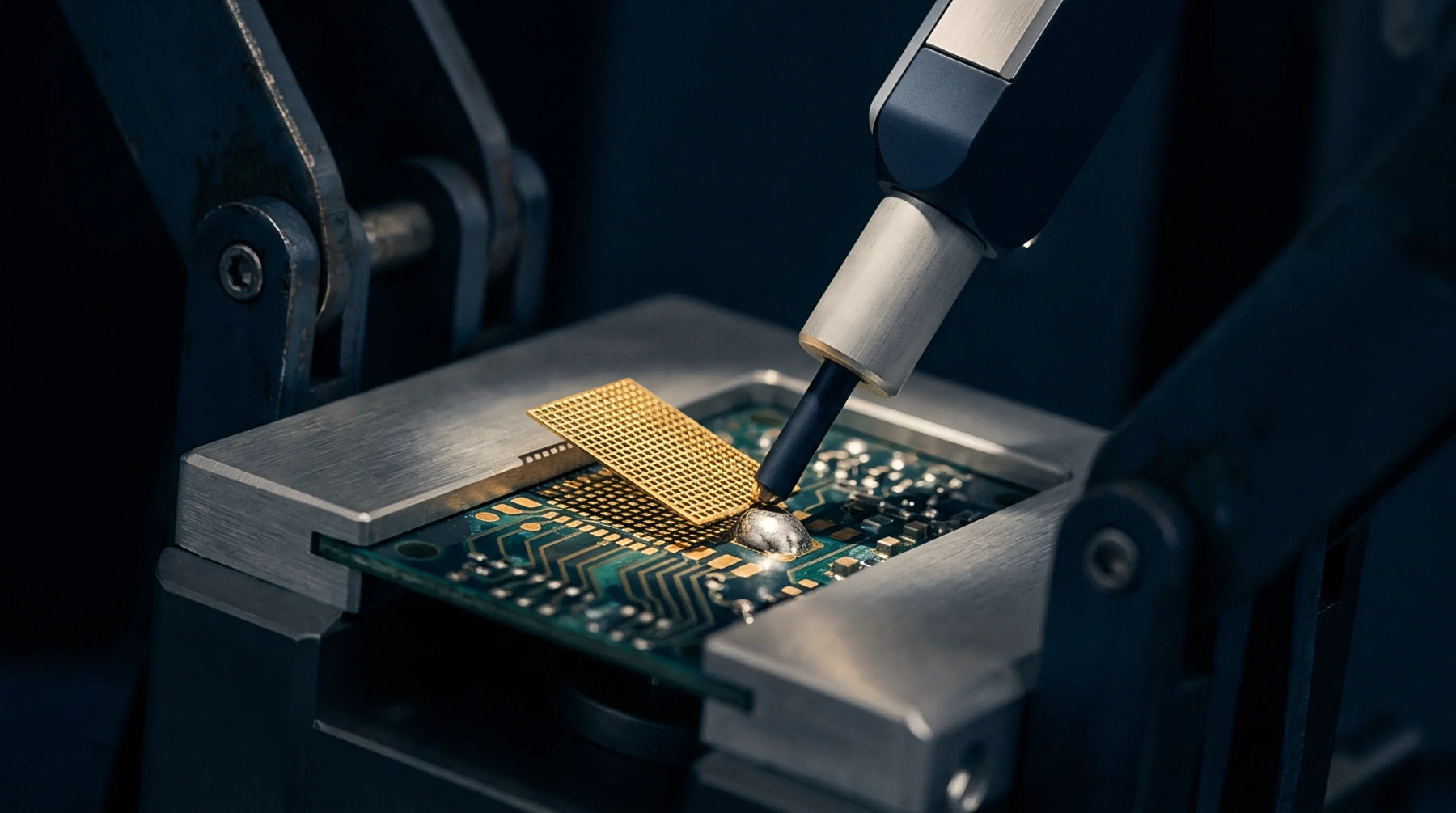
Dielectric separation is a quantitative electrical metric applied during printed circuit board fabrication to verify that insulating base materials maintain sufficient resistance between adjacent conductive paths. Manufacturers measure isolation resistance by applying a direct current test voltage across parallel copper traces or plated through holes after final etching and baking. The resulting megohm reading establishes whether chemical etchant residues or laminate voids will permit leakage currents during subsequent operation.
Printed circuit board fabricators run this assessment at room temperature and elevated humidity to catch hidden contamination before bare boards reach component placement. Baseline thresholds depend on spacing geometry and base laminate classification, while high density interconnect architectures demand tighter minimum megaohm limits to prevent cross talk and thermal runaway.
Test Voltage
Test voltage parameters govern the electrical stress applied during printed circuit board verification protocols. Technicians select five hundred volts for standard multilayer panels, whereas lower voltage levels protect sensitive internal logic traces within rigid flex assemblies. High potential generators force current across dielectric barriers to expose micro voids and moisture trapped inside woven glass cloth reinforcement layers.
Excess current flow trips automatic test equipment limits, which halts the sequence and flags the specific conductor pair for optical scrutiny.
Leakage Current
Leakage current migration indicates compromised barrier integrity between isolated circuits on finished circuit assemblies. Moisture absorption along glass fiber bundles creates conductive pathways that erode baseline electrical resistance values over prolonged operational lifespans. Automated test fixtures capture these subtle degradation trends during final electrical verification before conformal coating seals the populated board against environmental contaminants.
Unmitigated current leakage generates localized heating that carbonizes base laminate resins and leads to catastrophic dielectric breakdown under sustained field conditions.