Hidden Vulnerability
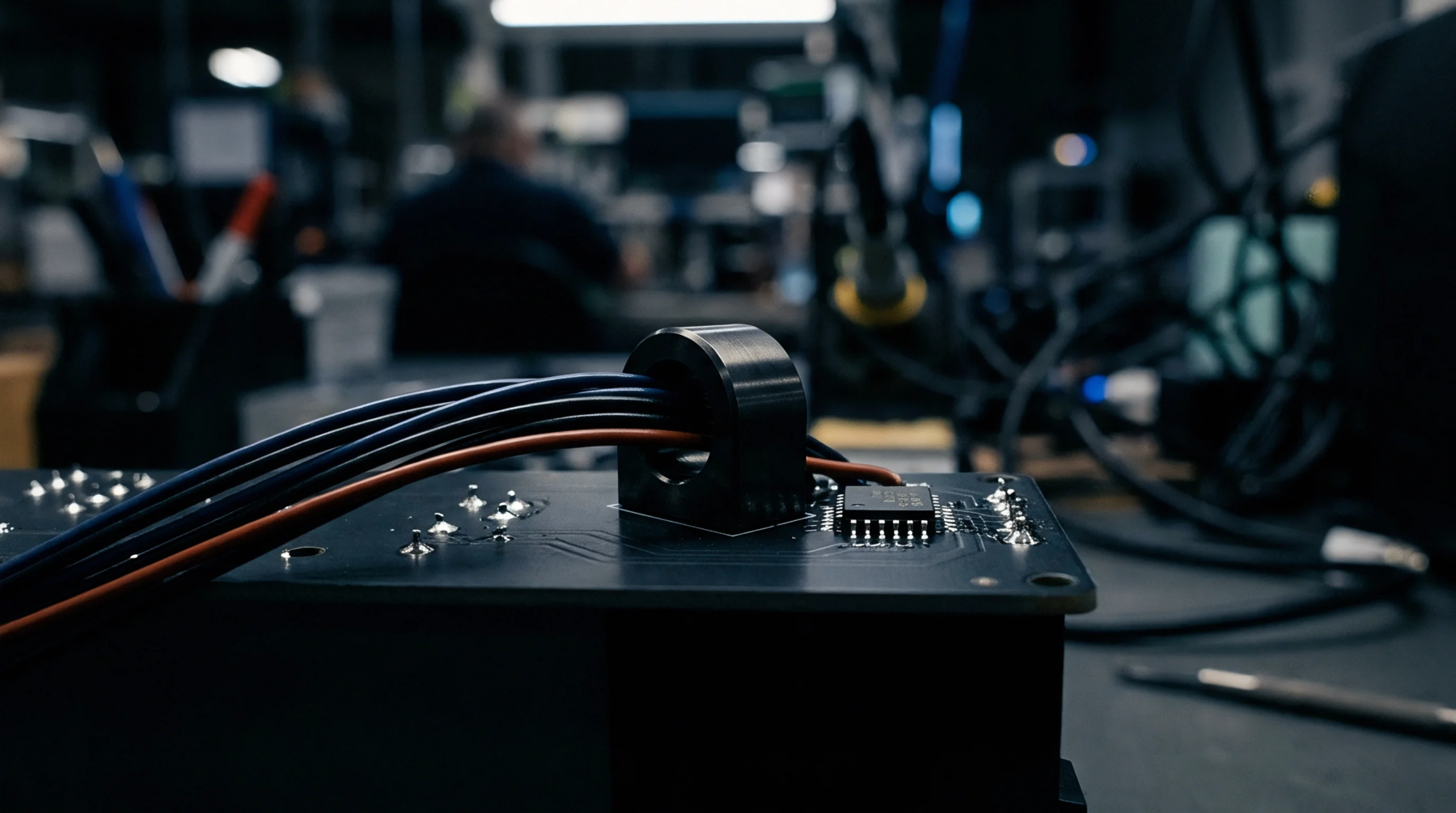
Structural or chemical flaws in a printed circuit board assembly remain undetected during post-production inspection but cause the device to fail prematurely in the field. These hidden flaws, known as latent defects, are typically caused by marginal manufacturing processes, contamination, or thermal stresses that do not initially disrupt the electrical continuity. They present a major challenge to reliability because the affected assemblies pass all standard functional tests before shipment.
Failure Mechanism
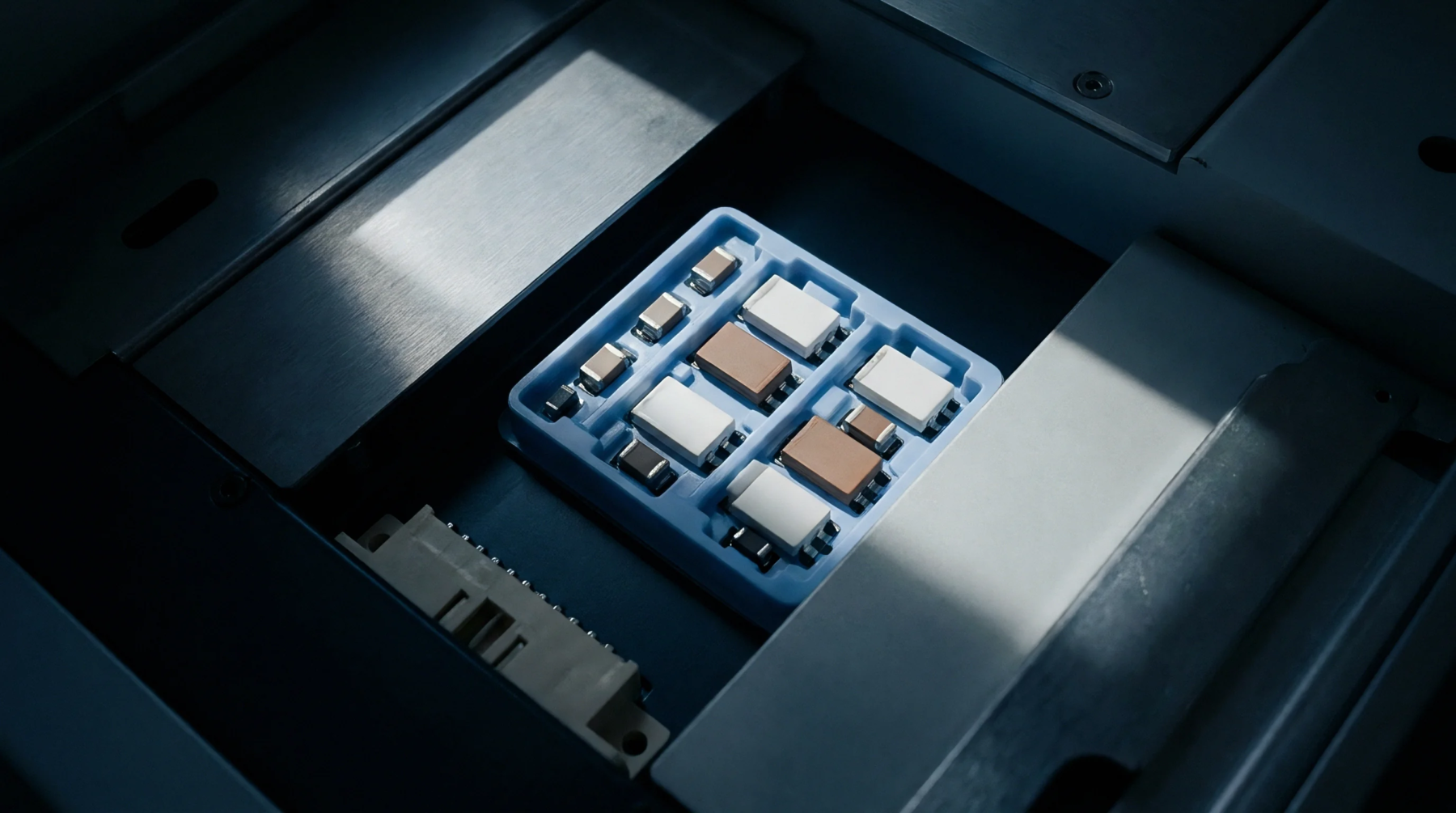
Stress during operation, such as thermal cycling, vibration, or moisture exposure, drives the propagation of these hidden damage points until they cause an open or short circuit. Common sources of these latent defects include micro-cracks in ceramic capacitors, thin solder joints, or chemical residues that lead to electrochemical migration over time. Because the initial solder joint appears structurally sound, automated optical inspection cannot identify the underlying weakness of the connection.
Over months of thermal expansion and contraction, the micro-crack propagates across the entire joint and eventually isolates the electrical contact to cause a system failure. This progressive degradation means that boards operating in high reliability environments require special environmental testing.
Risk Mitigation
Environmental stress screening, which combines thermal cycling and vibration testing, accelerates the failure of weak points before the board leaves the factory. This destructive or non-destructive stress exposure forces the flaws to become active and visible during testing. It protects the final application from early failure.
Robust process control during assembly remains the primary defense against such quality escapes.