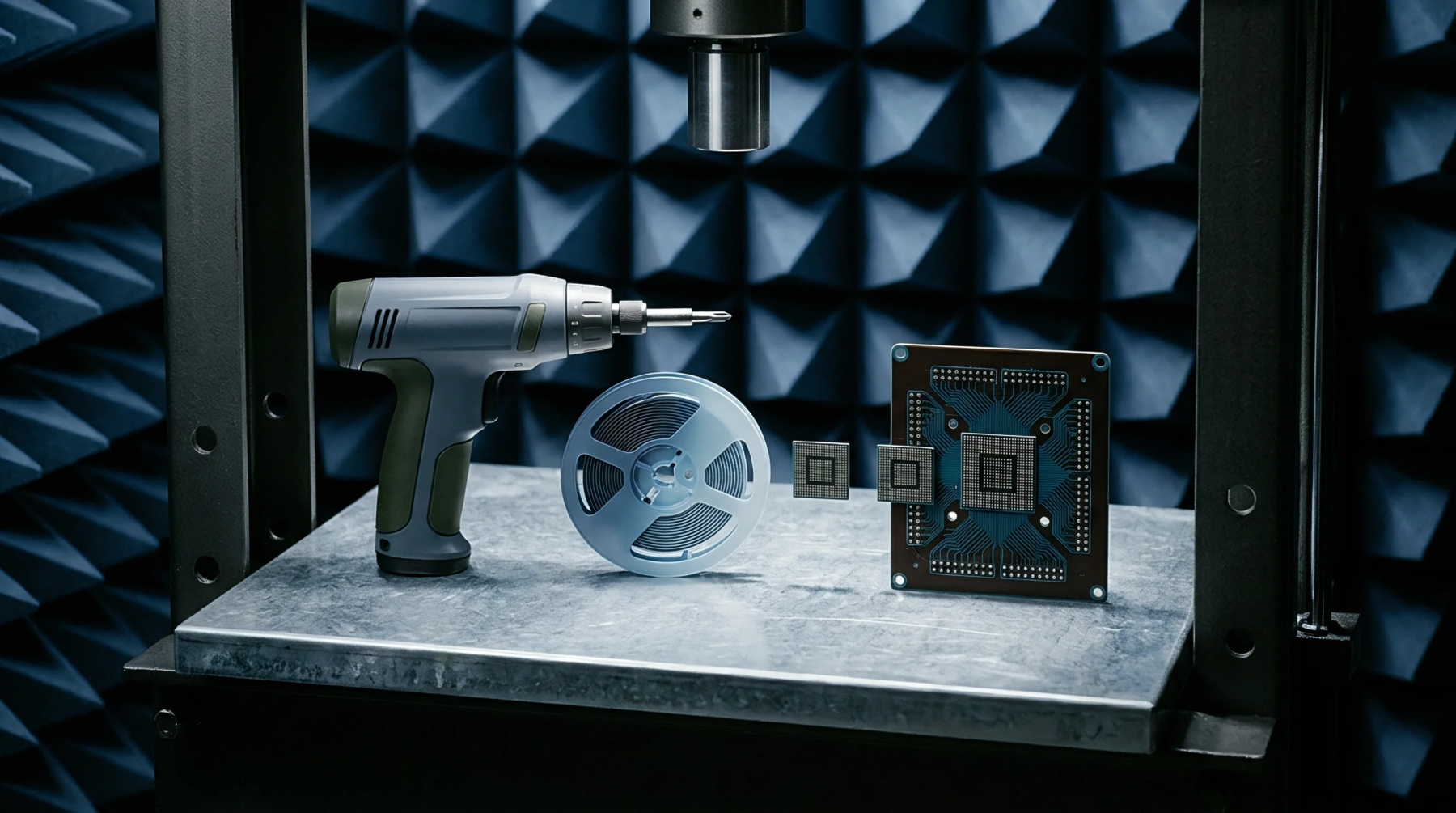
Electromagnetic Surface Damping Selection for PCB Cavity Structures
Select PCB cavity damping by tuning filler permeability to resonant field vectors, keeping dampers three trace heights away to prevent impedance drift.
Select PCB cavity damping by tuning filler permeability to resonant field vectors, keeping dampers three trace heights away to prevent impedance drift.
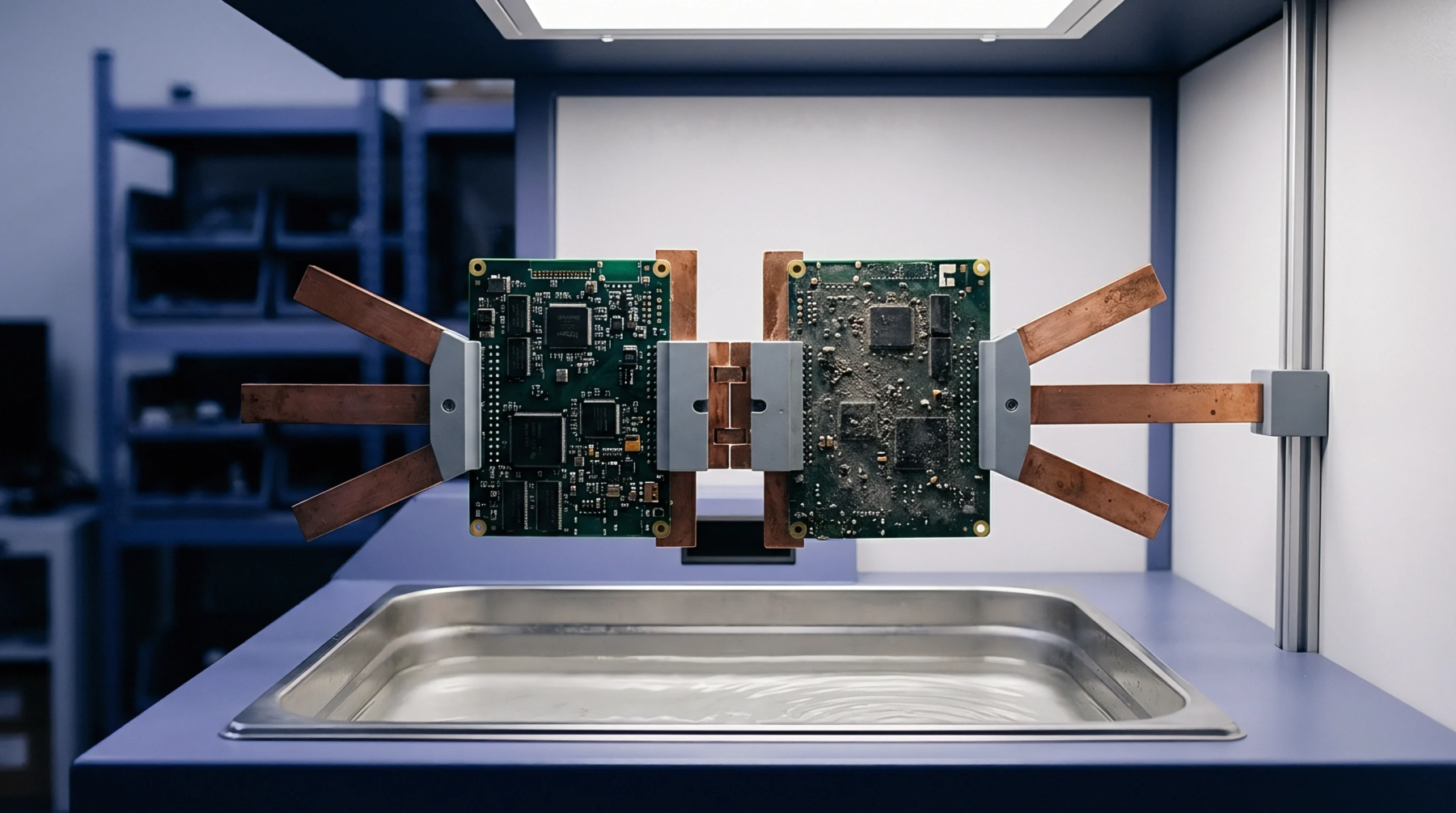
Maintain component spacing equal to twice the height of tall packages along the furnace conveyor axis to prevent defective convective cold joints.

Holding inverted component mass below 30 grams per square inch of pad area prevents drop-off during secondary reflow of double-sided surface mount boards.

SMT setup charges monetize changeover downtime while component attrition allowances guarantee mechanical tape-feeder leader survival and placement vision yields.

Radiometric CT false call disputes resolve when volumetric gray-scale variance stays within two percent of baseline attenuation targets.
Contractual labor chargebacks allocate false call review costs when automated optical inspection pseudo-defects breach agreed parts-per-million thresholds.

Production lines run stable when automated inspection yields fifty false calls per million solder joints without suppressing defect classification algorithms.

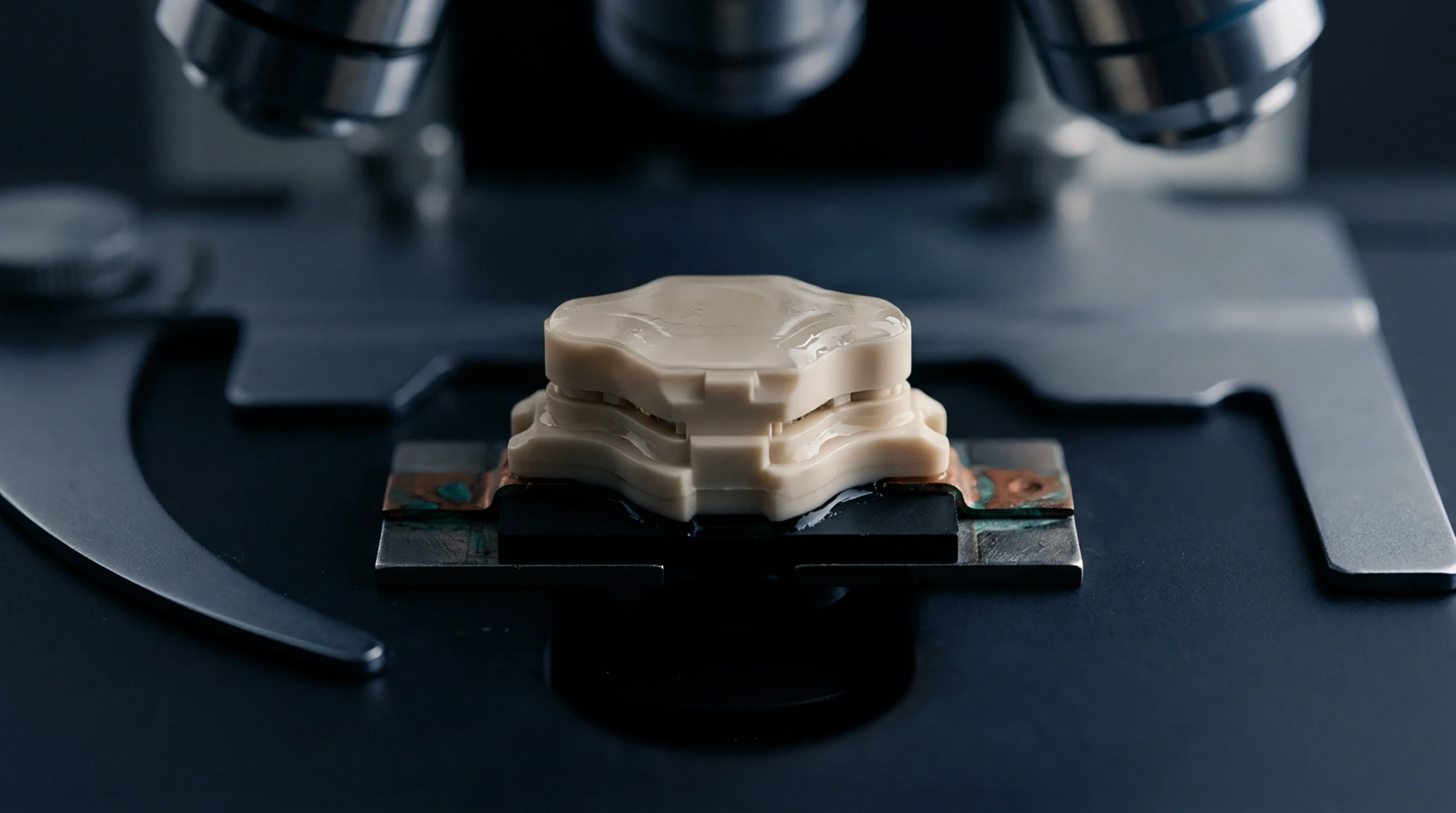
Solid-state diffusion accelerates intermetallic growth and Kirkendall voiding under sustained thermal stress, demanding destructive SEM qualification to prevent catastrophic joint embrittlement.
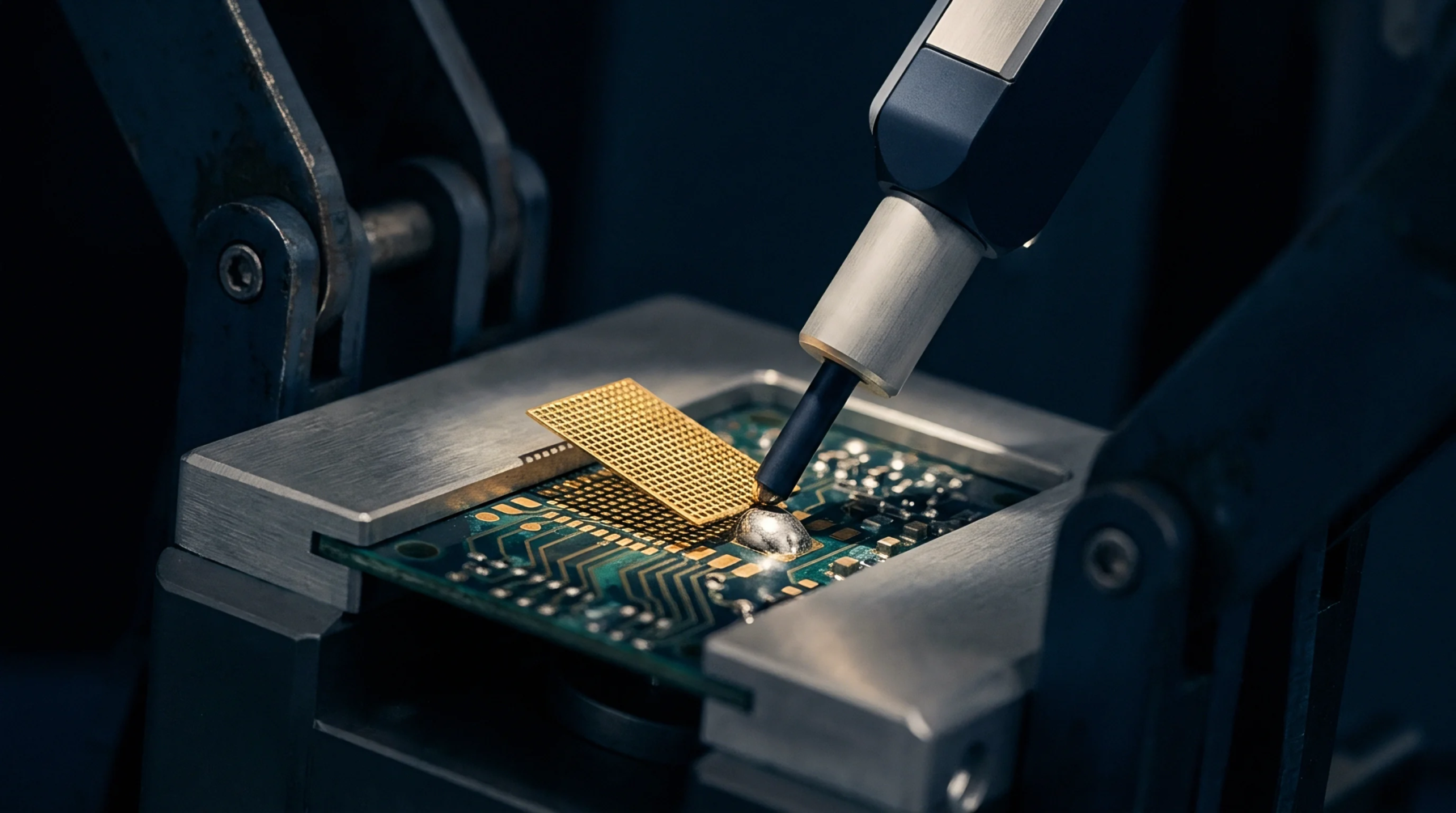
Optimizing reflow profiles requires balancing soak duration and cooling rates to minimize voiding, warpage, and brittle intermetallic growth.

Standby line charges for micro BGA halts belong to the party whose material or process caused the stoppage, proven by machine logs and paste inspection data.

Dynamic TAP contact resistance drift attenuates boundary scan signals, causing structural fault escapes that violate product conformity declarations.
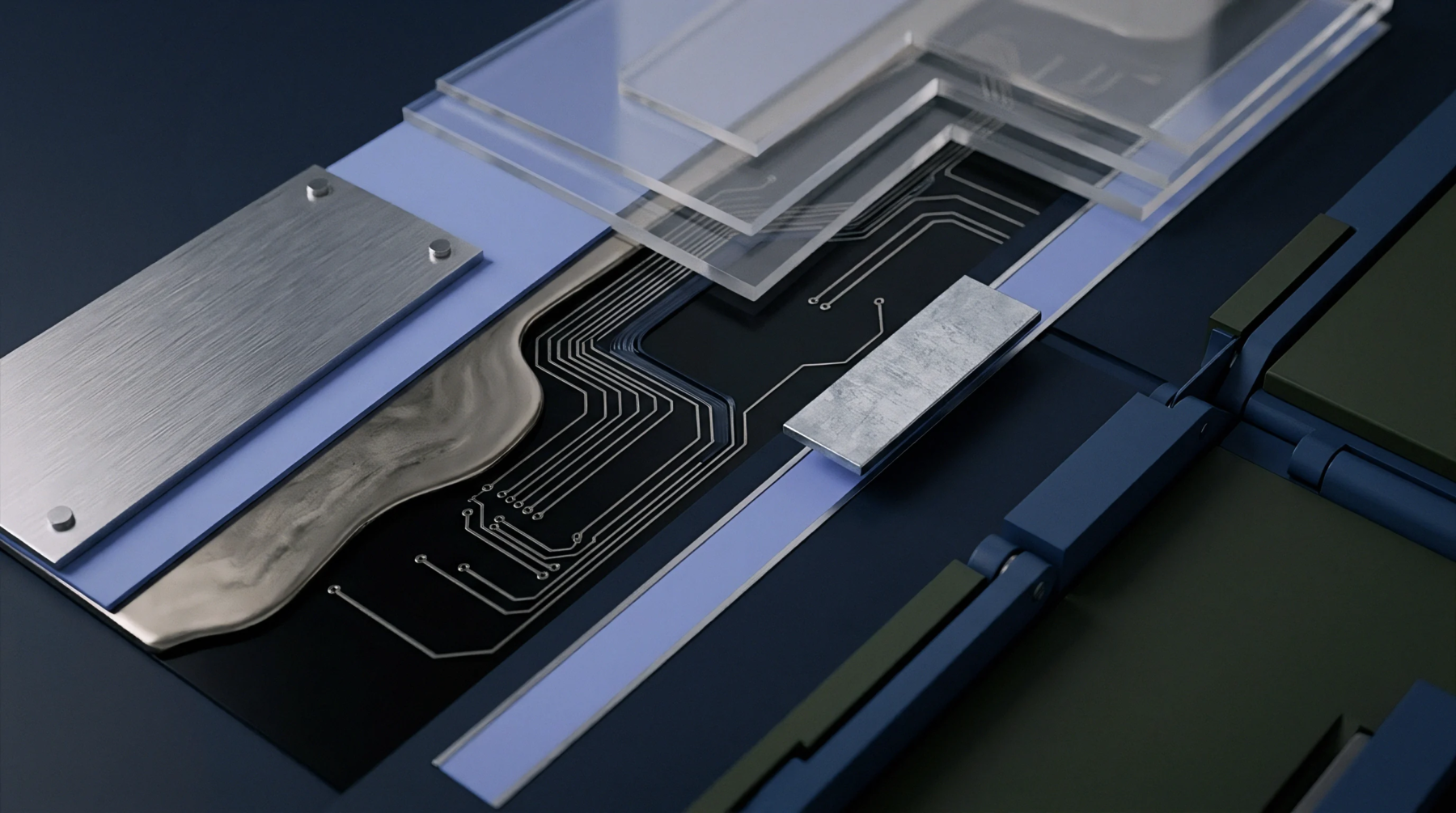
Radiographic inspection qualifies hidden bottom-terminated joints through calibrated photon absorption, measuring void percentages and wetting without sightlines.

Boundary scan replaces physical fixture probes by shifting serial test patterns through dedicated on-chip registers to prove high-density ASIC solder integrity.
Spatial harmonization unifies disparate machine coordinate frames through rigid affine transformation, eliminating fleet-wide systematic offset errors.

Transferring in-circuit test fixtures demands mechanical receiver alignment, guard loop settling verification, and fault-injection correlation to prevent escapes.

Non-redundant aggregation of optical, X-ray, and boundary scan coverage metrics determines true defect escape risk on high-density circuit boards.

Contractual recovery for intermittent SMT failures requires 3D SPI volume logs, dynamic thermal profiles, and certified SEM intermetallic microsections.

Contractual yield allowances isolate mechanical feeder scrap from reflow defects to protect consigned stock value and settle component variances accurately.

Market surveillance audits detect unauthorized ceramic dielectric swaps through DC bias capacitance sweeps, thermal sweeps, and material cross-sectioning.

Setting automated solder paste inspection hold boundaries requires balancing transfer efficiency limits against component pad density to control false calls.
Eliminating high speed ICT escape vectors demands AC boundary scan integration, controlled overdrive pulse timing, and board strain limits during fixture probing.
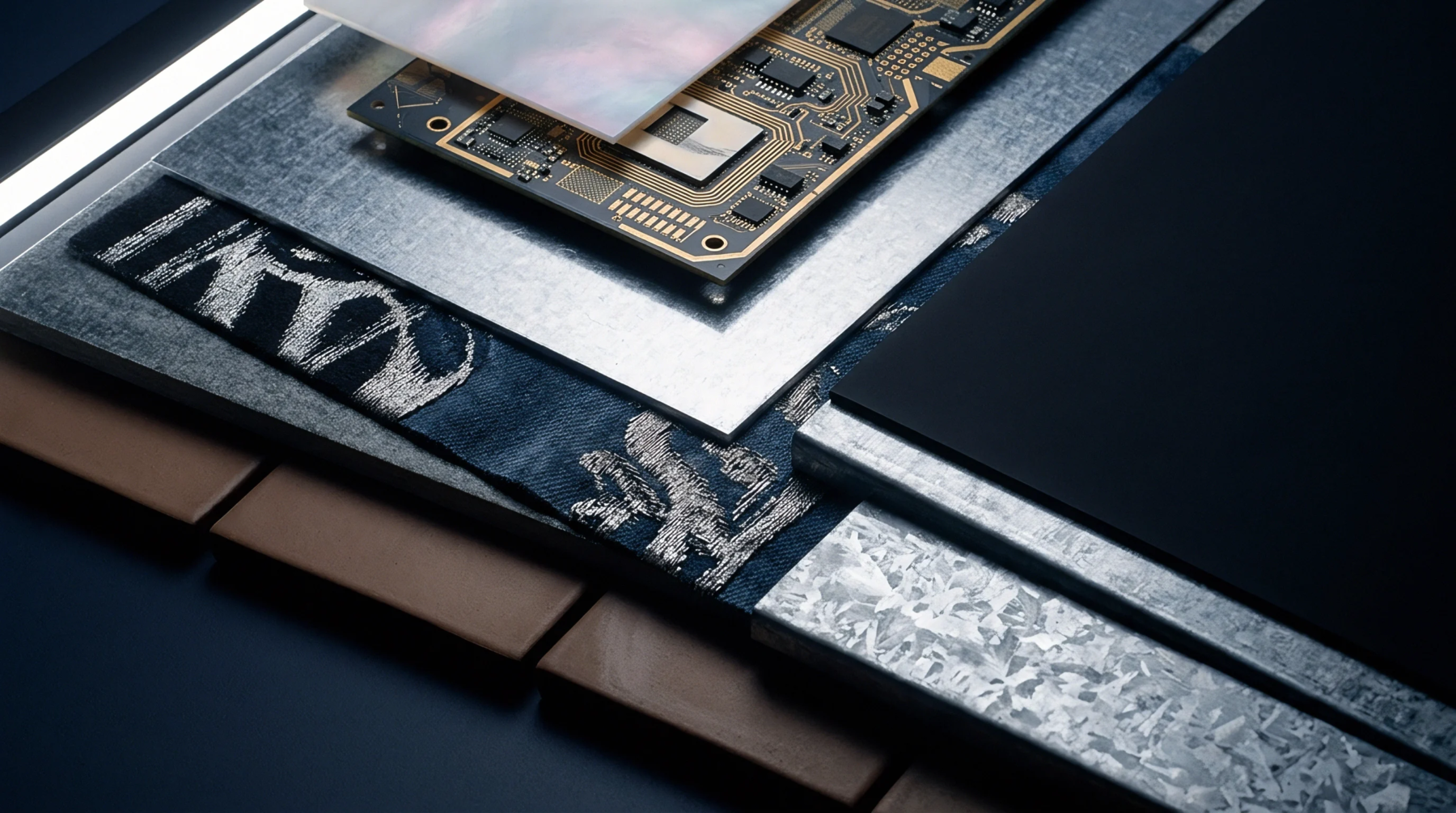
Statistical inspection bounds govern defect escape rates, defining commercial liability boundaries and scrap allocation across surface mount assembly lines.

Correlate CT density gradients to microsections by locking segmentation thresholds to the lowest radial slice fill percentage measured on baseline coupons.

Microsectioning Class 3 boards settles barrel fill disputes by measuring net axial solder rise and subtracting internal voids against the 75 percent threshold.

Plated through hole solder joints evaluated under IPC standards require strict vertical fill, top and bottom fillet wetting, and bounded radiographic voiding.
Expertise is a utility, not a secret. sentiention™ publishes its working knowledge as open reference: intelligence layer covering the materials it sources, the markets it enters, and the reference that serves both.