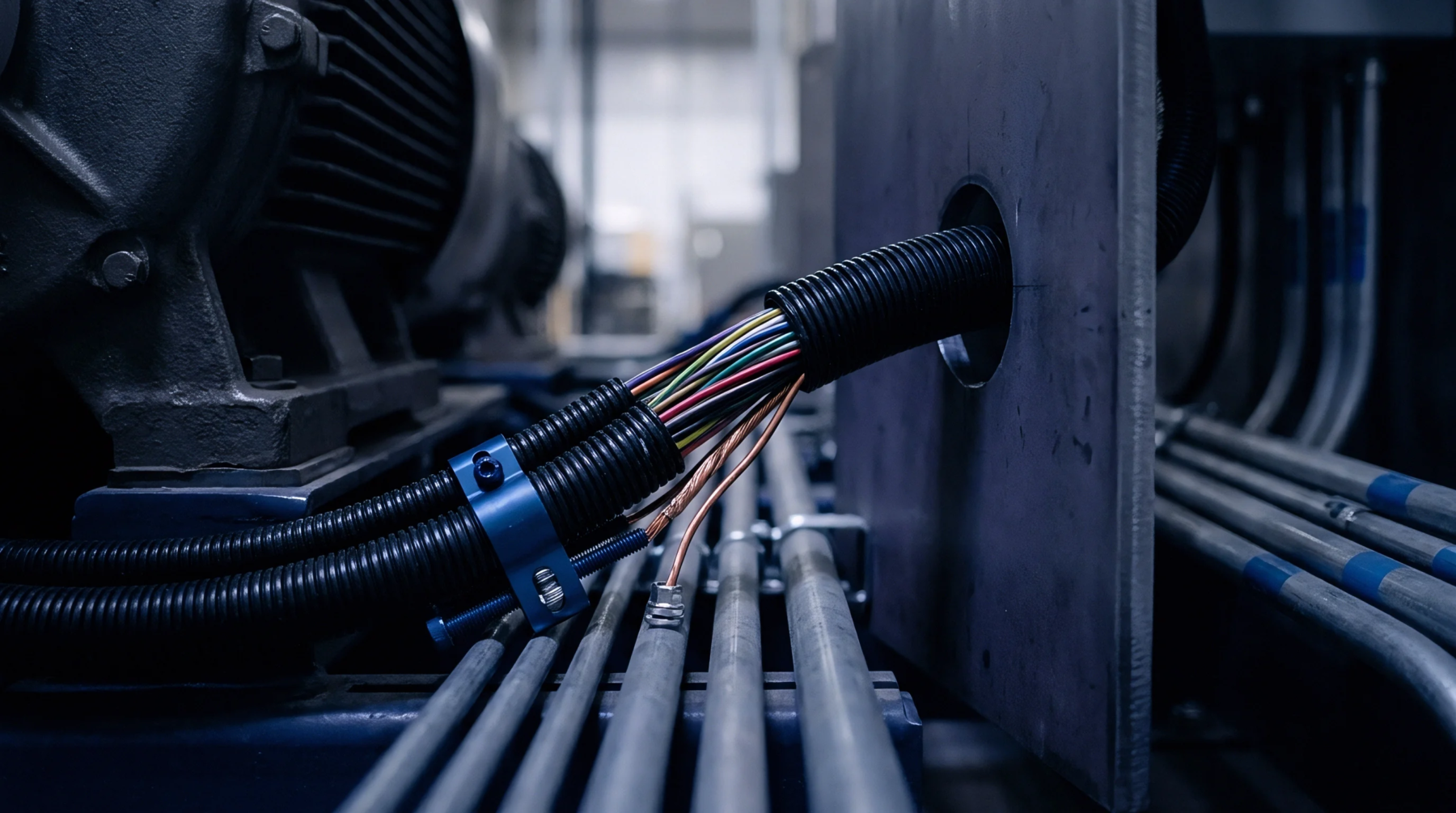
Phosphorus Rejection Dynamics in Electroless Nickel Solder Intermetallic Phases
Phosphorus rejected during solder reflow forms brittle nickel phosphide layers that demand high-speed shear testing and strict IPC-4552 chemical control.
Phosphorus rejected during solder reflow forms brittle nickel phosphide layers that demand high-speed shear testing and strict IPC-4552 chemical control.

Micro-BGA intermetallic compound formation depends on peak reflow energy and thermal aging, where excessive layer thickness causes brittle interfacial failure.
Calculate stencil area ratio above 0.66 for standard laser foil and above 0.50 for nano coated electroformed stencil to guarantee ninety percent paste release.

Thermally induced crystallization of amorphous nickel phosphide creates non-linear yield drops driven by Ni3P precipitation strain and interfacial cracking.

ENIG guarantees 24-month solderability for staggered assembly runs, while OSP degrades beyond six months unless stored in vacuum-sealed moisture barrier bags.

Ensuring complete bottom-side nodal access with standard pad pitch and strain-mitigated fixturing locks in fault coverage and prevents field defect escapes.
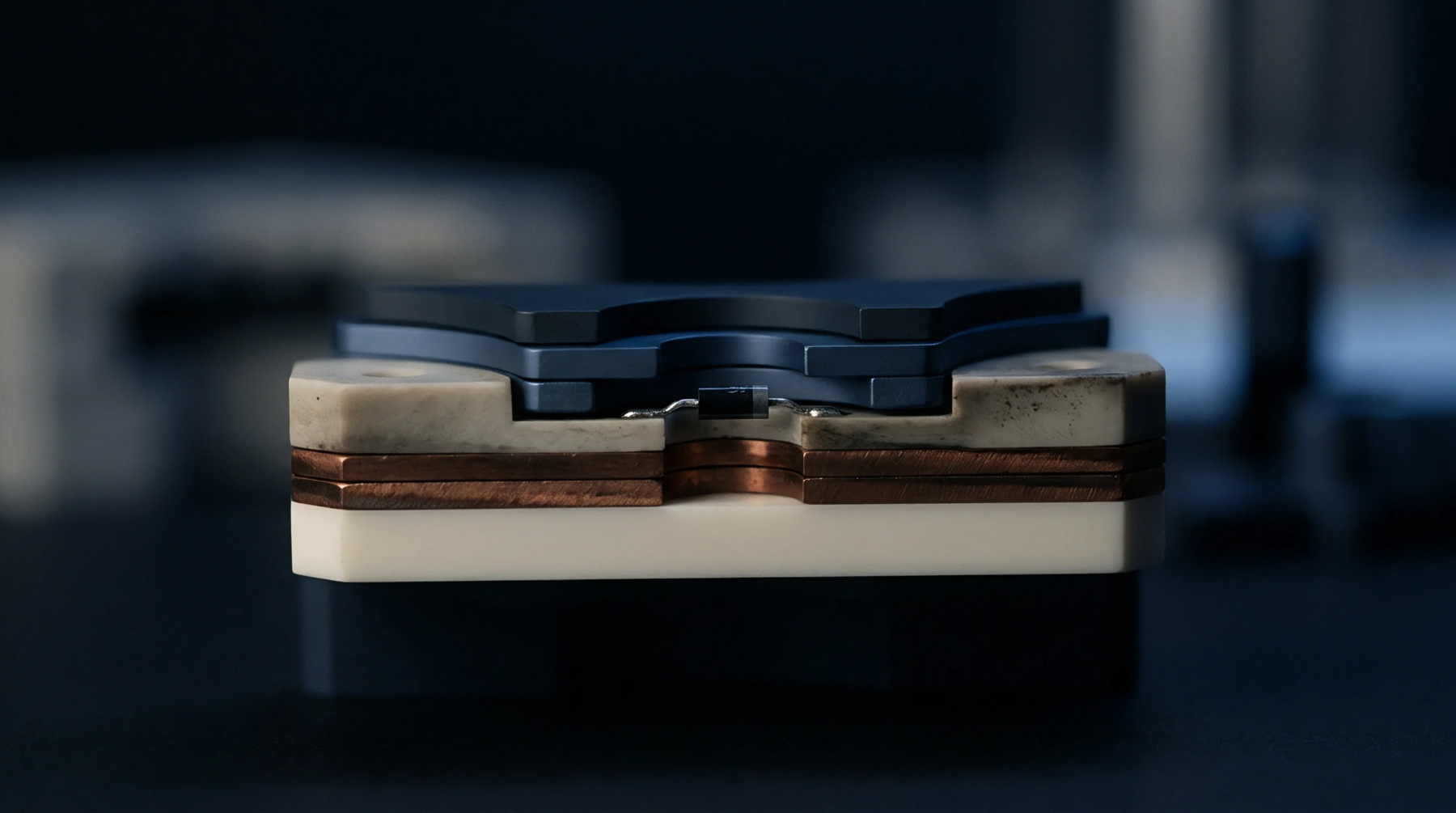
Optimize SAC305 reflow profiles between 235-248°C with 45-75s TAL and 3-5°C/s cooling to limit interfacial intermetallic growth and prevent brittle joint failure.
Balancing micro-probe forces with precision push-fingers prevents substrate strain over 500 microstrain, protecting fine-pitch BGAs and MLCCs from fixture damage.

High density circuit board surface finishes require tight thickness boundaries to prevent nickel hyper-corrosion, black pad, and solder joint embrittlement.
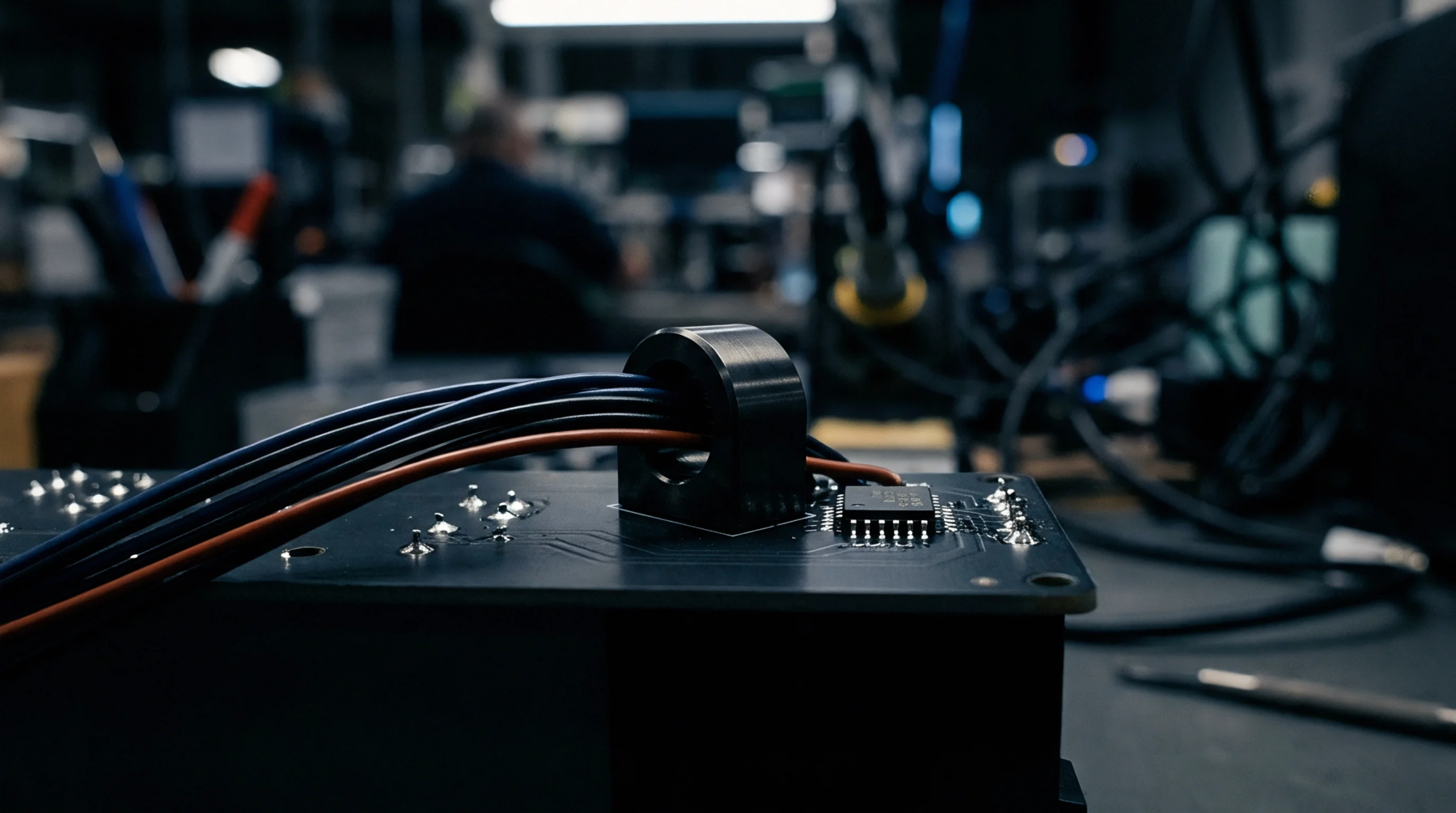
Intermetallic growth control and thermal profile validation prevent latent BGA fracture defects before boards leave the line.

Auger depth profiling quantifies interfacial phosphorus, oxygen, and intermetallic phase growth to diagnose black pad and prevent brittle solder joint failures.
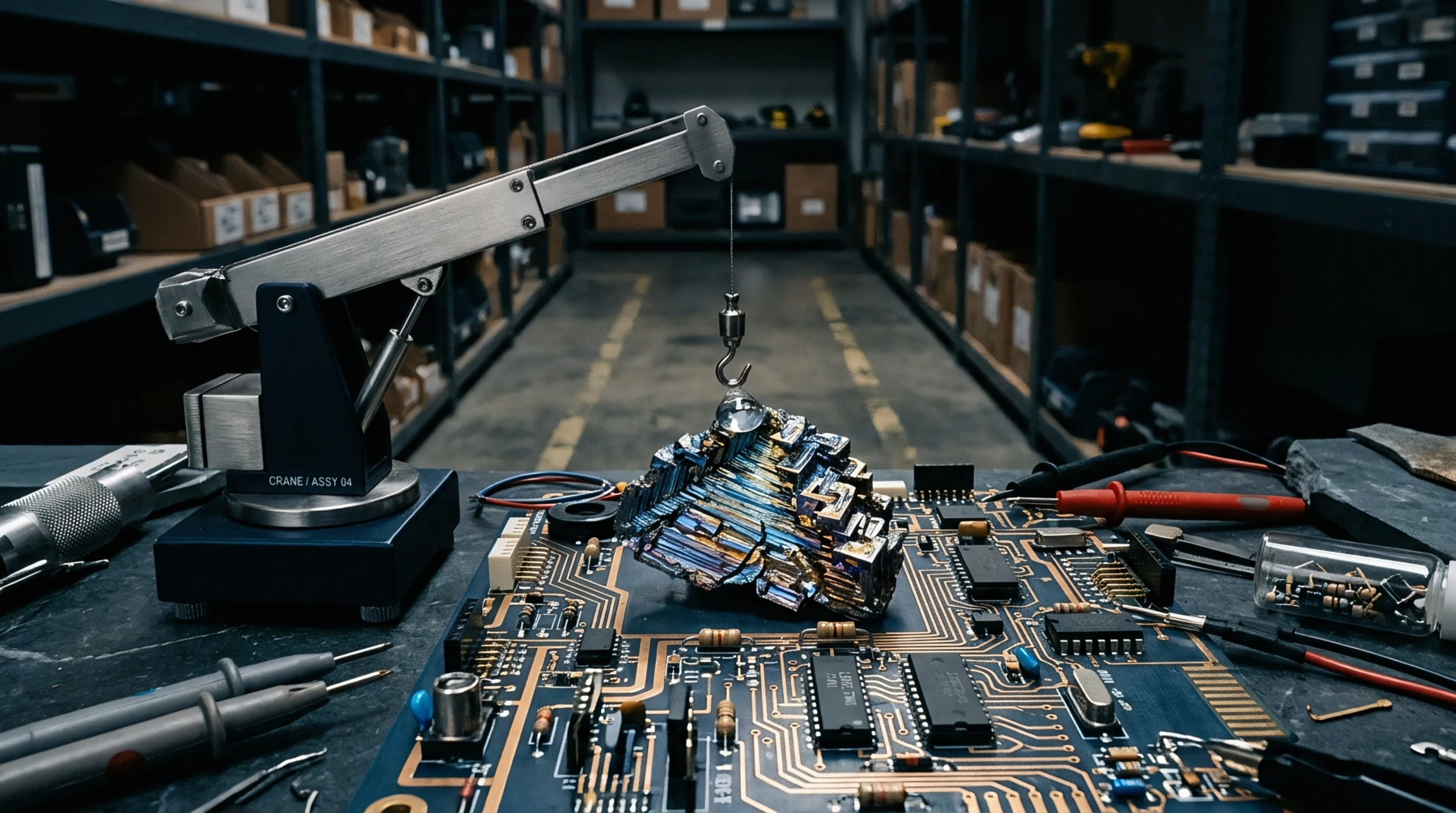
Resolving test point access before layout release prevents costly PCB re-spins, ensures high fault coverage, and protects assembly yield.
Expertise is a utility, not a secret. sentiention™ publishes its working knowledge as open reference: intelligence layer covering the materials it sources, the markets it enters, and the reference that serves both.