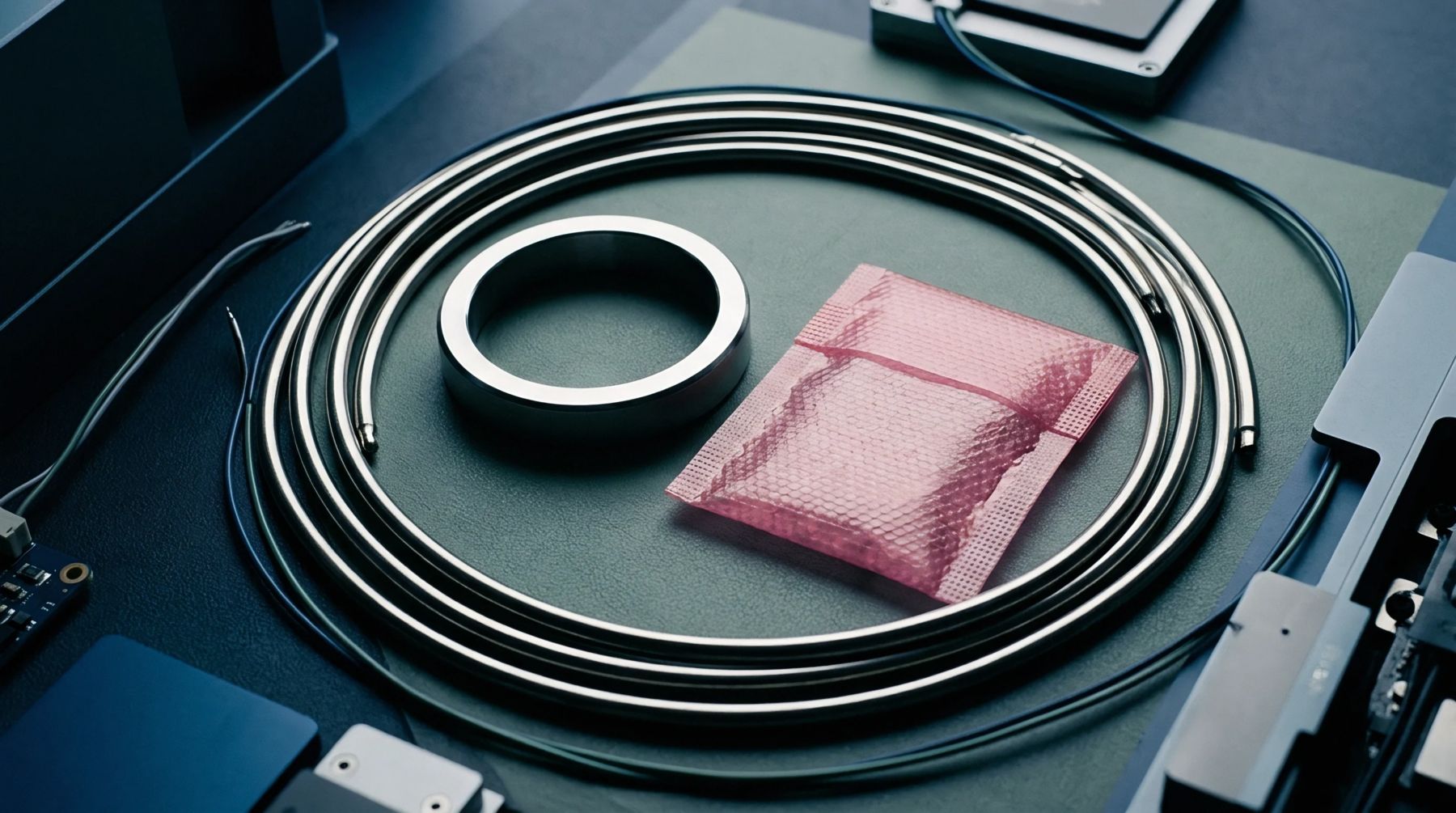
Modeling Micro Turbulent Convective Heat Coefficients in Nitrogen Enriched Reflow Systems
Micro-turbulent nitrogen convection increases heat transfer coefficients to 85 W/m²·K, requiring tight velocity control to avoid component displacement.
Micro-turbulent nitrogen convection increases heat transfer coefficients to 85 W/m²·K, requiring tight velocity control to avoid component displacement.
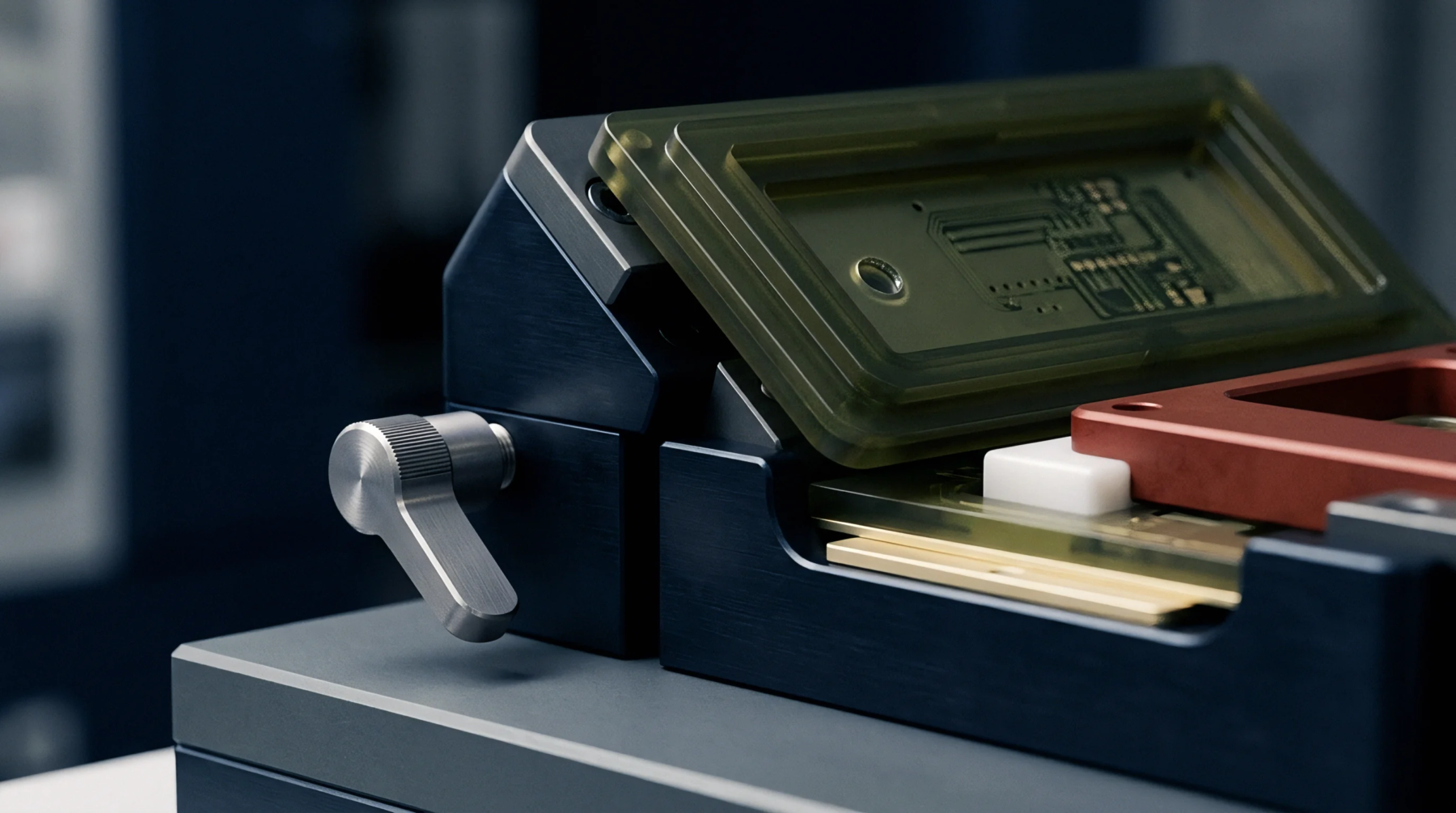
Lead-free SMT reflow calibration locks peak temperatures between 235°C and 248°C across all board masses to secure joint wetting without package damage.
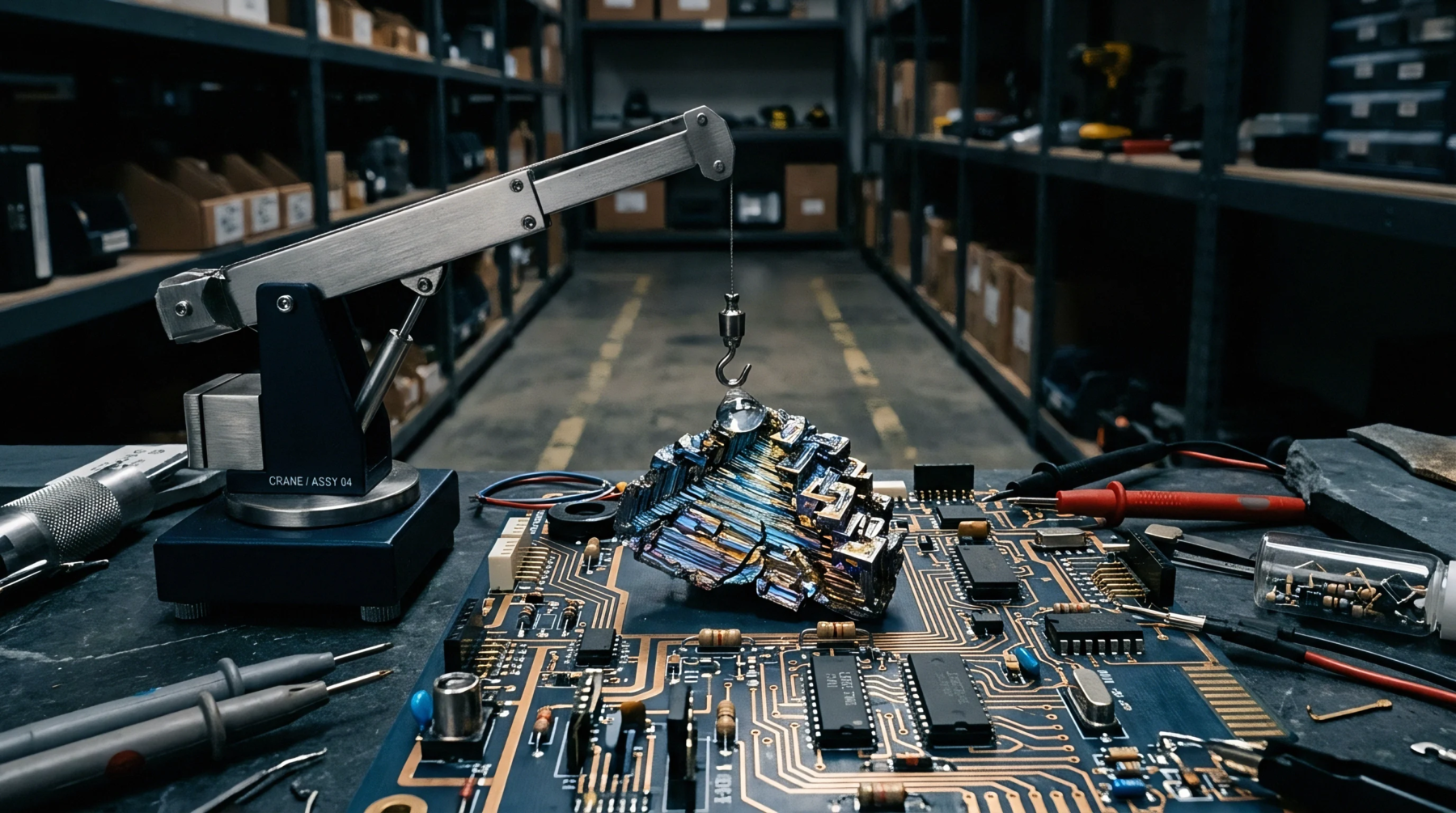
Thermal lag in heavy copper selective soldering is optimized by balancing high topside preheat soaks with pin-specific dwell times to achieve 100 percent barrel fill.
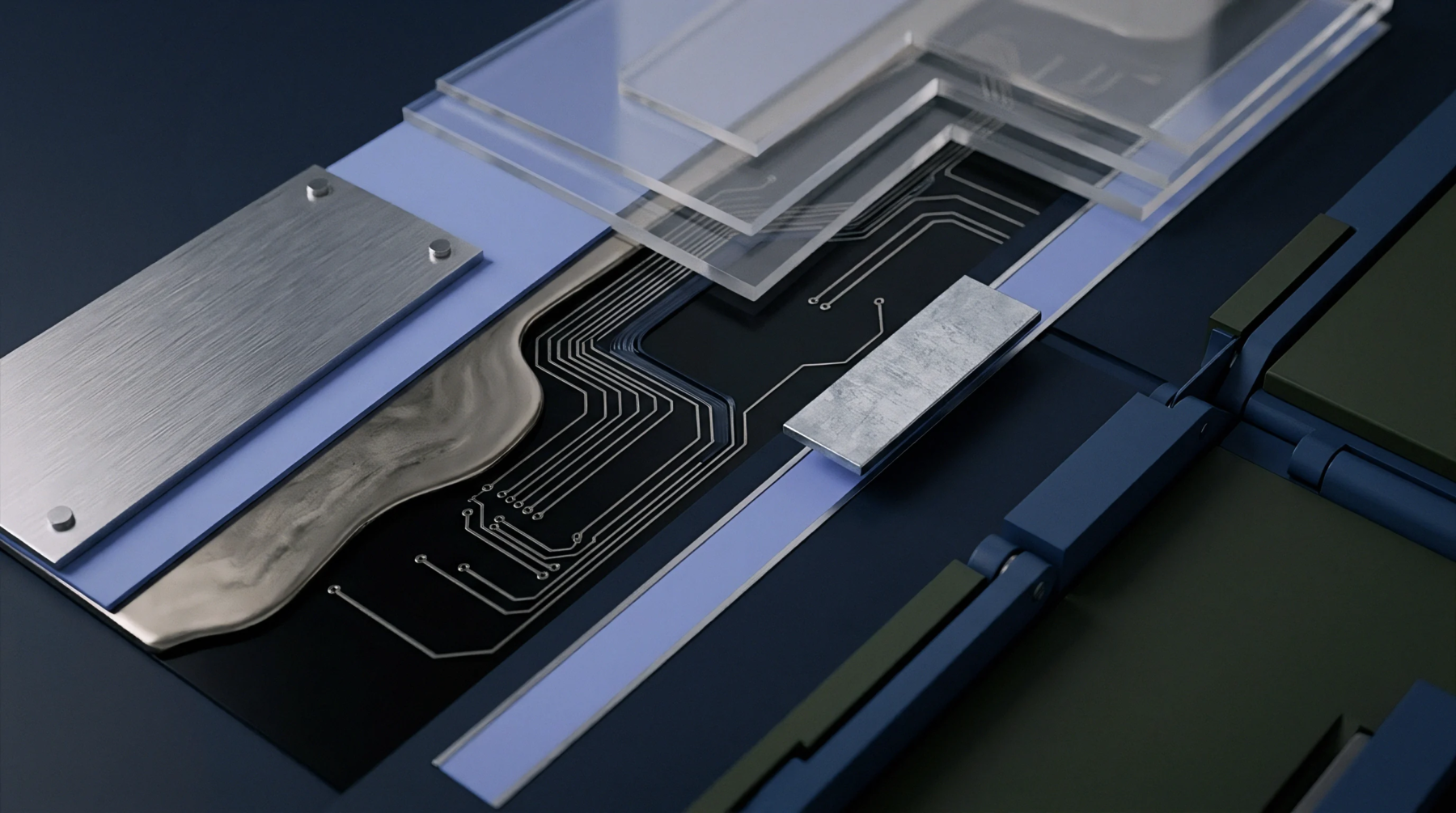
Rapid preheat ramp rates induce severe thermal gradients in MLCCs, causing latent micro-cracks that degrade insulation resistance under bias.
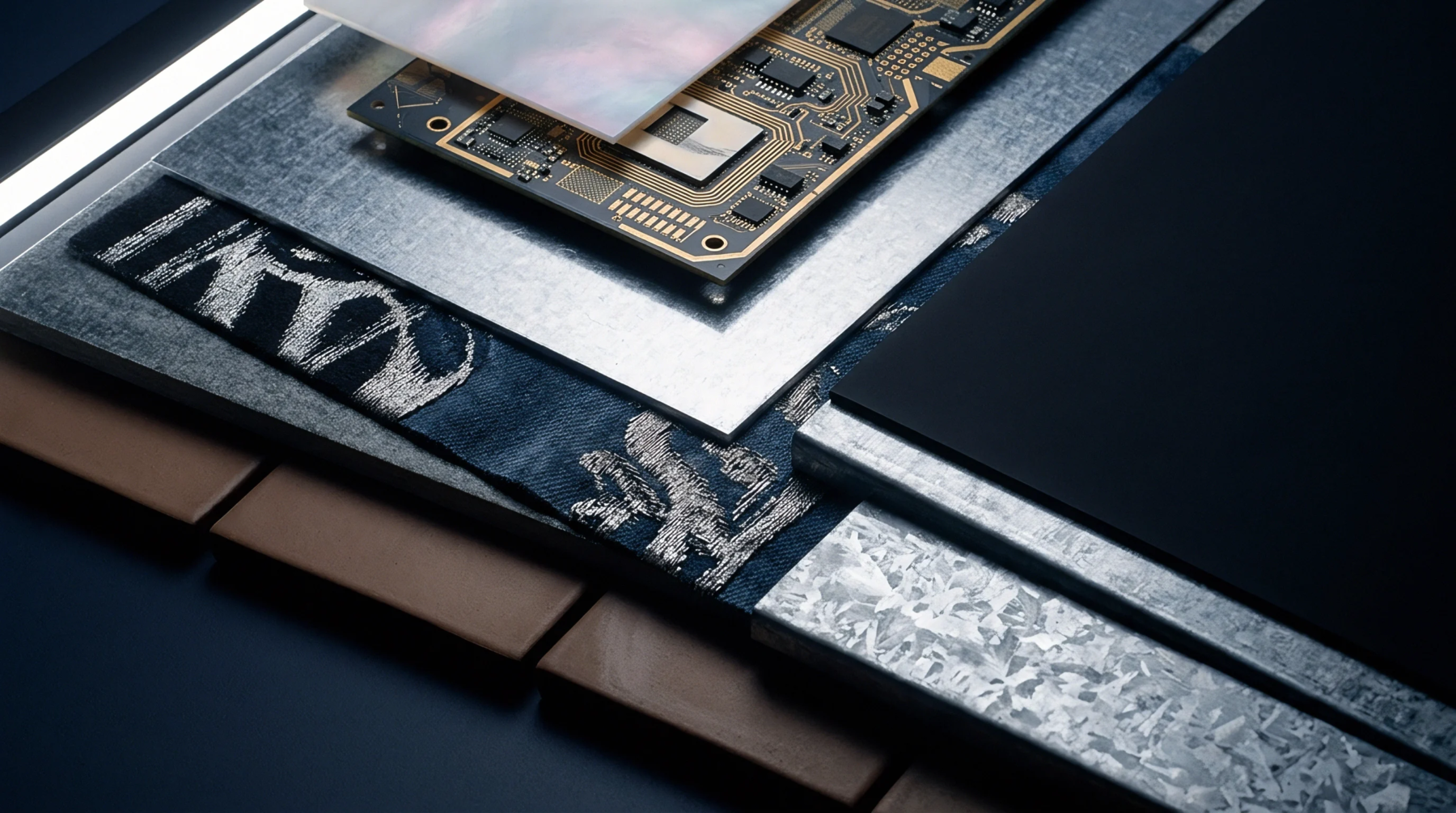
Consigned material sourcing requires strict incoming package checks, chemical decapsulation, and clear contract risk allocation to prevent counterfeit escapes.
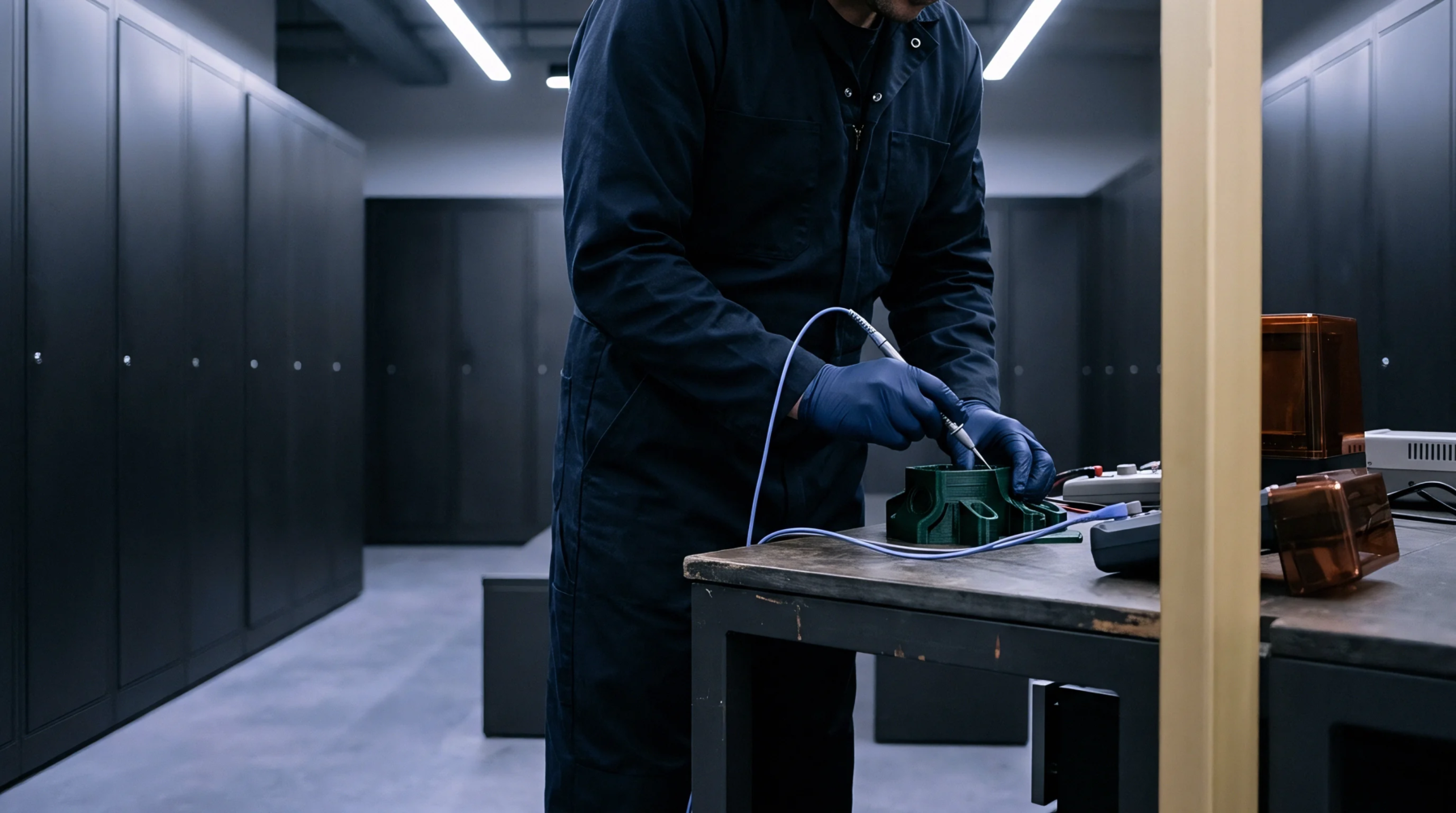
Vacuum reflow liquidus dwell lowers nucleation kinetic barriers by depressurizing molten solder, forcing microvoid expansion and surface escape.
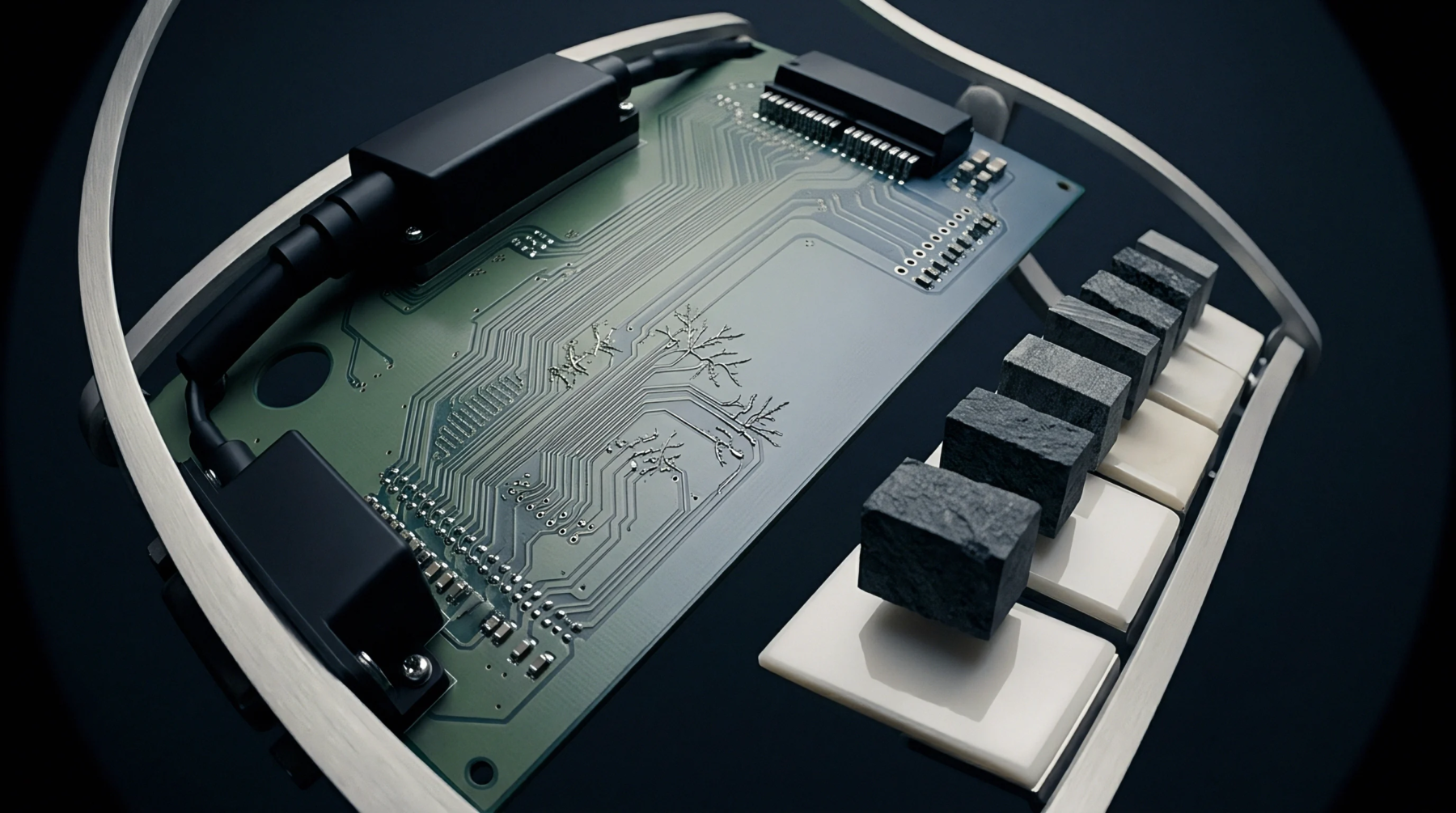
Dynamic thermal warpage alters fine pitch component standoff during reflow, trapping flux outgassing and increasing solder joint voiding percentages.
Exceeding component floor life limits risks catastrophic reflow popcorning; restore parts via J-STD-033 validated bake profiles before surface mount assembly.
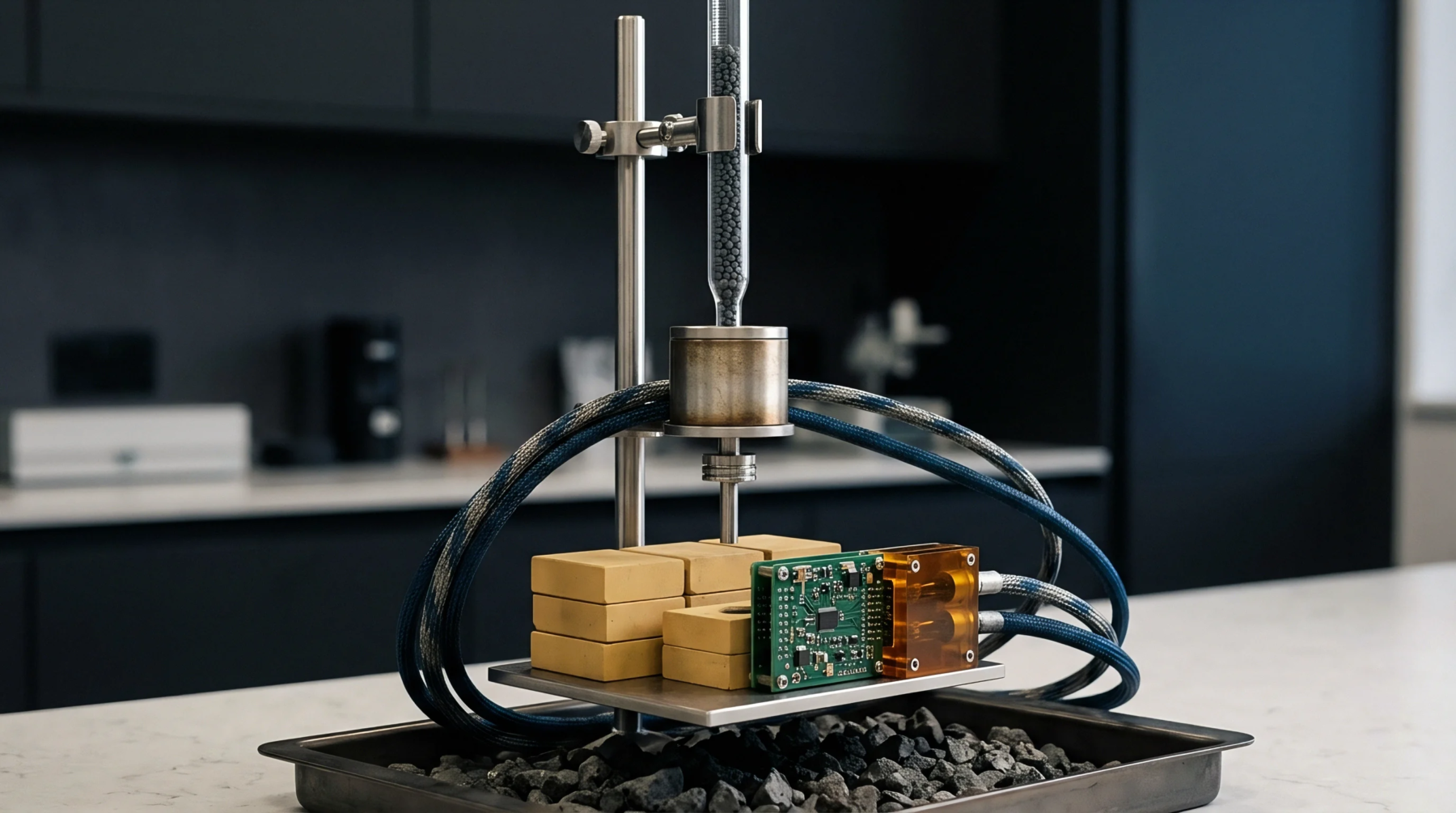
Unambiguous contract allocation caps assembly liability at process fees while tying thermal damage claims to independent coupon microsectioning evidence.
Expertise is a utility, not a secret. sentiention™ publishes its working knowledge as open reference: intelligence layer covering the materials it sources, the markets it enters, and the reference that serves both.