Residue Volatility
Organic compounds within soldering materials vaporize when subjected to the high temperatures of a reflow oven. Flux outgassing occurs as volatile components change phase from liquid to gas while the printed circuit board assembly travels through the heating zones. This phenomenon represents a transition of chemical matter from the applied paste or liquid into the surrounding atmosphere of the furnace.
Residual buildup inside the oven reflects the accumulation of these vaporized materials after they undergo condensation on cooler surfaces.
Mechanism Impact
Chemical release rates during the thermal profile depend directly on the boiling points of the solvents and activators contained in the flux formulation. Rapid heating cycles accelerate the rate at which gas escapes from the material as the viscosity of the carrier medium drops. If ventilation systems within the equipment fail to remove these vapors, the gas density near the board rises to a level that hinders the uniform transfer of thermal energy.
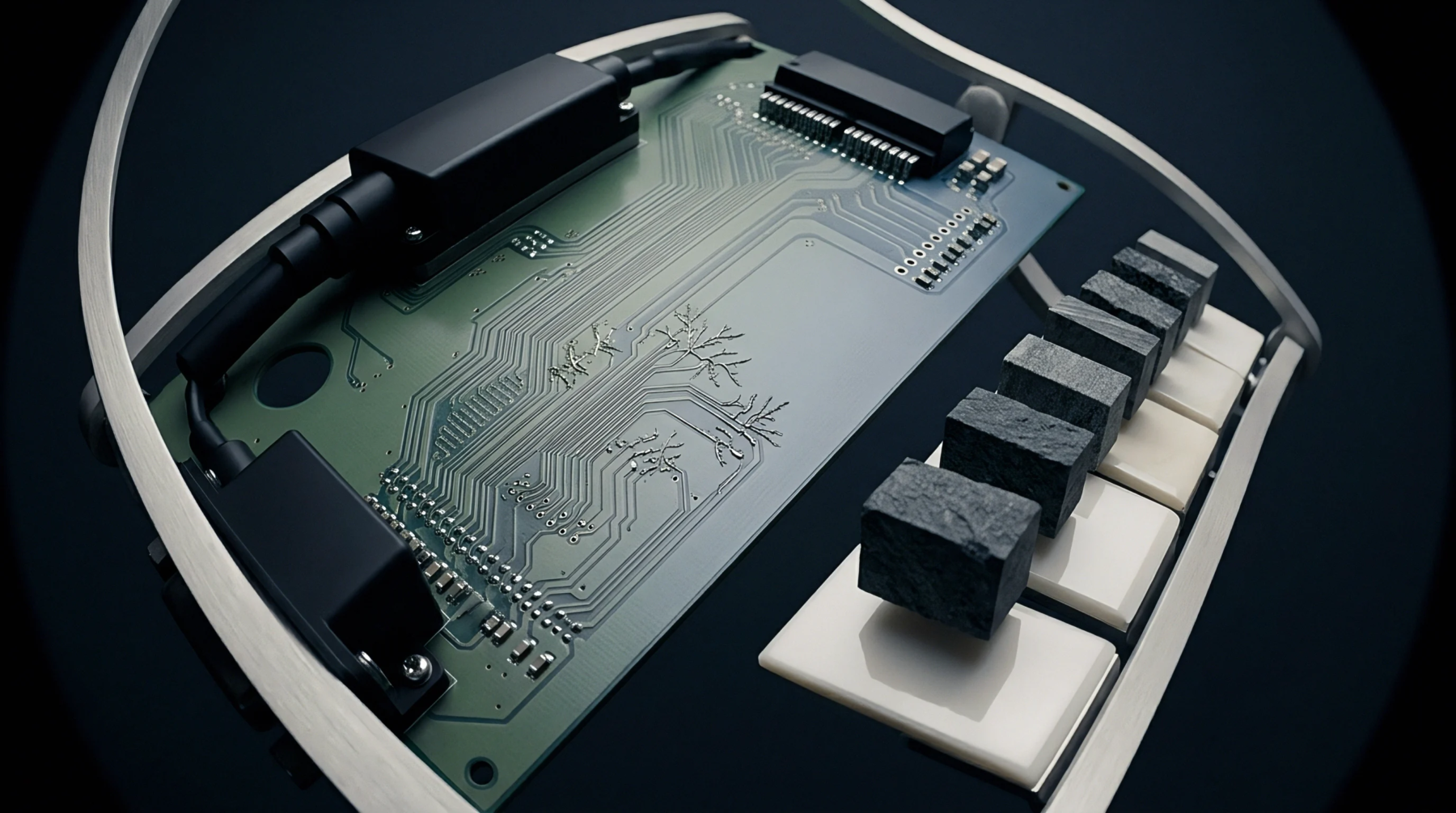
Improper extraction allows the gaseous substances to redeposit on the assembly surface, which compromises the electrical integrity of components by leaving tacky or conductive residues behind.
Quality Requirement
Standards for surface insulation resistance define the acceptable limits for ionic and organic contaminants that remain on the assembly after the cooling cycle completes. Technicians verify compliance by checking that the concentration of these substances does not exceed the threshold specified for the intended operating environment of the circuit. Automated inspection systems look for white haze or crystalline structures that indicate heavy discharge of volatiles occurred during the reflow process.
Strict monitoring of the extraction flow within the reflow oven prevents the transition of these materials from the liquid state into unwanted surface films. Effective thermal control governs the degree to which these compounds influence the reliability of the finished solder joints.