Thermal Integration
Mechanical joining of high-dissipation semiconductors to baseplates forms the foundation of a power electronics assembly, where thick copper substrates mate with ceramic insulators to manage extreme operational heat fluxes. Substrate cracking occurs during vacuum reflow if solder voids exceed twenty percent under large area dies, so automated X-ray inspection evaluates void distribution prior to wire bonding. Heavy aluminum wire bonding connects chip pads to terminals using ultrasonic energy, but improper loop height induces fatigue failure under thermal cycling conditions.
Electrical Clearance
High-voltage creepage and clearance distances dictate the physical layout within a power electronics assembly, separating direct current busbars from isolated control logic circuits. Transient voltage spikes demand minimum spacing rules defined by insulation coordination standards, while partial discharge testing detects microscopic voids in encapsulation gels that would otherwise cause dielectric breakdown. Copper busbar bending tolerances control stray inductance during high-frequency commutation events, preventing excessive voltage overshoots across insulated-gate bipolar transistor modules.
Operational Acceptance
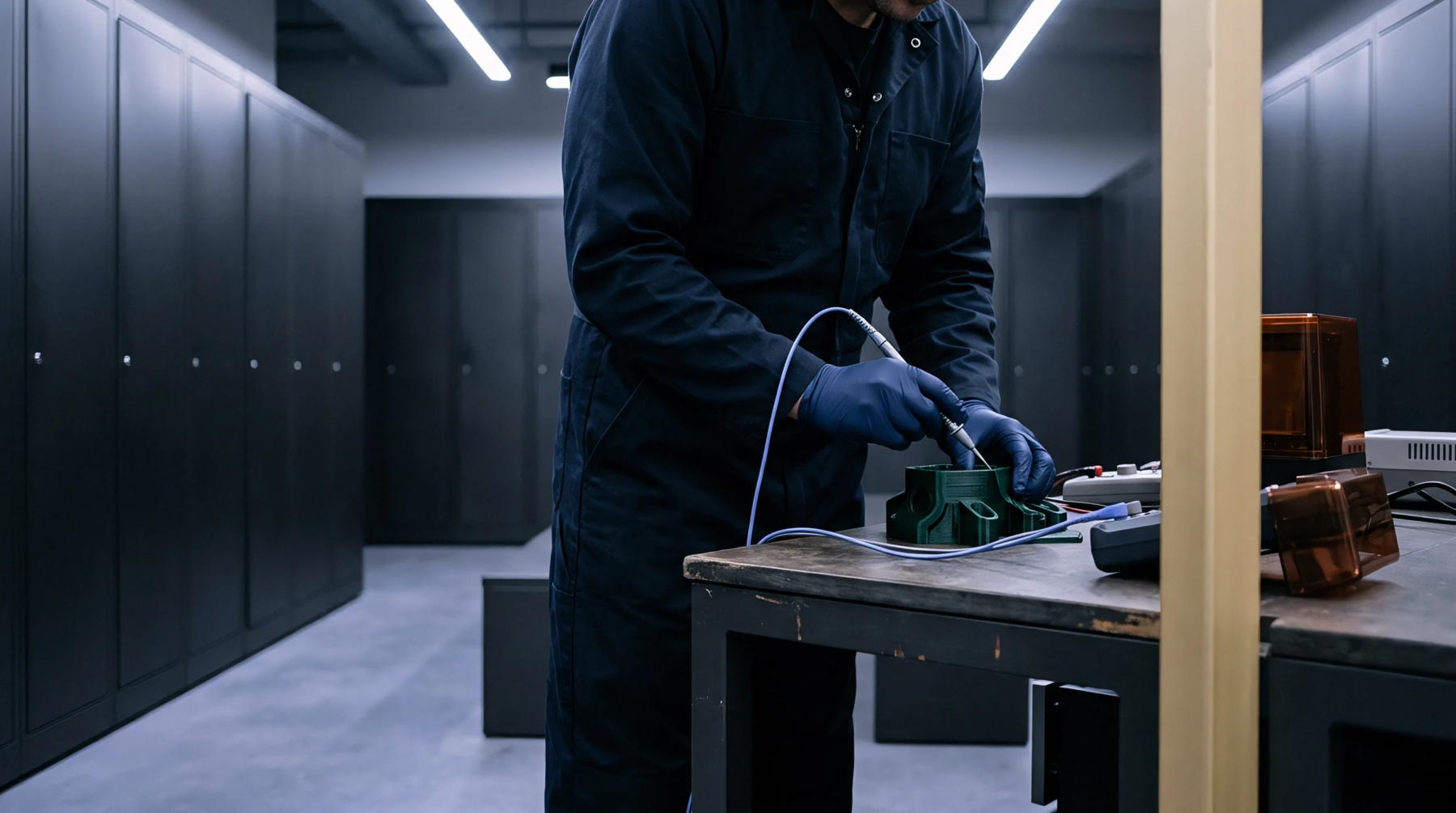
Final verification of a power electronics assembly requires automated test equipment to measure dynamic switching losses and static saturation voltages under full load currents. Burn-in testing at elevated temperatures precipitates early infant mortality failures in semiconductor chips, isolating marginal gate driver circuits before field deployment. Circuit integrity verification confirms that parasitic oscillations remain below threshold limits specified by the end system architecture.