
Finite Element Shear Failure Modeling for Latent Interface Cracking in High Temp Thermal Aging
Finite element shear modeling predicts latent interface cracking in high-temperature electronics by applying age-degraded cohesive zone parameters.
Finite element shear modeling predicts latent interface cracking in high-temperature electronics by applying age-degraded cohesive zone parameters.
Intermetallic thickness growth follows parabolic kinetics; derive activation energy and pre-exponential constants via multi-temperature Arrhenius slope regression.
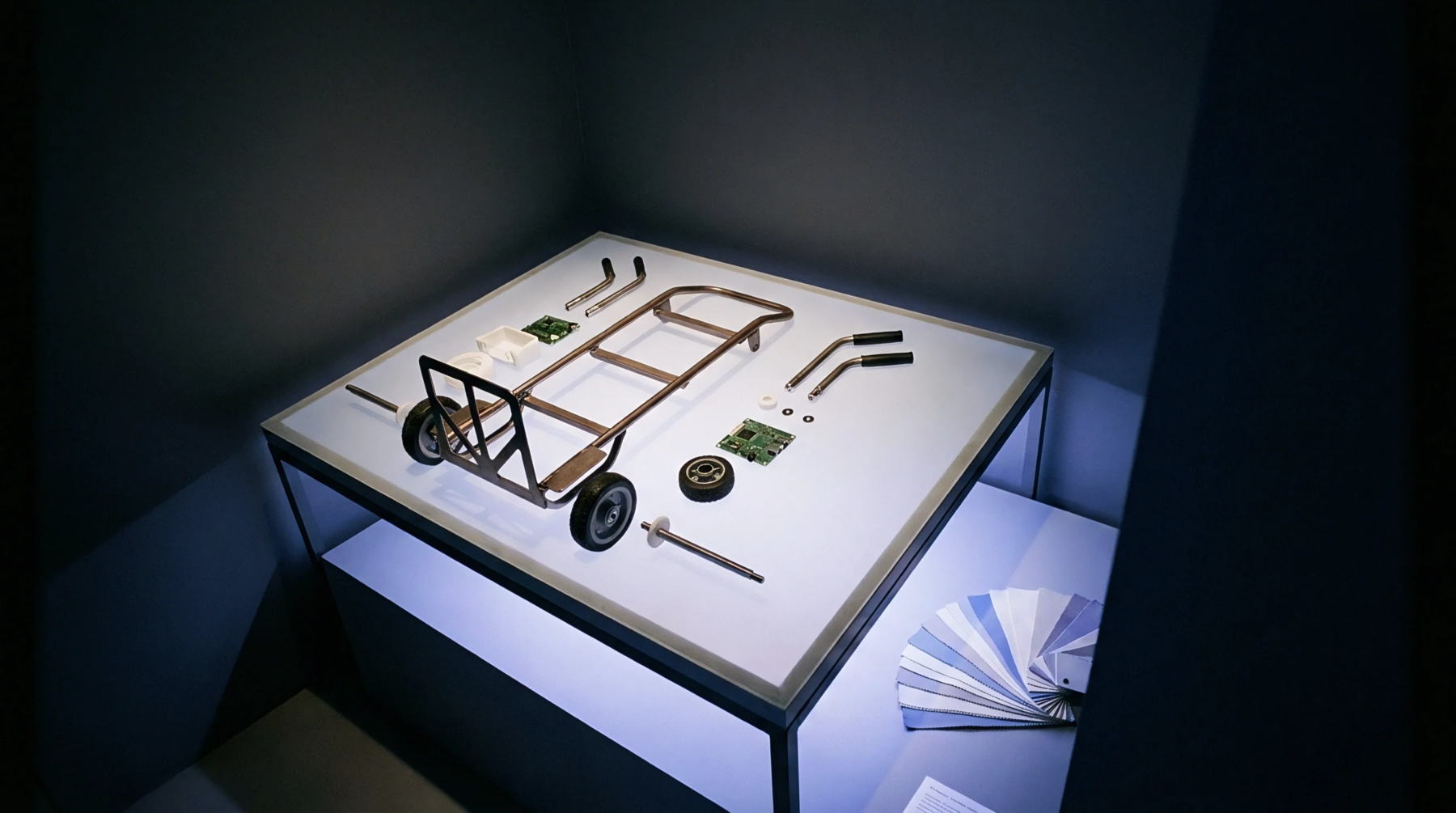
Solid state intermetallic growth degrades lead-free solder joints through parabolic Cu3Sn layer thickening and Kirkendall void embrittlement under thermal aging.

Strain energy damage modeling accurately predicts lead-free solder joint fatigue under multi-pass thermal transients where linear creep models fail.
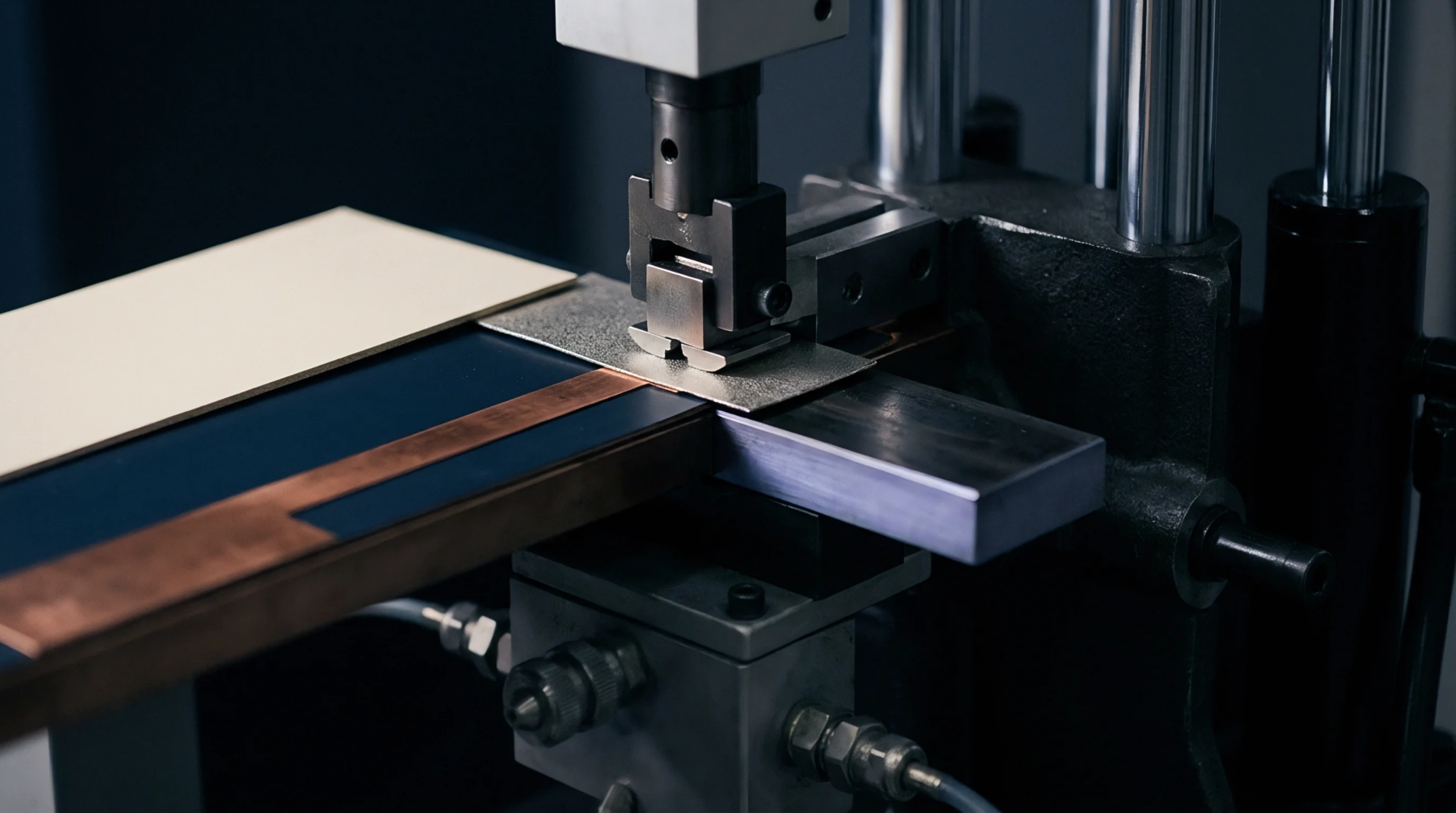
Argon cluster calibration across nickel intermetallics uses phase-specific sputter yields to prevent depth profile distortion at barrier interfaces.

BGA moisture sensitivity compliance demands strict floor life tracking, J-STD-020 preconditioning qualification, and acoustic inspection for subsurface delamination.

Solder reflow steam pressures inside plastic components demand exact floor life accounting and dry storage discipline to prevent package delamination.

Unshielded secondary wave heat pulses elevate primary solder joint peak temperatures, coarsening grain structures and accelerating long-term creep fatigue.
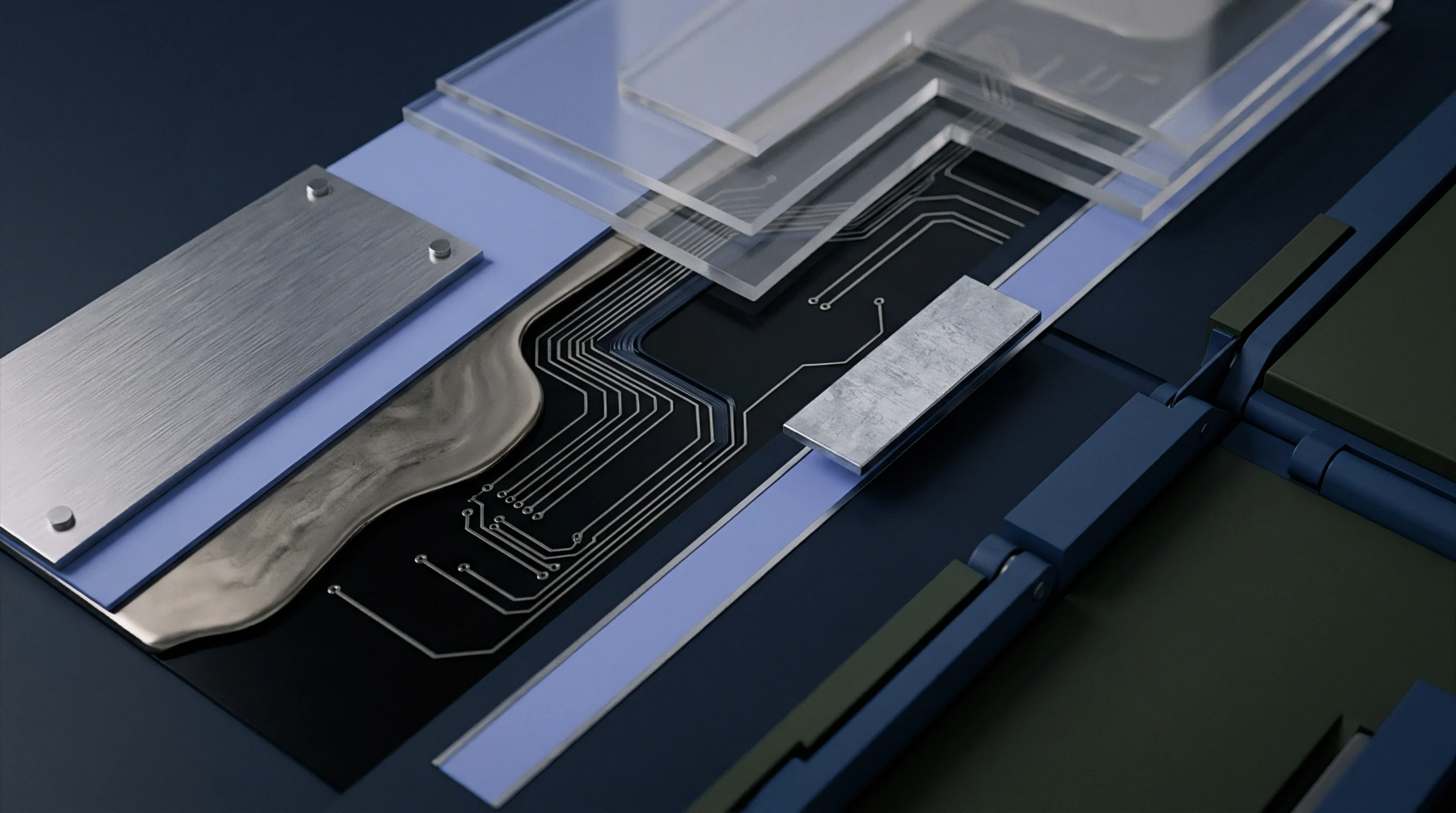
Exceeding component floor life limits risks catastrophic reflow popcorning; restore parts via J-STD-033 validated bake profiles before surface mount assembly.
True yield verification requires subtracting all post-rework passes from raw factory counts to base contract billing exclusively on unassisted board passes.
Expertise is a utility, not a secret. sentiention™ publishes its working knowledge as open reference: intelligence layer covering the materials it sources, the markets it enters, and the reference that serves both.