
Phosphorus Rejection Dynamics in Electroless Nickel Solder Intermetallic Phases
Phosphorus rejected during solder reflow forms brittle nickel phosphide layers that demand high-speed shear testing and strict IPC-4552 chemical control.
Phosphorus rejected during solder reflow forms brittle nickel phosphide layers that demand high-speed shear testing and strict IPC-4552 chemical control.
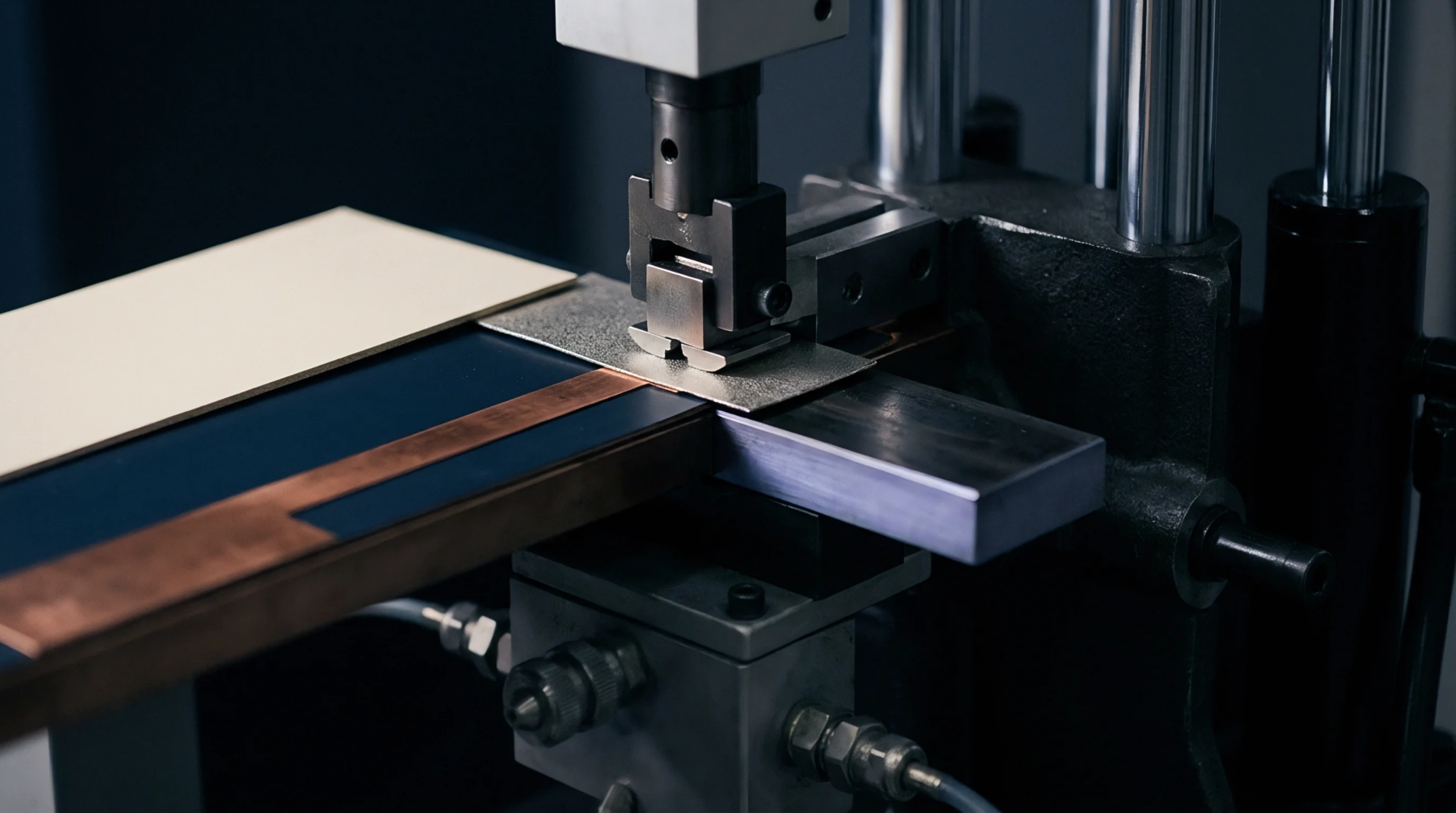
Argon cluster calibration across nickel intermetallics uses phase-specific sputter yields to prevent depth profile distortion at barrier interfaces.
Calculate usable circuits per master production panel and subtract outer border clearances before negotiating bare board unit prices with fabricators.
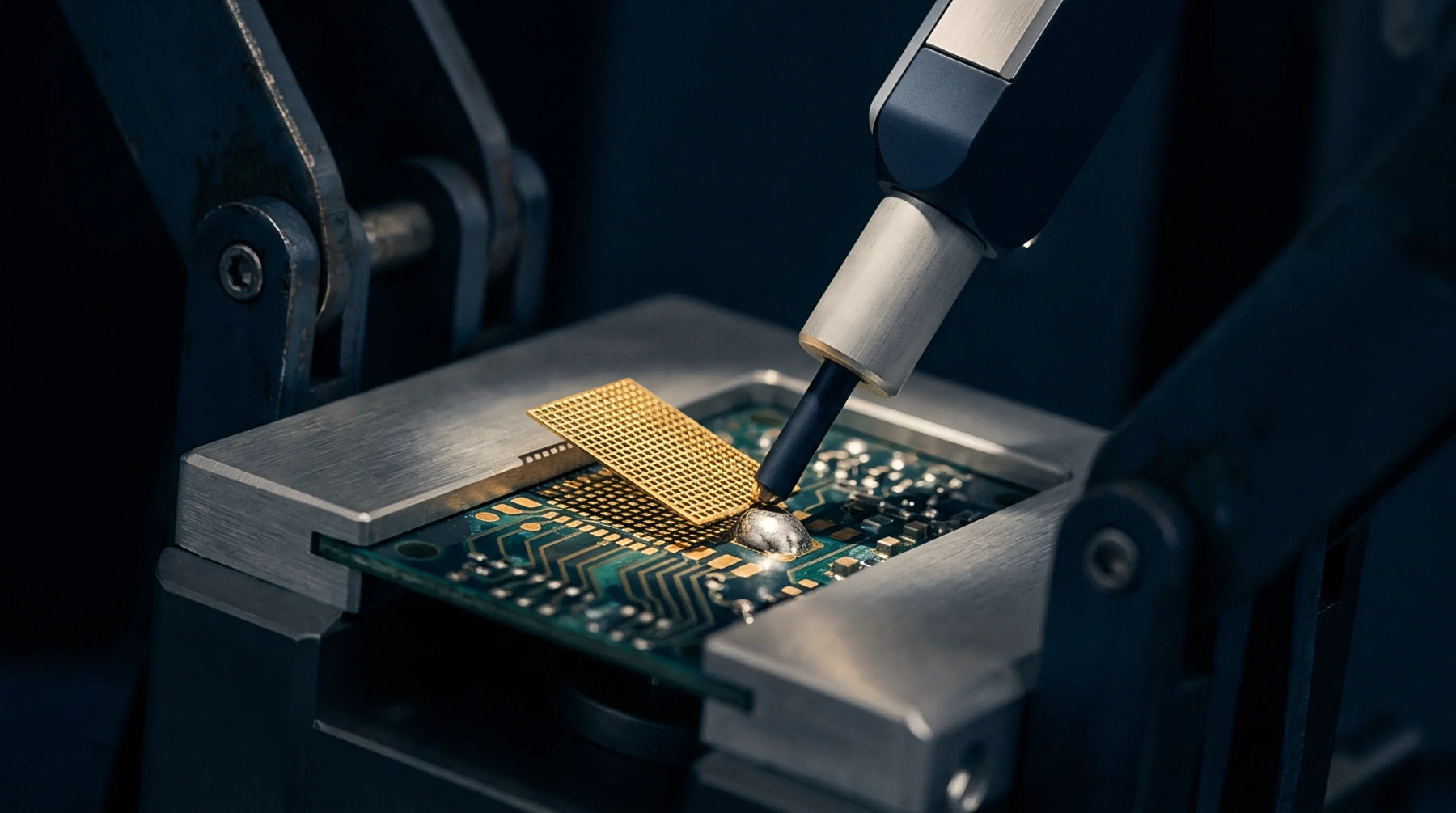
Mitigate PCB cavity damping by replacing lossy nickel finishes with immersion silver and controlling surface roughness below single skin depth.
Argon cluster beam sputter rates drop up to 30 percent across crystalline Ni3P boundaries in amorphous Ni-P, requiring dynamic phase calibration to prevent barrier layer thickness overestimation.

Quantitative depth profiling via AES or XPS accurately measures sub-nanometer interfacial oxidation and phosphorus enrichment to prevent joint failures.
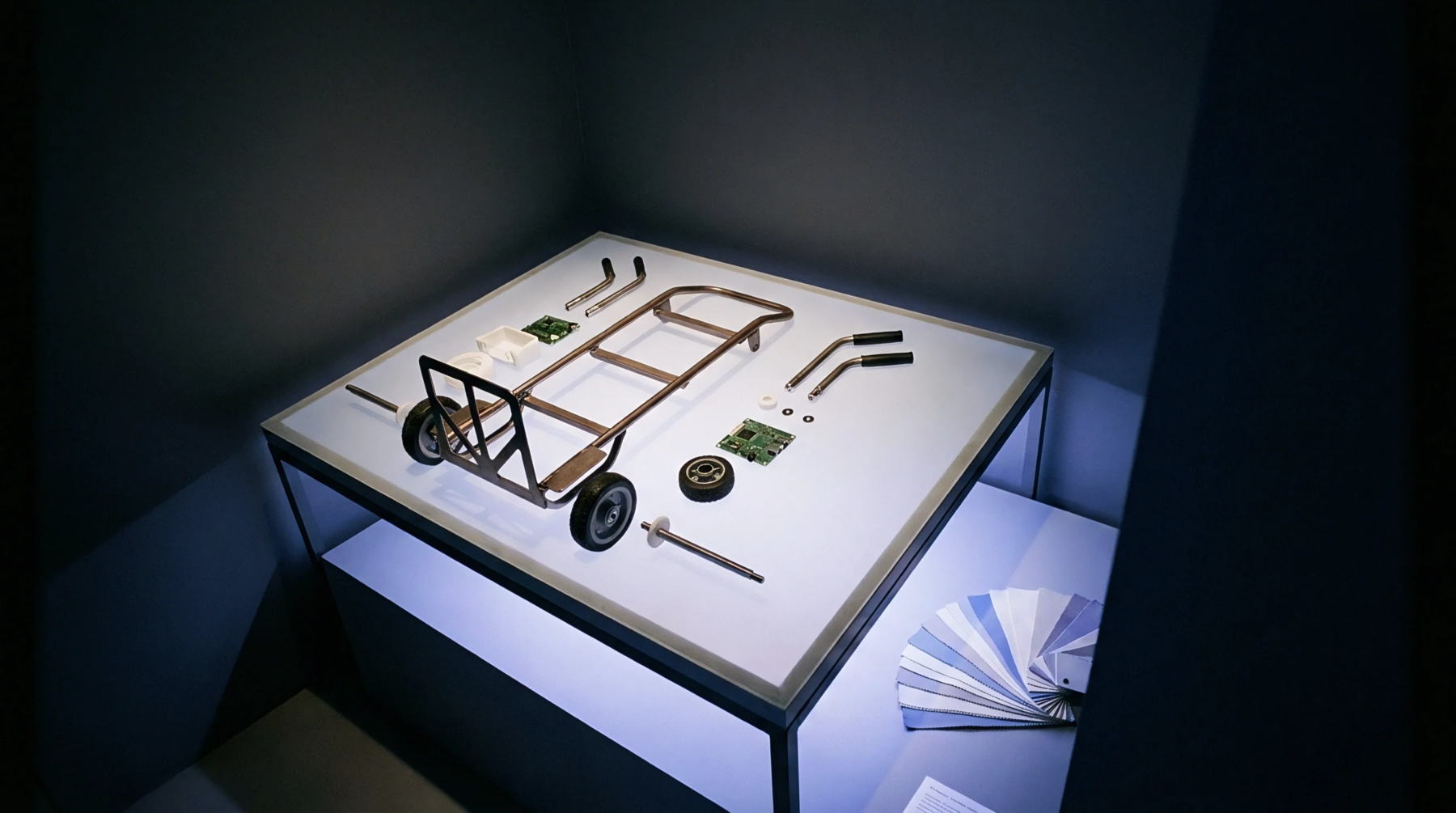
Multilayer PCB fabrication laminates etched copper cores and prepreg under heat and vacuum, creating vertical interconnects through precision drilling and copper electroplating.
Expertise is a utility, not a secret. sentiention™ publishes its working knowledge as open reference: intelligence layer covering the materials it sources, the markets it enters, and the reference that serves both.