Mechanical Load
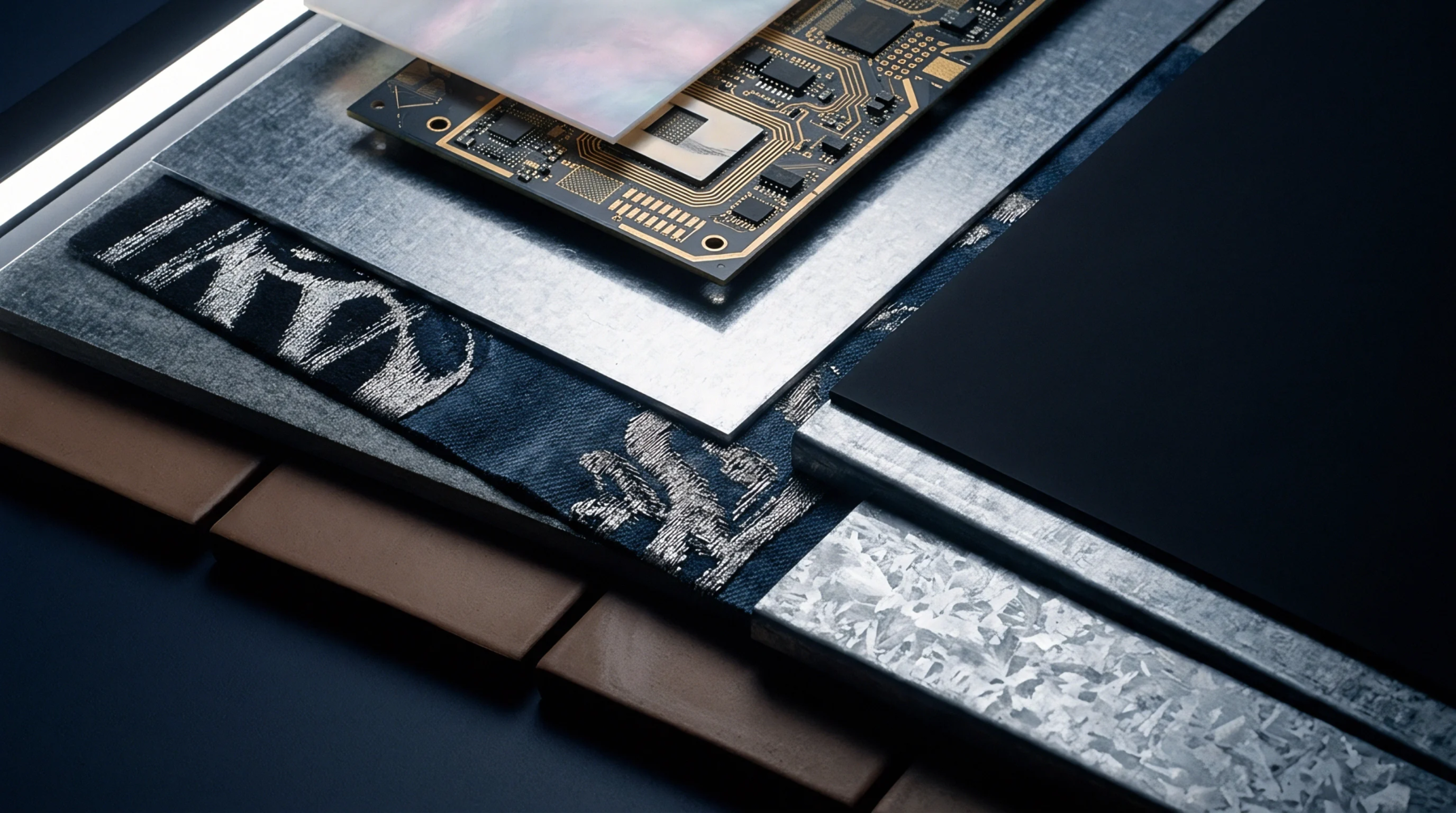
Transverse force acting on a solder joint occurs when two parallel surfaces are pushed in opposite directions. In a printed circuit assembly, shear stress is primarily generated by the differential expansion of the component package and the board substrate. The solder alloy must be ductile enough to absorb these forces without cracking.
Thermal Expansion
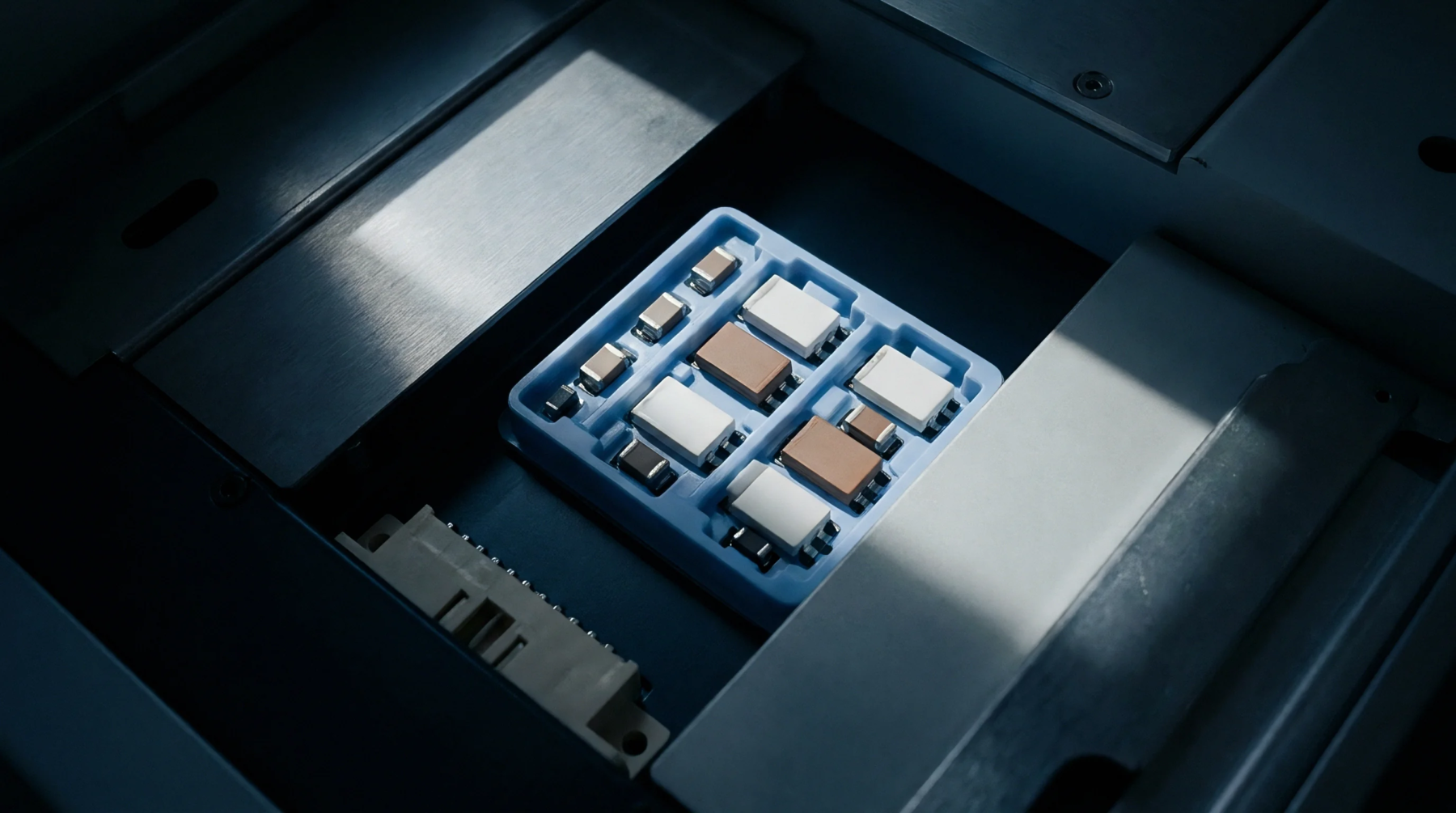
Mismatch in the coefficient of thermal expansion causes the components to move relative to the board during every power cycle. This shear stress is most severe for large ceramic devices or bottom terminated components that lack flexible leads. Over time, repeated loading leads to fatigue and the eventual propagation of cracks through the joint.
Engineers calculate the expected strain to choose the appropriate solder alloy and pad geometry.
Failure Analysis
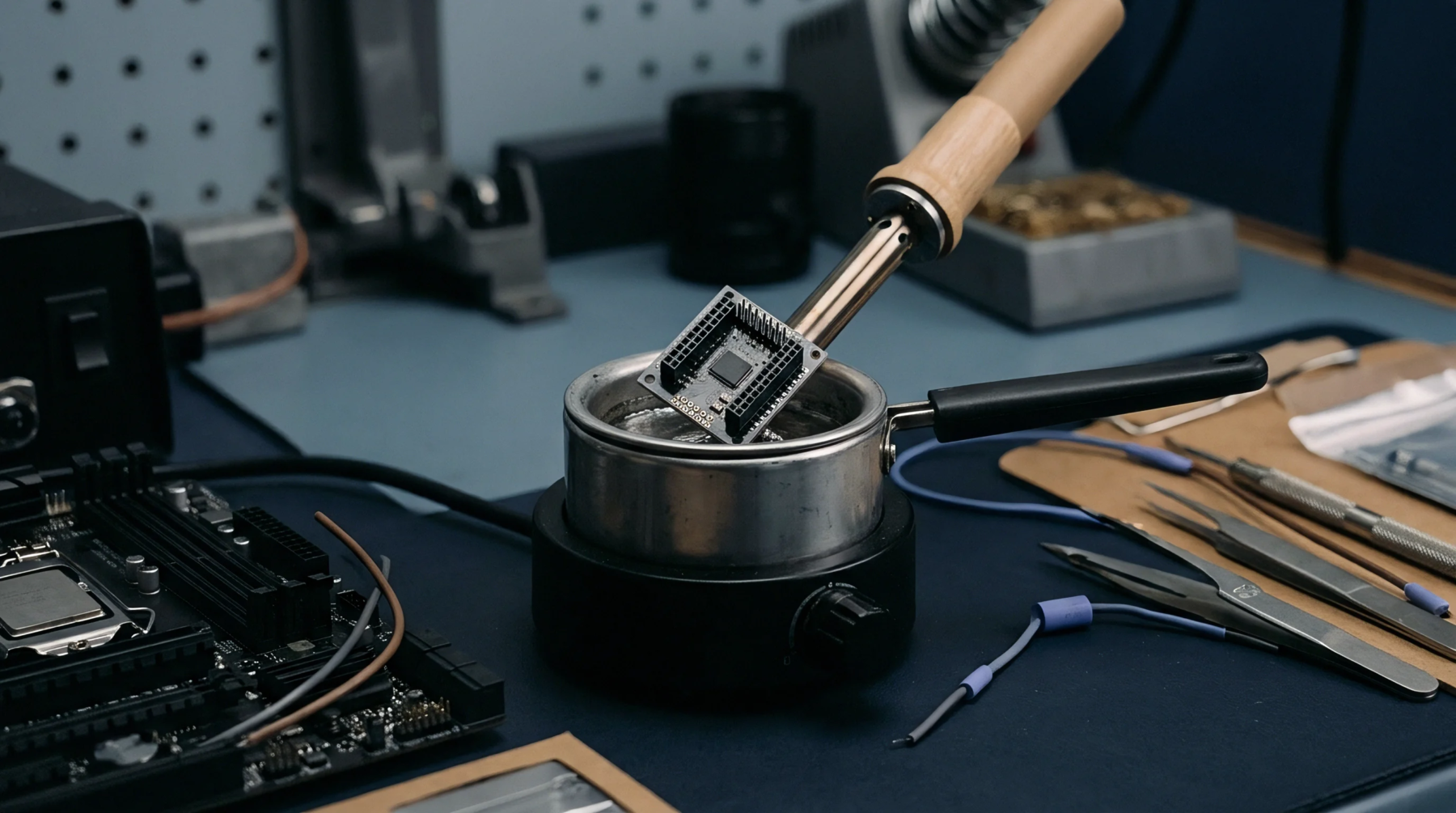
Testing the strength of a bond often involves a destructive pull or shear test to determine the force required to break the connection. High shear stress resistance indicates a well formed intermetallic layer and a void-free joint. Analyzing the fracture surface reveals whether the failure occurred in the bulk solder or at the pad interface.
Maintaining these forces below the critical threshold is essential for the long term reliability of the electronics.