Thermal Boundary Migration
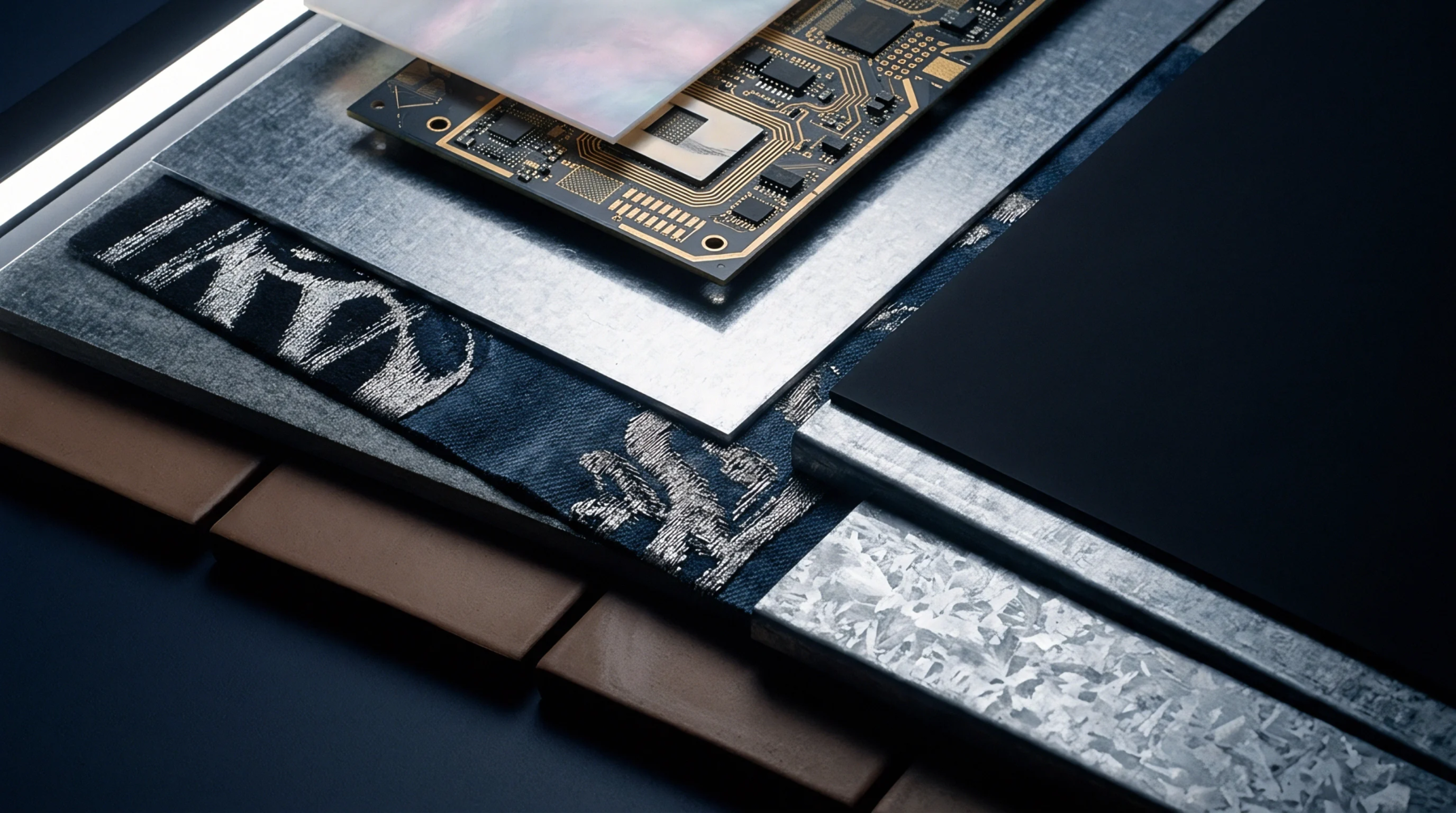
Subsurface material degradation occurring during circuit card assembly creates a latent defect escape when standard optical inspection fails to detect internal structural separation. Elevated reflow temperatures in surface mount technology lines induce localized stress within multilayer printed circuit boards, driving microvoids to coalesce into open circuits long after the populated hardware leaves the factory floor. Operational vibration combined with current loading accelerates this degradation until the compromised joint loses electrical continuity inside fielded equipment.
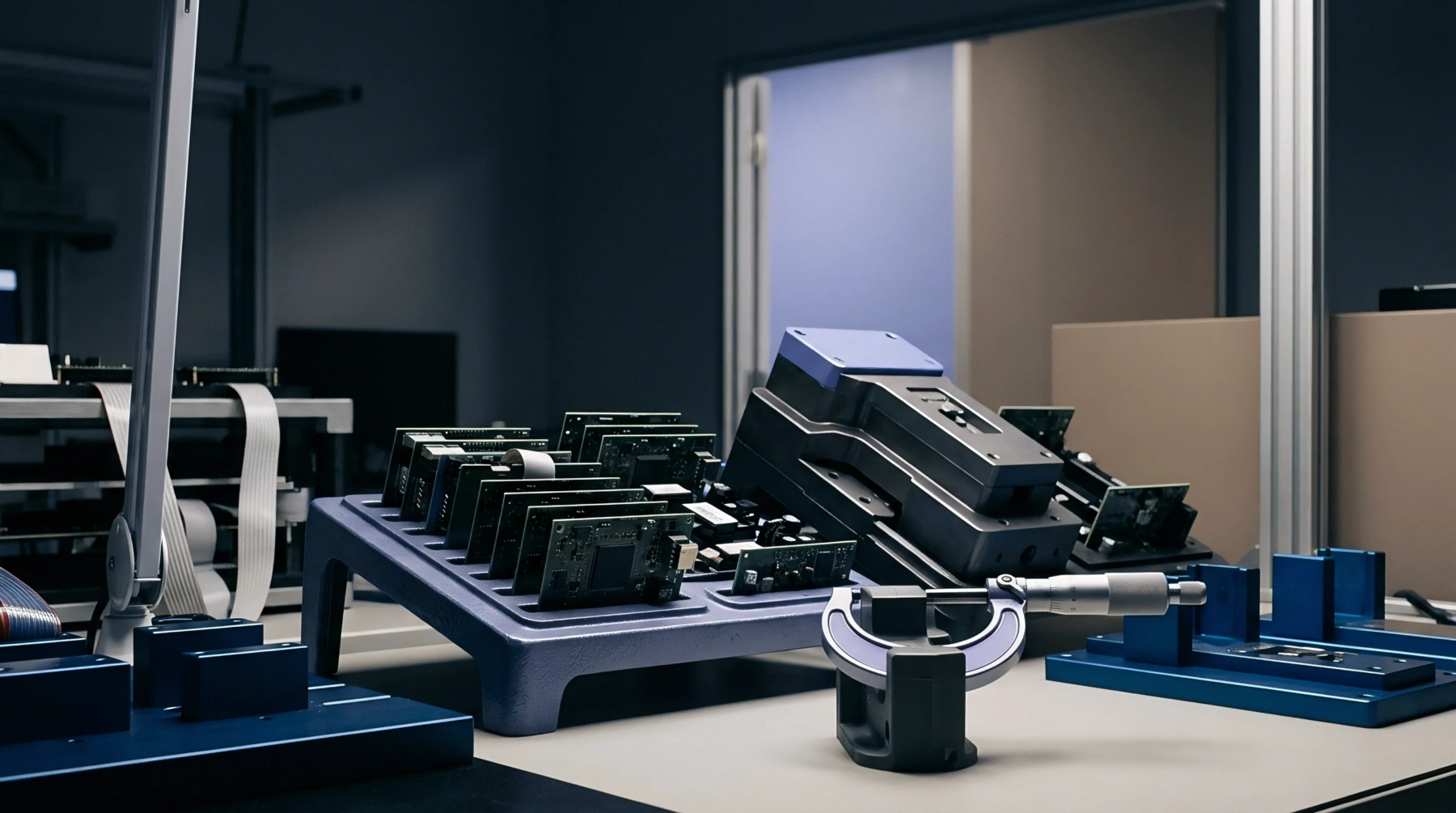
Acceptance protocols rely on thermal cycling and acoustic microscopy to expose these hidden structural flaws before shipment, preventing field failures that standard visual and automated X-ray checks miss.
Electromechanical Stress Integration
Mechanical mounting procedures introduce assembly stresses that interact with previously weakened solder joints during final enclosure integration. Fastener torque and press fit connector insertion generate bending moments across the populated board, causing cracked intermetallic layers to part under normal operational loads. Board fabrication practices govern raw laminate quality, yet assembly methods determine the final mechanical boundary conditions that turn marginal internal faults into active field failures.
Environmental screening methods such as accelerated aging subject completed assemblies to combined thermal and vibration profiles, precipitating these vulnerable connections prior to customer delivery.
Field Reliability Threshold
Accelerated environmental stress screening establishes the boundary where a latent defect escape transitions from a hidden liability into a verified manufacturing defect. Production facilities monitor component lot traceability and solder paste deposition parameters to minimize the initial occurrence of intermetallic voids during surface mount processing. Extended warranty claims drop significantly when assembly verification procedures incorporate both thermal shock testing and functional power cycling to force marginal joints to failure before final packaging.