Resin Displacement
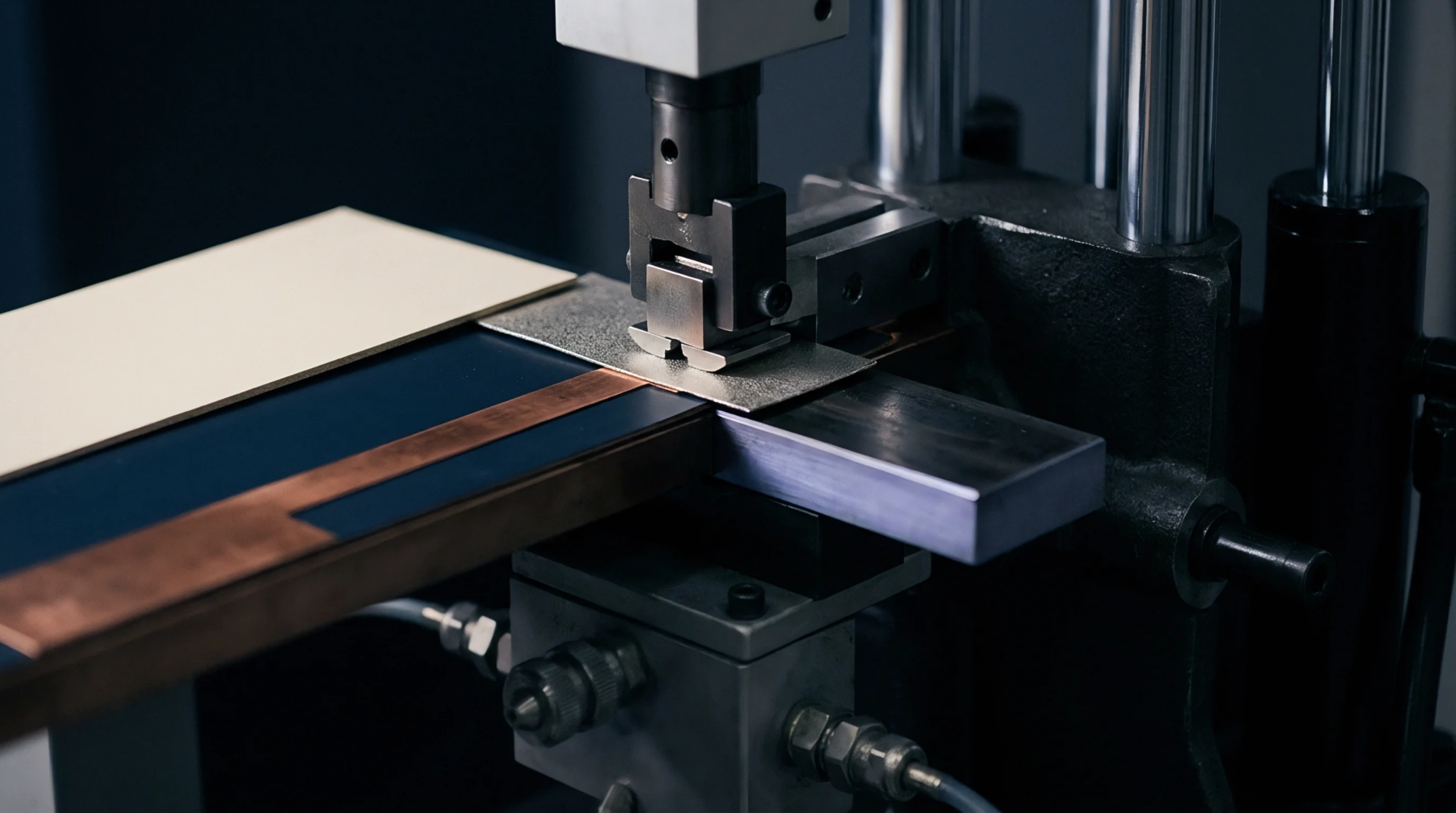
The movement of excess liquefied dielectric material beyond the intended edges of a circuit board during lamination indicates a lack of flow control. Resin squeeze-out occurs when the pressure of the press forces the epoxy out from between the layers and into the surrounding area. This phenomenon can contaminate the tooling or cause uneven thickness at the perimeter of the panel.
Mechanism of Action
High temperatures reduce the viscosity of the prepreg resin until it behaves like a pressurized fluid. When resin squeeze-out is excessive, it often indicates that the lamination pressure was applied too early or the temperature ramp was too aggressive. Controlling the timing of the pressure application helps to keep the resin where it is needed for bonding.
Clean-up of the hardened resin from the press plates increases the maintenance time and reduces the throughput of the factory. If the flow is not managed, it can also lead to starvation in the center of the panel, where there is not enough material to fill the gaps. Balancing the flow is essential for maintaining the dimensional accuracy of the finished product.
Production Consequence
Visual inspection of the panel edges confirms if the amount of displaced material is within the allowed limits. If resin squeeze-out is too high, the thickness of the board at the edges may be below the specification. This process variable is monitored to ensure the quality of the lamination bond.