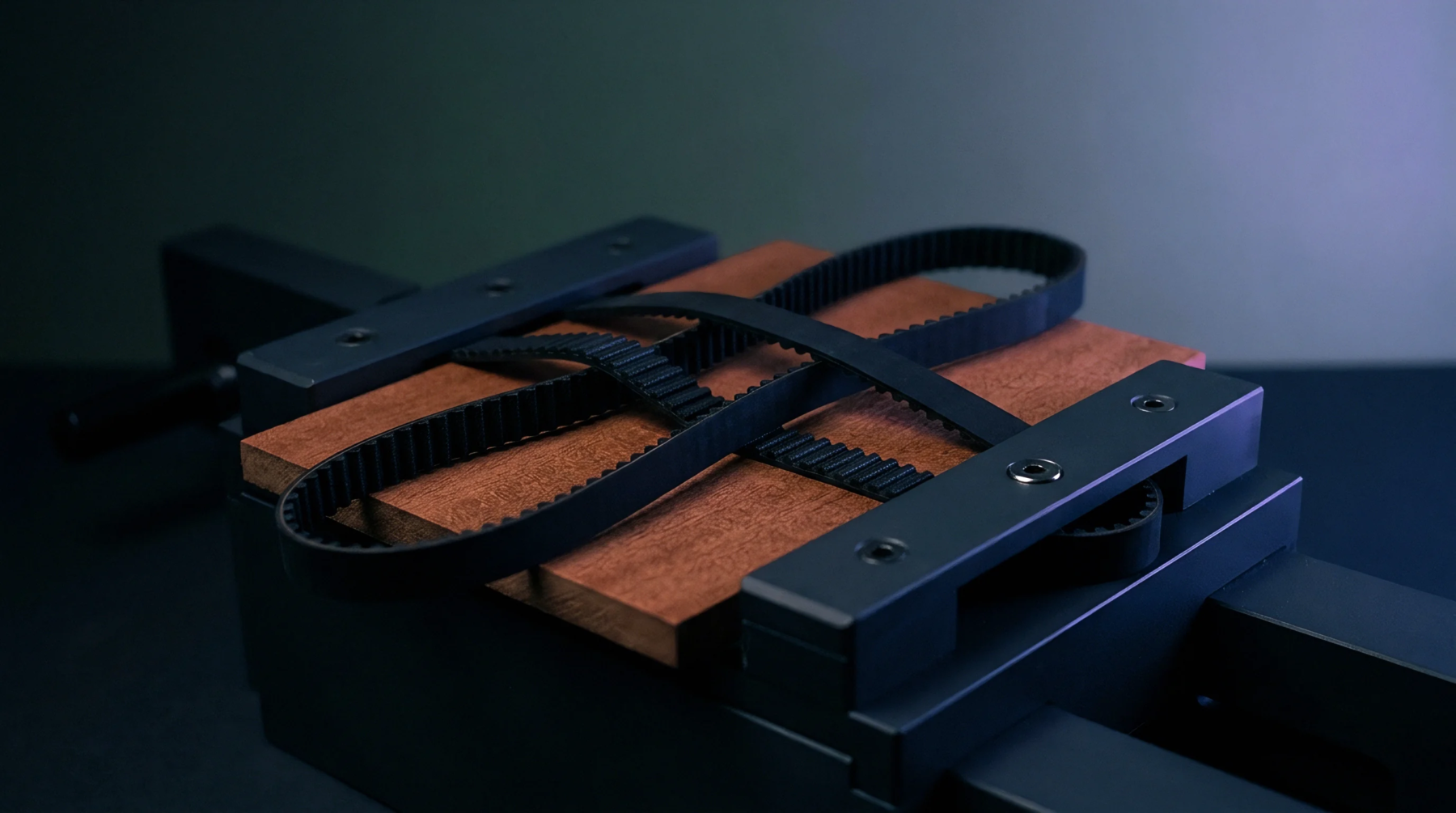
Tooling Alignment
Mechanical registration utilizes precise cylindrical inserts to maintain laminate layers within multilayer board construction during the thermal lamination process. Through pin lam tooling, fabricators hold internal copper patterns in strict relation to outer layer features to prevent registration drift. The methodology relies on heavy steel pins passing through registered holes in the panel stack to lock every individual layer in a fixed spatial orientation before pressure and heat induce flow in the dielectric material.
Proper execution of this method prevents electrical opens or shorts caused by misaligned vias or pads during the subsequent drill cycle.
Operational Constraints
Tolerance accumulation governs the limits of this alignment practice. When pins maintain contact with the reference holes, lateral shift of the copper foil remains minimal during the high temperature press cycle. Excessive clearance between the pin diameter and the guide hole allows thermal expansion of the prepreg to move the layers beyond acceptable bounds for high density interconnect designs.
Engineers specify pin diameters slightly under the hole size to ensure easy loading while minimizing the gap that permits layer movement. Variations in the coefficient of thermal expansion between the substrate and the metal pins affect the final registration accuracy. Rigid alignment fixtures provide consistent results across large production batches where maintaining layer stability prevents board rejection due to drill breakouts.
System Application
Quality inspectors verify the effectiveness of this tooling by measuring the outer layer to inner layer registration on dedicated coupons after final lamination. The system captures registration errors that fall outside specified pad to hole tolerances for high frequency applications. If the alignment deviates from the design target, the fabricator must adjust the compensation factors applied to the original inner layer art to account for the specific material shrinkage characteristics observed in the press.
The accuracy of the finished board depends on the geometric stability of the interface between the pins and the tooling holes. Proper control of the pin lam tooling parameters determines the yield of complex multilayer circuits.