
High Frequency Phase Delay Anisotropy Analysis across High Speed Microstrip Substrates
High-frequency phase delay anisotropy stems from woven reinforcement and foil grain directions; locking panel alignment ensures repeatable channel timing.
High-frequency phase delay anisotropy stems from woven reinforcement and foil grain directions; locking panel alignment ensures repeatable channel timing.
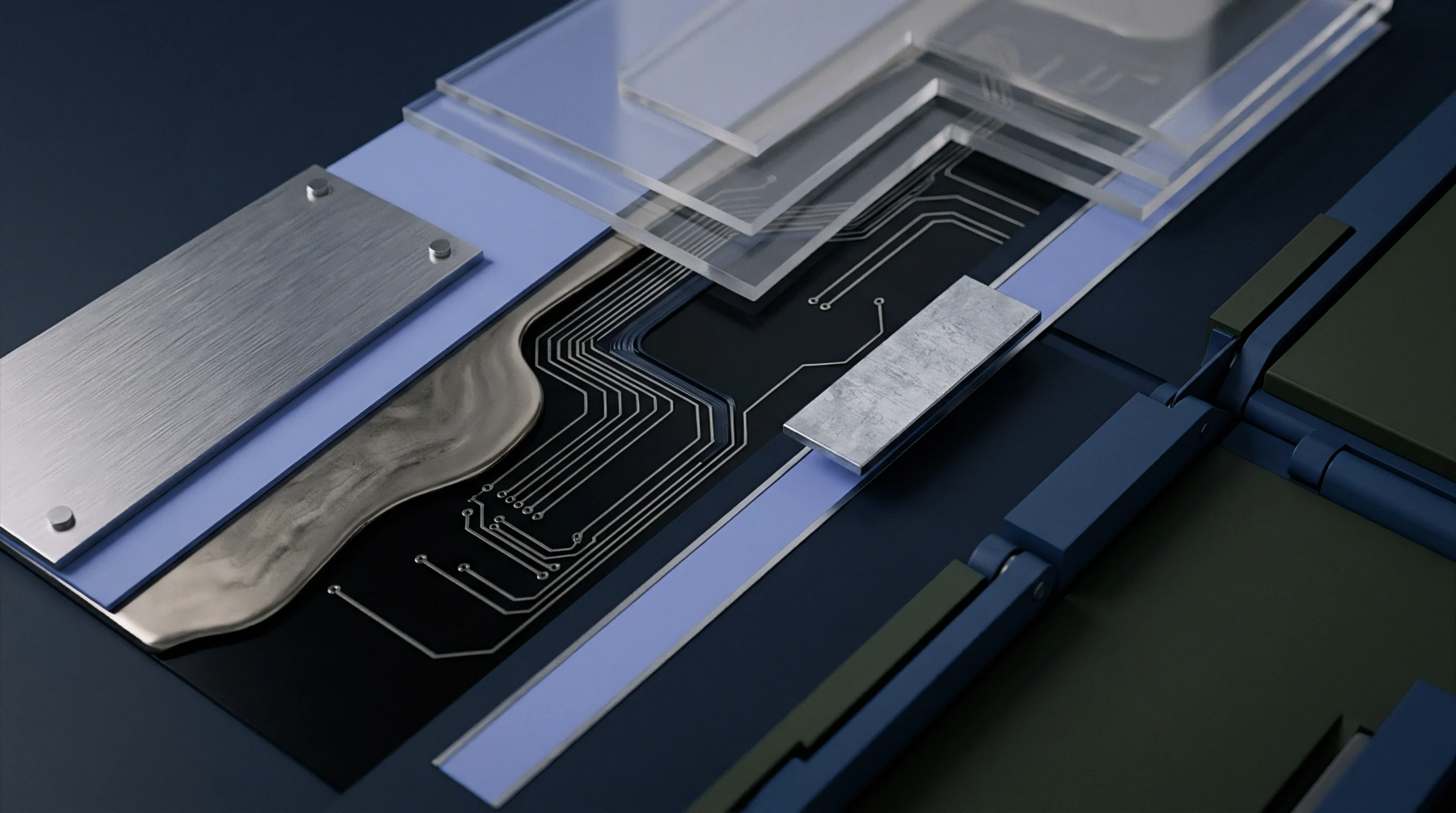
Sequential lamination elevates core dielectric constant through resin cure advancement, requiring pass-specific permittivity modeling to protect target impedance.
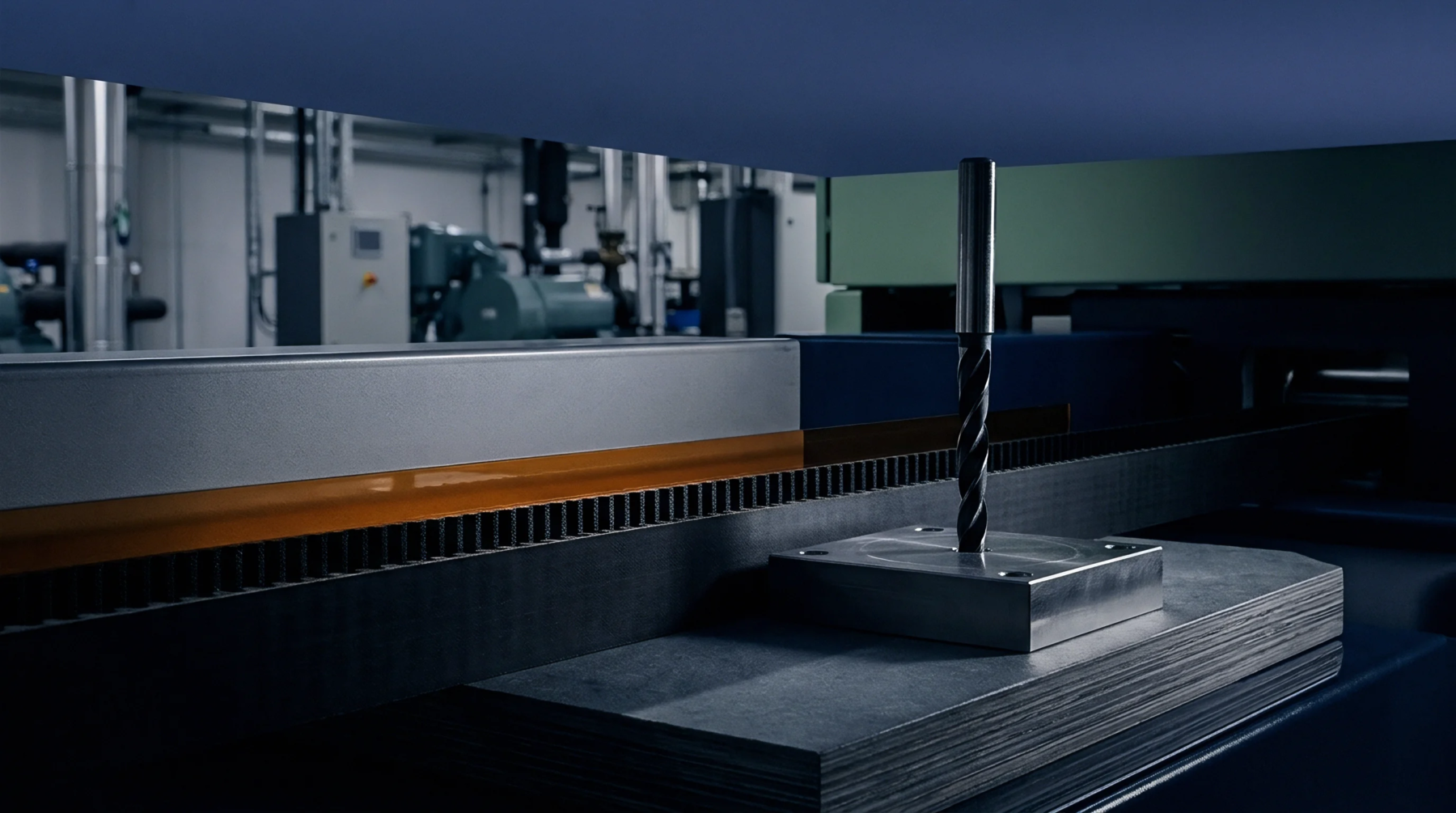
Thermal cycling causes physical aging and micro-cracking in post-cure resin, shifting relative permittivity and driving cumulative phase velocity drift in RF traces.
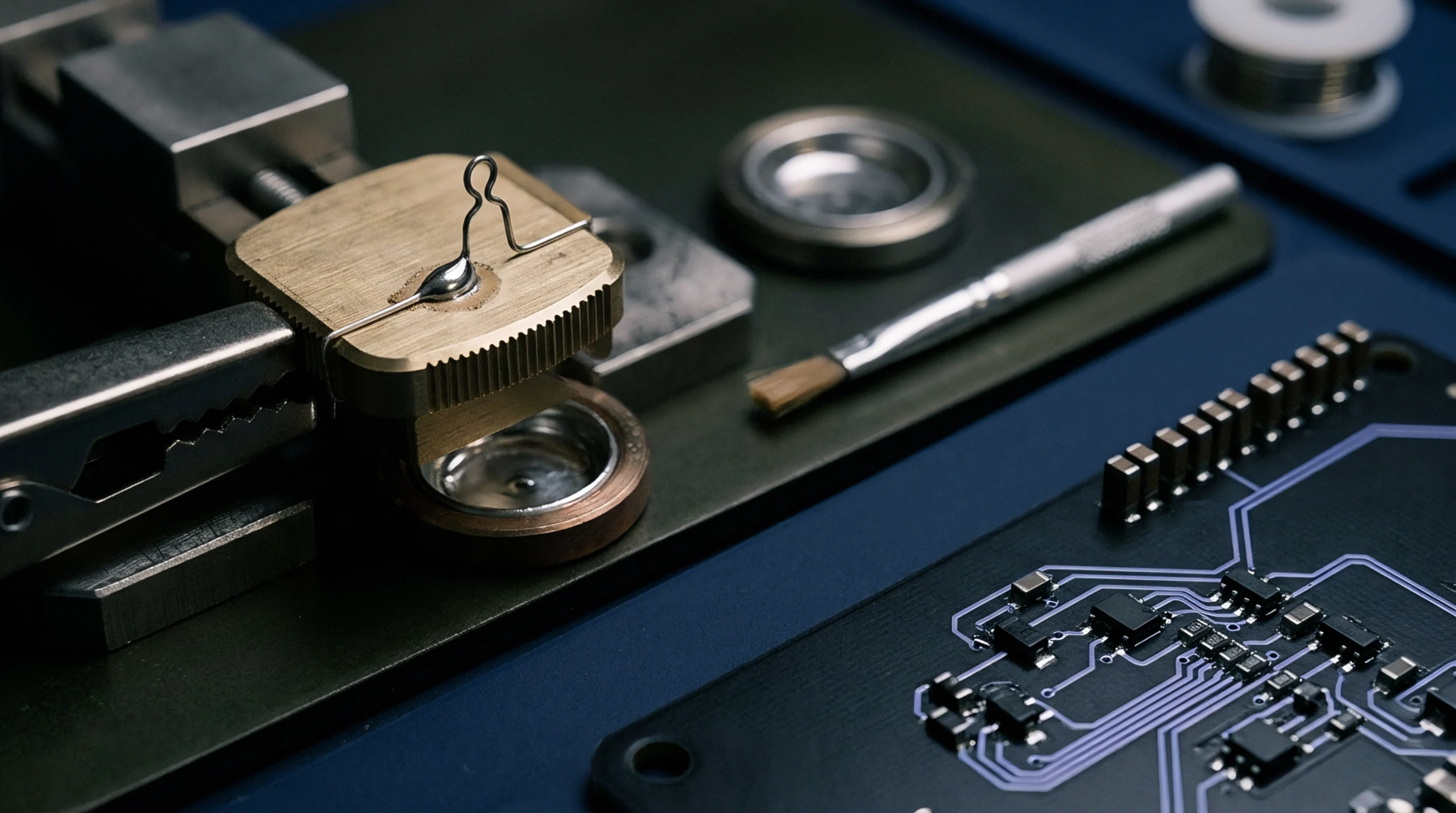
Routing traces at ten degrees off-axis eliminates fiber weave differential skew without paying panel artwork rotation penalties.

Spread glass prepregs eliminate dielectric permittivity gaps across differential traces, suppressing signal skew below 1 ps/inch in 112G PAM4 stackups.
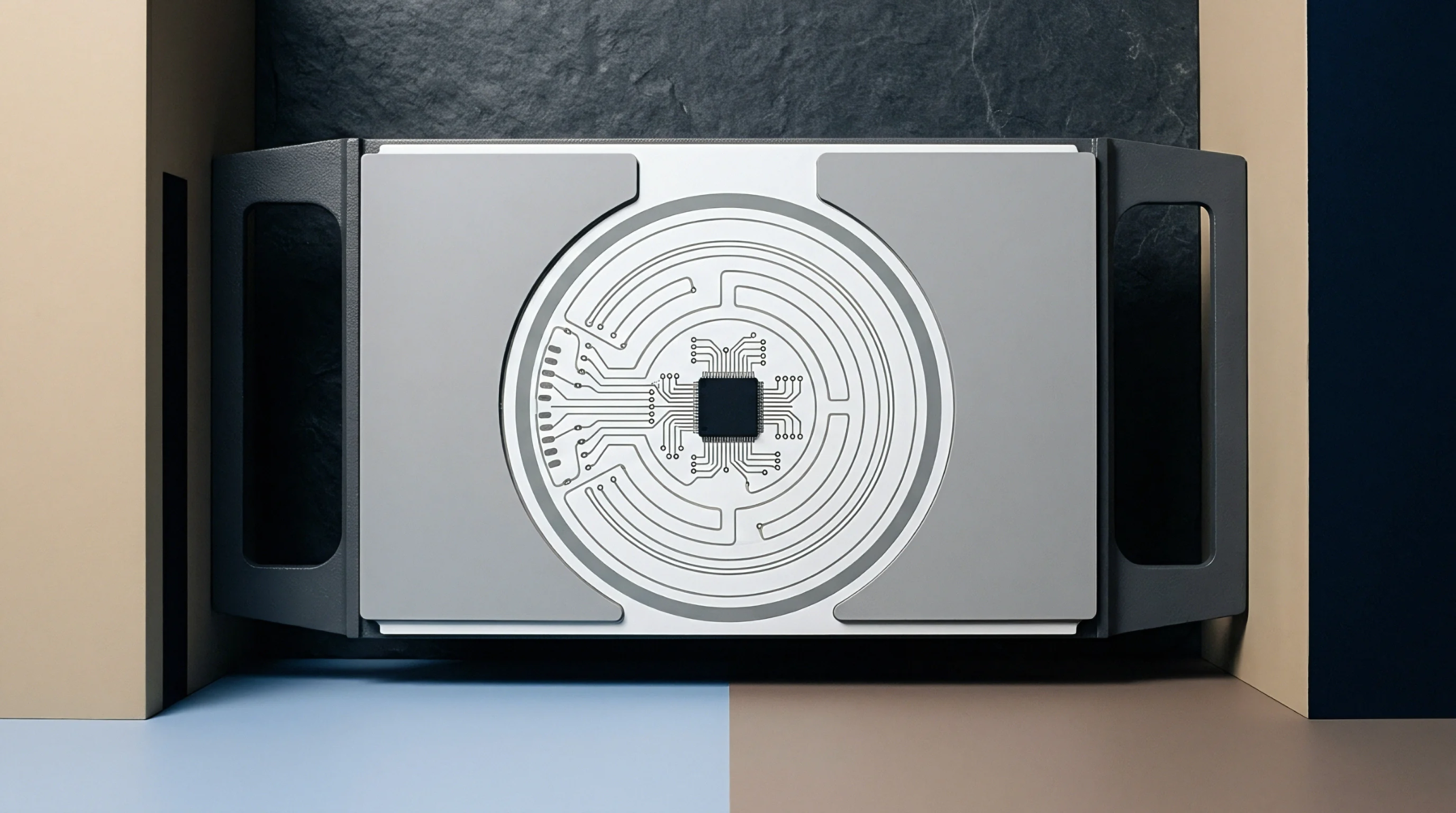
Sequential lamination induces non-linear dielectric relaxation at glass-resin interfaces, shifting Dk up to 0.14 and altering impedance by over 4 ohms.
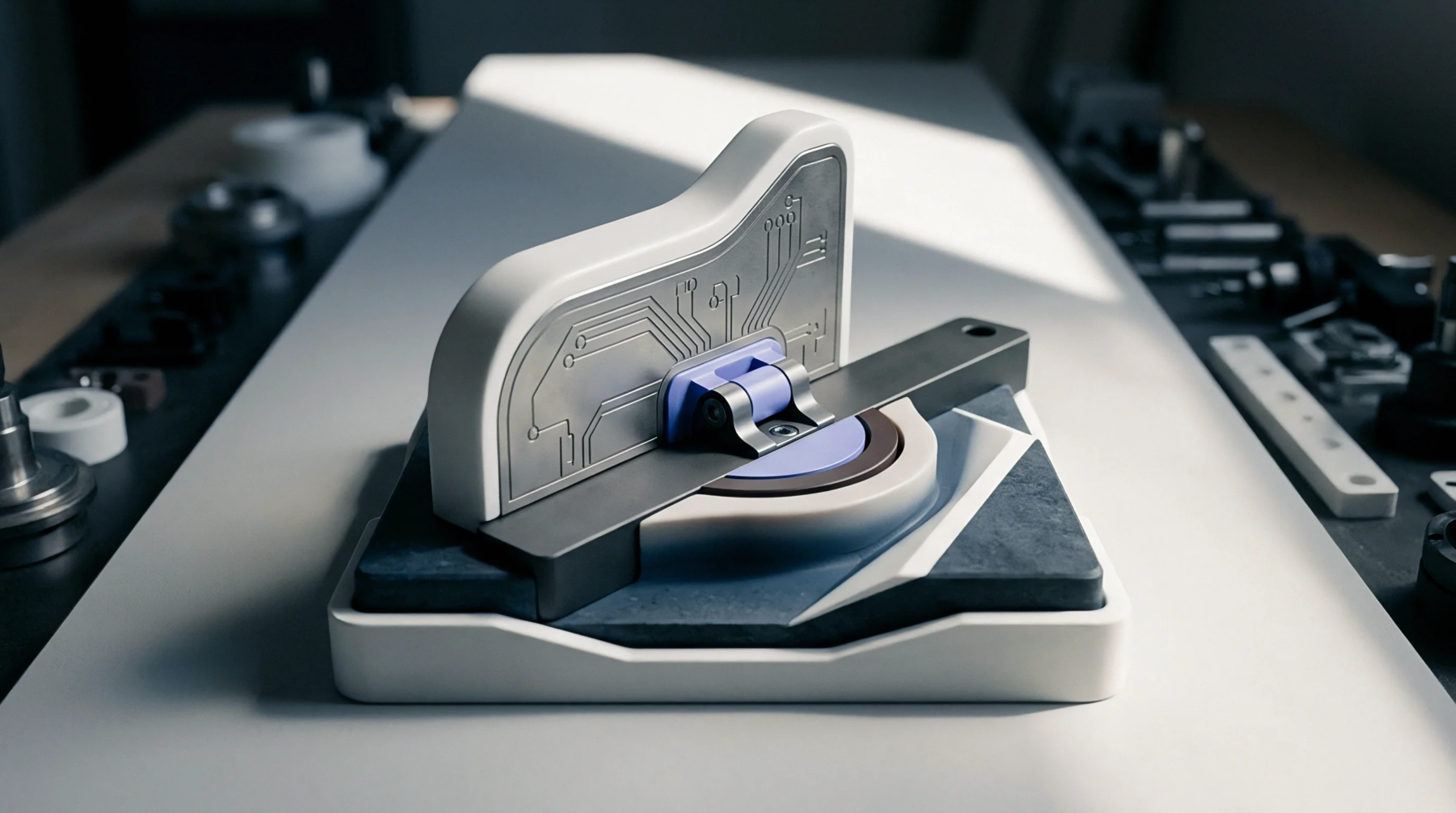
Accurate millimeter-wave substrate modeling demands 3D tensorial permittivity and causal frequency dispersion to prevent impedance and differential skew errors.
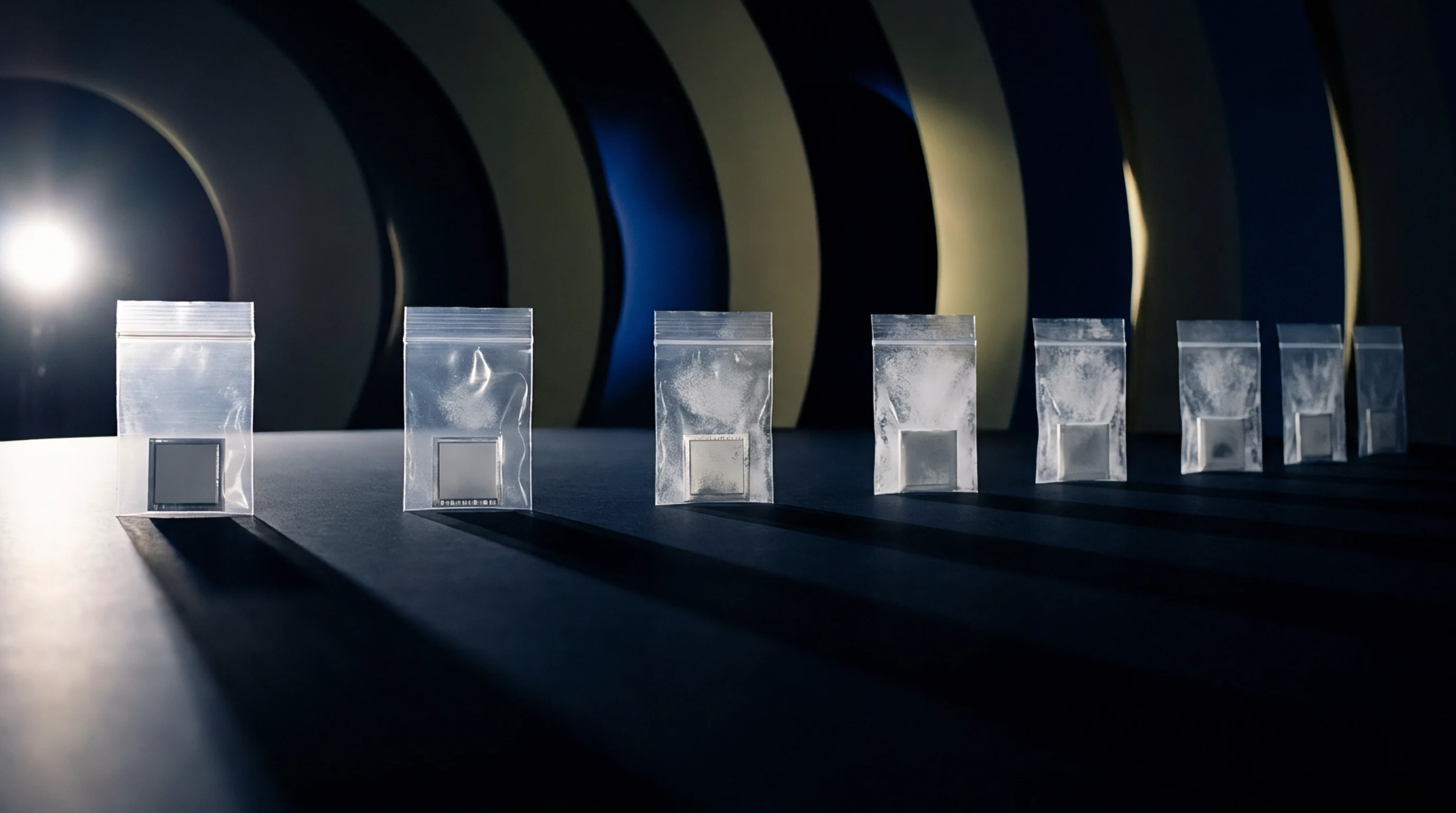
Spatial resin flow and glass weave density variations across woven laminate panels drive localized dielectric drift, requiring strict test protocols and explicit stackup drawing bounds.
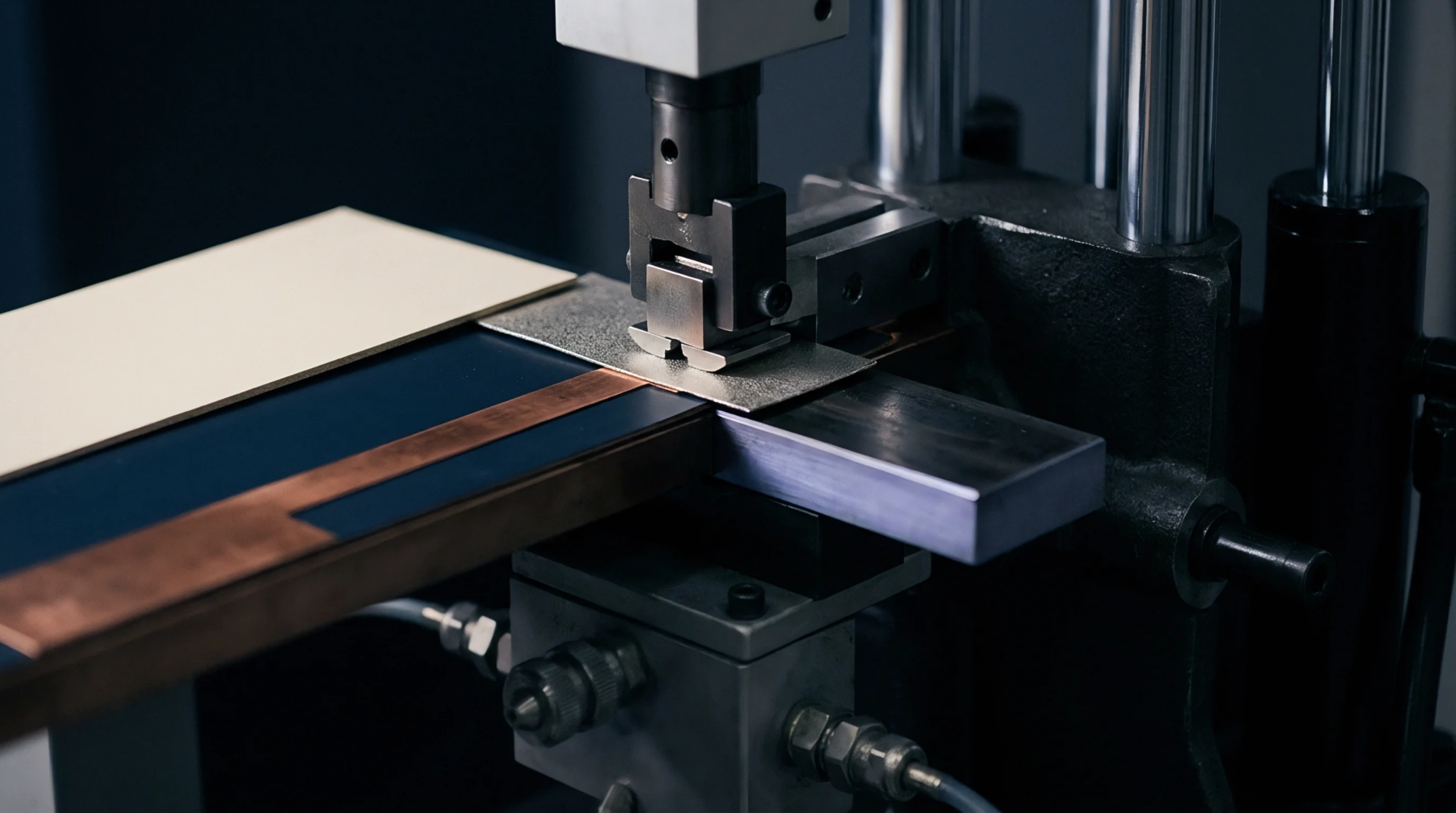
Controlling master panel resin flow gradients stabilizes dielectric tensor anisotropy and prevents high-frequency parametric yield collapse.

Mid-loss laminates optimize high-speed signal reach between 5 and 28 Gbps by controlling dielectric loss without imposing low-loss fluoropolymer costs.
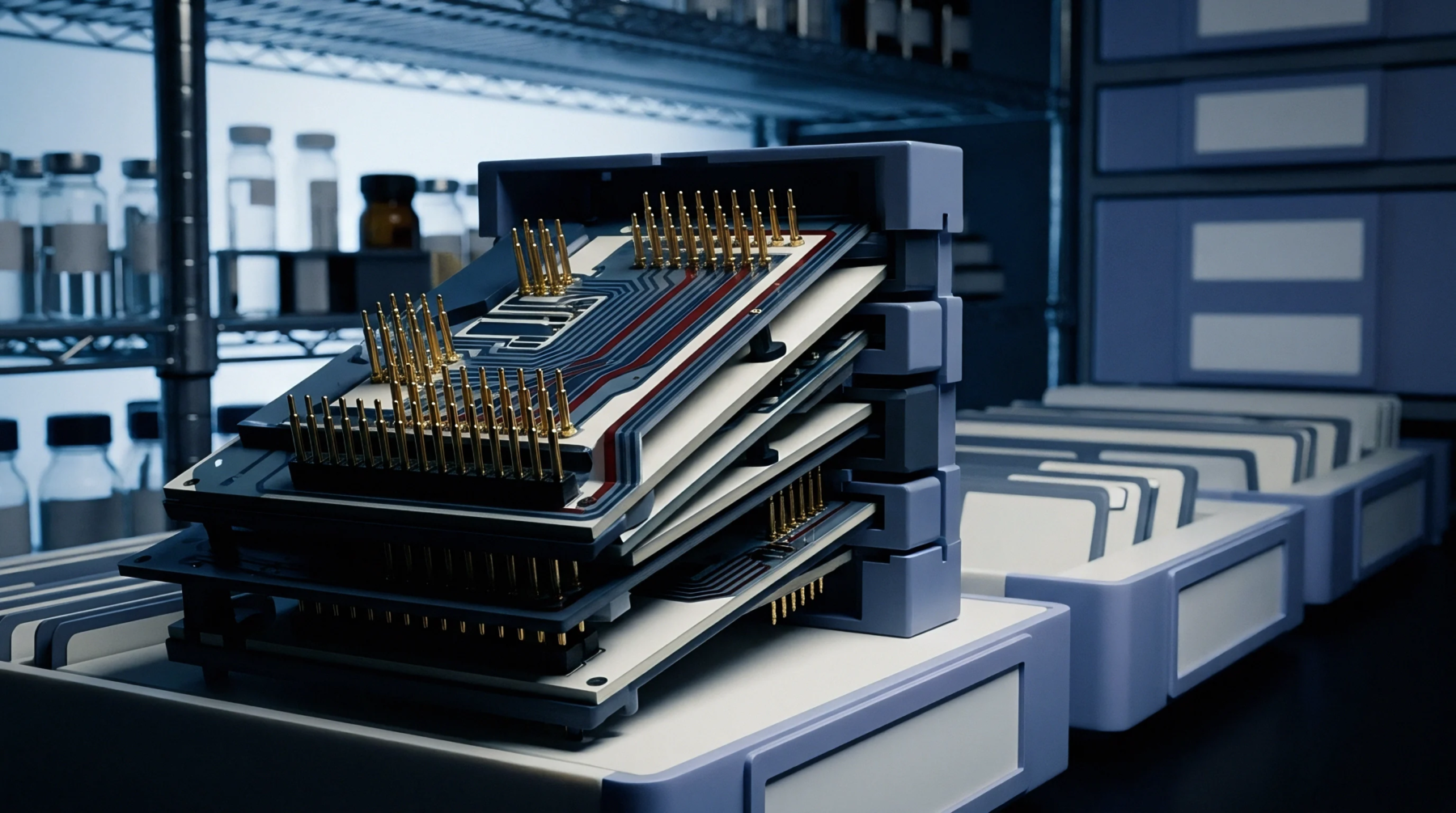
Matching prepreg melt viscosity minima to press pressure ramps prevents thin-core distortion and resin starvation in high-density multilayer lamination.
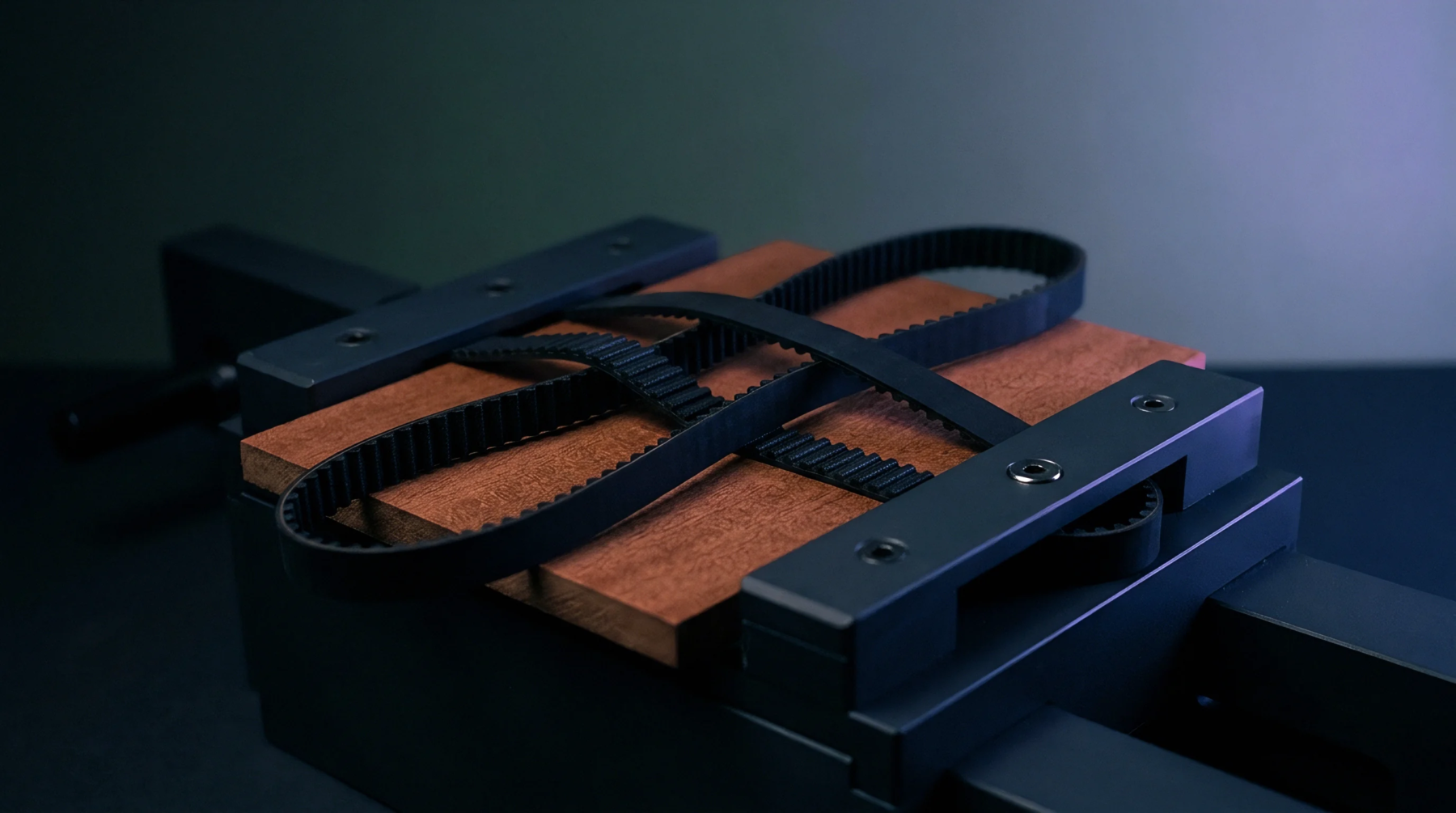
Subassembly press hydraulic parallelism and thermal ramp control determine resin distribution, eliminating dielectric height variation and differential signal phase skew.
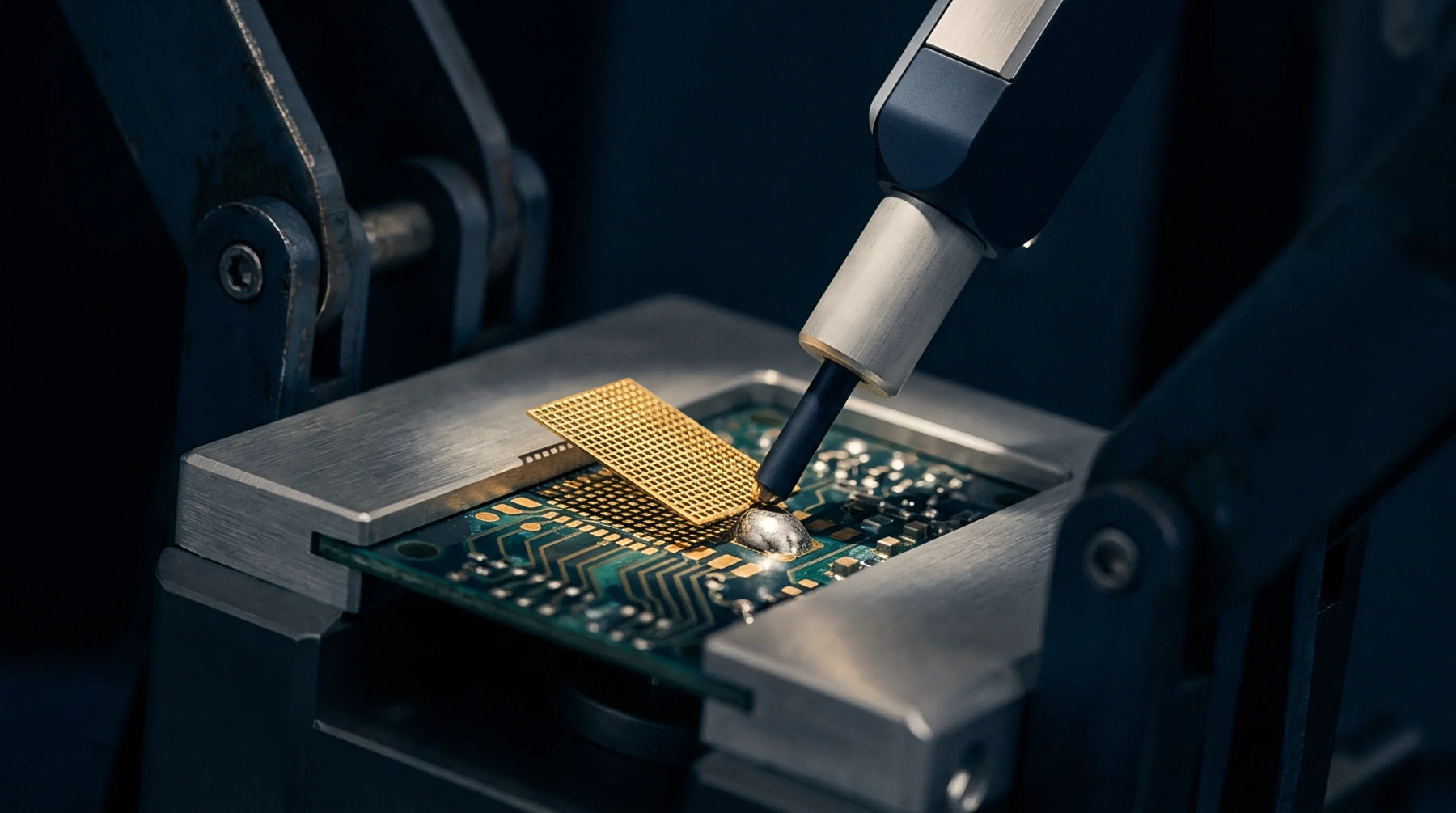
Select spread-glass prepreg and extract dielectric constants from TRL transmission line measurements to eliminate weave skew and impedance errors.
Expertise is a utility, not a secret. sentiention™ publishes its working knowledge as open reference: intelligence layer covering the materials it sources, the markets it enters, and the reference that serves both.