Material Composition
Composite dielectric substrates incorporate inorganic powder particles within a polymer matrix to enhance thermal performance and dimensional stability. Ceramic filled laminates utilize these micro-sized particles of silica or alumina to bridge the gap between organic resins and pure ceramic boards. This combination decreases the coefficient of thermal expansion along the z-axis, which protects through-hole vias during thermal cycling.
Thermal Performance
The thermal conductivity of ceramic filled laminates represents a major improvement over standard FR4 boards by allowing heat to dissipate rapidly from power components. Elevated dissipation prevents localized hot spots that can degrade solder joints or degrade semiconductor junctions. Fabricators choose these substrates for high-power amplifiers and LED subassemblies where passive cooling is required.
This property reduces the reliance on heavy metal backings and active cooling mechanisms, thus simplifying the physical chassis design. Designers must still balance this benefit against the higher density of the raw sheets.
Processing Requirement
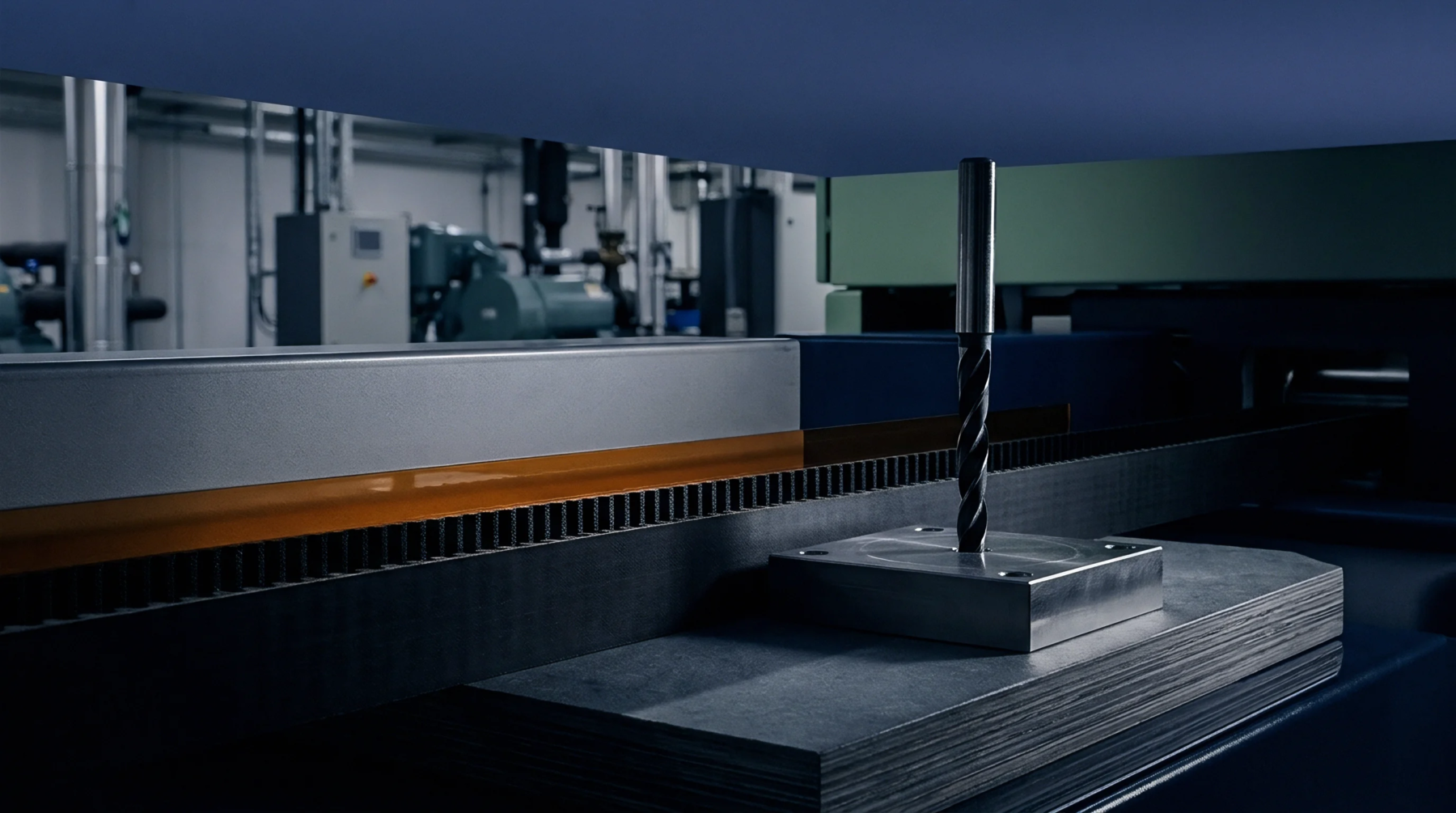
Drilling parameters must be adjusted during fabrication to account for the abrasive nature of the inorganic fillers. Carbide or diamond-coated drill bits are typically required to prevent rapid tool wear and ensure clean hole walls. Rough walls can lead to poor plating adhesion and eventual circuit failure.
This mechanical challenge defines the trade-off for choosing these materials.