Fluid Shear
Internal fluid resistance determines how rapidly solder paste rolls ahead of a squeegee blade during screen printing. Dynamic viscosity quantifies this internal friction when a fluid undergoes continuous shear deformation beneath surface mount stencils. Paste manufacturers formulate resin and metal powder ratios to maintain this specific property within strict limits.
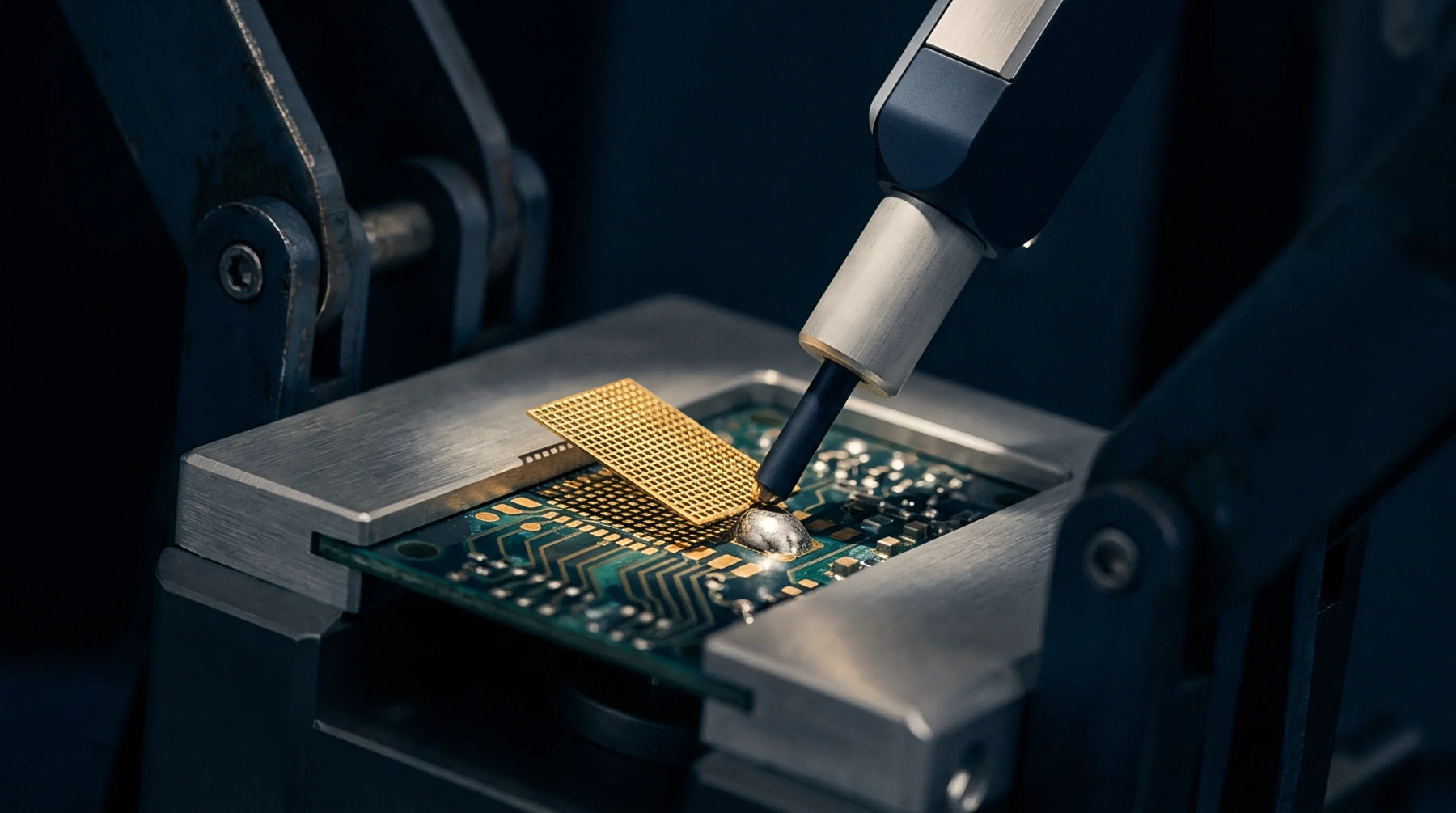
Shear thinning behavior allows solder paste to flow smoothly through fine pitch apertures during printing strokes. Stencil printing machines exert constant downward pressure on squeegee blades to force fluid materials across apertures. Excessive internal resistance prevents paste from rolling properly and causes incomplete board filling on printed circuit boards.
Low internal resistance lets paste slump after printing and creates solder bridging between adjacent pads. Temperature fluctuations on assembly shop floors alter fluid properties rapidly and degrade print definition. Process engineers monitor environmental controls inside print rooms to stabilize material behavior before manufacturing begins.
Paste rheology dictates whether deposits retain their defined shapes prior to component placement.
Flow Threshold
Yield stress controls the initial pressure required to start material movement across open stencils. Dynamic viscosity drops sharply once this critical stress level is exceeded by downward squeegee motion. Solder paste must remain stationary on screens without leaking through small apertures during idle periods.
Shear stress increases linearly as printing speed accelerates across the metal stencil surface. Printing machines calibrate stroke velocities to match the optimal shear rate of specific solder formulations. Higher velocities reduce apparent resistance and allow viscous paste to shear cleanly past aperture walls.
High density circuit boards require precise paste release to prevent solder bridging and short circuits. Production lines reject boards exhibiting uneven deposit heights caused by inconsistent paste flow dynamics. Operators measure paste temperature regularly to verify that thermal conditions match supplier specifications.
Stencil cleaning cycles remove residual paste accumulation before dried material alters local flow characteristics.
Shear Rate
Velocity gradients across fluid layers determine the apparent thickness of paste during rapid stencil separation. Dynamic viscosity decreases as shear rates increase during high speed snap off events. Paste must recover its internal structure instantly after leaving stencil apertures to prevent stringing defects.
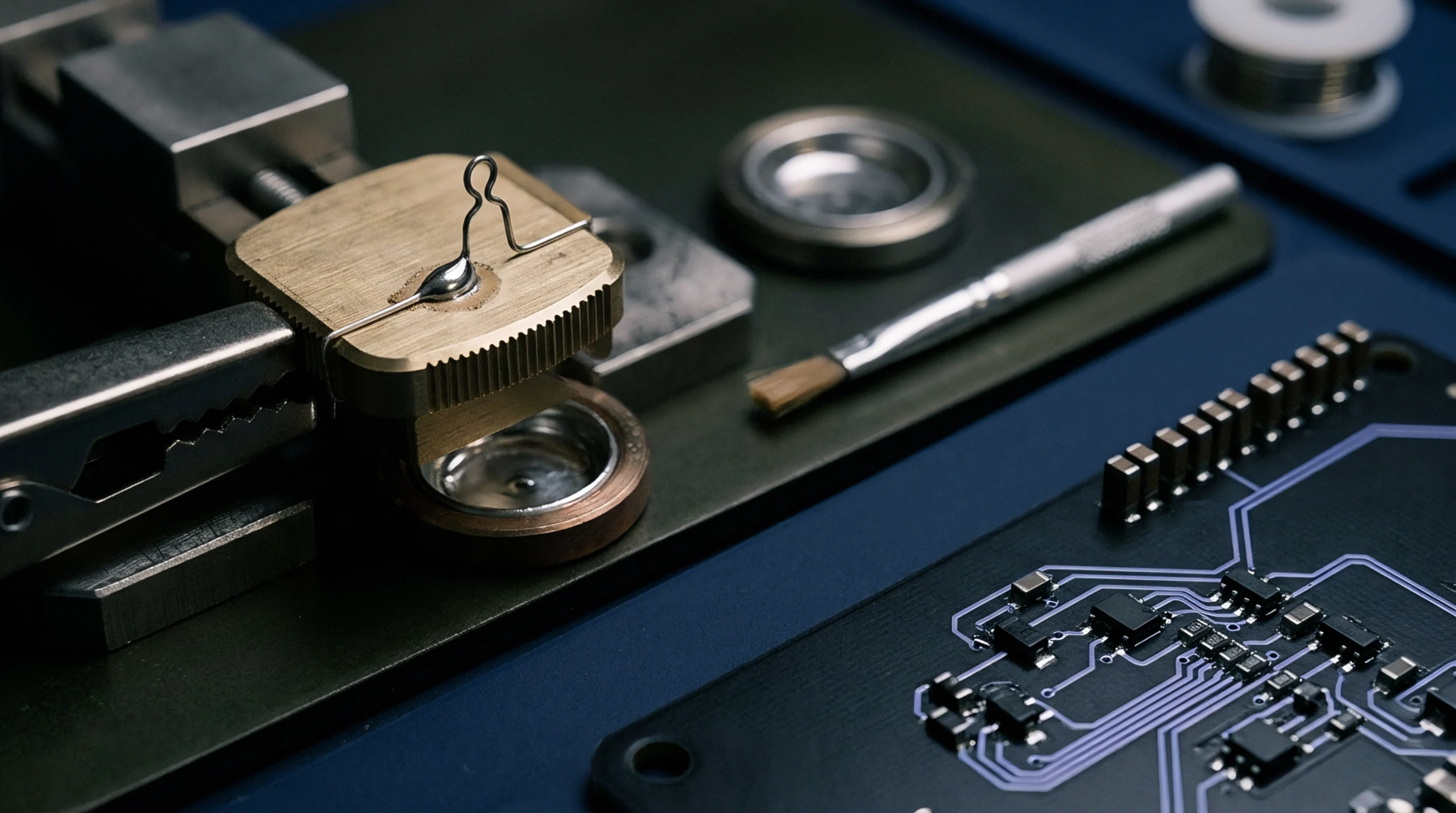
Surface tension forces pull separated paste into smooth domes on copper pads before component placement. Pick and place machines press components into viscous solder deposits without splashing excess material onto solder masks. Component weight displaces a predictable volume of fluid paste during the initial placement cycle.
Joint integrity depends entirely on proper paste volume retention beneath fine pitch component terminations during reflow soldering. Reflow ovens heat assemblies gradually to prevent volatile solvents from boiling out of viscous pastes. Circuit boards leave assembly lines with uniform solder fillets formed by stable fluid mechanics.