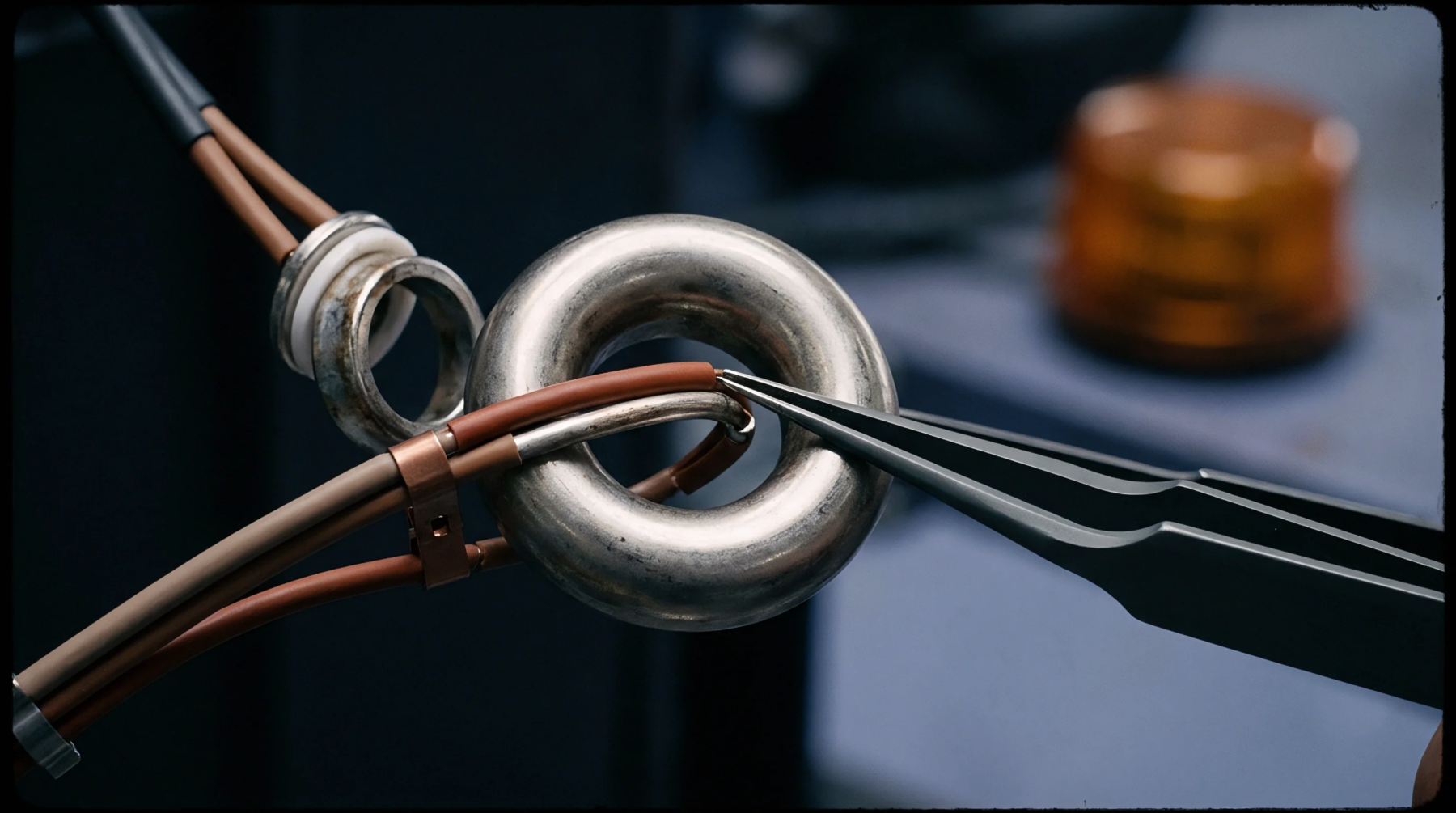
Heterogeneous Substrate Core Lamination Dynamics and Resin Gradient Phase Extraction
Heterogeneous core lamination requires synchronized thermal ramps to align flow windows and prevent resin phase extraction along substrate interfaces.
Heterogeneous core lamination requires synchronized thermal ramps to align flow windows and prevent resin phase extraction along substrate interfaces.
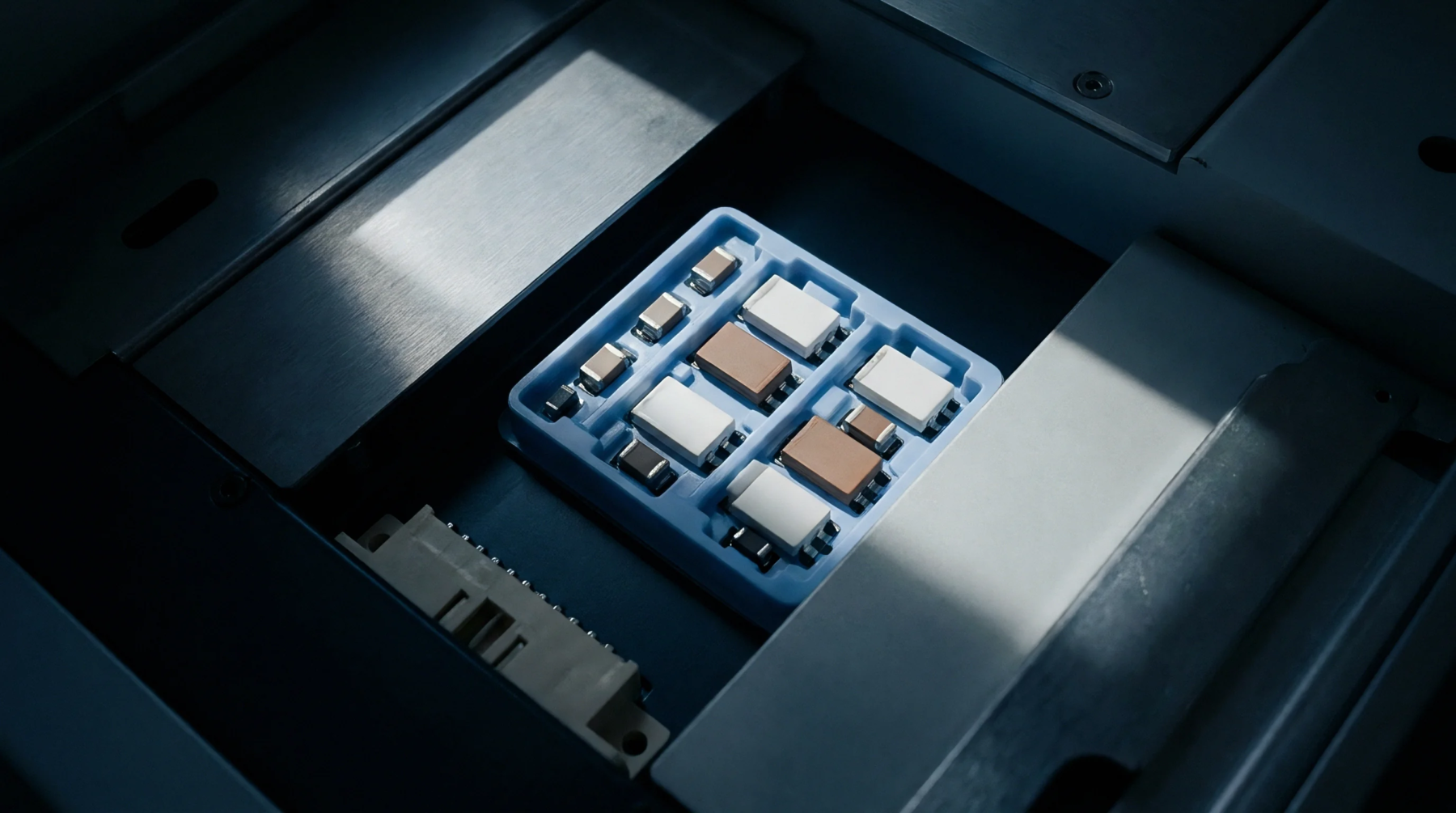
Optimizing coreless HDI thermal profiles requires synchronized heating ramps, controlled viscosity dwell windows, and low-rate cooling to prevent warp.
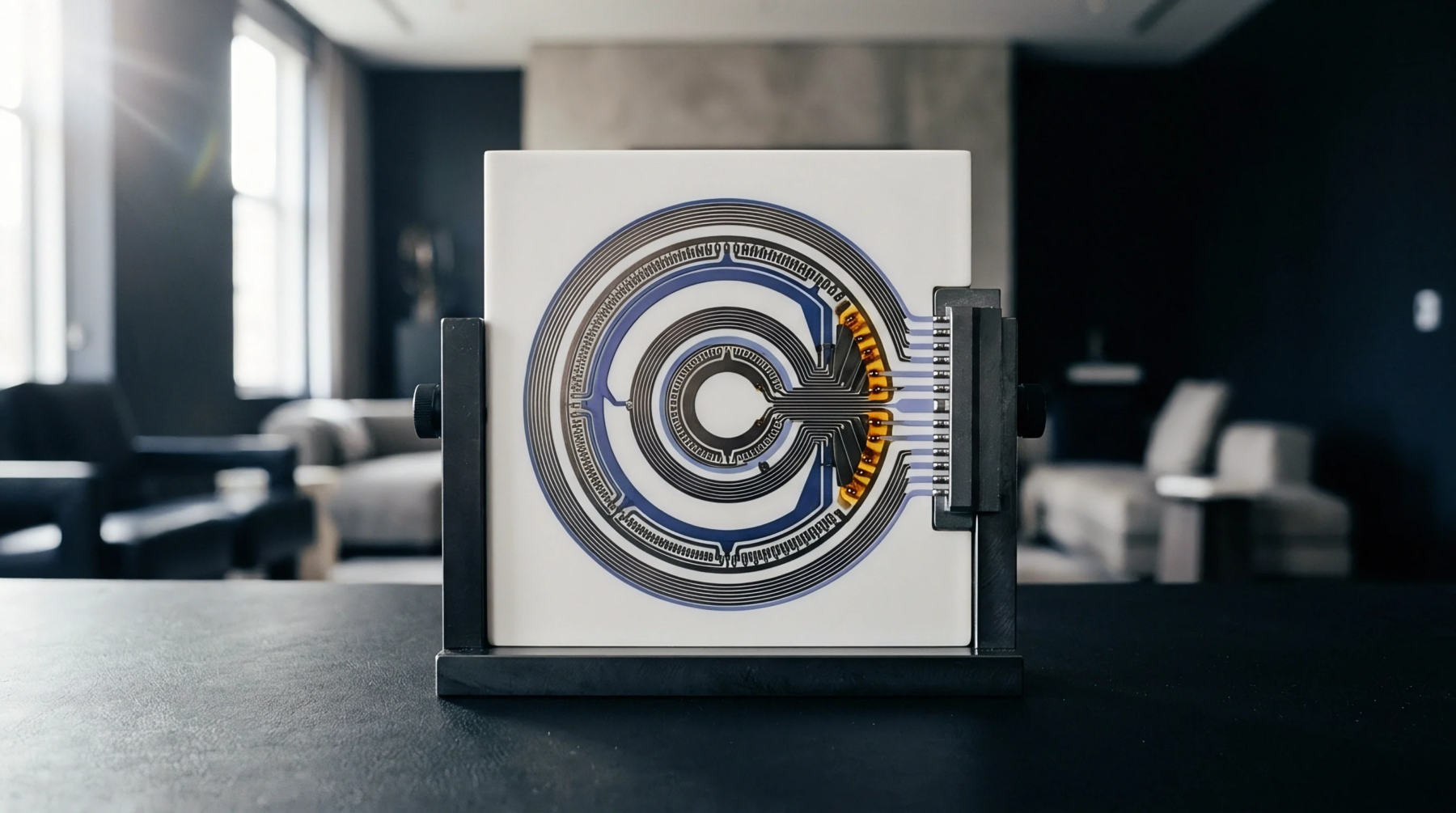
Prepreg viscosity profiles under precise heating rates dictate resin fill, dielectric spacing, and internal layer registration in high frequency stackups.
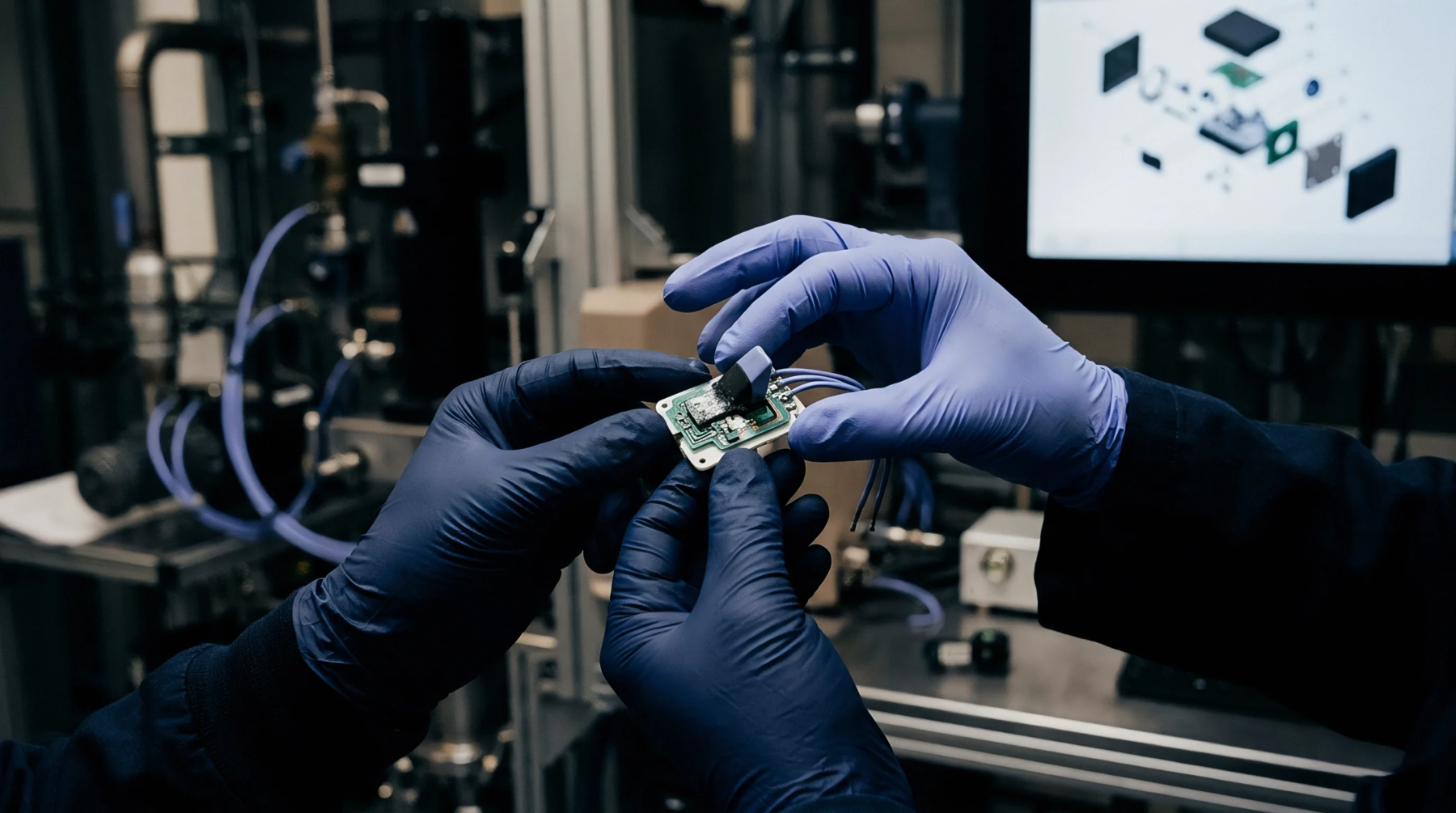
Non-linear viscoelastic cure modeling predicts microvia target pad separation by coupling resin shrinkage to interfacial cohesive fracture energy.

Dynamic prepreg viscosity and cure kinetics dictate resin flow windows, microvia filling completeness, and layer encapsulation during HDI board lamination.
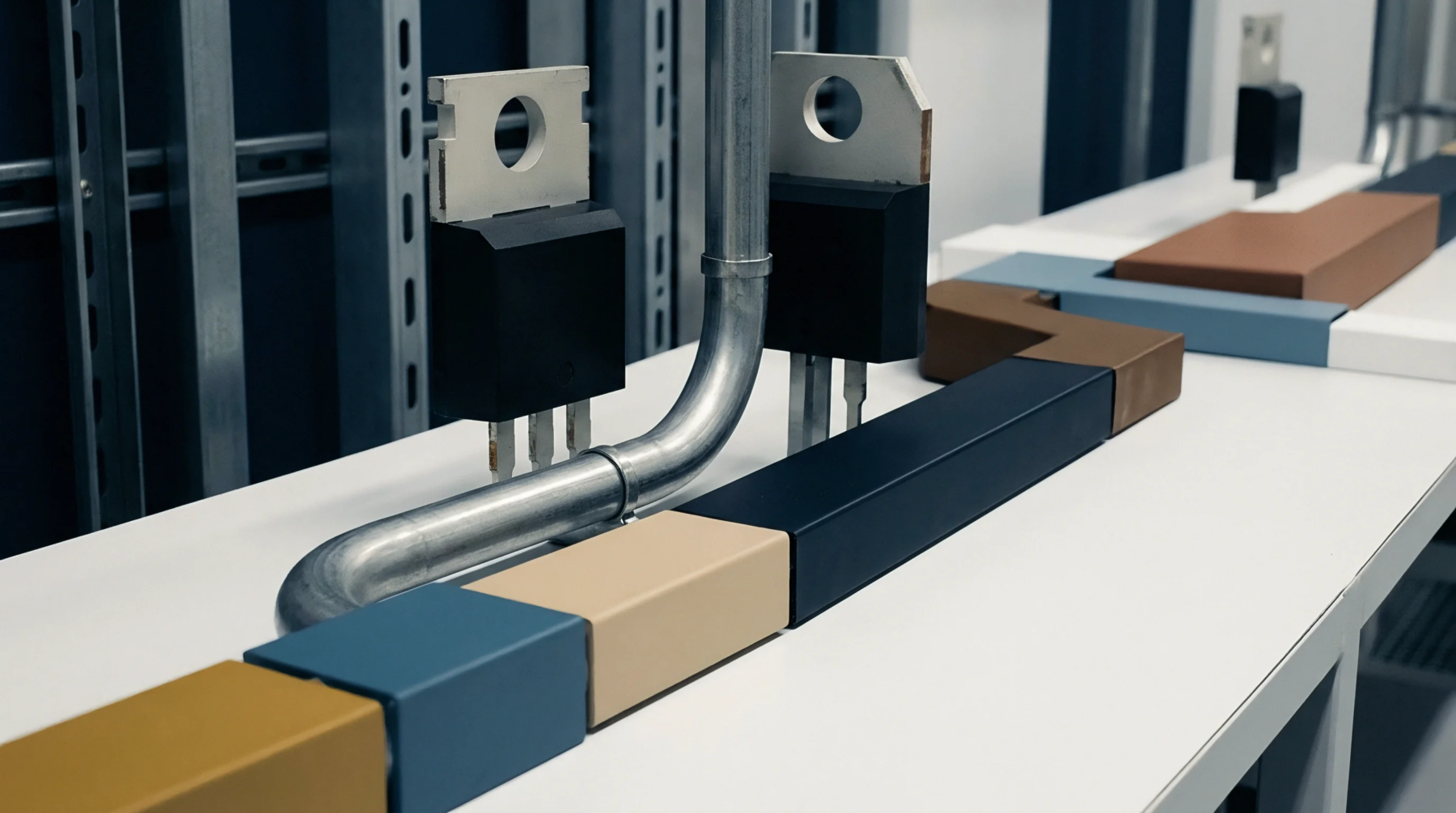
Quantifying composite matrix degradation requires depth-resolved FTIR and nanoindentation to track silane debonding and Tg loss from unreacted acid flux.
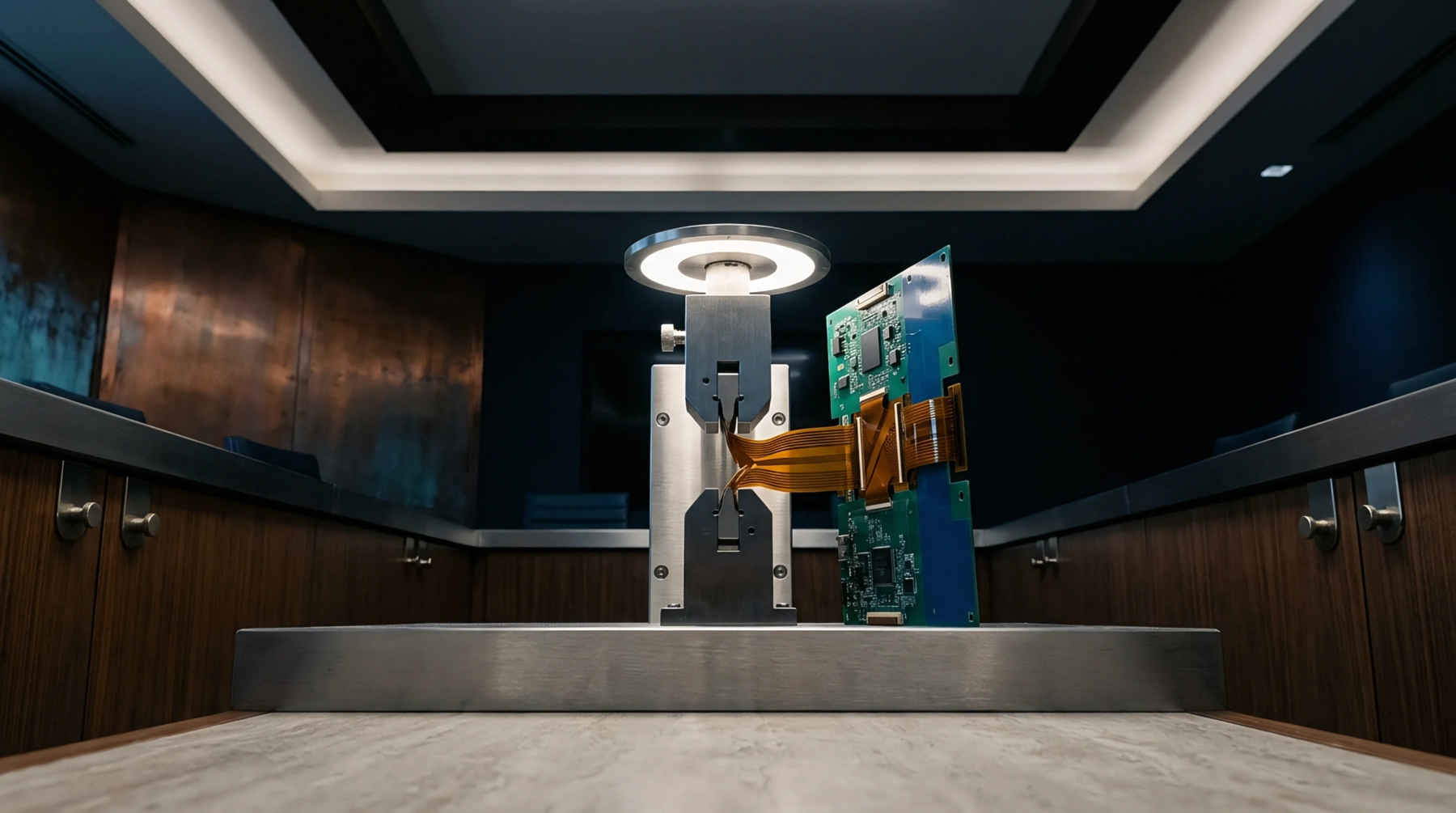
Anisotropic tensor creep models prevent layer misregistration and microvia failure by accounting for glass weave shear strain under reflow thermal cycles.
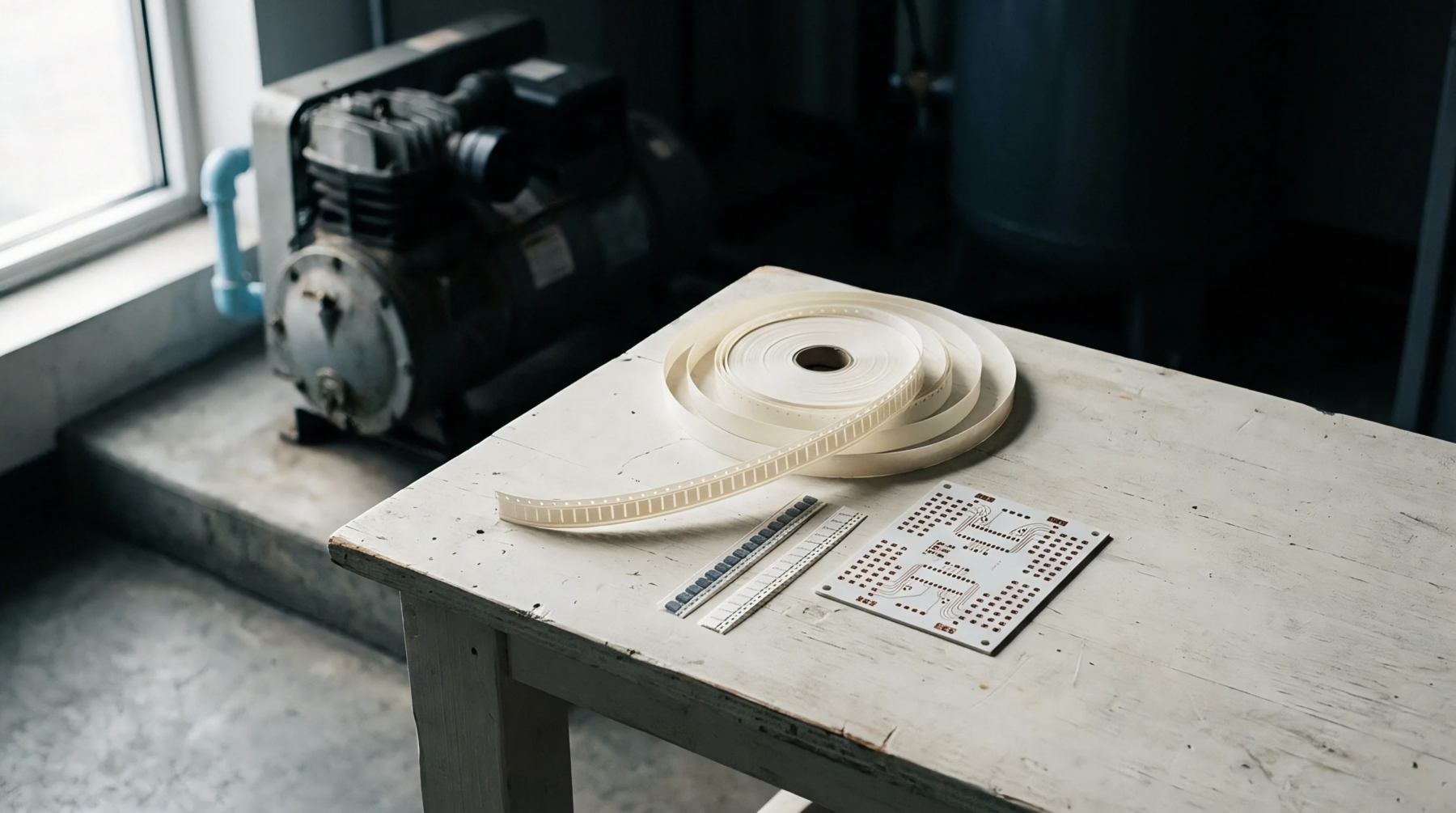
Cyanate ester flexural stiffness induces adhesive shear lag and interfacial microcracking, causing rosette signal loss and latent solder interconnect escapes.

Dynamic parallel plate rheometry under controlled 2 °C/min thermal ramps defines the minimum viscosity window for thin prepreg lamination success

High-frequency laminate rheology dictates prepreg flow kinetics, fixing pressed dielectric thickness, local impedance stability, and panel registration yield.
Expertise is a utility, not a secret. sentiention™ publishes its working knowledge as open reference: intelligence layer covering the materials it sources, the markets it enters, and the reference that serves both.