Temperature Gradient
A thermal ramp rate defines the measured speed of heating or cooling cycles applied to a printed circuit board assembly during the reflow soldering phase. Engineers utilize thermal ramp rate as the primary control mechanism for ensuring components survive the transition from ambient conditions to molten alloy temperatures without mechanical damage. Manufacturers calculate this figure in degrees per second to monitor the stability of the heating process inside a reflow oven.
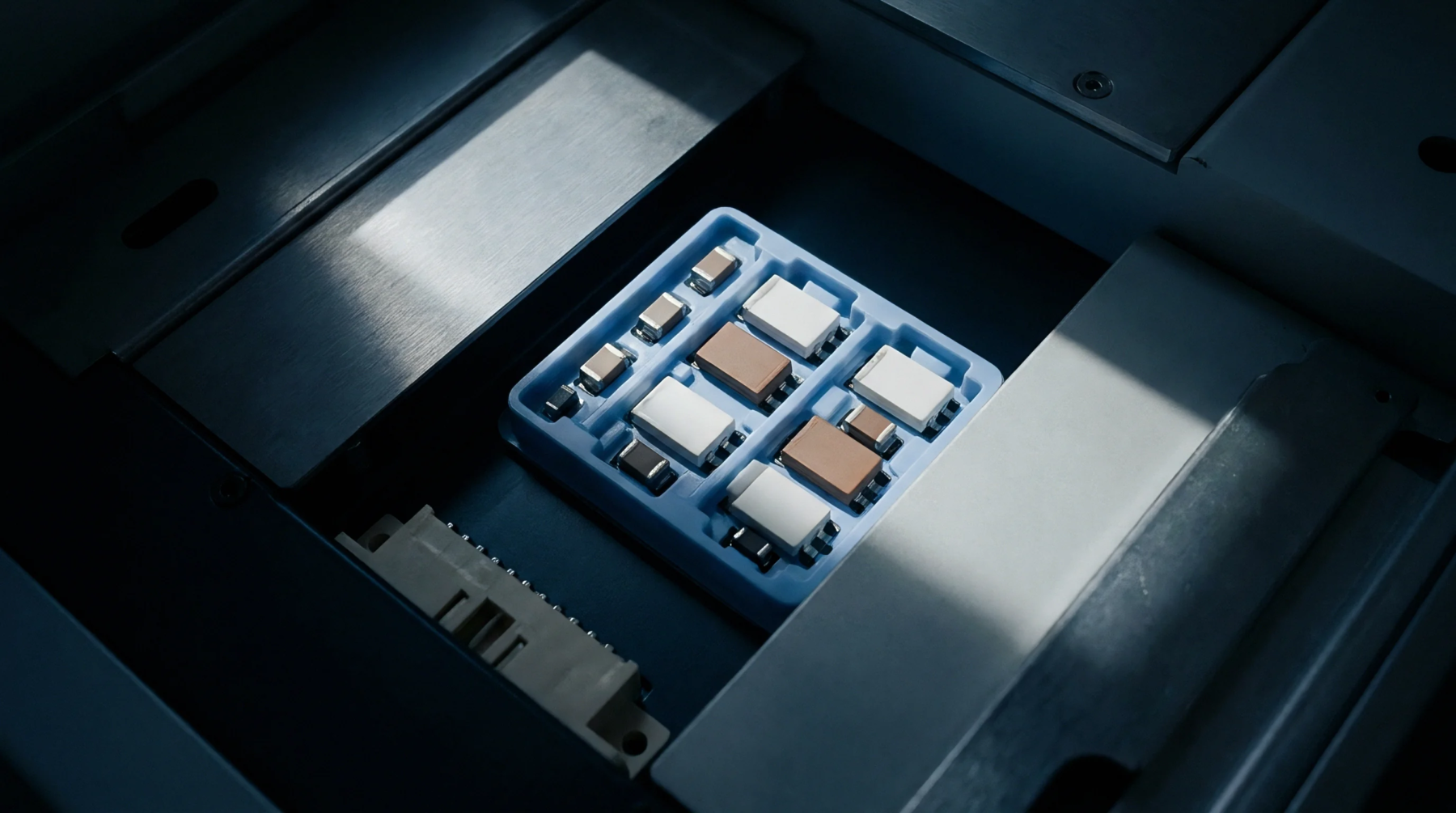
Rapid transitions induce thermal shock within ceramic capacitors or integrated circuits, causing internal cracks that remain hidden until operation begins. Precise regulation of this velocity prevents volatile fluxes from outgassing too violently, a condition that displaces components or creates voids in the solder joints. Excessive heat exposure at high velocities ruins the wetting characteristics of the paste while insufficient energy results in incomplete coalescence of the alloy.
Process Limit
Mechanical stress accumulates when board materials and component leads expand at disparate intervals. Designers dictate the maximum allowable thermal ramp rate to keep these internal stresses below the threshold of delamination for the laminate or fracture for the solder connection. Oven profiling tools log the actual progression of the board temperature across several zones to verify the output against these engineering requirements.
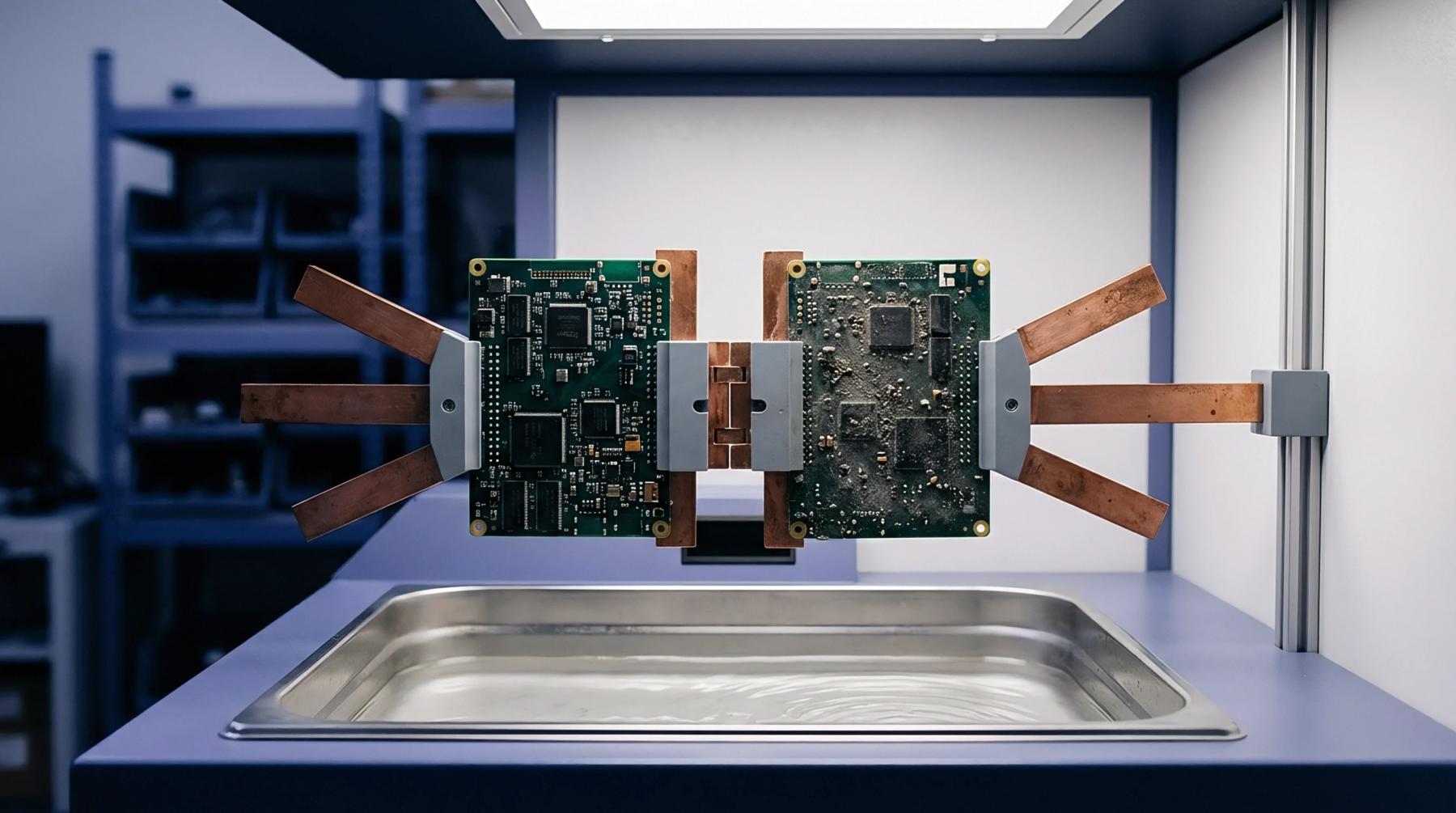
Data from these profiles indicate if the heating elements function within the defined capacity of the equipment. Faulty heaters or airflow blockages alter the intended curve, forcing the system to operate outside the safety margin. Practitioners monitor this metric to avoid the premature degradation of sensitive substrates and to guarantee that every board receives consistent treatment throughout a production run.
Thermal Constraint
Performance requirements dictate the range of acceptable values for this speed to manage the transition from flux activation to peak reflow temperatures. Equipment manufacturers specify the mechanical constraints of their convection ovens while component suppliers define the physical limitations of their packages. Alignment between these two constraints remains the objective of every production engineer during the setup of a new soldering profile.
Validation occurs through regular testing of dummy boards to ensure the equipment maintains the necessary stability under varying load conditions. A thermal ramp rate that stays within the validated window prevents defects and secures the structural integrity of the assembly.