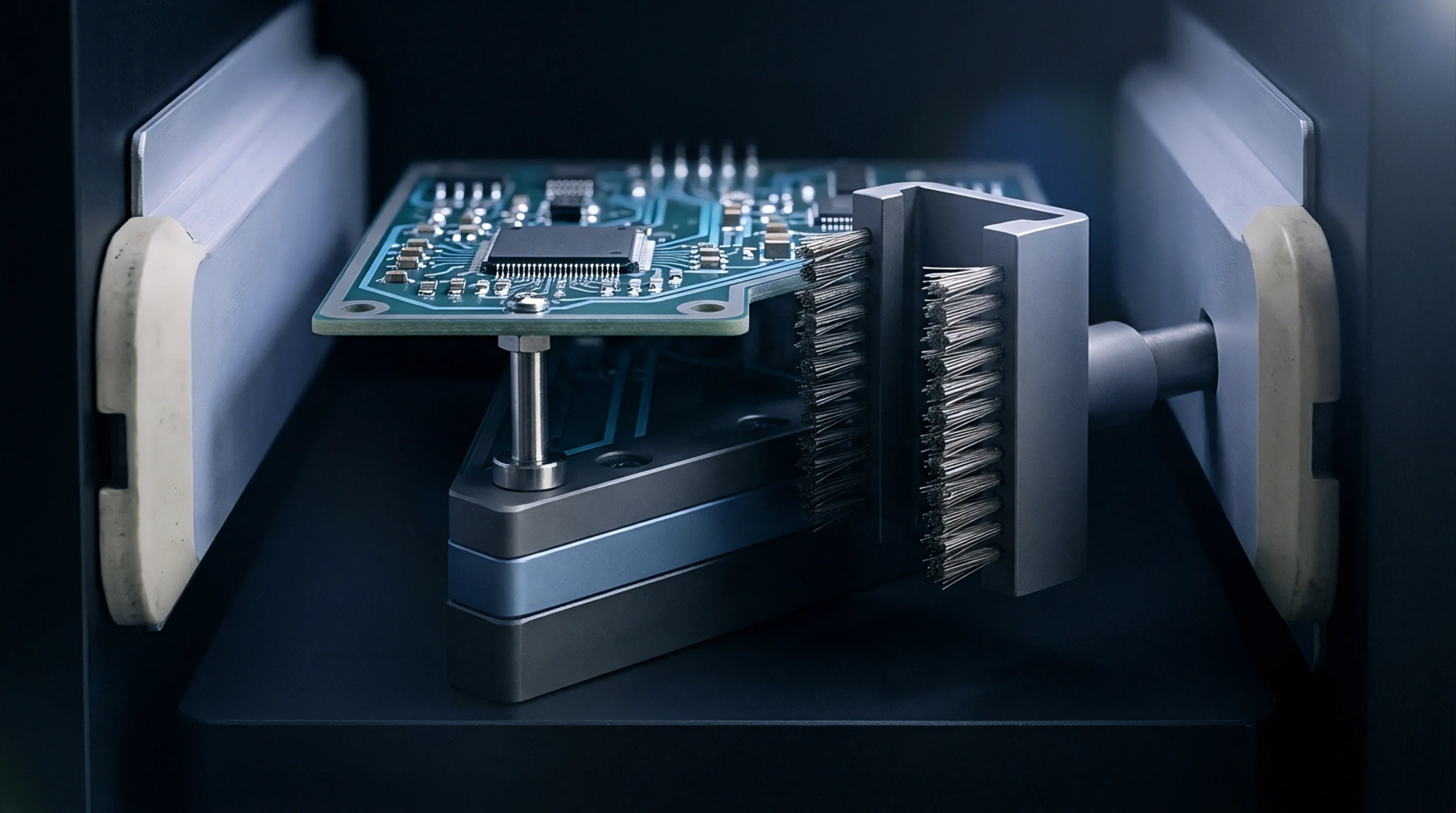
Substrate Z-Axis Thermal Expansion Mechanics in High-Density Interconnect Laminates
Z-axis laminate expansion exceeding copper ductility during lead-free reflow drives microvia failure, requiring high-Tg filled dielectrics and coupon screening.
Z-axis laminate expansion exceeding copper ductility during lead-free reflow drives microvia failure, requiring high-Tg filled dielectrics and coupon screening.
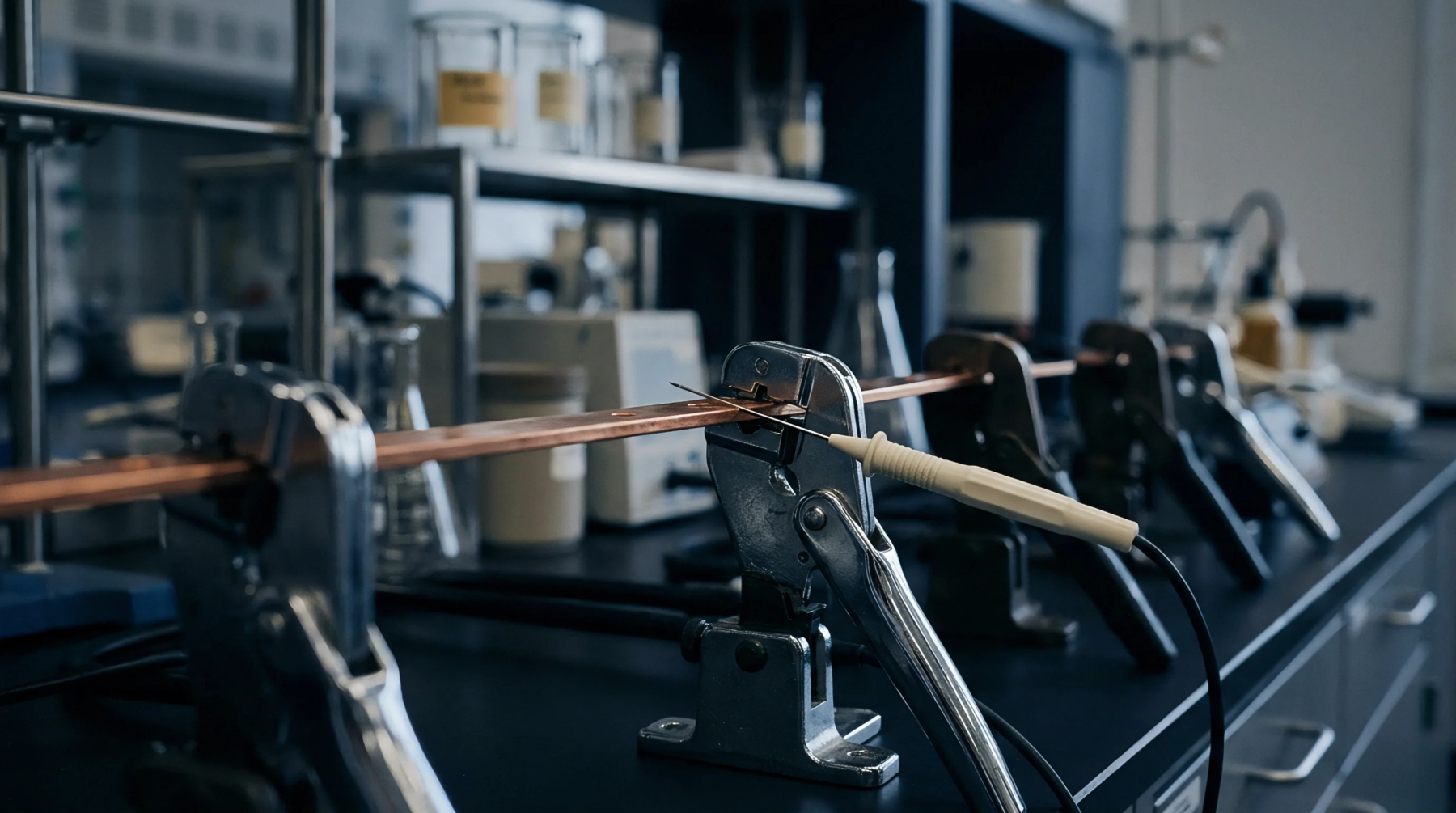
Grain boundary sliding at microvia target interfaces stems from additive contamination and z-axis strain during reflow, requiring thermal annealing controls.
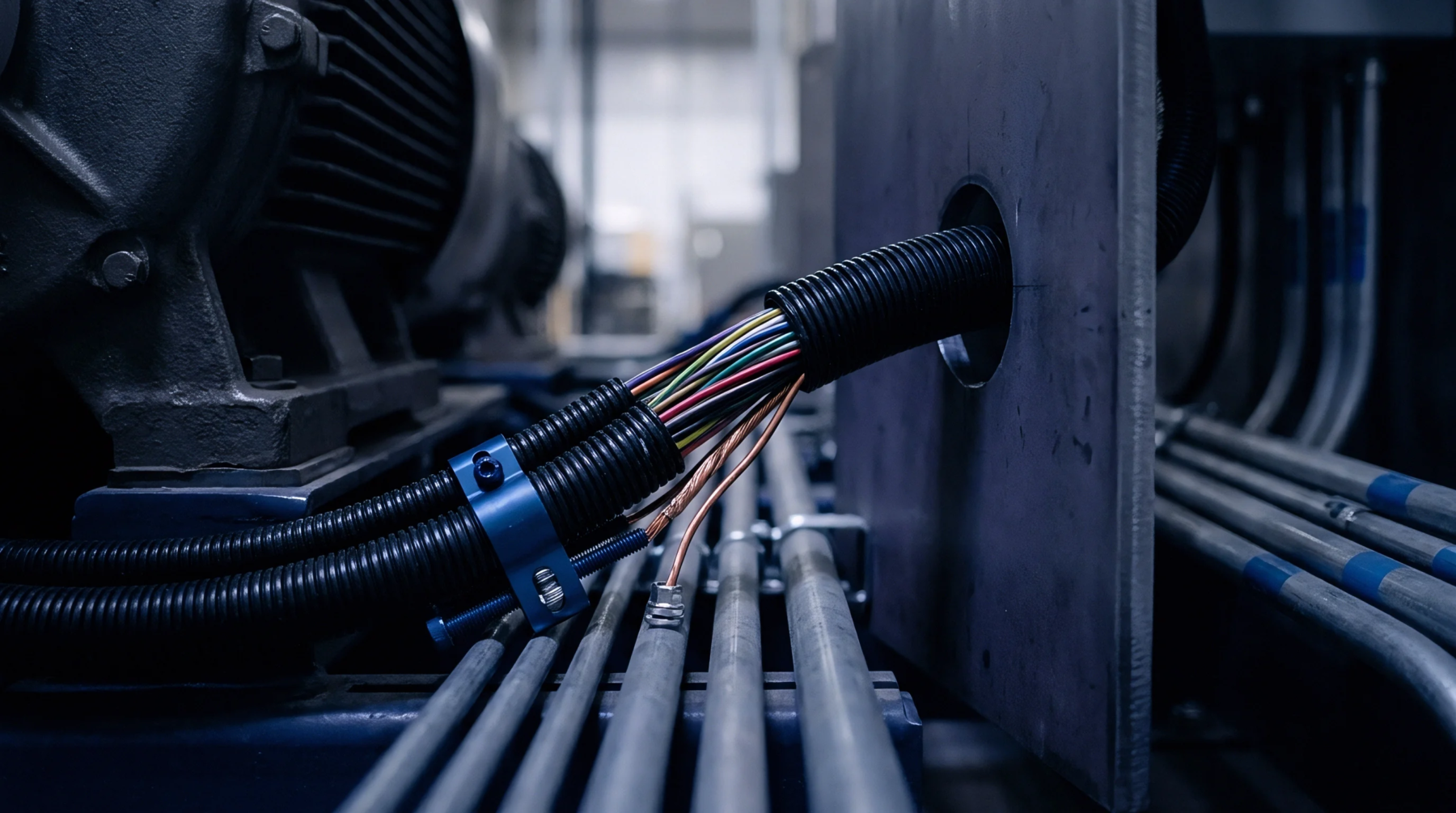
Thermal cycles in high density stackups drive copper recrystallization, causing grain growth and vacancy coalescence that trigger microvia interface failures.
High aspect ratio blind vias require low Z-CTE filled laminates and pulse plating to prevent target pad separation during lead-free thermal cycling.
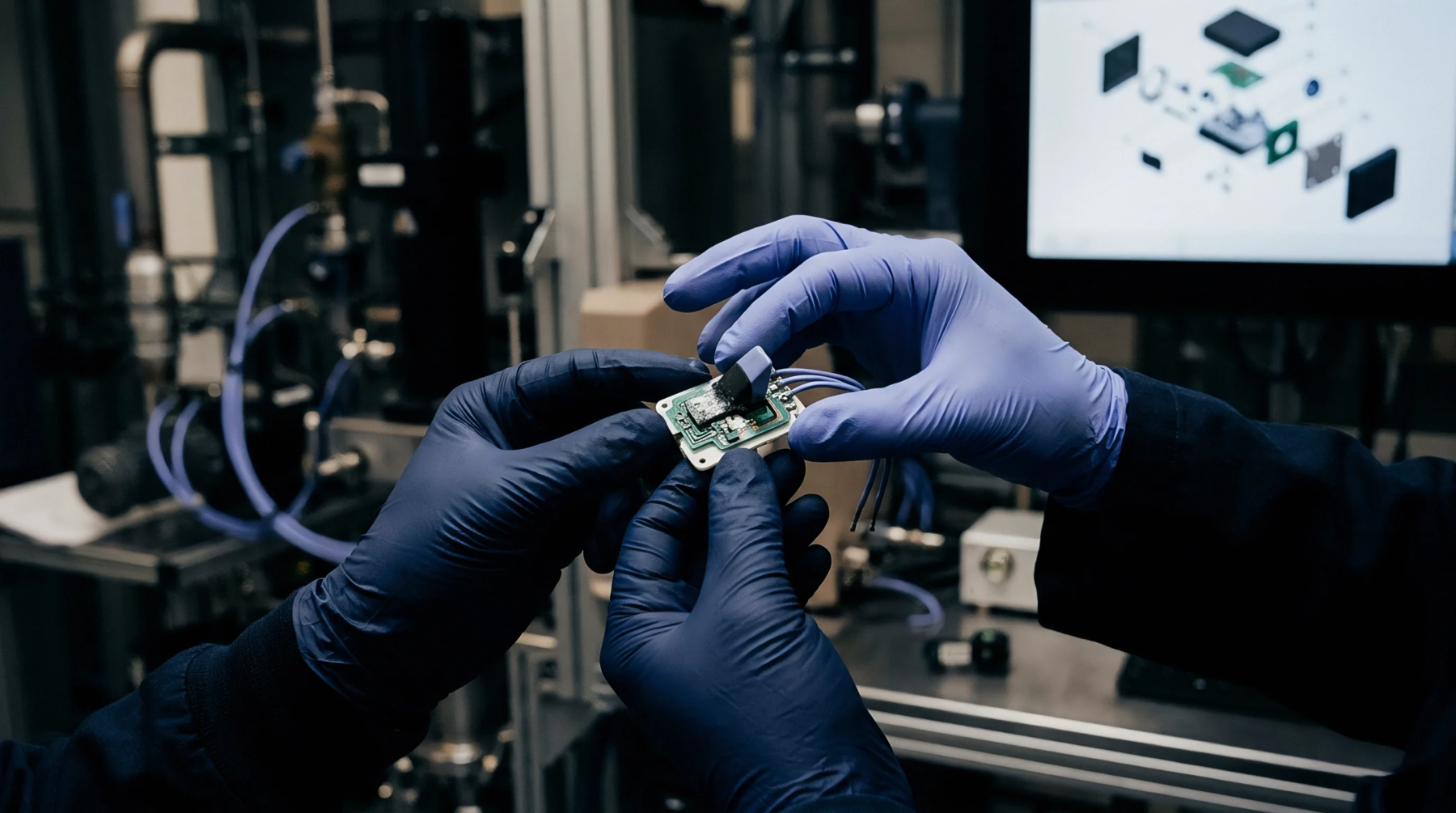
Dynamic four-wire testing isolates ambient and transient microvia resistance shifts during thermal stress to catch latent target pad defects before shipment.
Non-linear viscoelastic cure modeling predicts microvia target pad separation by coupling resin shrinkage to interfacial cohesive fracture energy.
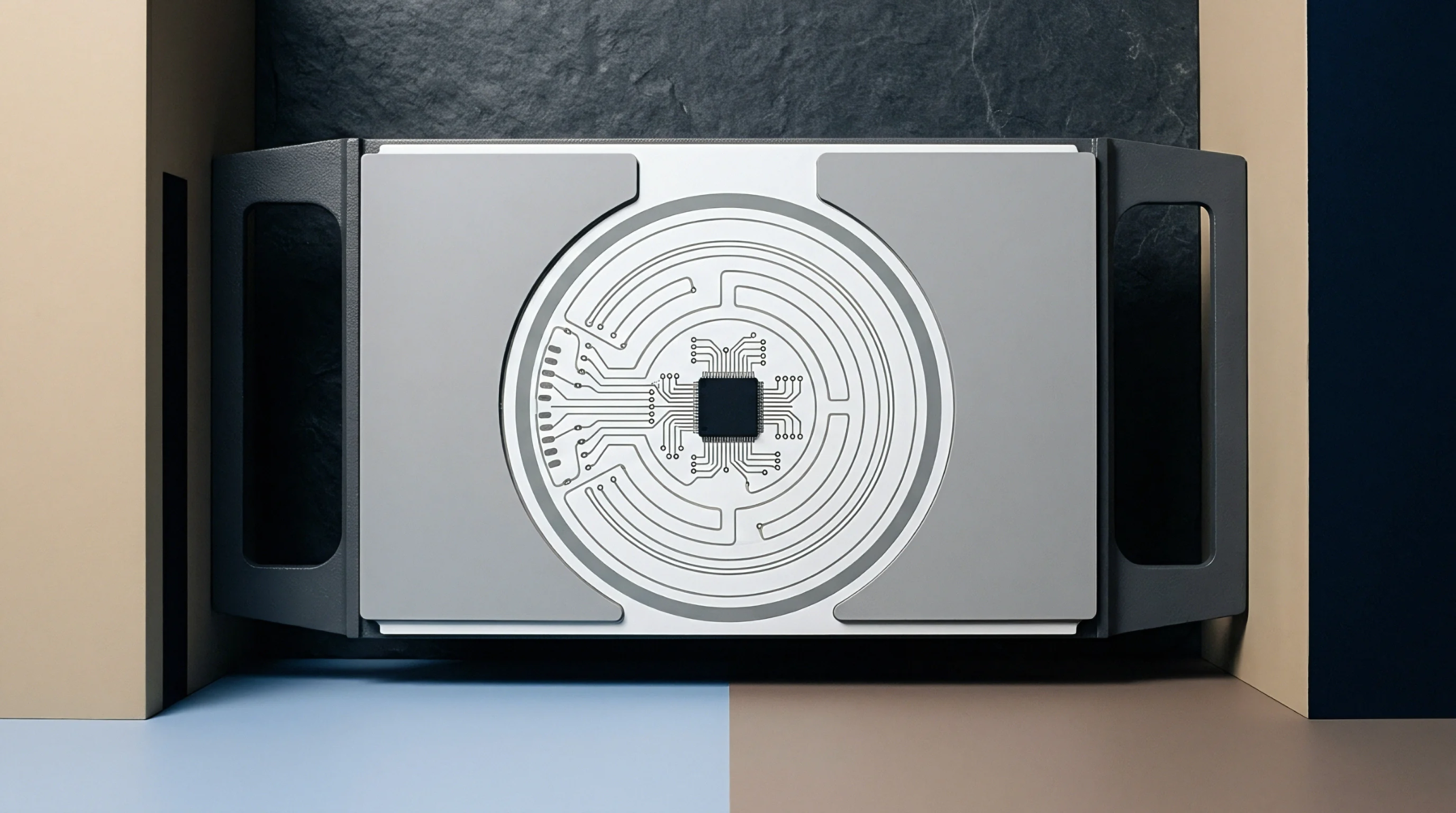
Deriving boundary scan coverage for high-density ASIC arrays requires precise accounting of scannable versus un-scannable nets to prevent costly field escapes.
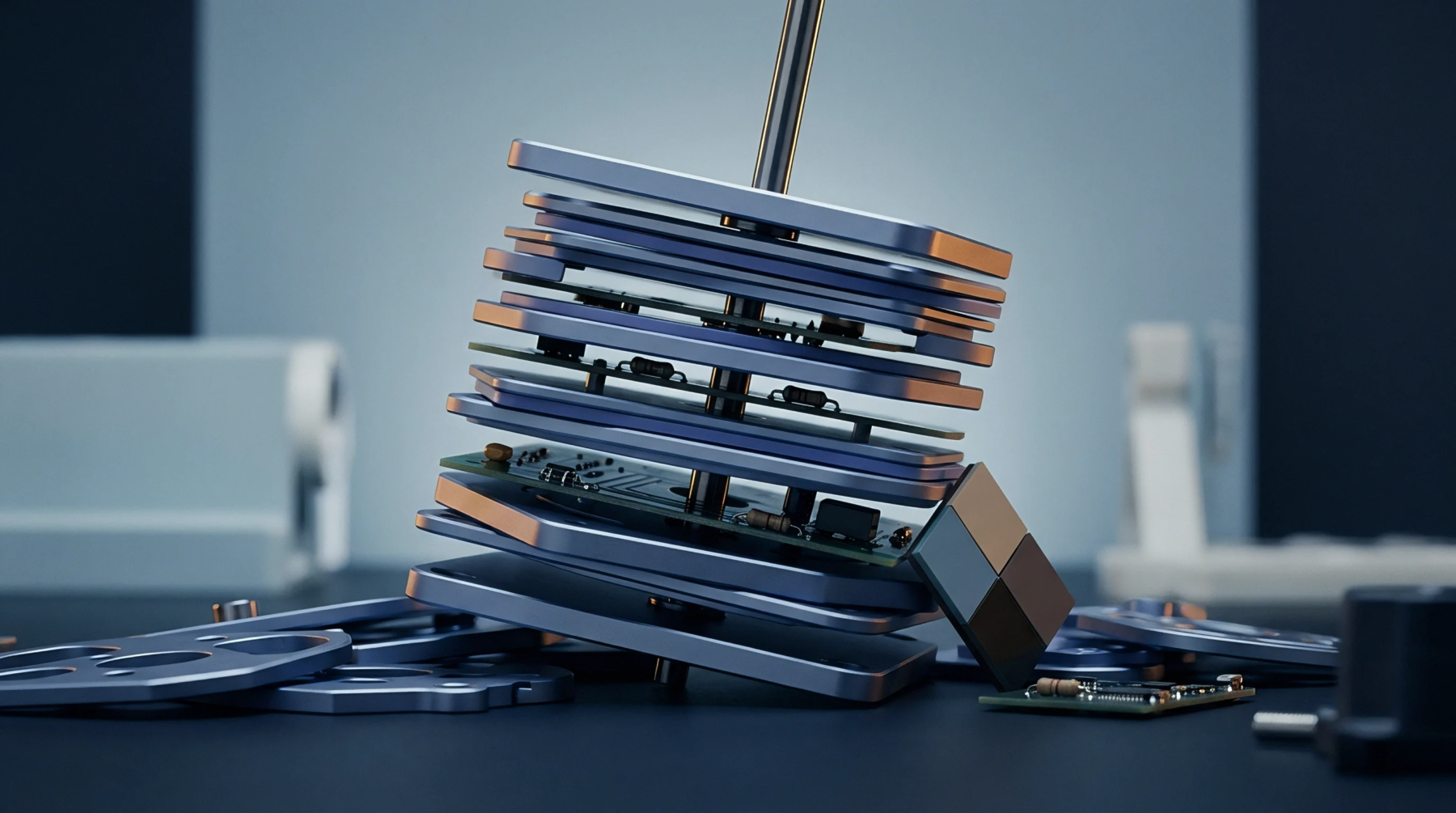
Predict anisotropic deformation in sequential lamination by coupling layer-specific thermal expansion tensors with non-linear viscoelastic resin cure shrinkage.
Acoustic microscopy detects sub-micron HDI substrate delamination using phase-inversion gating at frequencies between 100 MHz and 300 MHz.
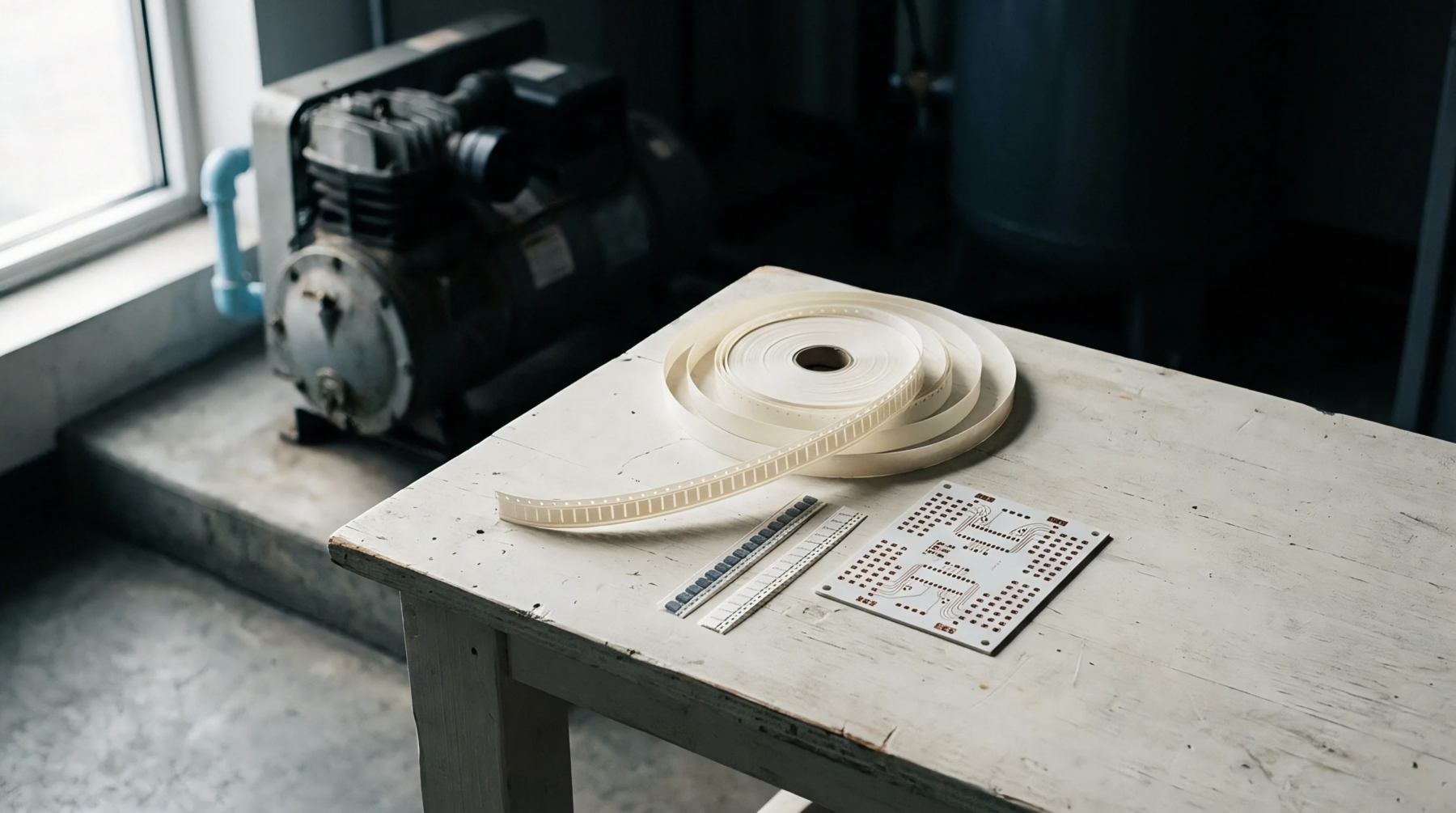
Continuous high-speed Kelvin monitoring during rapid thermal cycling isolates latent target pad separations that re-nest and pass static ambient tests.
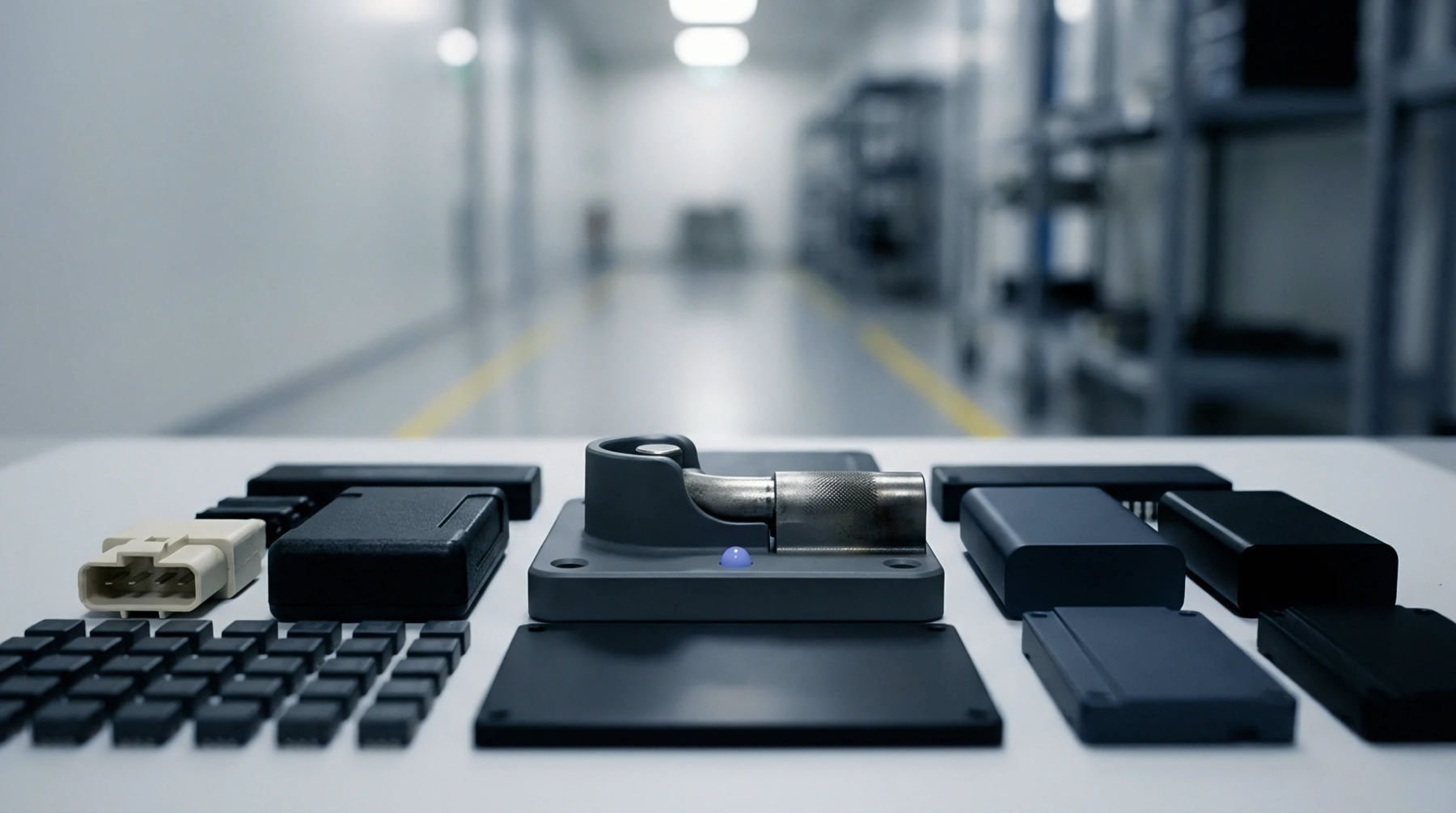
Selecting dielectric substrates requires balancing dissipation factor, glass weave uniformity, foil roughness, and panel yields to meet high-speed impedance targets.

Microstructural recrystallization and impurity segregation drive grain boundary shear failure at microvia target pad interfaces during high-temperature reflow.
Resin squeeze-out shear distorts dielectric tensor components and drives microvia misregistration in multi-pass buildup substrates.
Expertise is a utility, not a secret. sentiention™ publishes its working knowledge as open reference: intelligence layer covering the materials it sources, the markets it enters, and the reference that serves both.