Material Composition
High performance thermoplastic resins define this category of engineering polymers by their low dielectric constant and moisture absorption levels. Polyphenylene ether functions as an amorphous structural material in circuit fabrication due to these stable electrical properties across varied frequencies. Molecular chains of this substance feature aromatic rings linked by oxygen atoms to maintain stability during thermal processing cycles.
Rigidity persists across high temperatures because glass transition points exceed those of many commodity plastics used in electronics. Designers specify these materials when signal loss reduction remains the primary requirement for high frequency transmission lines. Fabricators often blend polyphenylene ether with polystyrene to improve processability while maintaining favorable mechanical toughness.
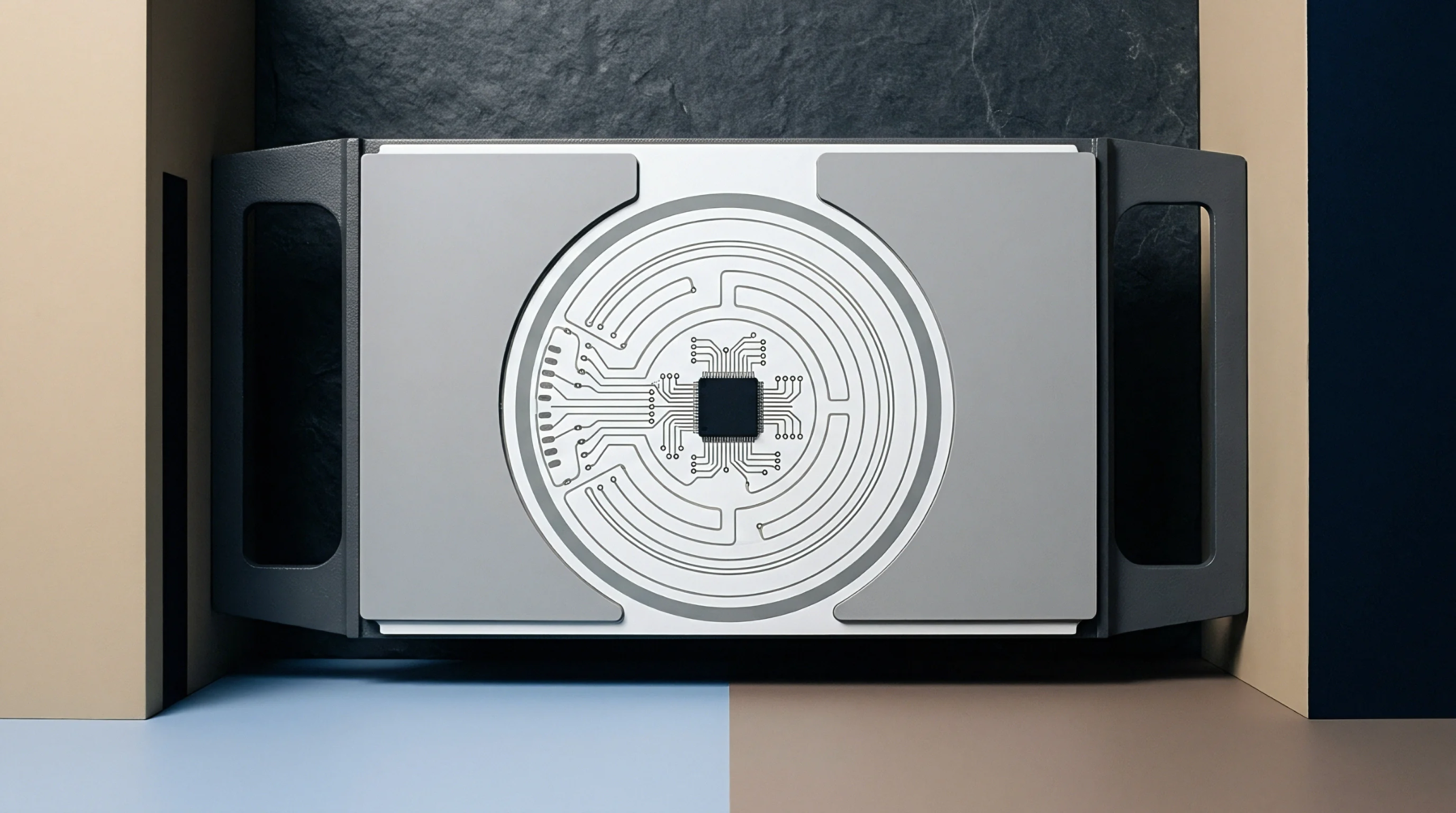
This polymer mixture resists hydrolytic degradation during exposure to humid environments, a condition that compromises standard epoxy resin laminates. Reliable performance in high speed data applications follows from the combination of consistent dielectric properties and low loss tangents. Manufacturers apply this material in printed circuit board laminates where signal integrity determines the success of the finished hardware.
Fabrication Requirement
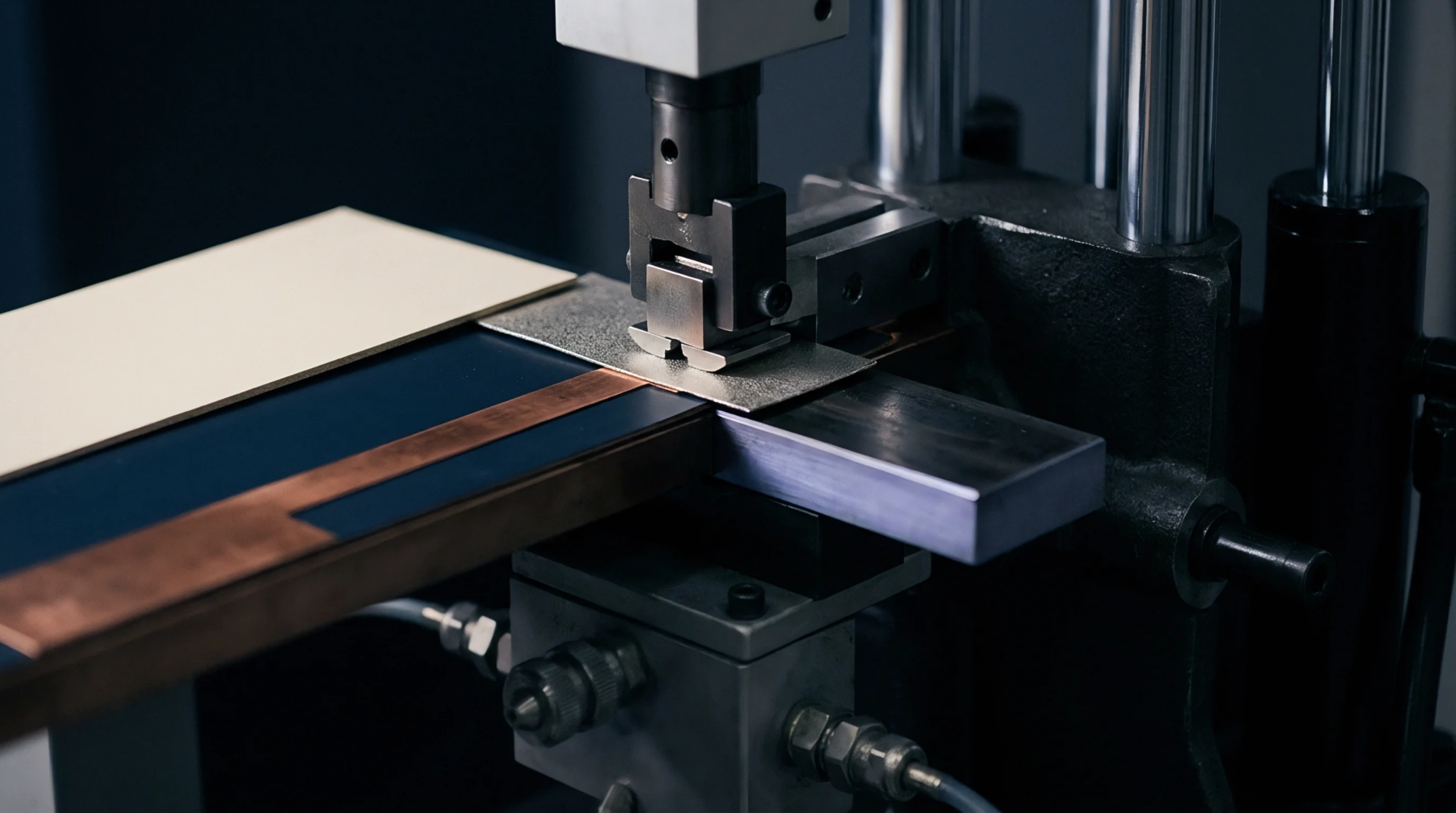
Controlled expansion coefficients allow circuit boards to match the thermal behavior of copper foil during lamination. Technicians track polyphenylene ether layers for delamination risks during drilling because the material hardness differs from standard fiberglass reinforcements. Proper feed speeds prevent smear of the polymer into plated through holes during the machining stages.
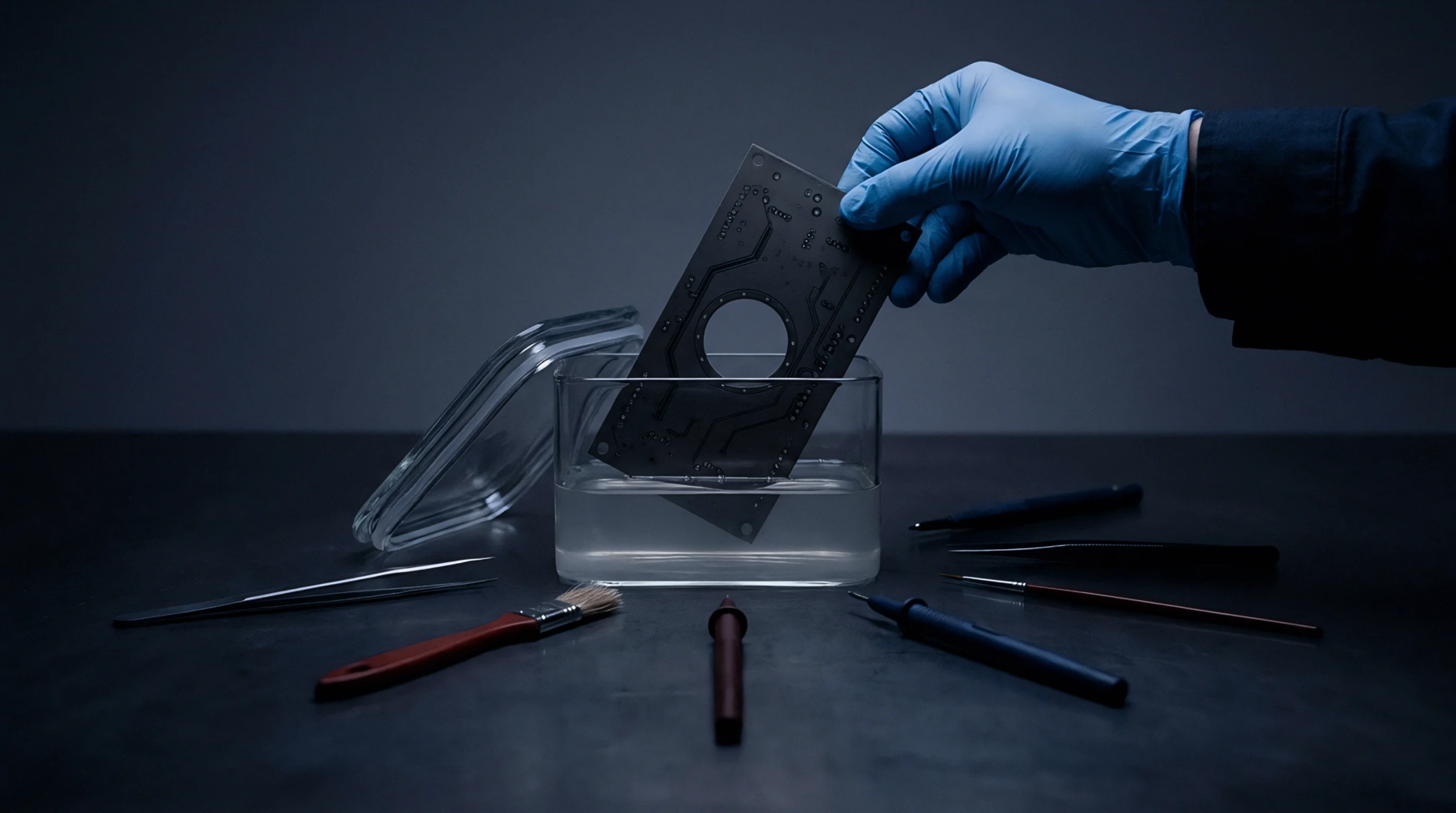
Voids within the resin matrix reduce the dielectric breakdown voltage of the board, so pressure profiles require adjustment to ensure full encapsulation of glass fibers. Chemical cleaning steps must avoid aggressive solvents that induce swelling or surface cracking in the polymer structure. Engineers verify the quality of the bond by subjecting test coupons to thermal shock cycling that accelerates fatigue in the interface between metal and resin.
Assembly Metric
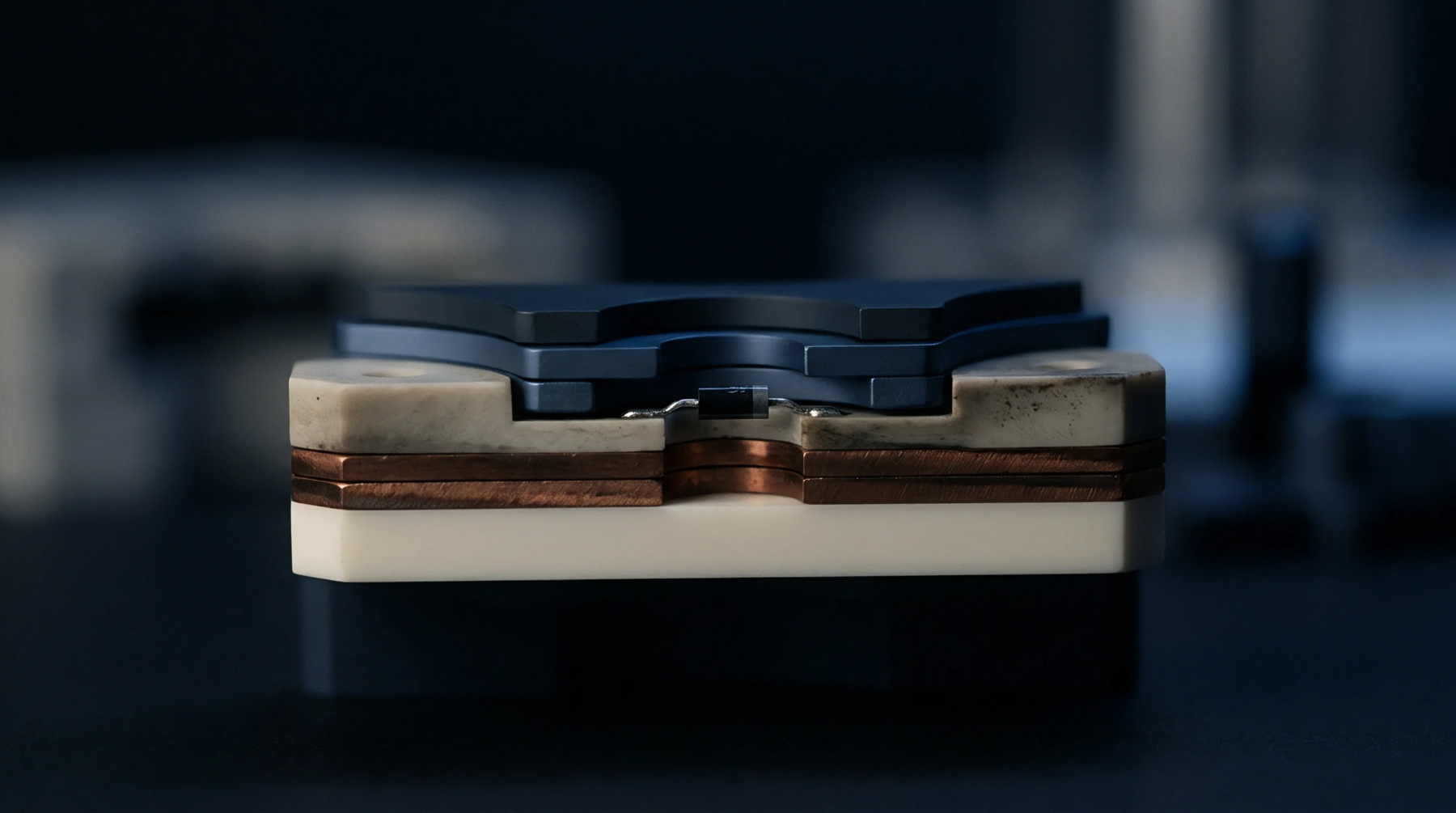
Soldering temperatures for surface mount components demand thermal stability to prevent board warping during reflow. Polyphenylene ether holds its physical shape during repeated heat cycles, a characteristic that protects solder joints from mechanical stress caused by substrate deformation. Boards constructed from this material require specific flux formulations that react correctly with the surface energy of the polymer.
Assemblies maintain structural integrity under high power loads because the base resin avoids softening at typical process peaks. Low moisture uptake prevents popcorning effects in high density interconnects during exposure to moist storage environments. The material provides a stable foundation for delicate high frequency components.