Calibrating Phase Distortion in Printed Circuit Stackups
Phase distortion calibration extracts true propagation velocity by de-embedding fixture parasitics and compensating for copper profile inductance and weave skew.
Phase distortion calibration extracts true propagation velocity by de-embedding fixture parasitics and compensating for copper profile inductance and weave skew.
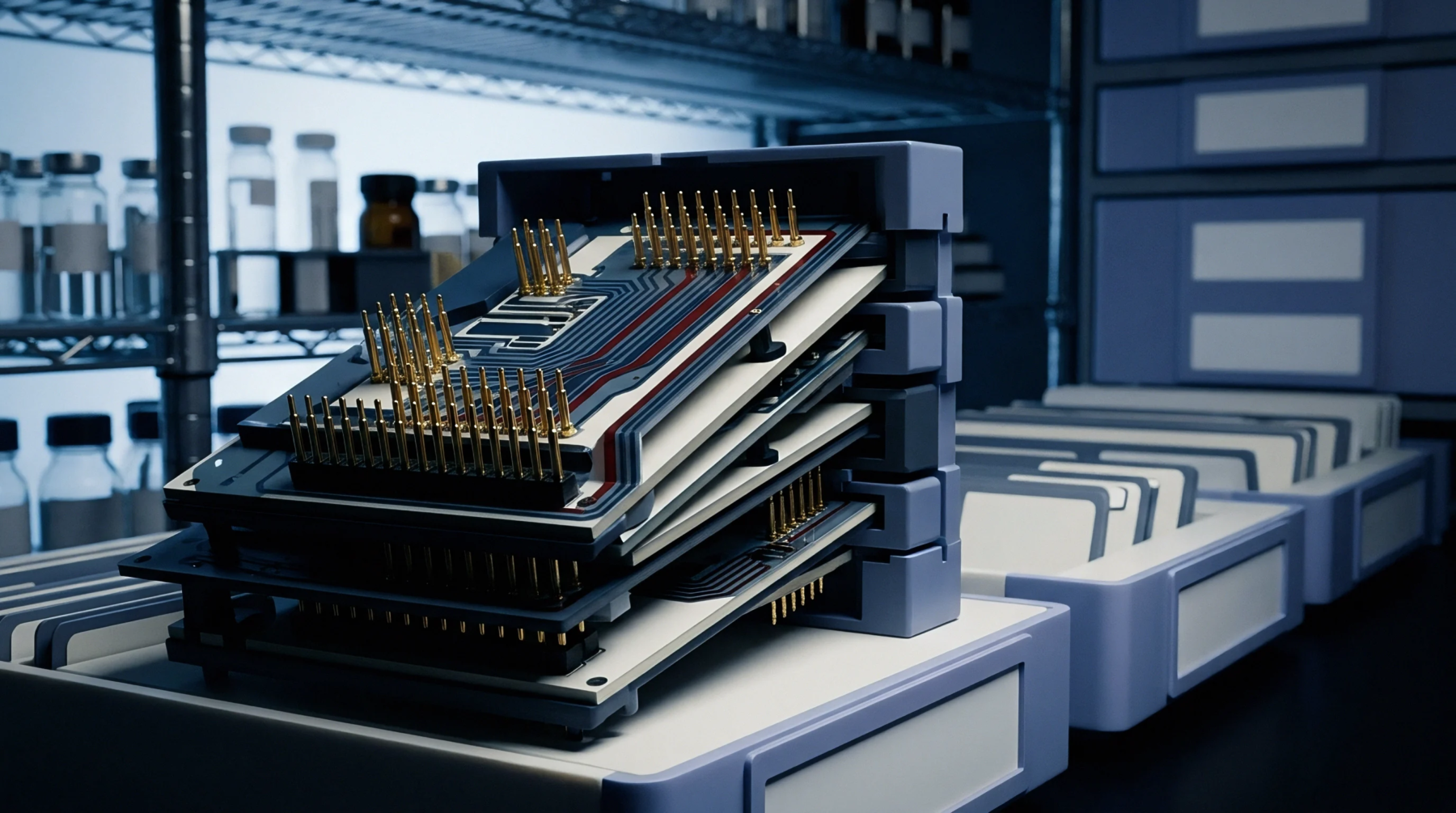
Quasi-optical spatial permittivity dispersion mapping of unclad prepreg raw panel arrays catches millimeter-wave dielectric gradients before lamination scrap.
Deconvolving packaging core dispersion under humidity stress requires separating copper roughness from causal bound-water relaxation across anisotropic weave axes.
Dielectric anisotropy and thermal drift alter modal phase velocities, demanding tensor based modeling and angle routing to protect high speed signal timing.
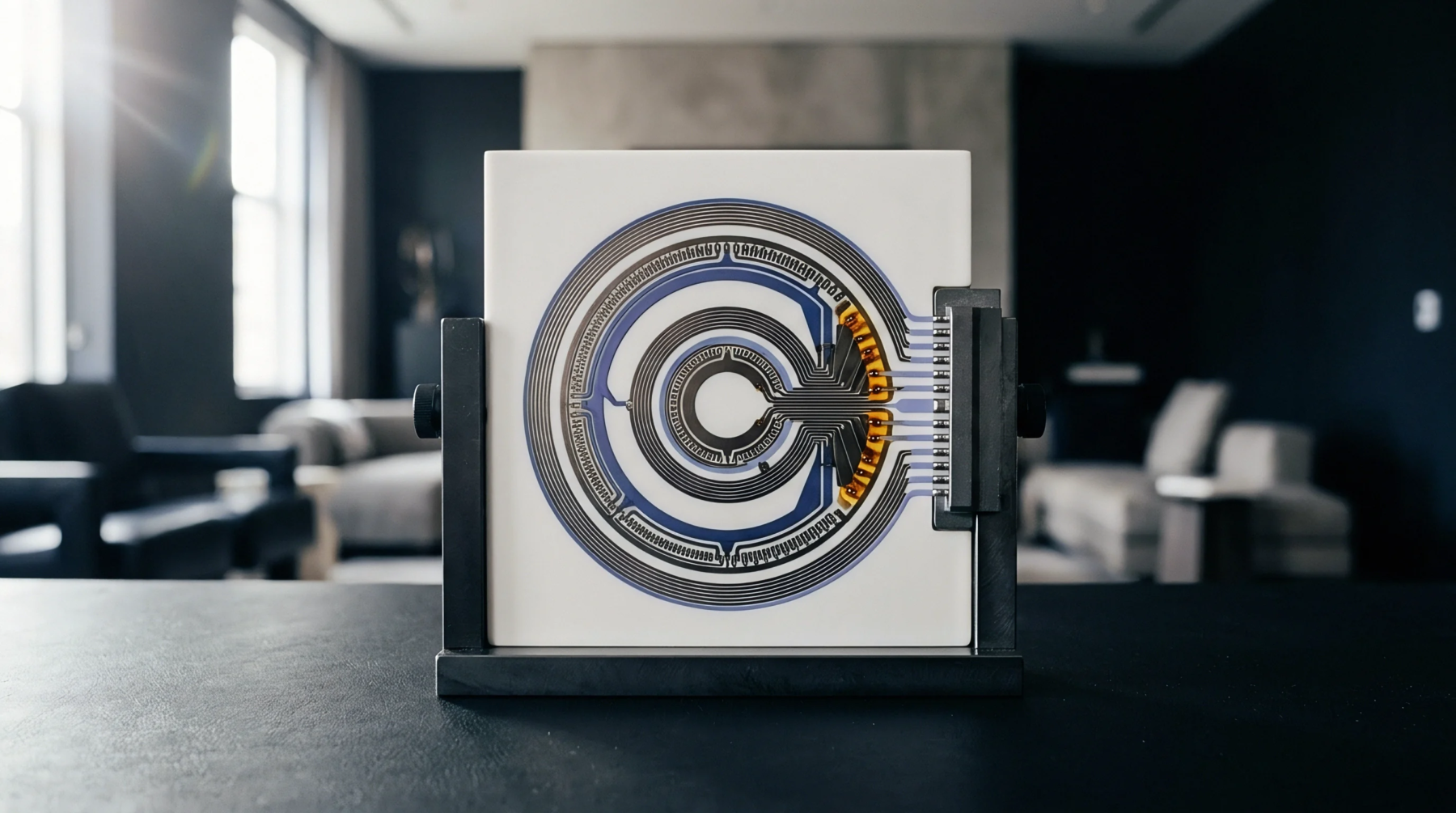
Dielectric relaxation drives high-frequency core attenuation through phase-lagging dipoles, requiring causal modeling and hybrid stackups to balance board costs.
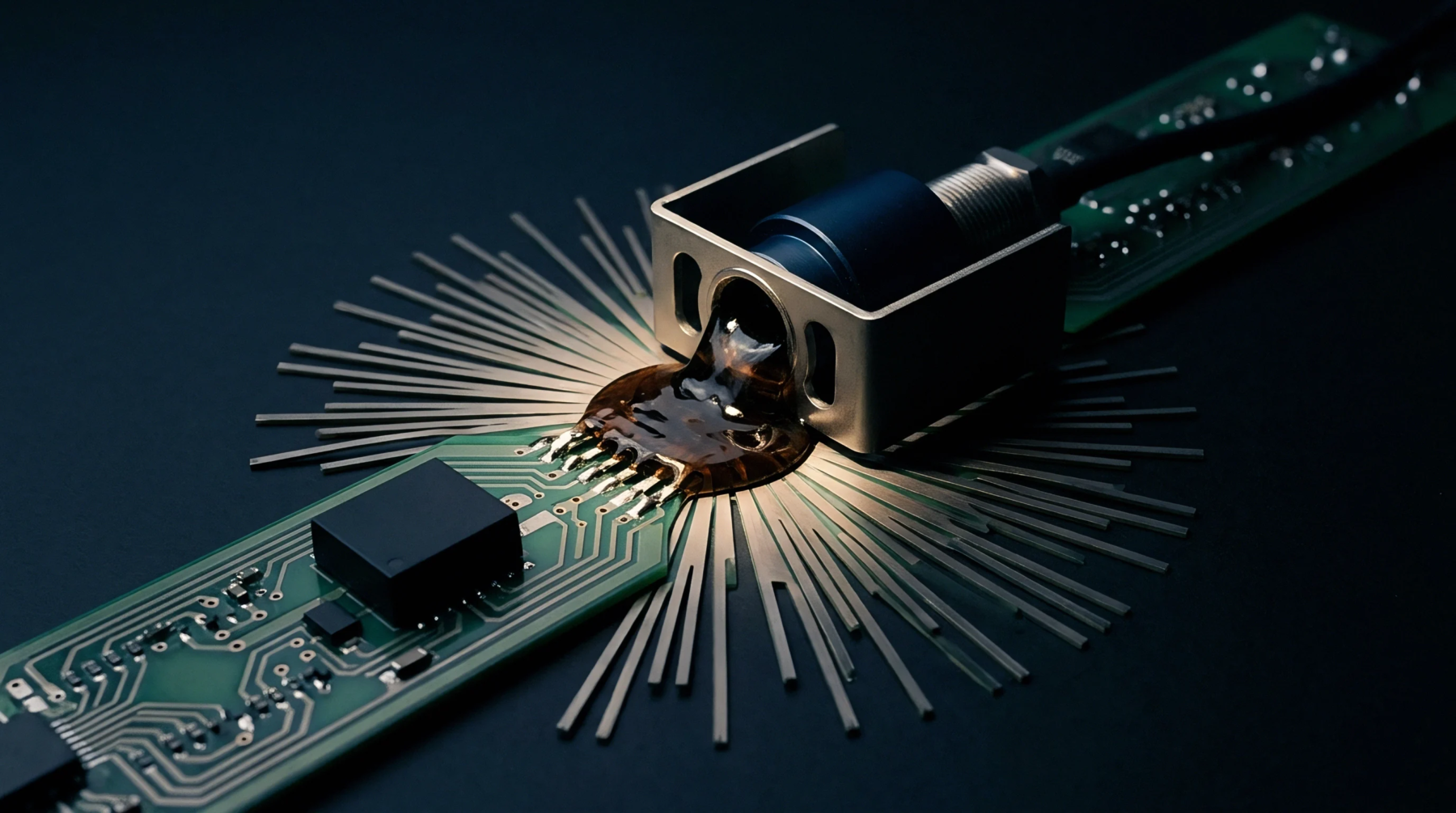
Vacuum lamination compacts copper tooth profiles and redistributes resin fractions, escalating high-frequency insertion loss far beyond datasheet values.
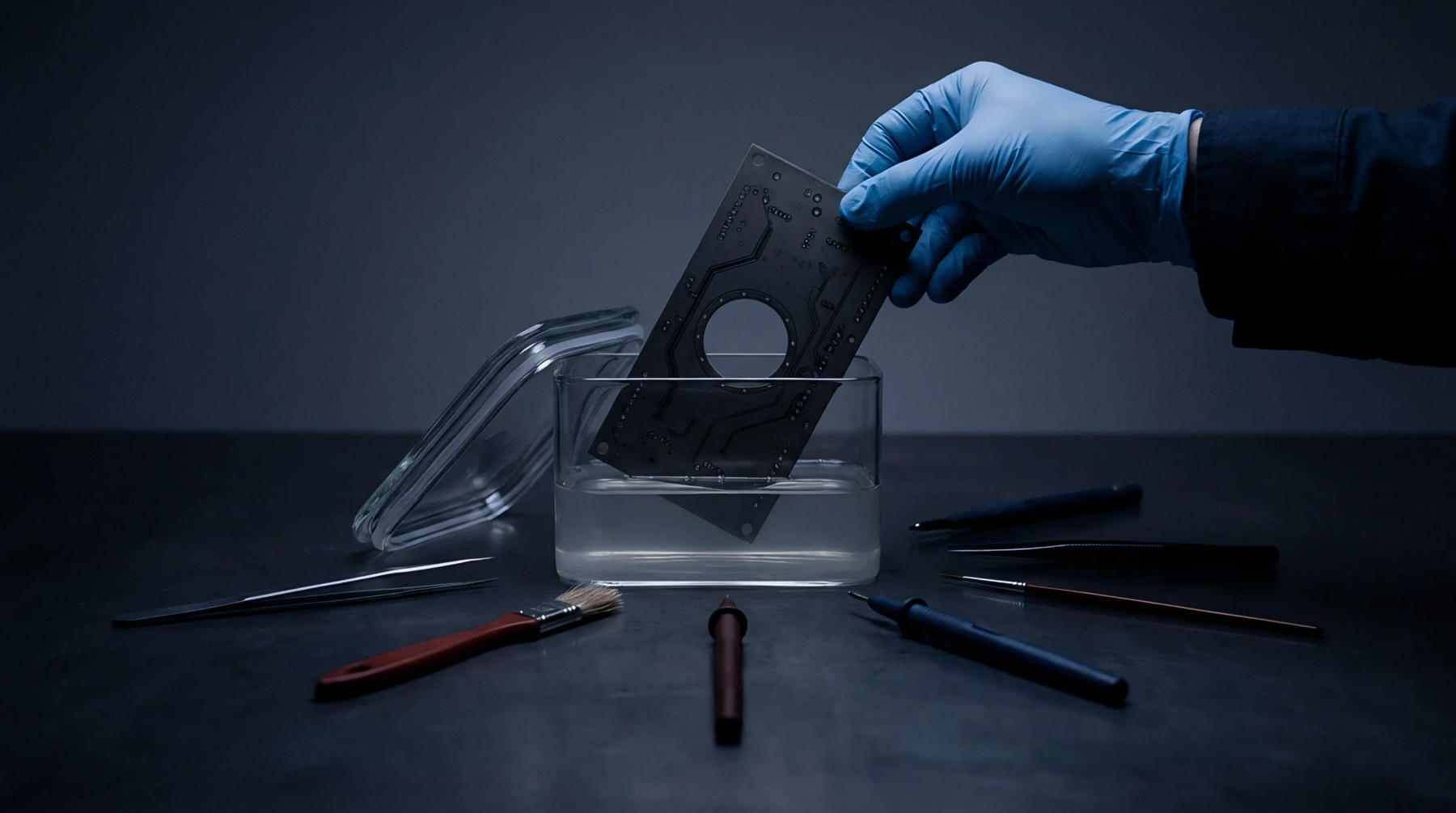
Characterizing printed losses requires isolating roughness skin depth from dielectric dipoles via de-embedded differential coupon extraction up to 50 GHz.
Lead-free reflow elevates stripline phase delay by increasing polymer cross-linking and substrate permittivity, requiring tight furnace profiling and low-loss resin selection.
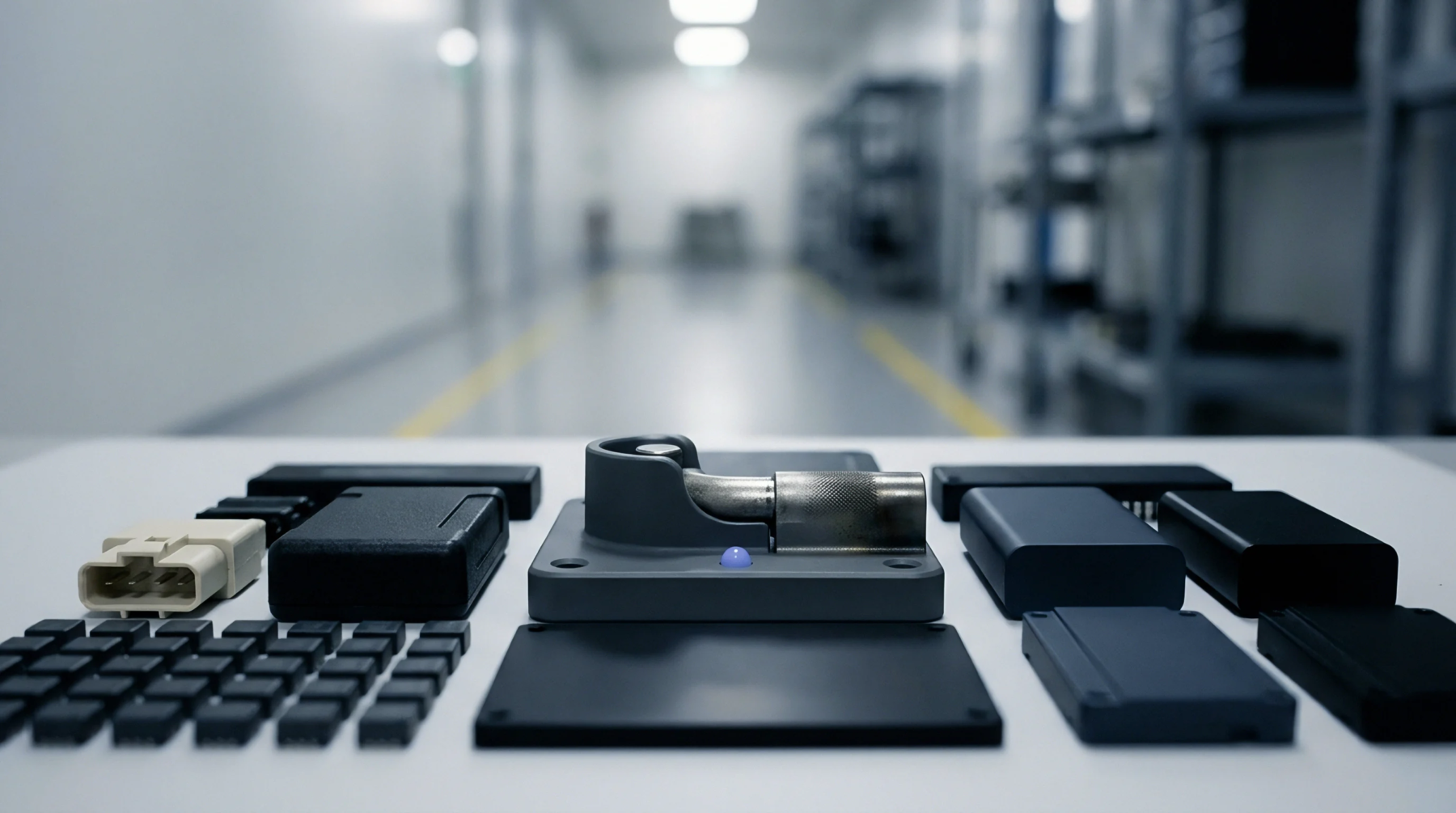
Managing anisotropic permittivity and glass weave dispersion prevents timing jitter and intra-pair phase skew in gigabit differential interconnects.
Reconciling static field solvers with TDR curves requires transforming 2D RLGC parameters into causal, broadband S-parameters with instrument rise-time filtering.
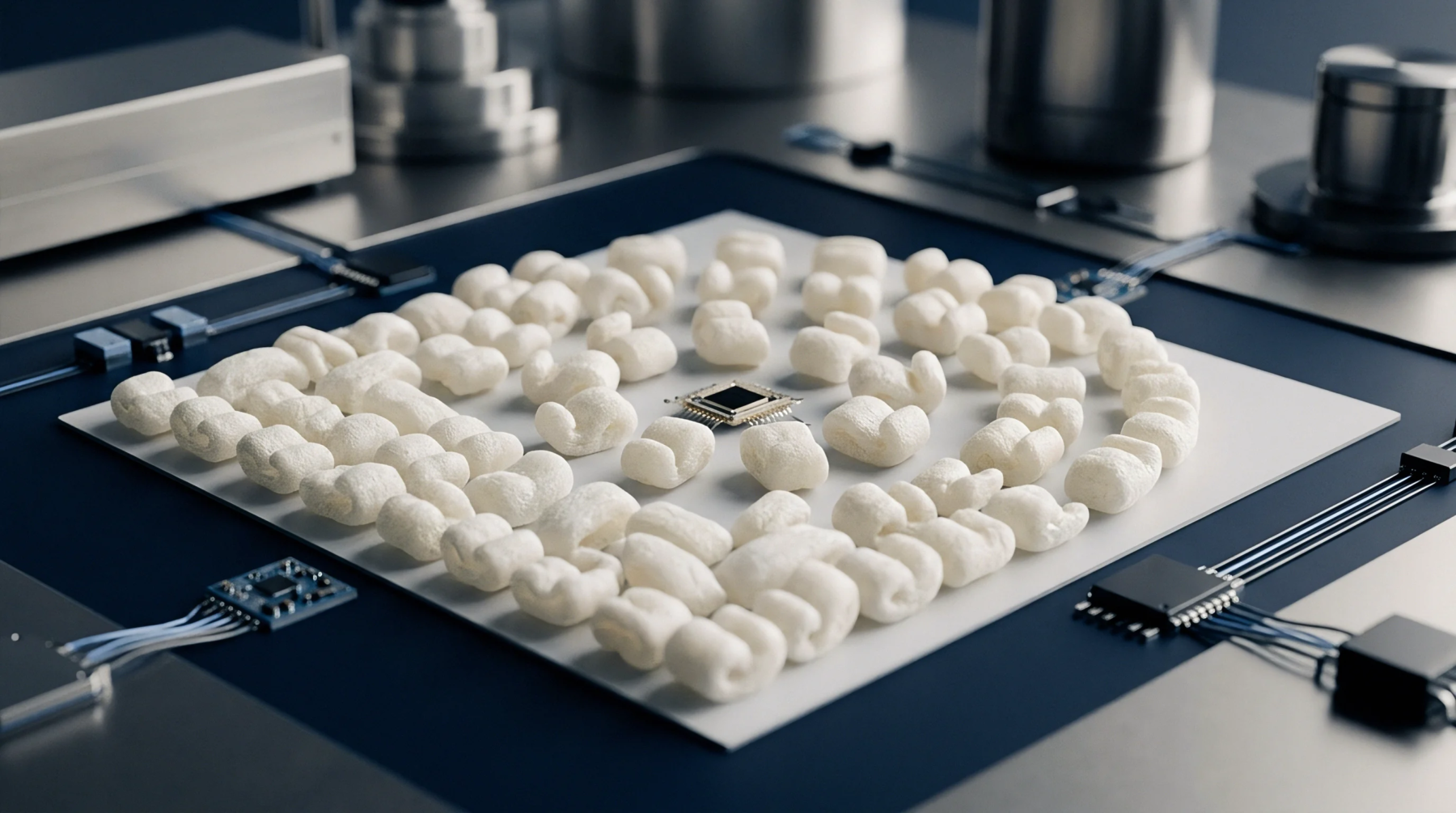
Parallel plate capacitance testing extracts packaging core permittivity from 100 Hz to 1 GHz by applying guarded electrodes to etched, preconditioned coupons.
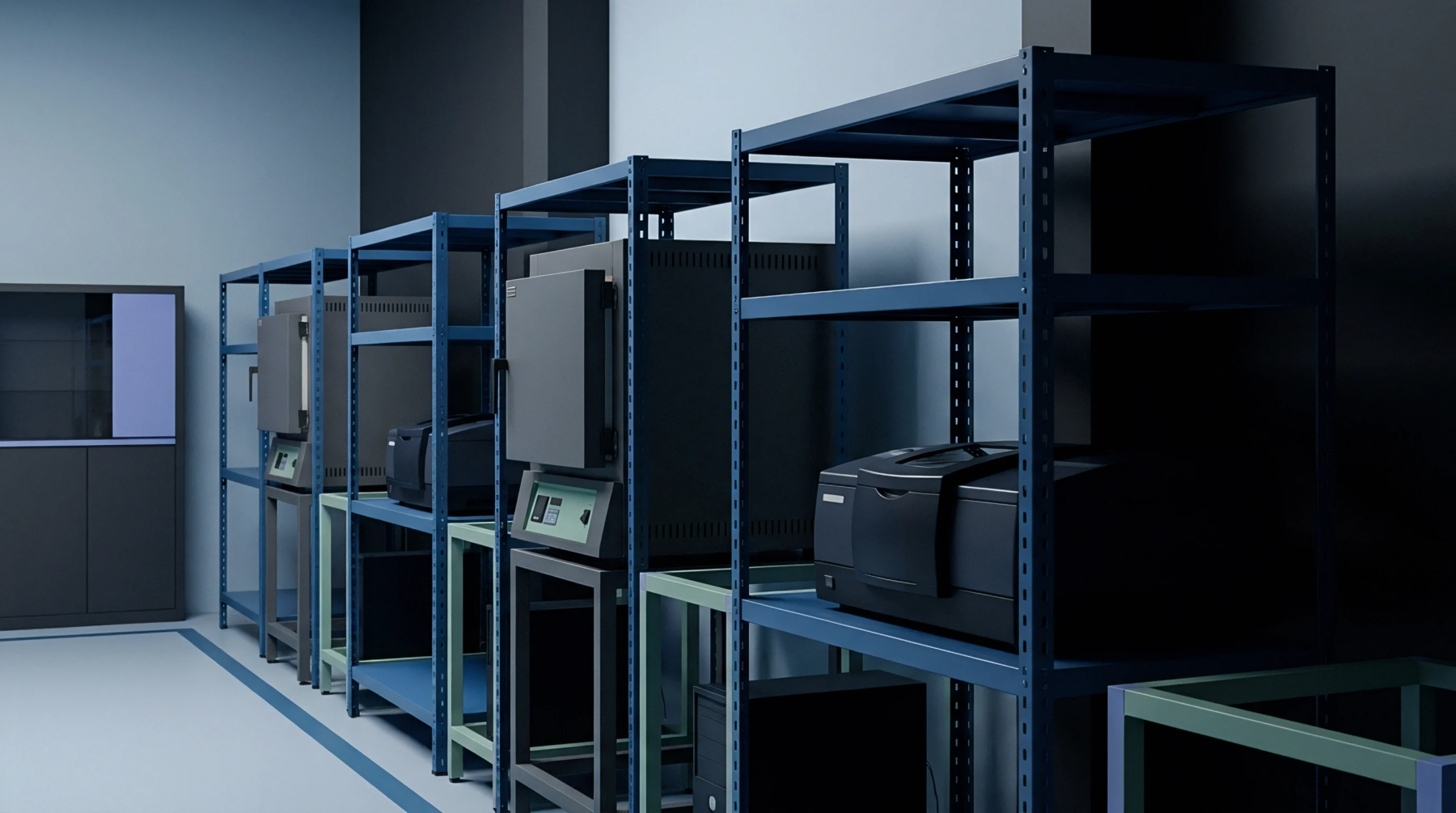
Adhesiveless hydrophobic polyimide interfaces reduce high-frequency dielectric attenuation by suppressing moisture uptake and eliminating lossy acrylic adhesive layers.
Expertise is a utility, not a secret. sentiention™ publishes its working knowledge as open reference: intelligence layer covering the materials it sources, the markets it enters, and the reference that serves both.