Quantifying Laminate Resin Anisotropy Dispersion and Phase Skew Limits in Gigabit Interconnects
Managing anisotropic permittivity and glass weave dispersion prevents timing jitter and intra-pair phase skew in gigabit differential interconnects.
Managing anisotropic permittivity and glass weave dispersion prevents timing jitter and intra-pair phase skew in gigabit differential interconnects.
Selecting mechanically flattened spread glass styles like 1067 or 1078 eliminates dielectric pitch gaps and keeps high-speed differential skew below 2 ps/inch.
Dynamic environmental stress screening with live high-frequency monitoring catches transient microvia void skew escapes that static room-temperature DC testing misses.
Quantifying phase velocity shift in glass weave substrates requires mapping fiber pitch against trace angle to control differential skew.
Multilayer directional permittivity variance causes stripline capacitance shifts that must be corrected by modeling in-plane and out-of-plane dielectric constants separately.
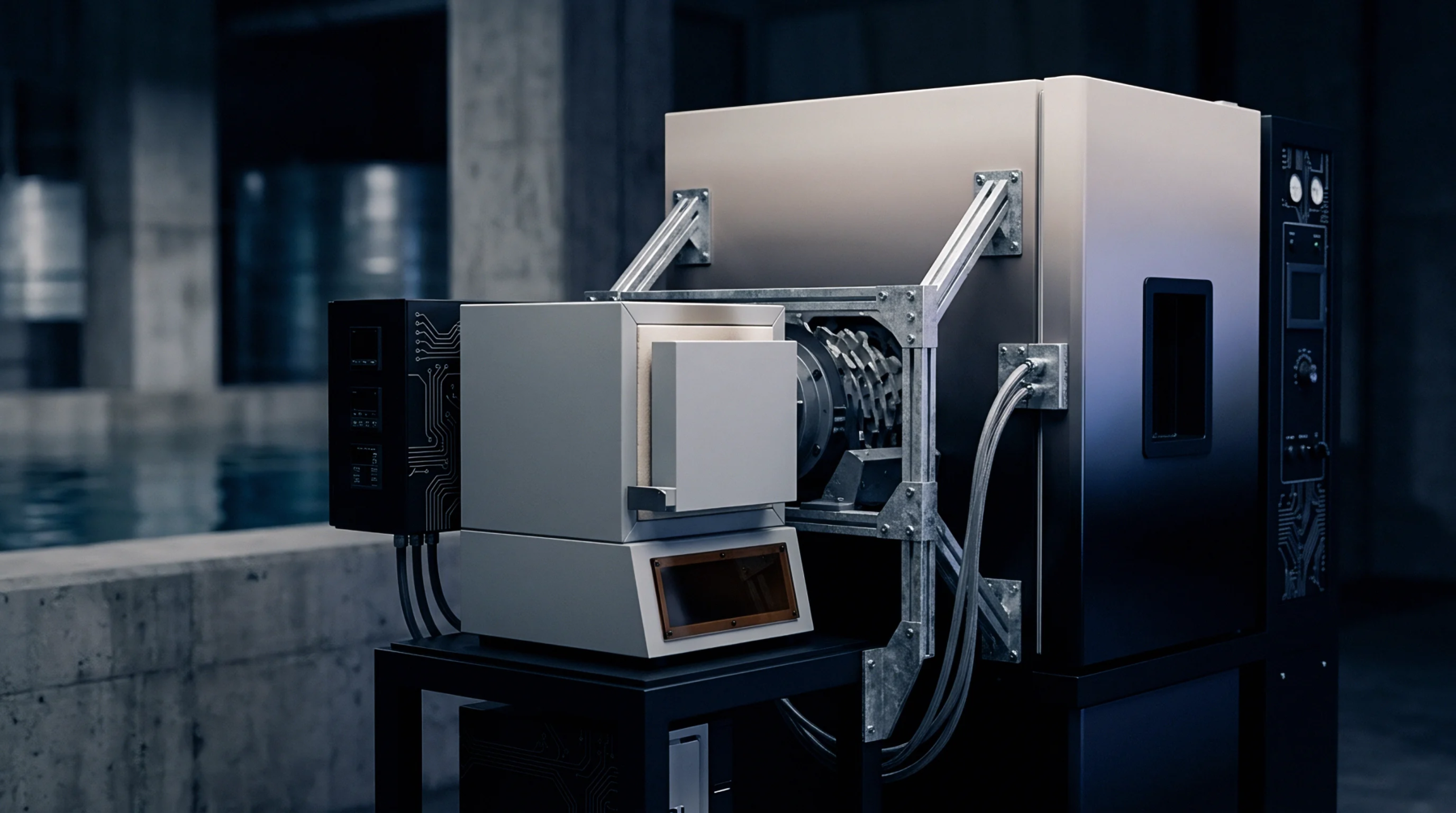
Mechanically spread glass fabrics flatten yarn bundles to eliminate resin-rich windows, stabilizing relative permittivity and preventing high-speed differential skew.
Expertise is a utility, not a secret. sentiention™ publishes its working knowledge as open reference: intelligence layer covering the materials it sources, the markets it enters, and the reference that serves both.